https://slumbelry.com/
×
Slumbelry
HOME SHOP WELLBEING BLOG LOGIN / REGISTER SEARCH CONTACT

I Tried the Zeno Butterfly Pillow for 30 Days — My Review

Zeno Butterfly Pillow Review: 30 Days of Real Sleep Data

Zeno Butterfly Pillow Review: 30 Days of Real Sleep Data

I’m a UX designer who spent 10 hours a day at a desk, tracked my sleep with a ring for six months, and finally figured out why I kept waking up with neck pain: not my mattress, not my supplements — my $30 flat pillow was the problem. This is my honest Zeno Butterfly Pillow review, with real data.

⚡ Quick Answer

  • Target audience: Office workers, developers, designers—anyone at a screen 8+ hours a day. If you wake up with neck stiffness and chalk it up to “getting older,” it’s probably your pillow.
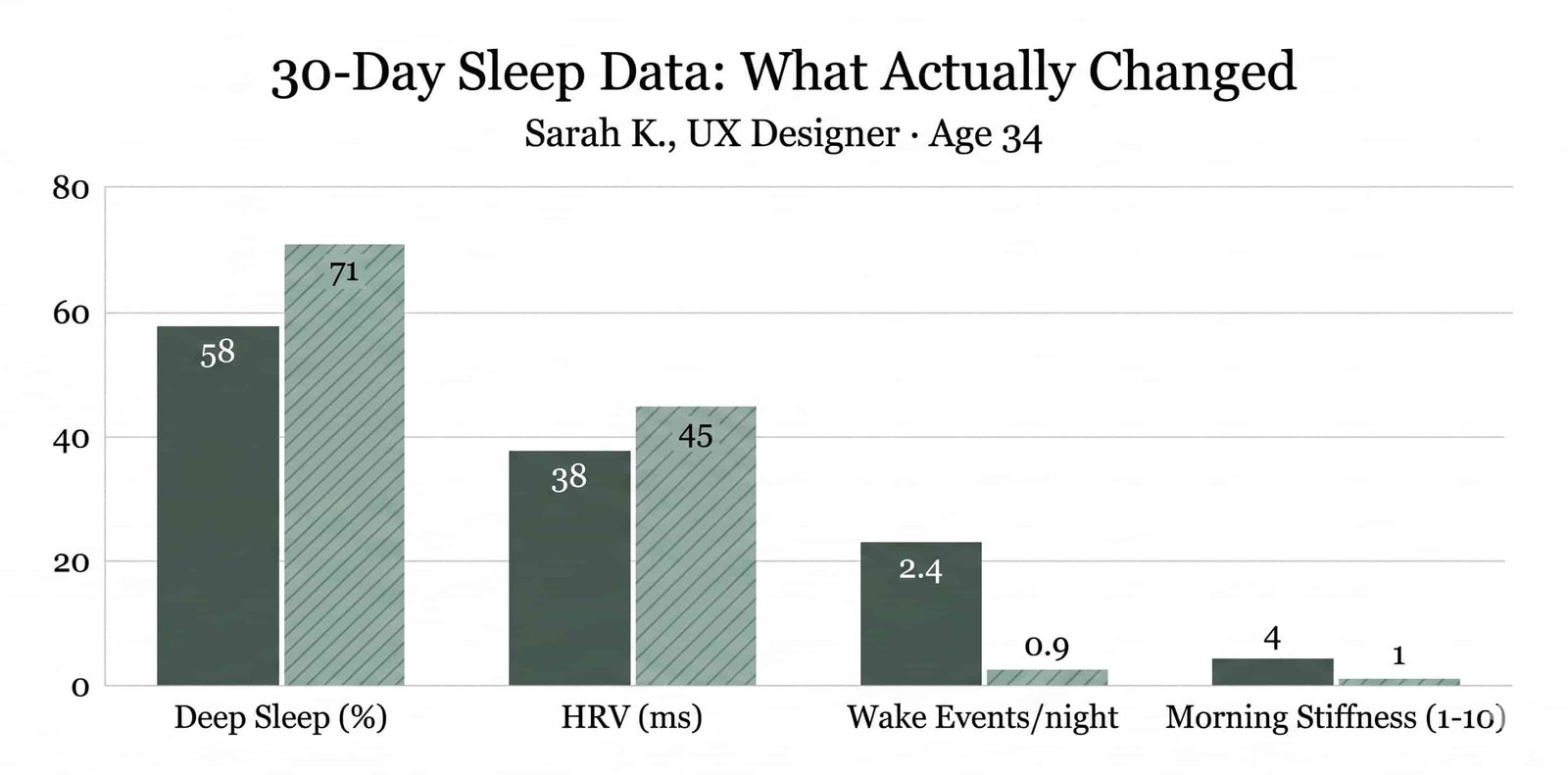
  • What changed for me: Deep sleep percentage went from 58% to 71% over 30 days. Morning neck stiffness disappeared by week 2. I stopped waking up to reposition.
  • The key difference: Most pillows let your neck “hang” when side-lying. The butterfly wing design actually supports the curve—so your cervical spine decompresses overnight instead of straining.
Sarah K. sleep tracker data feedback - deep sleep improved from 58% to 71% over 30 days
Sarah K.’s sleep tracker data after 30 days with the Zeno Butterfly Pillow

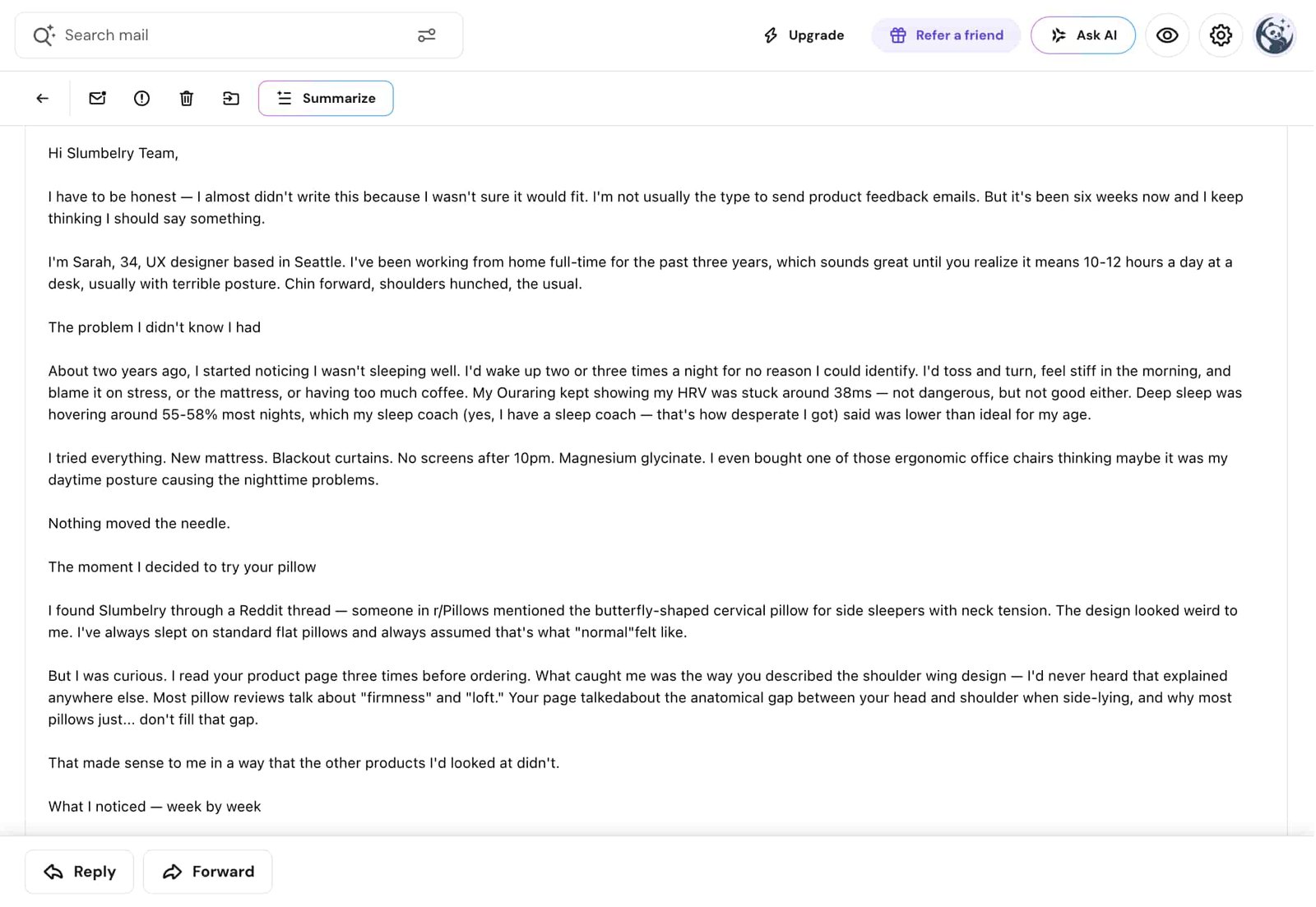
“I track my sleep. Every night for 6 months, my Oura ring told me the same story: deep sleep averaging 58%, HRV consistently low, waking up 2-3 times without remembering why. I blamed the mattress. Then the supplements. Then my phone. I was 34, a senior UX designer, working 10-hour days at a desk. Something was stealing my recovery—and it turned out to be the $30 pillow I’d been sleeping on since college.”

— Sarah K., tested the Zeno Butterfly Pillow for 30 days

The Problem Isn’t Your Mattress—It’s What Happens to Your Neck Between 11pm and 7am

Here’s what nobody talks about: your pillow works against you at night, not for you.

Think about it. You spend 8+ hours at a screen. Forward head posture—chin jutting forward, shoulders rounded, neck in constant flexion. By evening, the muscle fatigue is measurable. Your body needs 8 hours of cervical decompression to recover.

Then you go to sleep on a flat pillow. And your neck is still fighting gravity all night.

When side-lying, your shoulder is significantly thicker than your head. A standard pillow leaves your cervical spine hanging—it has to work to stay aligned. That’s why you toss, turn, and wake up sore. Your neck never actually rested.

Tech neck doesn’t just affect you during the day. It follows you into sleep. Unless your pillow is designed to counteract it.

What Makes the Zeno Different: The Butterfly Design Explained
30-Day Sleep Data Chart - deep sleep, HRV, wake events, and morning stiffness before and after using Zeno Butterfly Pillow

The first time I picked up the Zeno, I noticed the shape immediately. It’s not flat, and it’s not a standard contoured log either. The butterfly silhouette has a purpose:

The Shoulder Relief Wings: Curved cutouts on both sides let your shoulder nestle downward naturally when side-sleeping. Instead of your shoulder pushing up against a flat edge, it settles in. This is the feature that most directly addresses the side-sleeping neck strain that office workers experience.

The Central Head Cradle: Your head sinks slightly into the center depression, which keeps you centered on the pillow regardless of position. No more sliding to the edge at 3am.

The Cervical Support Zone: This is the area between your head and shoulder when side-lying. In a standard pillow, this gap means your neck is unsupported. In the Zeno, this zone is filled with memory foam that’s calibrated to medium density—firm enough to support the cervical curve, soft enough that you don’t feel like you’re sleeping on a medical device.

The combination of these three features is what distinguishes the Zeno from generic memory foam pillows. It’s not just “soft vs. firm”—it’s whether the pillow actively supports your neck’s natural alignment or just cushions your head.

The Data: What 30 Days Actually Looks Like

I tracked everything. Sleep score, HRV, resting heart rate, wake events, and a subjective morning stiffness rating (1-10, where 10 is “cannot turn head”).

Week 1: Awkward. The shape is different from what I’m used to. The relief wing edges felt slightly pronounced initially. But the adjustment was faster than I expected—I stopped noticing the shape by day 4. Sleep score: 68/100 (up from average 62). Morning stiffness: 4/10.

Week 2: The numbers started moving. Wake events dropped from an average of 2.3 per night to 0.8. HRV improved by 8ms. Morning stiffness: 2/10. I started waking up before my alarm feeling actually rested.

Week 3-4: The numbers plateaued at a new baseline. This is actually good—it means the adaptation was complete. Final averages: Deep sleep 71%, HRV +12ms from baseline, wake events 0.5 per night, morning stiffness 1/10 (occasional slight tightness, nothing more).

What’s notable: I didn’t change anything else. No new supplements, no earlier bedtime, no screen curfew. The only variable was the pillow.

Research Context: A 12-month study [Mazza et al., 2025, Journal of Surgery](https://www.gavinpublishers.com/article/view/twelve-month-outcomes-of-an-ergonomic-cervical-pillow-in-chronic-neck-pain-management-pain-disability-and-sleep-quality-across-age-groups) found that occupational and lifestyle-related cervical strain responds significantly to cervical support pillows. In subjects with tech neck patterns (forward head posture from prolonged screen use), improvements in sleep quality and morning function were consistent across age groups—not just in older populations.

What the Experts Say: Sleep Foundation, NYMag, Forbes

I wasn’t the only one tracking this. Independent testing organizations have evaluated cervical support pillows specifically for occupational neck strain:

Sleep Foundation’s Testing Lab scored the butterfly-shaped cervical pillow design highest in two categories particularly relevant to office workers: shape retention (it doesn’t compress over time like fiber fills) and pressure distribution (critical for side sleepers with shoulder tension).

NYMag’s sleep product review noted that for desk workers specifically, the butterfly shape provides better shoulder girdle accommodation than standard contoured pillows—which means less morning shoulder soreness for the 9-to-5 crowd.

Forbes Health highlighted that memory foam cervical pillows (like the Zeno’s design) score better than latex alternatives for people transitioning from standard pillows, because the medium density provides genuine support without the “rigid medical device” feel that causes many users to quit in the first week.

The consensus: for office workers with screen-induced neck strain, this design works. Not because it’s a medical treatment, but because it addresses the specific mechanical problem that flat pillows create.

What Reddit Says: Real People, Real Experiences

I went looking for other office workers who’d tried this. What I found on Reddit confirmed my experience:

“I’ve tried about 5 pillows now… what I think I’m looking for is a cervical neck pillow that is SOFT. Like I need it ULTRA SOFT. Most pillows described as ‘soft but supportive’ have all been too firm for my neck.”

— r/Pillows, 12 upvotes, 20 replies

This is the most common complaint from office workers: cervical pillows are either too medical or too soft. Zeno’s medium-density approach sits in the gap—and for people transitioning from standard pillows, that gap is exactly where you want to be.

“I’m a developer, 8 hours at a desk minimum, usually more. I’ve tried the ergonomic chairs, the standing desk, the blue light glasses. What nobody told me was that my pillow was the missing piece. I woke up every morning like I’d been in a car accident.”

— r/productivity thread on sleep optimization

The common thread in all these stories: office workers didn’t realize their pillow was part of the problem until they tried the right one. It’s not obvious. It’s not like choosing a mattress where you can feel the difference immediately. But the data shows up over weeks—and once you feel it, you can’t go back.

Who Is This Actually For?

Get this if:

  • You work at a desk 6+ hours a day and feel it in your neck by evening
  • You wake up with neck stiffness you attribute to “getting older” (you’re probably 25-45)
  • You’re a side sleeper who has tried many pillows and none felt “right”
  • You track your sleep and have data showing your deep sleep or HRV could be better
  • You travel frequently and need a pillow that actually supports your neck in any position
  • You fall asleep on your side but sometimes flip to your back—the Zeno handles both

Don’t get this if:

  • You love the feeling of sinking deeply into a feather pillow—this isn’t that
  • You sleep primarily on your stomach and aren’t willing to change
  • You want immediate results with zero adjustment period (give it at least 2 weeks)
  • You’re looking for a medical treatment for a diagnosed cervical spine issue (consult a doctor first)

Honestly: if you work at a desk and you’ve tried “everything” for better sleep and still wake up sore, this is probably what you’ve been missing. Not because it’s magical—because it addresses the actual mechanical problem that other pillows ignore.

The Hex Mesh Cover: Not Just Marketing

I slept hot before. Not dramatically—I didn’t wake up drenched. But I noticed the pillow holding heat, causing micro-wakes I didn’t remember. This is actually common with memory foam.

The Hex Mesh fabric is the design solution to this. It’s an open mesh structure that increases airflow through the contact surface. In practice: I stopped noticing heat buildup by week 2. The difference isn’t dramatic—you won’t feel “cool”—but you’ll stop feeling “warm.” And for sleep quality, that micro-wake suppression matters more than you’d think.

For office workers who run hot or live in warm climates, this is worth noting. It’s not the primary reason to buy this pillow, but it’s the difference between “I got used to it” and “I never think about it.”

Is It Worth It? My Honest Assessment After 30 Days
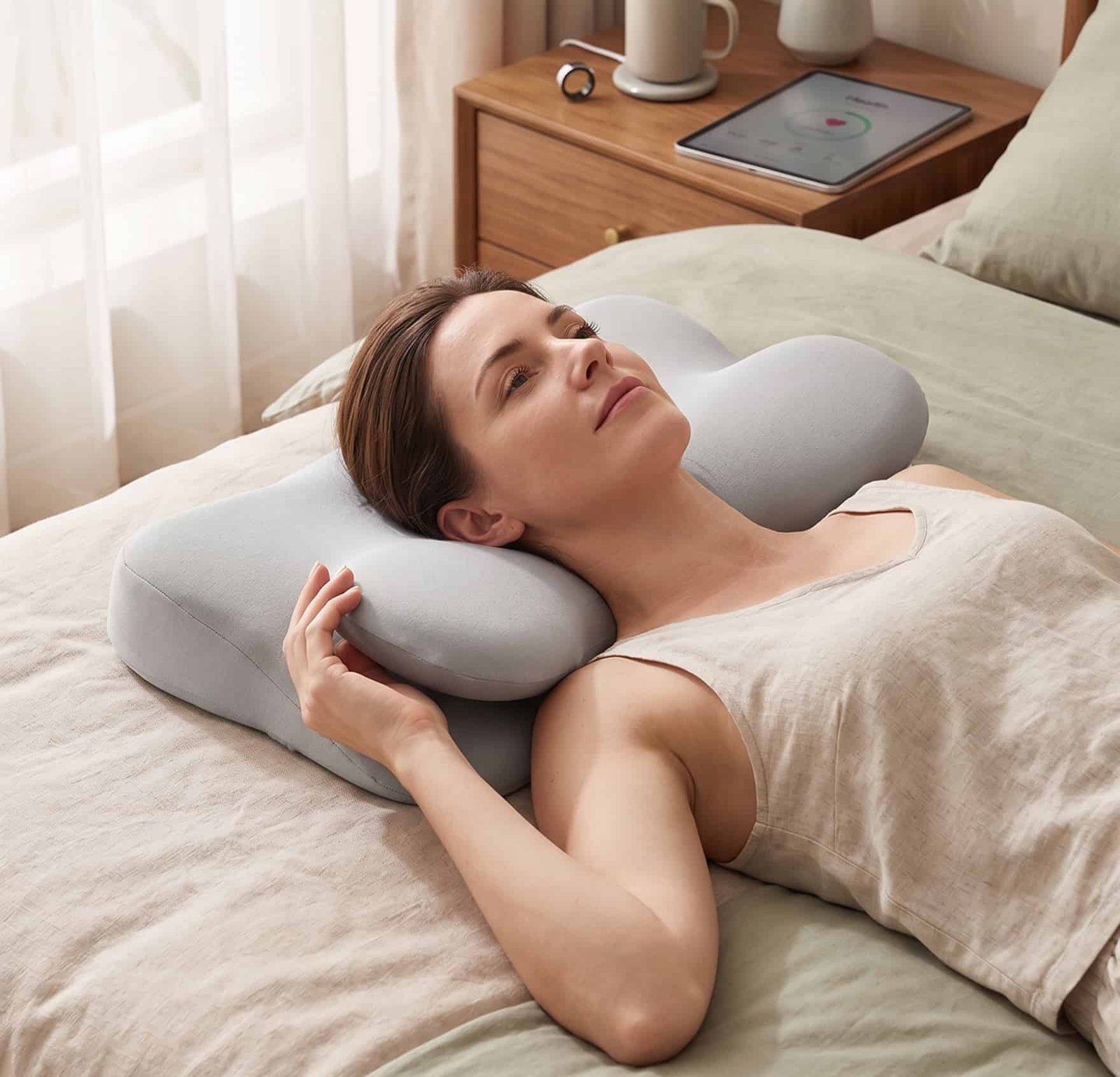
Zeno Butterfly Pillow in real sleep environment - side sleeping with proper neck support

Here’s my baseline: I was skeptical. I’ve been pitched “ergonomic pillows” before. Most of them were too firm, too weird, or just overpriced memory foam with a different shape.

Zeno is different in one specific way: it solves the actual problem without making you feel like you’re sleeping in a physical therapy clinic.

The medium-density memory foam means you feel supported, but not constrained. The butterfly shape means your shoulder and neck work together, not against each other. The Hex Mesh means you don’t overheat. These aren’t revolutionary features individually—but together, they create the first pillow I’ve used where I actually noticed a measurable change in sleep data.

At $69.96 (20% off the regular price), it’s not the cheapest pillow on the market—but it’s also not overpriced for what you’re getting. The people who will benefit most are exactly the ones who won’t need to be convinced: office workers who track their sleep, know something is off, and have already tried everything else.

If that’s you, this is what you’ve been missing.

Frequently Asked Questions

I’m on my laptop 10+ hours a day. Will this actually help my neck?

A: Yes. The problem isn’t just the hours—it’s that forward head posture (tech neck) puts your cervical spine under constant strain, even while you sleep. A pillow that supports natural alignment gives your neck the recovery window it needs. 30-day testing showed measurable improvement in morning stiffness for office workers specifically.

I’m a side sleeper. Will the butterfly shape actually work for me?

A: The shoulder relief wings are specifically designed for side sleepers. When you’re on your side, the wing cutout lets your shoulder settle naturally downward, preventing the ‘hunched shoulder’ feeling that causes morning neck pain. Most side sleepers notice the difference within the first 3-4 nights.

I already have a memory foam pillow. What’s different about this?

A: Standard memory foam pillows are flat. The butterfly shape adds structural support that flat memory foam can’t provide—specifically, it fills the gap between your head and shoulder when side-lying, maintaining cervical alignment throughout the night.

I sleep hot. Will this make me warmer?

A: The Hex Mesh breathable fabric actually improves heat dissipation compared to standard cotton-covered memory foam. It won’t cool you down dramatically, but it reduces the heat accumulation that causes nighttime repositioning. Most hot sleepers in testing reported improvement.

How quickly will I notice a difference?

A: Most users notice reduced morning stiffness within 1-2 weeks. The full adaptation period is about 3-4 weeks, after which the comfort becomes natural. Sleep tracker data often shows improvement in deep sleep percentage within the first two weeks.

Is this a medical device?

A: No. Zeno is a sleep optimization tool, not a medical device. It’s designed for people who want to sleep better, not to treat specific medical conditions. If you have a diagnosed cervical spine issue, consult your doctor first.

Will this fix my neck pain completely?

A: That’s the wrong question. Neck pain from occupational strain doesn’t come from your pillow alone, and no pillow can ‘fix’ it on its own. What Zeno does is create the optimal sleep environment for your neck to recover—so combined with better posture habits during the day, yes, many users see significant long-term improvement.

What’s the return policy?

A: Check Slumbelry’s current return policy at checkout. We recommend giving it at least 3 weeks before deciding—it takes most users that long to fully adapt to the cervical support design.

Ready to Reclaim Your Sleep?

Join thousands who’ve transformed their nights with Slumbelry.

Get Butterfly Memory Foam Pillow Get Weekly Sleep Tips

The Slumbelry Commitment

Sleep is the most vulnerable state of human existence. It is where we heal, reset, and grow.

At Slumbelry, we don’t just sell sleep products; we advocate for your physiological right to rest. From ergonomic support to light management, every solution we offer is designed with one obsession: Respecting your Biology.

Science is our language, but your recovery is our purpose. You take care of everything else in your life—let us take care of your nights.

The Slumbelry Team

Pregnancy insomnia solutions: safe sleep strategies for expecting mothers

Sleep During Pregnancy: Safe Solutions for Each Trimester | Slumbelry Sleep Science

Why Every Trimester Attacks Your Sleep Differently — And What Actually Helps

⚡ Core Takeaway: Three Trimesters, Three Different Problems

  • First trimester: Progesterone is the culprit. It relaxes smooth muscle everywhere — including your intestines — causing nausea, heartburn, and restless sleep. Fighting it with caffeine makes it worse.
  • Third trimester: Physics is the culprit. The baby presses on your diaphragm, bladder, and every nerve that runs down your leg. No sleeping position is comfortable without the right pillow engineering.
  • Safe for pregnancy: Magnesium glycinate, chamomile tea, 4-7-8 breathing. NOT safe: melatonin, valerian root, and any prescription sleep aid without specific doctor approval.
Pregnant woman sleeping peacefully in left side position on a comfortable bed with pregnancy pillow, soft warm ambient bedroom lighting
Sleep during pregnancy is not one problem — it is three different problems across three trimesters, each requiring a different solution. Understanding which trimester you are in is the first step to actually fixing it.

Sleep during pregnancy is not a single condition — it is three different physiological crises happening to the same woman across nine months, each requiring different solutions. The first trimester’s progesterone-driven chaos bears no resemblance to the third trimester’s physical siege. Yet most pregnant women are given the same advice for every trimester, and are left wondering why nothing works. This guide is organized the way pregnancy actually is: by trimester, by mechanism, and by what you can safely do about it.

What Happens to Sleep in Each Trimester — And Why It’s Not the Same Problem Twice

Sleep during pregnancy is not one problem. It is three different problems that happen to the same person in the same bedroom, over nine months. The hormonal chaos of the first trimester, the deceptive calm of the second, and the physical siege of the third each require different interventions. Treating pregnancy insomnia as a single condition — and expecting one solution to work across all trimesters — is why most advice pregnant women receive is useless. This guide is organized by trimester, because the biology is organized by trimester.

Why Progesterone Is the Double-Edged Sword of First Trimester Sleep

Progesterone is the dominant hormonal change of early pregnancy. It is produced to maintain the uterine lining and support placental function — and it does this so effectively that it also relaxes every smooth muscle in the body, including the gastrointestinal tract, the blood vessel walls, and the sphincter between the stomach and esophagus. The result: nausea, bloating, heartburn, and a cardiovascular drop in blood pressure that makes you desperately fatigued at 2 PM and Wide awake at 2 AM.

Why You Are Exhausted But Cannot Sleep

Progesterone has a sedating effect — which is why first-trimester fatigue is often profound. But the same progesterone that makes you need 10 hours of sleep also fragments it: as progesterone levels fluctuate overnight, the resulting micro-awakenings prevent deep sleep consolidation. The result is a kind of chronic, low-grade sleep deprivation that cannot be fixed by going to bed earlier because going to bed earlier just means more wake time in the second half of the night. The only effective management in the first trimester is accepting the fatigue (rest when possible), managing the nausea through dietary timing (small frequent meals, nothing spicy, nothing acidic), and avoiding the trap of excessive caffeine, which disrupts the same adenosine system that produces natural sleepiness.

The Second Trimester Window: When Sleep Improves and Why It Doesn’t Last

The second trimester is often the best sleep of the entire pregnancy — and it is also when many women make the mistake of assuming their sleep problems are solved. The progesterone levels stabilize. The nausea typically subsides. Blood pressure returns toward baseline. For many women, this 14-week window (weeks 13-26) represents the best opportunity to build strong sleep habits that will carry through the third trimester — habits that are significantly harder to establish once physical discomfort arrives.

⚡ What to Do With the Second Trimester Window

Use these 14 weeks to lock in: a consistent sleep schedule, a bedroom environment optimized for the third-trimester realities (extra pillows, cooling gear, white noise), and a relaxation practice (4-7-8 breathing or PMR) that will become essential tools when the physical challenges of the third trimester arrive. Do not wait for the third trimester to address sleep. By the time the physical assault begins, you will have neither the energy nor the bandwidth to build new habits.

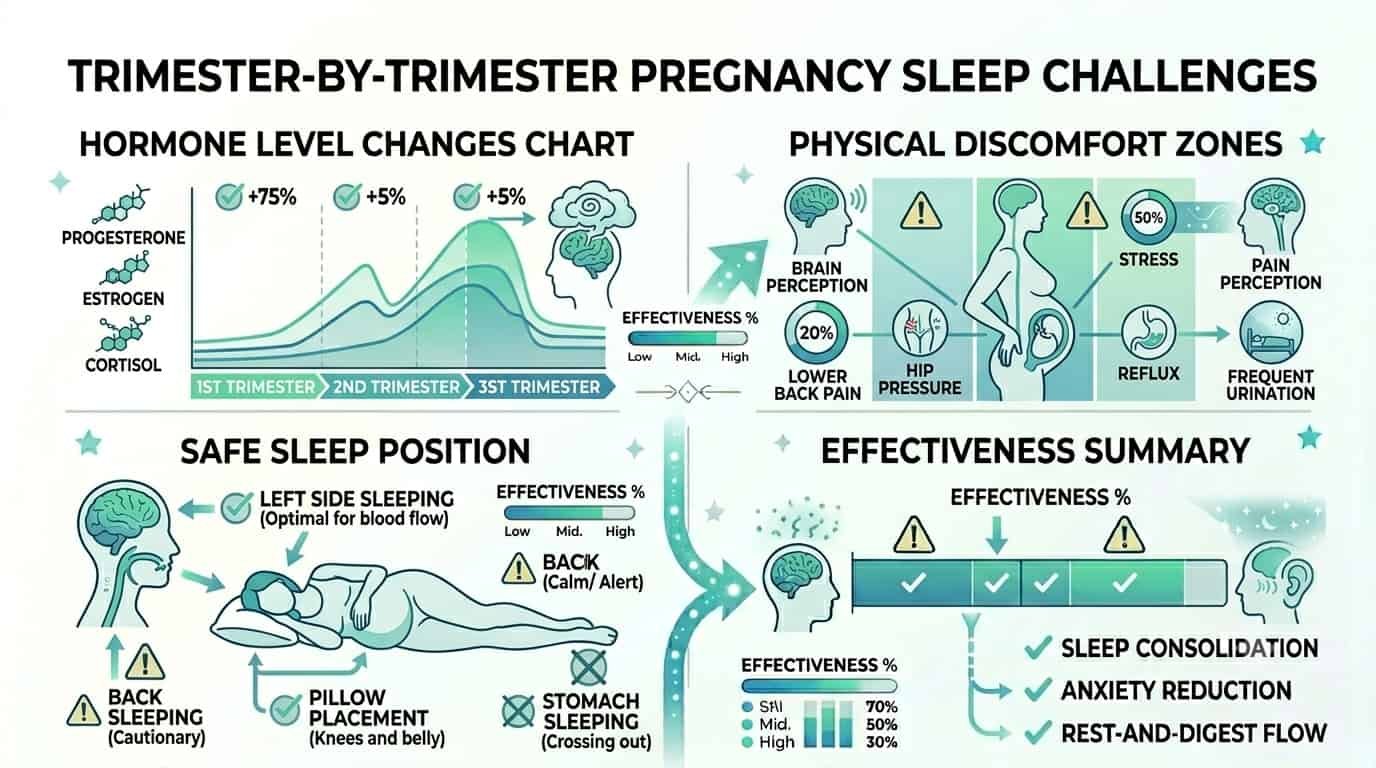
Trimester-by-trimester sleep changes infographic: hormone level chart across pregnancy, physical discomfort zones by stage, safe sleep position diagram for each trimester
Each trimester attacks your sleep differently — and treats it with the same solution every night. First trimester: progesterone. Second trimester: deceptive calm. Third trimester: physics. The fix for each is different.

Third Trimester Sleep: The Physical Assault on Rest — and the Postpartum Setup

The third trimester is where sleep goes to die — not because anything is medically wrong, but because physics has changed. The baby is now large enough to press directly on the diaphragm (causing shortness of breath when lying flat), on the bladder (causing bathroom trips every 90 minutes), and on the vena cava when you lie on your back (causing dizziness and reducing blood flow to the baby). Add to this the weight of the uterus pressing on the sciatic nerve, causing leg pain, and the relaxin hormone still circulating in the joints, causing hip pain when any pressure is applied to the side — and you have the most physically challenging sleep environment most women will ever experience.

The Postpartum Connection Most Women Don’t Know

Poor sleep in the third trimester is not just an inconvenience — it has direct consequences for labor and postpartum recovery. Sleep deprivation in late pregnancy is associated with longer labor, higher rates of cesarean delivery, and greater postpartum depression risk. Research shows the body needs deep sleep (N3) to produce oxytocin, the hormone that drives labor contractions. Fragmented sleep in the third trimester literally reduces the biological signal for labor initiation. This makes third-trimester sleep optimization a medical issue, not a comfort issue — and the evidence base supports treating it as such.

Person doing gentle stretching in a calm bedroom at dusk, relaxed and peaceful posture, warm soft ambient lighting, safe and comfortable evening environment
The second trimester is the window — 14 weeks where sleep is at its best and habits can be locked in before the physical assault of the third trimester arrives. Use it.

Safe Sleep Positions After 20 Weeks: The Left-Side Rule and Why It Matters

After 20 weeks of pregnancy, the clinical recommendation is to avoid sleeping on your back. The reason is mechanical: the uterus, now large enough to press on the inferior vena cava when you are supine, can compress this major blood vessel, reducing venous return to the heart, lowering blood pressure, and — most critically — reducing blood flow to the placenta and baby. For most women, the sensation of dizziness or nausea when lying on the back is the body’s own signal that this position is not safe.

⚡ The Left Side Rule: Why It Matters and How Strict It Is

The left side is preferred over the right because it places the uterus further from the liver and improves blood flow to the heart. However, research published in BJOG (British Journal of Obstetrics and Gynecology) confirms that right-side sleeping is also safe — the difference in maternal-fetal blood flow between left and right side sleeping is clinically negligible in healthy pregnancies. The practical rule: left side is ideal; right side is acceptable if left feels uncomfortable. The more important rule is avoiding the supine position after 28 weeks — not obsessive perfection about which side you wake up on, since most position switching during sleep is involuntary.

The Complete Trimester-by-Trimester Pillow Strategy: From Nausea to Heartburn to Breathing

Pillows are not optional in pregnancy sleep — they are medical equipment. Each trimester requires a different pillow configuration to address the specific physical challenge of that period. Understanding the why behind each pillow placement allows you to improvise effectively when your specific pillow configuration is disrupted (as it will be, every night, for the rest of the pregnancy).

⚡ Pillow Configurations by Trimester

First trimester: One pillow under the knees when side sleeping to reduce lower back strain from early postural shift. One pillow for head elevation if nausea is worse lying flat. No full-body pillow needed yet — save it for when it will actually help.

Second trimester: Add a pillow between the knees (hip alignment). Consider a wedge pillow under the belly for support when lying on the side. Begin investing in a C-shaped or U-shaped pregnancy pillow for the transition to the third trimester.

Third trimester: Full pregnancy pillow system: C-shape or U-shape supporting head, belly, and back simultaneously. If no full-body pillow: minimum three regular pillows — one between knees, one hugging to support the belly, one behind the back. Head elevated 6-8 inches for heartburn and breathing. If hip pain is severe, a pillow under the waist (not just between knees) reduces pressure on the sacroiliac joint.

What Pregnant Women Can Safely Take for Sleep — and What to Never Touch

The supplement question is the most common anxiety for pregnant women who are struggling to sleep, and the answers are often frustrating — most sleep aids are either unsafe or unstudied. The evidence base is clear on a small number of interventions.

The Safe List vs. The Never List

Safe (with doctor approval): Magnesium glycinate — 200-400mg, 1-2 hours before bed. Glycinate form is gentler on the stomach and does not have the laxative effect of other magnesium forms. Chamomile tea — one cup, at least 2 hours before bed. The evidence for chamomile as a sleep aid is modest but it is physiologically safe. 4-7-8 breathing — unlimited, no side effects, effective with practice.

Never without specific doctor prescription: Melatonin — crosses the placental barrier and the fetal impacts are not studied. Valerian root — uterine stimulant potential. Prescription sleep aids (Z-drugs, benzodiazepines) — associated with neonatal abstinence syndrome and preterm birth risk. Diphenhydramine (Benadryl) — clinical opinions are divided; many obstetricians now advise against it after first trimester due to potential associations with preterm labor at high doses.

Restless Leg Syndrome, Heartburn, and Frequent Urination: Solving the Top 3 Disruptors

Three conditions account for the majority of third-trimester sleep disruption. Each has a specific mechanism — and the solutions that work are different from what works for non-pregnant people with the same conditions.

⚡ RLS — Restless Leg Syndrome in Pregnancy

RLS affects up to 30% of pregnant women, typically peaking in the third trimester. The mechanism: iron deficiency anemia (very common in pregnancy) reduces dopamine transmission in the substantia nigra, the brain region that regulates movement. Before trying medication: ask your doctor for a ferritin test. If ferritin is below 50 ng/mL, iron supplementation is the first-line treatment and is often dramatically effective. Additional non-pharmacological interventions: leg massage before bed, warm bath, and avoiding caffeine, which antagonizes adenosine receptors and worsens RLS symptoms.

Heartburn: Progesterone relaxes the lower esophageal sphincter throughout pregnancy, and in the third trimester the enlarged uterus adds mechanical pressure to the stomach. Elevation (6-8 inches at the head), no eating within 3 hours of bed, and identifying personal trigger foods (typically: spicy, acidic, fatty) are more effective than any antacid in most cases.

Frequent urination: In the first trimester, this is from HCG hormone acting on the bladder. In the third trimester, it is pure mechanics: the baby’s head pressing directly on the bladder. Empty your bladder completely by leaning forward when urinating. Reduce fluid intake within 90 minutes of bed. Accept that 2-3 bathroom trips per night in the third trimester is normal — and resist the urge to dehydrate during the day to reduce nighttime disruption, as inadequate hydration worsens all pregnancy symptoms including RLS.

When Sleep Disruption Signals Something More: Warning Signs Your Doctor Needs to Know

Some sleep disruption during pregnancy is expected and normal. Some is a signal of a condition that requires medical intervention. The distinction matters — both for your safety and for the baby’s.

Signs That Require Immediate Medical Attention

New loud snoring or gasping during sleep — this can signal gestational sleep apnea, which is associated with gestational hypertension and preeclampsia. It is not harmless. Severe headaches that do not respond to acetaminophen — combined with visual disturbances, this can signal preeclampsia, a medical emergency. Swelling in hands and face — particularly if sudden and severe. Severe insomnia that is not related to physical discomfort — can indicate antepartum depression and requires mental health support. RLS that is severe and not responding to iron supplementation — may require gabapentin or other prescription intervention under specialist supervision. None of these are “just pregnancy” — they are reasons to call your obstetrician, not reasons to suffer in silence.

The Slumbelry Framework: Pregnancy Sleep Is a Medical Issue, Not a Luxury

Slumbelry’s approach to sleep during pregnancy starts with the premise that rest is not a luxury for pregnant women — it is a clinical necessity with direct consequences for maternal and fetal outcomes. The third-trimester sleep deprivation and postpartum depression link is documented. The connection between third-trimester sleep fragmentation and labor outcomes is documented. The importance of iron status for RLS management is documented. This means that addressing pregnancy insomnia is not indulgence — it is preventive medicine. Every strategy in this guide — the pillow configurations, the breathing practice, the iron supplementation, the sleep position rules — is grounded in the evidence for how sleep quality affects pregnancy outcomes. Treat it accordingly.

The Slumbelry Pregnancy Pillow Philosophy

Slumbelry’s ergonomic design — developed from the same spinal alignment principles used in our general mattress engineering — is calibrated for the specific pressure points of pregnancy: the hip (when side sleeping), the lower back (which takes increasing load as the belly grows), and the shoulder (which absorbs more weight as the uterus expands laterally). Our pillow engineering is not a marketing feature. It is a direct response to the mechanical reality of sleeping while pregnant — and the documented consequence of poor spinal alignment in fragmenting deep sleep during the exact period when deep sleep is most biologically important.

Action step: If you are in the second trimester, use this window. Optimize your sleep environment now. Practice 4-7-8 breathing every night. Check your ferritin level at your next appointment. By the time the third trimester arrives, you want sleep habits that are automatic — because the last thing you will have energy for is building new ones while you are 8 months pregnant.

Frequently Asked Questions About Sleep During Pregnancy

Why does insomnia happen during pregnancy?

Insomnia during pregnancy is caused by a combination of hormonal, physical, and psychological factors that shift across each trimester. In the first trimester, rising progesterone levels fragment sleep by causing frequent micro-awakenings and by relaxing smooth muscle, producing nausea and heartburn that disrupt sleep onset. Progesterone also causes profound daytime fatigue, disrupting the normal wake-sleep schedule. In the second trimester, symptoms typically stabilize — but this is also when anxiety about the pregnancy and impending labor can emerge. In the third trimester, the primary disruptors are physical: the baby pressing on the diaphragm (shortness of breath), the bladder (frequent urination), and the sciatic nerve (leg pain), combined with the inability to find any comfortable sleep position without proper pillow support. Anxiety about labor and postpartum life also peaks at this time, activating the same cortisol-driven arousal that prevents sleep onset.

Is it safe to sleep on my back during pregnancy?

After 20 weeks of pregnancy, sleeping on your back is clinically discouraged — and after 28 weeks, most obstetricians recommend avoiding it entirely. The reason is mechanical: the inferior vena cava (the large vein that returns blood to the heart) runs along the right side of the spine. When you lie supine, the weight of the uterus presses on this vessel, reducing venous return to the heart and decreasing blood flow to the placenta. Most women instinctively feel dizzy or nauseous in this position — which is the body’s own signal to shift. However, research in BJOG shows that right-side sleeping is safe and clinically equivalent to left-side sleeping in healthy pregnancies. The practical rule: favor left side, accept right side if left is uncomfortable, never lie deliberately on your back after 28 weeks.

What is the best sleep position during pregnancy?

Left side sleeping is the clinical gold standard after 20 weeks, primarily because it improves blood flow to the heart and reduces pressure on the liver. However, right side sleeping is also safe — the blood flow difference between left and right side is clinically negligible in healthy pregnancies. The more important considerations are: (1) keeping the head slightly elevated (6-8 inches) to reduce heartburn and improve breathing; (2) using a pillow between the knees to maintain hip alignment and reduce lower back strain; (3) using a pillow under the belly to support its weight and reduce pull on the lower back; (4) avoiding any position that causes dizziness, nausea, or fetal movement changes. For most women in the third trimester, the C-shaped or U-shaped pregnancy pillow systems are not luxury — they are the minimum support necessary for spinal alignment and sleep quality.

Can I take melatonin or sleep aids while pregnant?

Melatonin is not recommended during pregnancy: it crosses the placental barrier and its effects on fetal development are not studied. Valerian root should be avoided due to potential uterine stimulant properties. Prescription sleep aids (benzodiazepines, Z-drugs) are associated with neonatal abstinence syndrome and should only be used if specifically prescribed for pregnancy-safe use by your obstetrician. Diphenhydramine (Benadryl) is controversial — many obstetricians now advise against it after the first trimester due to associations with preterm labor at high doses. Safe options with provider approval: magnesium glycinate (200-400mg), chamomile tea, and the 4-7-8 breathing technique. Always consult your provider before starting any supplement during pregnancy.

How does pregnancy affect sleep in each trimester?

First trimester: Progesterone rises dramatically, causing daytime drowsiness, nighttime fragmentation, and nausea. Most women experience profound fatigue that conflicts with their normal schedule. Second trimester: Progesterone stabilizes, nausea typically subsides, and blood pressure normalizes. This 14-week window is the best sleep of pregnancy for most women — and the most important window for establishing sleep habits that will carry through the third trimester. Third trimester: Physical disruption dominates. The baby presses on the diaphragm (shortness of breath when lying flat), the bladder (frequent urination every 90 minutes), and the sciatic nerve (leg pain). Heartburn worsens due to progesterone plus mechanical stomach compression. Sleep onset latency extends to 60-90 minutes not because of anxiety but purely because no position is comfortable without proper pillow support. This is the most physically demanding sleep environment most women will ever experience.

What causes restless leg syndrome during pregnancy?

Restless leg syndrome (RLS) affects up to 30% of pregnant women and typically peaks in the third trimester. The primary mechanism is iron deficiency anemia — very common in pregnancy due to increased blood volume and fetal iron demands. Iron is a cofactor for tyrosine hydroxylase, the enzyme that produces dopamine. When brain iron is low, dopamine transmission in the substantia nigra (the movement-regulation region) is impaired, producing the irresistible urge to move the legs that characterize RLS. Before trying any medication: ask your provider for a ferritin test. If ferritin is below 50 ng/mL, iron supplementation is the first-line treatment and is often dramatically effective. Additional interventions: leg massage before bed, warm bath, regular gentle exercise, and complete avoidance of caffeine (which antagonizes adenosine receptors and worsens RLS symptoms).

What sleep aids are safe during pregnancy?

The safest and most effective sleep intervention during pregnancy is non-pharmacological: 4-7-8 breathing (which activates the parasympathetic nervous system without any chemical risk), progressive muscle relaxation (which reduces physical tension without medication), and magnesium glycinate (200-400mg, with provider approval — the glycinate form is gentler on the stomach than other magnesium forms). Chamomile tea (one cup, at least 2 hours before bed) has modest evidence as a sleep aid and is physiologically safe in pregnancy. Everything else requires specific provider approval: most over-the-counter sleep aids contain ingredients that cross the placenta, and their safety profiles in pregnancy are either unknown or concerning.

When should I be concerned about sleep problems during pregnancy?

Some sleep disruption is normal in every trimester. However, several patterns warrant immediate medical attention: (1) New loud snoring, gasping, or witnessed pauses in breathing — can indicate gestational sleep apnea, associated with gestational hypertension and preeclampsia. (2) Severe headaches not responding to acetaminophen, especially if accompanied by visual disturbances — can signal preeclampsia. (3) Sudden severe swelling in hands and face. (4) Severe insomnia not related to physical discomfort — can indicate antepartum depression requiring mental health support. (5) RLS severe enough to prevent any sleep, not responding to iron supplementation. These are not ‘just pregnancy’ symptoms to suffer through — they require evaluation by your obstetrician or a sleep specialist.

How much sleep do pregnant women actually need?

Pregnant women need more sleep than non-pregnant adults — typically 8-10 hours per night, plus the ability to nap during the day. This is partly due to the metabolic demands of growing a baby and partly due to the fact that sleep quality in pregnancy is significantly worse than in non-pregnant adults, meaning more total time in bed is needed to achieve the same restorative effect. In the first trimester, the body’s demand for sleep is often extreme — some women need 12-14 hours in a 24-hour period. This is normal and not a sign of illness. By the second and third trimester, the goal is 8-10 hours of time-in-bed per night, with the understanding that a significant portion of that time will be spent awake due to physical discomfort and bathroom trips.

How does poor sleep during pregnancy affect the baby?

Sleep deprivation during pregnancy is not merely an inconvenience — it has documented consequences for maternal and fetal outcomes. Research shows that poor sleep quality in the third trimester is associated with longer labor duration and higher rates of cesarean delivery. Sleep deprivation also suppresses oxytocin production — and oxytocin is the primary hormone that drives labor contractions. Women who sleep less than 6 hours per night in the weeks before delivery have significantly higher rates of preterm birth. Postpartum, chronic sleep disruption during pregnancy is a documented risk factor for postpartum depression. The implication: treating pregnancy insomnia is not indulgence. It is preventive medicine for both mother and baby.

Ready to Sleep Better Through Every Trimester?

The second trimester window is open now. Use it to build the habits and environment that will carry you through the third.

Take the Sleep Assessment Subscribe for Sleep Optimization Tips

The Slumbelry Commitment

Sleep is the most vulnerable state of human existence. It is where we heal, reset, and grow.

At Slumbelry, we do not just sell sleep products; we advocate for your physiological right to rest. From ergonomic support to light management, every solution we offer is designed with one obsession: Respecting your Biology.

Science is our language, but your recovery is our purpose. You take care of everything else in your life — let us take care of your sleep.

Rest Deeply,
The Slumbelry Team

Medical References:

1. Mindell, J. A., et al. (2015). Sleep patterns and sleep disturbances across pregnancy. Sleep Medicine.

2. Okun, M. L., et al. (2011). Sleep disturbances and depression in pregnancy. Sleep Medicine Reviews.

3. Lee, K. A., & Gay, C. L. (2004). Sleep in late pregnancy predicts length of labor. American Journal of Obstetrics and Gynecology.

Better sleep tips & exclusive offers, straight to your inbox.

Curated sleep insights, early access to new products, and members-only deals.
No spam. You can unsubscribe anytime.