Restless Legs & Periodic Limb Movement: It’s Real and Treatable
Restless Leg Syndrome (RLS) is more than an uncomfortable sensation—it is a neurological disruption that quietly destroys sleep onset and...
Expert wellness knowledge to improve your sleep quality
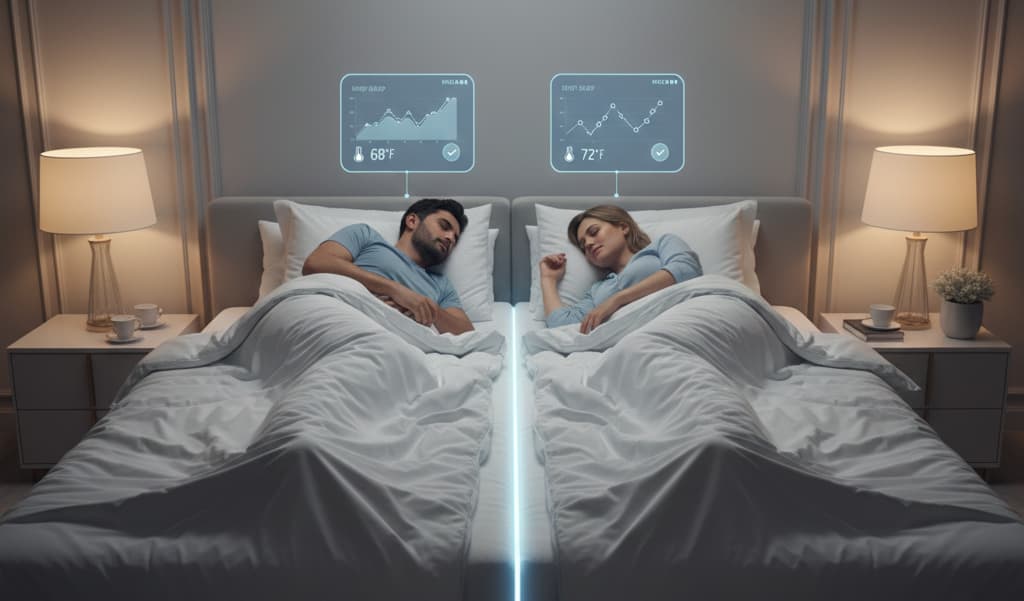
You can train harder, eat cleaner, and buy the best gear—but if you are sleeping six hours a night, your performance ceiling is already capped. In elite sports, sleep is no longer viewed as passive rest. It is active recovery and the most powerful, legal performance enhancer available. From Roger Federer’s 11–12 hours of sleep to Stanford’s groundbreaking sleep extension studies, science consistently shows that more sleep improves speed, accuracy, reaction time, and resilience. Athletes who sleep less than eight hours face significantly higher injury risk, not because they train too much, but because fatigue degrades coordination, muscle stability, and decision-making. Deep sleep is where true adaptation happens. Up to 70% of daily human growth hormone is released during slow-wave sleep, driving muscle repair, tissue regeneration, and nervous system recovery. Cut sleep short, and you shorten your body’s repair window—effectively wasting your training effort. Grounded in evidence-based sleep science, this article explains why elite performance is built at night, how strategic sleep extension and napping enhance recovery, and why sleeping like an athlete is the missing link between training and results.
Restless Leg Syndrome (RLS) is more than an uncomfortable sensation—it is a neurological disruption that quietly destroys sleep onset and fragments recovery. Often described as crawling, buzzing, or electric sensations deep in the legs, RLS creates an irresistible urge to move, making true rest feel impossible. In this article, Dr. Lycan Dizon, Chief Sleep Consultant at Slumbelry, breaks down the science behind RLS and its close relative, Periodic Limb Movement Disorder (PLMD). You’ll learn how dopamine dysfunction and low brain iron levels (ferritin) play a critical role, why common “PM” sleep aids can worsen symptoms, and how stress, caffeine, and alcohol amplify the problem. Grounded in evidence-based sleep science and aligned with the Slumbelry Sleep System™ framework, this guide explores practical, non-drug strategies—from iron optimization and magnesium support to weighted pressure and compression—that respect your biology rather than override it. If restless legs are stealing your nights, this is not about masking symptoms. It’s about understanding the cause—and reclaiming restorative sleep.
Snoring is often treated as a joke—but for millions of people, it is a warning signal. Obstructive Sleep Apnea (OSA) is a serious sleep disorder in which the airway repeatedly collapses during sleep, cutting off oxygen and forcing the brain into survival mode. These breathing interruptions can occur dozens of times per hour, silently placing extreme stress on the heart, brain, and nervous system. Most people with apnea don’t remember waking up. They simply feel exhausted, foggy, and unwell—despite spending “enough” hours in bed. Loud snoring, gasping pauses, morning headaches, dry mouth, frequent nighttime urination, and unexplained fatigue are common red flags. Left untreated, sleep apnea dramatically increases the risk of high blood pressure, heart disease, stroke, weight gain, and depression. Contrary to popular belief, apnea is not limited to older, overweight men. Women, lean individuals, and even children can suffer due to airway anatomy, hormonal changes, or structural factors. Grounded in evidence-based sleep science, this article explains why apnea is so dangerous, how to recognize the signs, and why proper diagnosis and treatment can be truly life-changing. Don’t ignore the snore—it may be your body asking for oxygen.
Disclaimer: I am a sleep consultant, not your doctor. Never stop prescription medication without medical supervision. It is the most common story I hear. "I haven't slept in weeks. I need something strong." We treat sleep like a headache. Take a pill, pain goes away. Take a pill, sleep happens. But biologically, sedation is not sleep. The Knockout vs. The Cycle Natural sleep is a complex dance of brain waves. You cycle through light sleep, deep sleep (physical repair), and REM sleep (emotional processing/memory). This architecture is essential. Most sleeping pills (Benzodiazepines, Z-drugs like Ambien) are sedative-hypnotics. They target the GABA receptors in your brain to shut down neuronal firing. They do not induce natural sleep cycles. They induce a state closer to unconsciousness or a mild coma. The Missing REM Many pills suppress REM sleep and Deep sleep. No Deep Sleep: You wake up feeling physically unrefreshed. No REM Sleep: You feel emotionally fragile, anxious, and have brain fog. This is why you can "sleep" for 9 hours on a pill and still feel like a zombie the next day. You got the quantity (time unconscious), but zero quality. The Amnesia Effect Here is the scary part: Often, the pill doesn't even make you sleep more. It just gives you anterograde amnesia. You might still wake up 5 times in the night. You might toss and turn. But the drug prevents your brain from forming new memories. So when you wake up, you think you slept through the night because you forgot the awakenings. Is forgetting your misery the same as curing it? Rebound Insomnia The trap snaps shut when you try to stop. Your brain has adjusted to the drug (down-regulated GABA receptors). When you stop the pill, your brain goes into overdrive. You experience Rebound Insomnia—your sleep is worse than it was before you took the pill. You panic, think "I can't sleep without them," and go back on the drug. You are hooked. The Exit Strategy Pills can be useful for short-term acute trauma (a death in the family, a crisis). But for chronic insomnia, they are a dead end. The gold standard treatment for insomnia is CBT-I (Cognitive Behavioral Therapy for Insomnia). It is hard work. It involves changing habits, thoughts, and schedules. But it fixes the root cause. Sleep is a natural biological function. You cannot buy it in a bottle. You have to build it.
Continuously updated wellness and sleep health insights
Restless Leg Syndrome (RLS) is more than an uncomfortable sensation—it is a neurological disruption that quietly destroys sleep onset and...
You can train harder, eat cleaner, and buy the best gear—but if you are sleeping six hours a night, your...
Disclaimer: I am a sleep consultant, not your doctor. Never stop prescription medication without medical supervision. It is the most...
Snoring is often treated as a joke—but for millions of people, it is a warning signal. Obstructive Sleep Apnea (OSA)...
If you feel exhausted all day but wide awake at night, your sleep system isn’t broken—it’s misaligned. At the center...
In modern performance culture, napping has evolved from a sign of laziness into a strategic advantage. Research shows that a...
You can train harder, eat cleaner, and buy the best gear—but if you are sleeping six hours a night, your performance ceiling is already capped. In elite sports, sleep is no longer viewed as passive rest. It is active recovery and the most powerful, legal performance enhancer available. From Roger Federer’s 11–12 hours of sleep to Stanford’s groundbreaking sleep extension studies, science consistently shows that more sleep improves speed, accuracy, reaction time, and resilience. Athletes who sleep less than eight hours face significantly higher injury risk, not because they train too much, but because fatigue degrades coordination, muscle stability, and decision-making. Deep sleep is where true adaptation happens. Up to 70% of daily human growth hormone is released during slow-wave sleep, driving muscle repair, tissue regeneration, and nervous system recovery. Cut sleep short, and you shorten your body’s repair window—effectively wasting your training effort. Grounded in evidence-based sleep science, this article explains why elite performance is built at night, how strategic sleep extension and napping enhance recovery, and why sleeping like an athlete is the missing link between training and results.
Restless Leg Syndrome (RLS) is more than an uncomfortable sensation—it is a neurological disruption that quietly destroys sleep onset and fragments recovery. Often described as crawling, buzzing, or electric sensations deep in the legs, RLS creates an irresistible urge to move, making true rest feel impossible. In this article, Dr. Lycan Dizon, Chief Sleep Consultant at Slumbelry, breaks down the science behind RLS and its close relative, Periodic Limb Movement Disorder (PLMD). You’ll learn how dopamine dysfunction and low brain iron levels (ferritin) play a critical role, why common “PM” sleep aids can worsen symptoms, and how stress, caffeine, and alcohol amplify the problem. Grounded in evidence-based sleep science and aligned with the Slumbelry Sleep System™ framework, this guide explores practical, non-drug strategies—from iron optimization and magnesium support to weighted pressure and compression—that respect your biology rather than override it. If restless legs are stealing your nights, this is not about masking symptoms. It’s about understanding the cause—and reclaiming restorative sleep.
Snoring is often treated as a joke—but for millions of people, it is a warning signal. Obstructive Sleep Apnea (OSA) is a serious sleep disorder in which the airway repeatedly collapses during sleep, cutting off oxygen and forcing the brain into survival mode. These breathing interruptions can occur dozens of times per hour, silently placing extreme stress on the heart, brain, and nervous system. Most people with apnea don’t remember waking up. They simply feel exhausted, foggy, and unwell—despite spending “enough” hours in bed. Loud snoring, gasping pauses, morning headaches, dry mouth, frequent nighttime urination, and unexplained fatigue are common red flags. Left untreated, sleep apnea dramatically increases the risk of high blood pressure, heart disease, stroke, weight gain, and depression. Contrary to popular belief, apnea is not limited to older, overweight men. Women, lean individuals, and even children can suffer due to airway anatomy, hormonal changes, or structural factors. Grounded in evidence-based sleep science, this article explains why apnea is so dangerous, how to recognize the signs, and why proper diagnosis and treatment can be truly life-changing. Don’t ignore the snore—it may be your body asking for oxygen.
Disclaimer: I am a sleep consultant, not your doctor. Never stop prescription medication without medical supervision. It is the most common story I hear. "I haven't slept in weeks. I need something strong." We treat sleep like a headache. Take a pill, pain goes away. Take a pill, sleep happens. But biologically, sedation is not sleep. The Knockout vs. The Cycle Natural sleep is a complex dance of brain waves. You cycle through light sleep, deep sleep (physical repair), and REM sleep (emotional processing/memory). This architecture is essential. Most sleeping pills (Benzodiazepines, Z-drugs like Ambien) are sedative-hypnotics. They target the GABA receptors in your brain to shut down neuronal firing. They do not induce natural sleep cycles. They induce a state closer to unconsciousness or a mild coma. The Missing REM Many pills suppress REM sleep and Deep sleep. No Deep Sleep: You wake up feeling physically unrefreshed. No REM Sleep: You feel emotionally fragile, anxious, and have brain fog. This is why you can "sleep" for 9 hours on a pill and still feel like a zombie the next day. You got the quantity (time unconscious), but zero quality. The Amnesia Effect Here is the scary part: Often, the pill doesn't even make you sleep more. It just gives you anterograde amnesia. You might still wake up 5 times in the night. You might toss and turn. But the drug prevents your brain from forming new memories. So when you wake up, you think you slept through the night because you forgot the awakenings. Is forgetting your misery the same as curing it? Rebound Insomnia The trap snaps shut when you try to stop. Your brain has adjusted to the drug (down-regulated GABA receptors). When you stop the pill, your brain goes into overdrive. You experience Rebound Insomnia—your sleep is worse than it was before you took the pill. You panic, think "I can't sleep without them," and go back on the drug. You are hooked. The Exit Strategy Pills can be useful for short-term acute trauma (a death in the family, a crisis). But for chronic insomnia, they are a dead end. The gold standard treatment for insomnia is CBT-I (Cognitive Behavioral Therapy for Insomnia). It is hard work. It involves changing habits, thoughts, and schedules. But it fixes the root cause. Sleep is a natural biological function. You cannot buy it in a bottle. You have to build it.
If you feel exhausted all day but wide awake at night, your sleep system isn’t broken—it’s misaligned. At the center of this problem is the brain’s master clock, the Suprachiasmatic Nucleus (SCN), which governs when you feel alert, hungry, focused, and ready for sleep. When its timing drifts, your body can feel like it’s living in the wrong time zone. The good news is that your internal clock can be reset. Sleep science calls the signals that control it Zeitgebers—time cues that tell the brain when day begins and night ends. Light is the most powerful of all, anchoring your wake-up time and melatonin rhythm. Food timing trains your metabolic clock, while movement and body temperature signal when to be alert or wind down. This article breaks down how modern habits—late-night screens, irregular meals, inconsistent wake times—create “social jet lag,” and how simple, evidence-based adjustments can restore rhythm. Grounded in chronobiology and the Slumbelry Sleep System™ framework, it shows why consistency matters more than supplements—and how training your clock is the fastest path to deeper, more reliable sleep.
Sleep Deeper. Live Better.
Secure & Private. Only for our reply.