
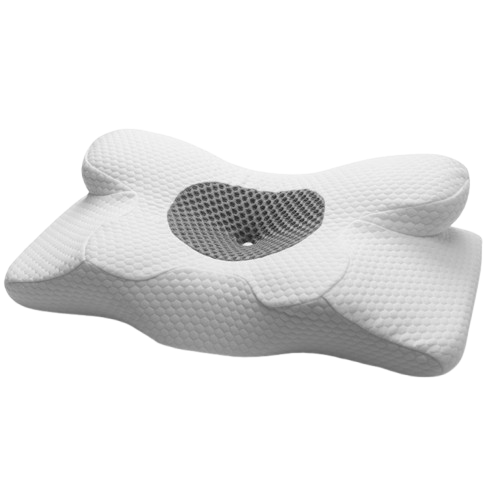


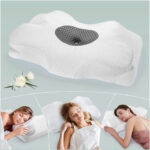
Anti-Snore Butterfly Pillow (NeckNest) – Ergonomic Cervical Support for Snore Reduction & Deep Sleep | Bamboo Cover
Choose Color:
- Neck Support Angle: The deep center cavity keeps your cervical spine aligned all night—no neck pain pillow that just softens by morning.
- Arm Rest Channels: Side cutouts give your arms a natural resting spot—so you stop waking up with numb hands.
- Bamboo Fiber Cover: Naturally antibacterial, moisture-wicking, and measurably cooler than cotton.
- High-Density Slow-Rebound Foam: Won't bottom out at 3 AM. Built for heavier builds.
Customer Reviews
"Fell asleep faster on day one. Beautiful packaging—perfect for gifting."
"Snoring reduced—my partner noticed. Very satisfied."
"Mantiene la forma; sueño profundo más largo; empaque de buena calidad."


📦 Shipping Information
🌍 Detecting your location...
Estimated shipping to United States: $6.99
* Shipping calculated at checkout
🚚 Free shipping on orders over $100
Product Details
Stop Neck Pain at the Source. If you've been searching for a neck pain pillow that actually works—NeckNest is built differently. Most pillows soften under body heat and leave your neck unsupported by morning. The NeckNest uses a precisely engineered 5° cervical tilt to keep your neck supported all night, while its airway-opening angle reduces snoring without any straps or mouthpieces. Two problems. One pillow.
The Core: One Angle. All Night.
- Airway-Opening Angle: The center cavity guides your head into a slight backward tilt. This position naturally reduces the soft tissue collapse at the back of your throat that causes positional snoring. Works with gravity—not against it.
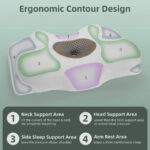
The Support System: Four Zones, Working With the Angle.
- Head Cradle Zone: Distributes skull pressure evenly to protect REM sleep depth.
- Shoulder Contour Zone: Prevents the "crushed shoulder" compression that makes side sleeping painful.
- Cervical Traction Zone: Follows your neck's natural arc and provides gentle lift—relieving the tension that builds up from desk work and phone scrolling.
- Arm Rest Channel: Dedicated side cutouts for your arms. If you wake up with pins and needles in your fingers, this is the feature that fixes it.
The Materials: Built to Hold the Angle All Night.
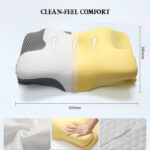
- Bamboo Fiber Cover: Not a marketing gimmick. Bamboo fiber is naturally antibacterial (fewer wash cycles needed), moisture-wicking (no waking up with a damp pillow), and measurably cooler than cotton. Fully removable and machine-washable.
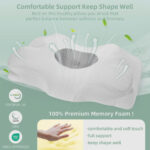
- High-Density Slow-Rebound Memory Foam: We use a denser foam formulation than most cervical pillow brands. It takes longer to compress and rebounds slower—ideal for heavier builds and anyone who has felt pillows "bottom out" at 3 AM.
- Included Bamboo Pillowcase + User Guide: Every NeckNest ships with a premium bamboo fiber pillowcase and a printed sleep position guide.
Why Most Anti Snore Pillows Don't Work
The typical "anti snore pillow" is just a regular memory foam pillow with slightly raised edges. It might feel good for an hour, but as the foam softens under body heat, your head sinks back into a chin-tucked position—and the snoring returns. The NeckNest is built differently: the depth of the center cavity and the angle of the cervical lift are calibrated to maintain airway position even as the foam warms and conforms to your shape throughout the night.
Beyond Snoring: What Else the Angle Fixes
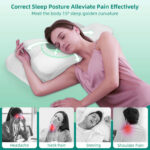
- Chronic Neck Stiffness: The cervical traction zone provides a gentle, sustained stretch to tight neck muscles—the same principle physical therapists use, passively applied while you sleep.
- Arm Numbness During Side Sleep: The arm rest channels create a dedicated space for your bottom arm, preventing the weight of your head from cutting off circulation.
- Night Sweats: Bamboo fiber wicks moisture 3–4× faster than cotton and resists the bacterial growth that causes pillow odors over time.
Care Instructions
The bamboo fiber cover and included pillowcase are both machine-washable (cold water, air dry recommended). The memory foam core should never be submerged or machine-washed—to refresh it, simply air it out in a ventilated area for a few hours.
Quality You Can Feel
Every NeckNest anti snore pillow is inspected for foam density consistency, contour symmetry, and cover stitching durability. We don't ship pillows that won't hold their shape through the warranty period.
Who Needs the NeckNest Anti Snore Pillow?
- The Heavy Snorer (and their partner): Positional snoring responds to airway angle. The NeckNest's deep contour targets this directly.
- The Chronic Neck Stiffness Sufferer: If morning neck pain is your daily reality, the cervical traction zone provides passive relief all night.
- The Arm-Numbness Sleeper: The dedicated arm rest channels are the most underrated feature—if you regularly wake up with dead hands, this is your pillow.
- The Hot Sleeper Who Hates Washing Pillowcases: Bamboo fiber stays fresher longer thanks to natural antibacterial properties.
NeckNest vs. Zeno: Which Anti Snore Pillow is Right for You?
- Choose NeckNest if: Snoring is your primary concern. You need the deep contour for airway positioning, the arm rest channels for numbness relief, and the bamboo cover for temperature and hygiene. This is a specialized tool for a specific problem.
- Choose Zeno if: You want everyday ergonomic support without the aggressive contour. It's the easier transition from a flat pillow—better for general neck tension, shoulder tightness, and anyone who wants multiple color options.
Frequently Asked Questions About the NeckNest Anti Snore Pillow
1. Why does the angle matter more than any other feature?
Positional snoring happens when your chin drops toward your chest during sleep, narrowing the airway at the back of your throat. The NeckNest's deep center cavity guides your head into a slight backward tilt (approximately 5°) to keep that airway open. No other feature matters as much as this angle—if the angle is wrong, a pillow could have every other attribute and still fail. That's why we engineered the contour first, then built everything else to support it.
2. How does an anti snore pillow actually reduce snoring?
Positional snoring happens when your chin drops toward your chest during sleep, causing soft tissue at the back of your throat to narrow the airway. The NeckNest anti snore pillow uses a deep center cavity that naturally tilts your head back approximately 5°, keeping your airway more open without any straps, mouthpieces, or forced positions. It works with gravity and anatomy, not against them.
3. Will this anti snore pillow work for all types of snoring?
The NeckNest is most effective for positional snoring—snoring that worsens when you sleep on your back with a flat or overly soft pillow. It may help reduce intensity for other types of snoring, but it is not a treatment for sleep apnea or snoring caused by nasal obstruction, obesity, or alcohol consumption. If you suspect sleep apnea, consult a healthcare provider.
4. Is the NeckNest anti snore pillow comfortable for side sleepers?
Yes. The shoulder contour zone and arm rest channels are specifically designed to make side sleeping more comfortable, not less. The pillow maintains airway support in both back and side positions. Side sleepers with broader shoulders may find the higher side of the contour more comfortable.
5. How long does it take to adjust to the NeckNest's deep contour?
Most users adjust within 5–7 nights. The NeckNest's contour is deeper than entry-level ergonomic pillows, so the adaptation period is slightly longer. Start by using it for the first half of each night. Users switching from standard flat pillows typically notice the adjustment period, while those already using contoured pillows adapt faster.
6. What makes the bamboo fiber cover different from a regular cotton pillowcase?
Bamboo fiber is naturally antibacterial (fewer odor-causing bacteria survive on it), moisture-wicking (it pulls sweat away from your skin 3–4× faster than cotton), and thermally conductive (it feels cooler to the touch). It's also smoother than cotton, which reduces friction against your skin and hair during the night.
7. Can the arm rest channels really stop hand numbness during sleep?
Hand numbness during side sleeping is typically caused by compression of the arm under your body weight. The NeckNest's arm rest channels create a dedicated depression where your bottom arm can rest without bearing the full weight of your head and torso. Most users report significant reduction in morning hand numbness within the first week.
8. Does this pillow sleep hot?
No—it's designed for the opposite. The bamboo fiber cover actively wicks moisture and stays measurably cooler than standard cotton cases. The memory foam core has an open-cell structure that allows heat to dissipate rather than trapping it. If you sleep very hot, pair it with a bamboo or Tencel pillowcase for additional cooling.
9. Is the NeckNest anti snore pillow suitable for heavier body types?
Yes. We use a higher-density memory foam formulation than entry-level pillows, specifically engineered to maintain structural integrity under more weight. If you've experienced ergonomic pillows that "bottom out" or collapse before morning, the NeckNest's denser core addresses that directly.
10. How do I clean and maintain the NeckNest anti snore pillow?
The bamboo fiber cover and included pillowcase are both removable and machine-washable—use cold water and air dry or tumble dry on low. The memory foam core should never be washed or submerged in water. To refresh the core, let it air out in a well-ventilated space for 3–4 hours. Thanks to bamboo's antibacterial properties, the cover requires less frequent washing than cotton alternatives.
11. What's the difference between the NeckNest and the Zeno pillows?
The NeckNest is our specialized anti snore pillow with a deeper 3D contour, dedicated arm rest channels, and a bamboo fiber cover. It's built for heavy snorers, chronic neck stiffness, and arm numbness. The Zeno is our everyday ergonomic pillow with a gentler contour, Hex Mesh cooling cover, and multiple color options—better for first-time ergonomic pillow users and those with general neck tension. If snoring is your main problem, choose NeckNest. If you want a simple, stylish upgrade from a flat pillow, choose Zeno.
12. What is the return policy for the NeckNest anti snore pillow?
We offer a 15-day return window. We recommend using the NeckNest for at least 7–10 nights before evaluating, as your body needs time to adapt to proper cervical positioning—especially if you're switching from a flat pillow. If it doesn't reduce your snoring or improve your morning neck comfort, contact our support team to initiate a return.
Specifications
| colour | White, White Gray, Blue |
| Dimensions | 60 cm x 34 cm x 10 cm (24 in x 13 in x 4 in) |
| Weight | 1.3 kg (2.8 lb) |
| What’s in the Box | NeckNest Butterfly Memory Foam Pillow x 1 Premium Bamboo Fiber Pillowcase x 1 User Guide with Sleep Position Recommendations x 1 Care Instructions Card x 1 |
Customer Reviews
"Moins de raideur au réveil. Emballage soigné et livraison rapide."
"Cradles the head without sinking. Fewer night wakes."
"Supportive yet plush; nice for long naps and travel."
Only logged in customers who have purchased this product may leave a review.
Frequently Asked Questions
If your partner has moved to the guest room, it’s time to stop guessing and try a real anti snore pillow. Most so-called solutions are either uncomfortable straps or pillows too soft to hold your airway open all night. The NeckNest anti snore pillow takes a different approach: a precisely engineered 3D contour that uses your own head weight to create a gentle ~5° cervical tilt—keeping your throat open without forcing anything into your mouth or around your jaw.
Key Features of the NeckNest Anti Snore Pillow
- Airway-Opening Deep Contour: The center cavity isn’t just for comfort—it’s a calculated depression that guides your head into a slight backward tilt. This position naturally reduces the soft tissue collapse at the back of the throat that causes most positional snoring. No medical claims. Just physics.
- 3D Multi-Zone Ergonomic System:
- Head Cradle Zone: Distributes skull pressure evenly to protect REM sleep depth.
- Shoulder Contour Zone: Prevents the “crushed shoulder” compression that makes side sleeping painful.
- Cervical Traction Zone: Follows your neck’s natural arc and provides gentle lift—relieving the tension that builds up from desk work and phone scrolling.
- Arm Rest Channel: Dedicated side cutouts for your arms. If you wake up with pins and needles in your fingers, this is the feature that fixes it.
- Bamboo Fiber Cover: Not a marketing gimmick. Bamboo fiber is naturally antibacterial (fewer wash cycles needed), moisture-wicking (no waking up with a damp pillow), and measurably cooler than cotton. Fully removable and machine-washable.
- High-Density Slow-Rebound Memory Foam: We use a denser foam formulation than entry-level pillows. It takes longer to compress and rebounds slower—ideal for heavier builds and anyone who has felt pillows “bottom out” at 3 AM.
- Included Bamboo Pillowcase + User Guide: Every NeckNest ships with a premium bamboo fiber pillowcase and a printed sleep position guide.
Why Most Anti Snore Pillows Don’t Work
The typical “anti snore pillow” is just a regular memory foam pillow with slightly raised edges. It might feel good for an hour, but as the foam softens under body heat, your head sinks back into a chin-tucked position—and the snoring returns. The NeckNest anti snore pillow is built differently: the depth of the center cavity and the angle of the cervical lift are calibrated to maintain airway position even as the foam warms and conforms to your shape.
Beyond Snoring: What Else It Fixes
- Chronic Neck Stiffness: The cervical traction zone provides a gentle, sustained stretch to tight neck muscles—the same principle physical therapists use, passively applied while you sleep.
- Arm Numbness During Side Sleep: The arm rest channels create a dedicated space for your bottom arm, preventing the weight of your head from cutting off circulation.
- Night Sweats: Bamboo fiber wicks moisture 3–4× faster than cotton and resists the bacterial growth that causes pillow odors over time.
Care Instructions
The bamboo fiber cover and included pillowcase are both machine-washable (cold water, air dry recommended). The memory foam core should never be submerged or machine-washed—to refresh it, simply air it out in a ventilated area for a few hours.
Quality You Can Feel
Every NeckNest anti snore pillow is inspected for foam density consistency, contour symmetry, and cover stitching durability. We don’t ship pillows that won’t hold their shape through the warranty period.
Who Needs the NeckNest Anti Snore Pillow?
- The Heavy Snorer (and their partner): Positional snoring responds to airway angle. The NeckNest’s deep contour targets this directly.
- The Chronic Neck Stiffness Sufferer: If morning neck pain is your daily reality, the cervical traction zone provides passive relief all night.
- The Arm-Numbness Sleeper: The dedicated arm rest channels are the most underrated feature—if you regularly wake up with dead hands, this is your pillow.
- The Hot Sleeper Who Hates Washing Pillowcases: Bamboo fiber stays fresher longer thanks to natural antibacterial properties.
NeckNest vs. Zeno: Which Anti Snore Pillow is Right for You?
- Choose NeckNest if: Snoring is your primary concern. You need the deep contour for airway positioning, the arm rest channels for numbness relief, and the bamboo cover for temperature and hygiene. This is a specialized tool for a specific problem.
- Choose Zeno if: You want everyday ergonomic support without the aggressive contour. It’s the easier transition from a flat pillow—better for general neck tension, shoulder tightness, and anyone who wants multiple color options.
Frequently Asked Questions About the NeckNest Anti Snore Pillow
1. Why does the angle matter more than any other feature?
Positional snoring happens when your chin drops toward your chest during sleep, narrowing the airway at the back of your throat. The NeckNest’s deep center cavity guides your head into a slight backward tilt (approximately 5°) to keep that airway open. No other feature matters as much as this angle—if the angle is wrong, a pillow could have every other attribute and still fail. That’s why we engineered the contour first, then built everything else to support it.
2. How does an anti snore pillow actually reduce snoring?
Positional snoring happens when your chin drops toward your chest during sleep, causing soft tissue at the back of your throat to narrow the airway. The NeckNest anti snore pillow uses a deep center cavity that naturally tilts your head back approximately 5°, keeping your airway more open without any straps, mouthpieces, or forced positions. It works with gravity and anatomy, not against them.
3. Will this anti snore pillow work for all types of snoring?
The NeckNest is most effective for positional snoring—snoring that worsens when you sleep on your back with a flat or overly soft pillow. It may help reduce intensity for other types of snoring, but it is not a treatment for sleep apnea or snoring caused by nasal obstruction, obesity, or alcohol consumption. If you suspect sleep apnea, consult a healthcare provider.
4. Is the NeckNest anti snore pillow comfortable for side sleepers?
Yes. The shoulder contour zone and arm rest channels are specifically designed to make side sleeping more comfortable, not less. The pillow maintains airway support in both back and side positions. Side sleepers with broader shoulders may find the higher side of the contour more comfortable.
5. How long does it take to adjust to the NeckNest’s deep contour?
Most users adjust within 5–7 nights. The NeckNest’s contour is deeper than entry-level ergonomic pillows, so the adaptation period is slightly longer. Start by using it for the first half of each night. Users switching from standard flat pillows typically notice the adjustment period, while those already using contoured pillows adapt faster.
6. What makes the bamboo fiber cover different from a regular cotton pillowcase?
Bamboo fiber is naturally antibacterial (fewer odor-causing bacteria survive on it), moisture-wicking (it pulls sweat away from your skin 3–4× faster than cotton), and thermally conductive (it feels cooler to the touch). It’s also smoother than cotton, which reduces friction against your skin and hair during the night.
7. Can the arm rest channels really stop hand numbness during sleep?
Hand numbness during side sleeping is typically caused by compression of the arm under your body weight. The NeckNest’s arm rest channels create a dedicated depression where your bottom arm can rest without bearing the full weight of your head and torso. Most users report significant reduction in morning hand numbness within the first week.
8. Does this pillow sleep hot?
No—it’s designed for the opposite. The bamboo fiber cover actively wicks moisture and stays measurably cooler than standard cotton cases. The memory foam core has an open-cell structure that allows heat to dissipate rather than trapping it. If you sleep very hot, pair it with a bamboo or Tencel pillowcase for additional cooling.
9. Is the NeckNest anti snore pillow suitable for heavier body types?
Yes. We use a higher-density memory foam formulation than entry-level pillows, specifically engineered to maintain structural integrity under more weight. If you’ve experienced ergonomic pillows that “bottom out” or collapse before morning, the NeckNest’s denser core addresses that directly.
10. How do I clean and maintain the NeckNest anti snore pillow?
The bamboo fiber cover and included pillowcase are both removable and machine-washable—use cold water and air dry or tumble dry on low. The memory foam core should never be washed or submerged in water. To refresh the core, let it air out in a well-ventilated space for 3–4 hours. Thanks to bamboo’s antibacterial properties, the cover requires less frequent washing than cotton alternatives.
11. What’s the difference between the NeckNest and the Zeno pillows?
The NeckNest is our specialized anti snore pillow with a deeper 3D contour, dedicated arm rest channels, and a bamboo fiber cover. It’s built for heavy snorers, chronic neck stiffness, and arm numbness. The Zeno is our everyday ergonomic pillow with a gentler contour, Hex Mesh cooling cover, and multiple color options—better for first-time ergonomic pillow users and those with general neck tension. If snoring is your main problem, choose NeckNest. If you want a simple, stylish upgrade from a flat pillow, choose Zeno.
12. What is the return policy for the NeckNest anti snore pillow?
We offer a 15-day return window. We recommend using the NeckNest for at least 7–10 nights before evaluating, as your body needs time to adapt to proper cervical positioning—especially if you’re switching from a flat pillow. If it doesn’t reduce your snoring or improve your morning neck comfort, contact our support team to initiate a return.
You May Also Like
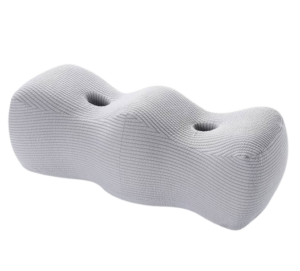
M-Shaped Memory Foam Leg Elevation Pillow – for Swelling Relief, Pregnancy & Knee Support – Breathable Wedge
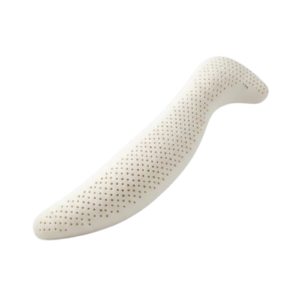
Seahorse Latex Body Pillow | 93% Natural Thai Latex for Side Sleepers & Pregnancy | R90 Spinal Alignment Anchor
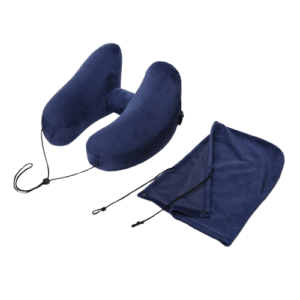
Inflatable Hooded Travel Pillow – H-Shaped Ergonomic Support, Ultra-Light & Adjustable

Reviews
There are no reviews yet.