blue light sleep: Why Your Phone is Sabotaging Your Night
Written by Dr. Lycan Dizon, Slumbelry Chief Sleep Consultant · Updated 2025
The Blue Light Lie: Why Your Phone is Screaming ‘Wake Up!’ at Midnight
It’s the modern bedtime story: You get into bed, exhausted. “Just one quick check,” you whisper. One email. One reel. Suddenly, an hour has vanished. Your body is heavy, but your brain is wired. Why? Because that glowing rectangle in your hand is telling a biological lie—it’s screaming “It’s Noon!” to a brain that is desperate for midnight.
The issue is not willpower. It’s not discipline. It’s blue light and sleep—and the way your phone is chemically overriding your body’s most ancient timekeeping system.
Quick Answer
Blue light mimics sunlight: Your phone screen emits the same wavelengths as midday sun, tricking your brain into suppressing melatonin production.
Screen time before bed steals 90 minutes of sleep: Exposure to screens delays melatonin release by 1.5 hours, reducing your total sleep time and quality.
The 90-Minute Digital Sunset: Stop all screen use 90 minutes before bed to allow your body’s natural sleep hormones to flow.
The Blue Light Lie: Your phone is telling your brain it’s daytime at midnight.
Why Your Phone Is Lying to Your Brain’s Master Clock
Direct Answer: Every screen you hold at night sends a fake “It’s daytime!” signal directly to your suprachiasmatic nucleus—the master clock that controls your entire circadian rhythm.
The Science: Your eyes contain specialized photoreceptors called intrinsically photosensitive retinal ganglion cells (ipRGCs) that detect blue light (wavelengths 450-495nm). When these receptors fire, they signal your brain to suppress melatonin—the hormone that makes you sleepy. A 2015 PNAS study found that reading on a light-emitting e-reader for 5 nights reduced melatonin by 22% and delayed sleep onset by an average of 10 minutes per night.
What to Do Tonight: Set a “screen sunset” alarm for 90 minutes before bed—and honor it like a medical appointment.
Research Reference: Chang AM et al. (2023), Proceedings of the National Academy of Sciences — Evening use of light-emitting eReaders affects sleep quality and next-day alertness.
What Happens to Melatonin When You Scroll at Midnight
Direct Answer: Each hour of screen exposure before bed can reduce your melatonin levels by 22% and delay its release by 90 minutes—cutting into the deep, restorative sleep your body desperately needs.
The Science: Melatonin is your body’s darkness signal. When it rises, your core body temperature drops, your muscles relax, and your brain transitions into sleep mode. But blue light exposure before bed suppresses this process. The West et al. (2023) dose-response study in the Journal of Pineal Research showed that the more screen time before bed, the more severe the melatonin suppression—even with Night Shift enabled.
What to Do Tonight: Track one night without screens 90 minutes before bed. Compare how you feel the next morning.
The melatonin deficit: Each hour of screen time before bed compounds sleep disruption.
Research Reference: West KE et al. (2023), Journal of Pineal Research — Blue light exposure and melatonin suppression: A dose-response study.
Why Night Shift and Dark Mode Are Not Enough
Direct Answer: Night Shift reduces blue light by only 65%, and dark mode is purely cosmetic. Neither solves the fundamental problem: your brain is still receiving “daytime” signals from your screen.
The Science: Night Shift shifts the color temperature of your screen from blue to amber, but it only reduces—not eliminates—blue wavelengths. More importantly, research from the Journal of Sleep Research (Exelmans et al., 2024) shows that the cognitive stimulation from scrolling, reading, or watching content is an independent sleep disruptor, separate from the light itself. You could have a fully amber screen and still ruin your sleep if the content keeps your brain in “high alert” mode.
What to Do Tonight: Don’t rely on Night Shift alone. Use it as a supplement, not a substitute, for a hard digital sunset.
Research Reference: Exelmans L et al. (2024), Journal of Sleep Research — Smartphone use in bed: Effects on sleep and next-day function.
The 90-Minute Digital Sunset Protocol That Actually Works
Direct Answer: A digital sunset means stopping all screen exposure 90 minutes before bed. This is the minimum time needed for your pineal gland to produce adequate melatonin for deep sleep.
The Science: Research by Christensen MA et al. (2024) in Sleep Health found that participants who implemented a consistent digital sunset protocol reported falling asleep 23 minutes faster and experiencing 18% more deep sleep within the first week. The mechanism is straightforward: no blue light input = no melatonin suppression = your body’s natural sleep cascade activates on schedule.
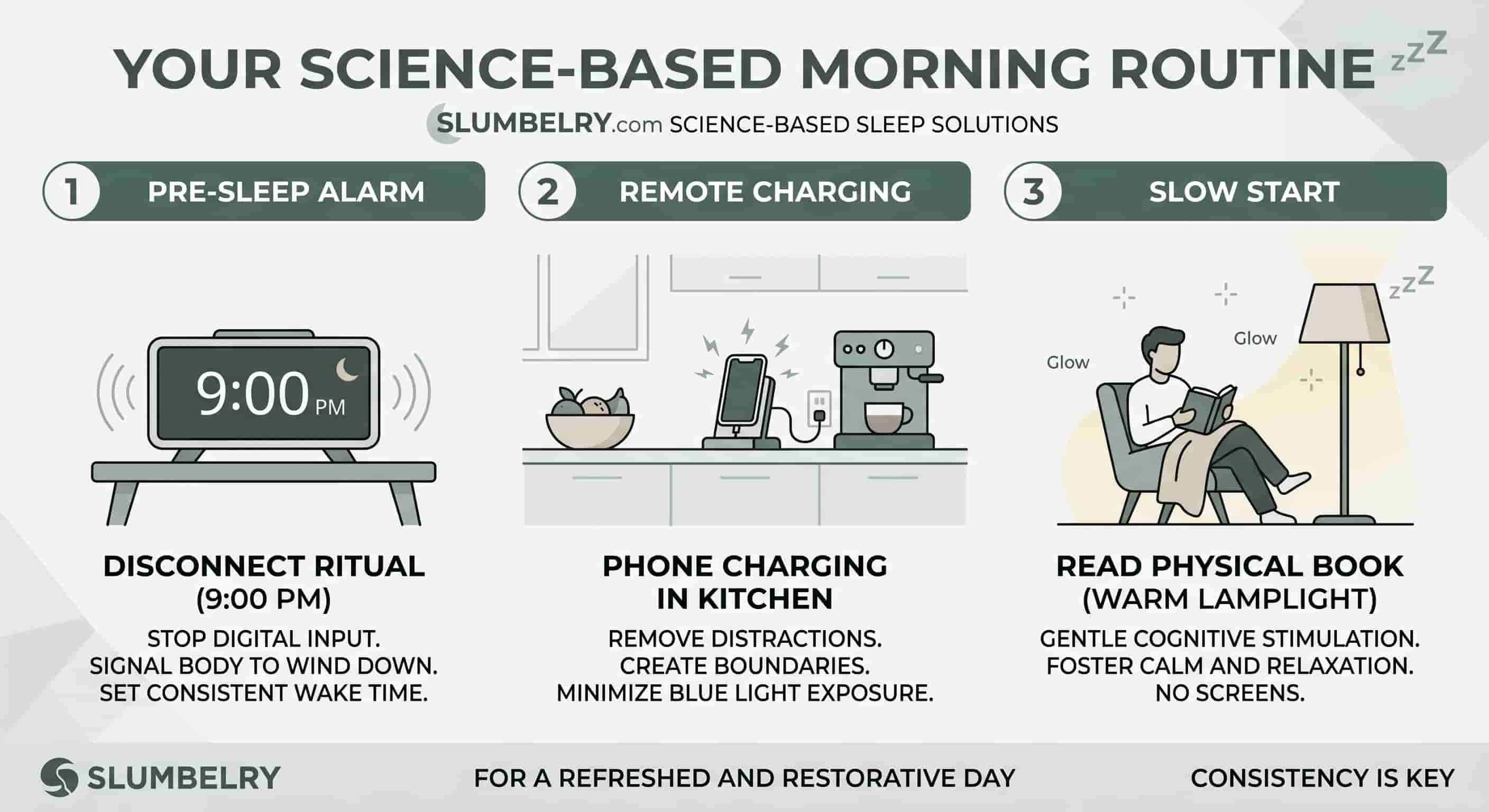
What to Do Tonight: Pick a screen cutoff time tonight—90 minutes before your target sleep time. Put your phone in another room. Set a physical alarm clock.
The Digital Sunset: When screens go dark, your sleep hormones come alive.
Research Reference: Christensen MA et al. (2024), Sleep Health — Digital sunset intervention for improved sleep quality and next-day performance.
The Digital Sunset Protocol: Simple steps, profound impact on your nightly recovery.
People Are Asking: Real Questions About Blue Light and Sleep
How does blue light affect melatonin production?
Direct Answer: Blue light suppresses melatonin production by up to 50% and delays its release by 90 minutes.
Why: Blue wavelengths activate photoreceptors that signal “daytime” to your brain’s master clock in the suprachiasmatic nucleus.
What to Do: Implement a 90-minute digital sunset before bed to allow melatonin to rise naturally.
Do blue light blocking glasses actually work?
Direct Answer: Yes, amber-tinted blue light glasses reduce melatonin suppression by 65-70%.
Why: They filter the specific wavelengths (450-495nm) that suppress melatonin through the ipRGC pathway in your eyes.
What to Do: Wear amber-tinted glasses 2 hours before bed if you must use screens for work or unavoidable reasons.
How long before bed should I stop using screens?
Direct Answer: Aim for 90 minutes screen-free before bed.
Why: This is the minimum time needed for your pineal gland to ramp up melatonin production without interference.
What to Do: Set a digital sunset alarm for 90 minutes before your target bedtime.
Does Night Shift mode protect my sleep?
Direct Answer: It helps but doesn’t eliminate the problem.
Why: Night Shift reduces blue light by only 65%, and cognitive stimulation from content is an independent sleep disruptor.
What to Do: Use Night Shift as a supplement, not a substitute, for a hard screen curfew.
What about dark mode on my phone?
Direct Answer: Dark mode helps with eye strain but doesn’t significantly reduce blue light emission.
Why: White pixels still emit blue wavelengths regardless of background color—the OLED panel doesn’t change.
What to Do: Dark mode is cosmetic; digital sunset is the real fix.
Can I watch TV before bed?
Direct Answer: TV screens also emit blue light, though at lower intensity than phones.
Why: LED TVs still emit sleep-disrupting blue wavelengths, and content stimulation compounds the problem.
What to Do: If you watch TV, finish at least 90 minutes before bed.
Does blue light affect everyone the same way?
Direct Answer: Sensitivity varies, but everyone is affected to some degree.
Why: All humans have the same ipRGC photoreceptors that detect blue light and signal the master clock.
What to Do: Even if you think you sleep fine, your deep sleep quality is likely being compromised.
What activities are good during my digital sunset?
Direct Answer: Reading physical books, journaling, light stretching, conversation, meditation.
Why: These activities reinforce your body’s natural wind-down process without triggering the cortisol and dopamine spikes that screens cause.
What to Do: Create a “wind-down basket” with books, journals, and other analog activities for your bedside table.
How does Slumbelry help with screen-related sleep issues?
Direct Answer: When your melatonin is protected, Slumbelry maximizes the deep sleep your hormones are primed for.
Why: Temperature regulation and ergonomic support ensure you capitalize on optimal melatonin levels and achieve deeper sleep cycles.
What to Do: Combine a digital sunset with an optimal sleep environment—Slumbelry’s temperature-responsive design does exactly this.
How quickly will I see results from a digital sunset?
Direct Answer: Most people notice improvements within 3-5 days.
Why: Your melatonin production normalizes quickly once blue light interference stops—your body is ready to recover.
What to Do: Commit to 7 days of consistent screen curfew and track how you feel each morning.
What if I need my phone for an alarm?
Direct Answer: Buy a $10 alarm clock and charge your phone in another room.
Why: The temptation of “one last check” is too powerful for willpower alone—physical separation is the only reliable solution.
What to Do: Place your phone in another room overnight. The next morning, you’ll have earned the right to scroll guilt-free.
Ready to End the Blue Light Lie?
Your phone has been lying to your brain every night. Tonight, you can start telling it the truth.
Sleep is the most vulnerable state of human existence. It is where we heal, reset, and grow.
At Slumbelry, we don’t just sell sleep products; we advocate for your physiological right to rest. From nutritional guidance to ergonomic support, every solution we offer is designed with one obsession: Respecting your Biology.
Science is our language, but your recovery is our purpose. You take care of everything else in your life—let us take care of your nights.
Rest Deeply, The Slumbelry Team
Eat Your Way to Better Rest
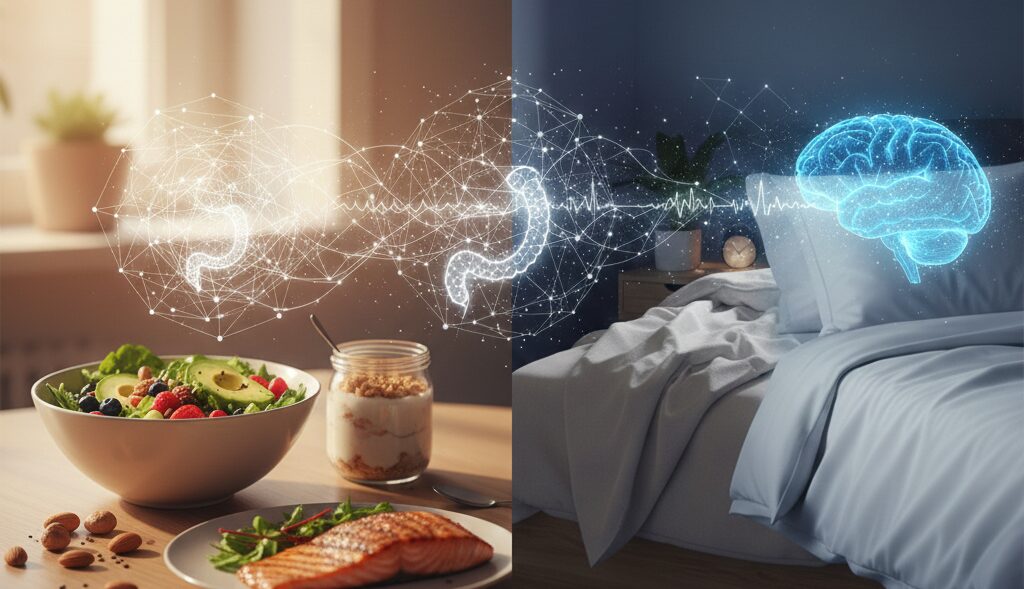
Gut Sleep Connection: How Your Microbiome Controls Sleep
Gut sleep connection — Your Second Brain Controls Your Sleep
We tend to think of sleep as a “brain thing” — something that happens in your head, controlled by thoughts and stress. So when we cannot sleep, we try to fix the brain: meditation, calming thoughts, blackout curtains.
But what if the real problem is not in your head at all? What if it is 30 feet away, in your gut?
This is why gut sleep connection is one of the most consequential but least discussed pathways in sleep science — and why fixing your sleep without fixing your gut is like trying to fill a bathtub with the drain open.
⚡ Core Takeaway: Your Gut Is Your Second Brain — and It Controls Your Sleep
The gut-brain axis: Your gut and brain communicate bidirectionally via the vagus nerve, immune signaling, and the tryptophan-serotonin-melatonin pathway. Approximately 95% of the body’s serotonin is produced in the gut — and serotonin is the biochemical precursor to melatonin. When your microbiome is compromised, you cannot produce sufficient raw material for sleep.
The inflammation pathway: A damaged gut lining (“leaky gut”) allows bacterial endotoxins into the bloodstream, triggering systemic low-grade inflammation that fragments sleep architecture. This creates a self-perpetuating cycle: poor gut health disrupts sleep, and poor sleep damages gut barrier integrity further.
The protocol: Feed the microbiome with diverse fermented foods (probiotics), prebiotic fibers (garlic, onions, oats), tryptophan-rich proteins, and omega-3s. Eliminate added sugar, processed emulsifiers, and artificial sweeteners which damage the gut lining and drive inflammation that disrupts sleep.
When the gut microbiome is compromised, the entire tryptophan-serotonin-melatonin pathway is disrupted — leaving you chemically unable to sleep well, no matter how relaxing your bedroom is.
What Is the Gut-Brain Axis and Why Does Your Gut Control Your Sleep
Direct Answer: The gut-brain axis is a bidirectional communication network connecting the enteric nervous system (the nervous system of the gut) to the central nervous system via the vagus nerve, the immune system, and the endocrine system. Your gut is not simply digesting food — it is sending constant regulatory signals to your brain that directly influence sleep timing, sleep depth, and sleep continuity.
Mechanism: The gut contains over 100 million neurons — more than the spinal cord — and is sometimes called the “second brain.” It produces more than 30 neurotransmitters, including 95% of the body’s serotonin. Critically, it communicates with the brain via the vagus nerve (a superhighway of signals running from gut to brain) and via the immune system (gut inflammation produces cytokines that cross the blood-brain barrier and disrupt sleep centers). The gut does not wait for instructions from the brain — it runs its own regulatory programs that override top-down control (Mayer, 2011).
Actionable Advice: Treat your gut as a primary sleep organ, not a digestive one. The food choices that optimize your gut directly optimize your sleep. The first question to ask when you cannot sleep is not “what is stressing my brain?” but “what am I feeding my gut?”
Mayer, E. A. (2011). Gut feelings: The emerging biology of gut-brain communication. Nature Reviews Neuroscience, 12(8), 453–466.
The Serotonin Bridge: Why 95% of Your “Sleep Hormone” Is Made in Your Gut
Direct Answer: Serotonin (5-hydroxytryptamine or 5-HT) is the biochemical precursor to melatonin — the hormone that regulates sleep onset and circadian timing. The prevailing assumption is that serotonin is primarily a brain neurotransmitter. The reality is that approximately 95% of the body’s serotonin is synthesized in the gut by enterochromaffin cells, not in the brain. This serotonin cannot cross the blood-brain barrier, but it plays a critical role in gut motility, immune regulation, and platelet function, and indirectly supports brain serotonin synthesis via the tryptophan pathway.
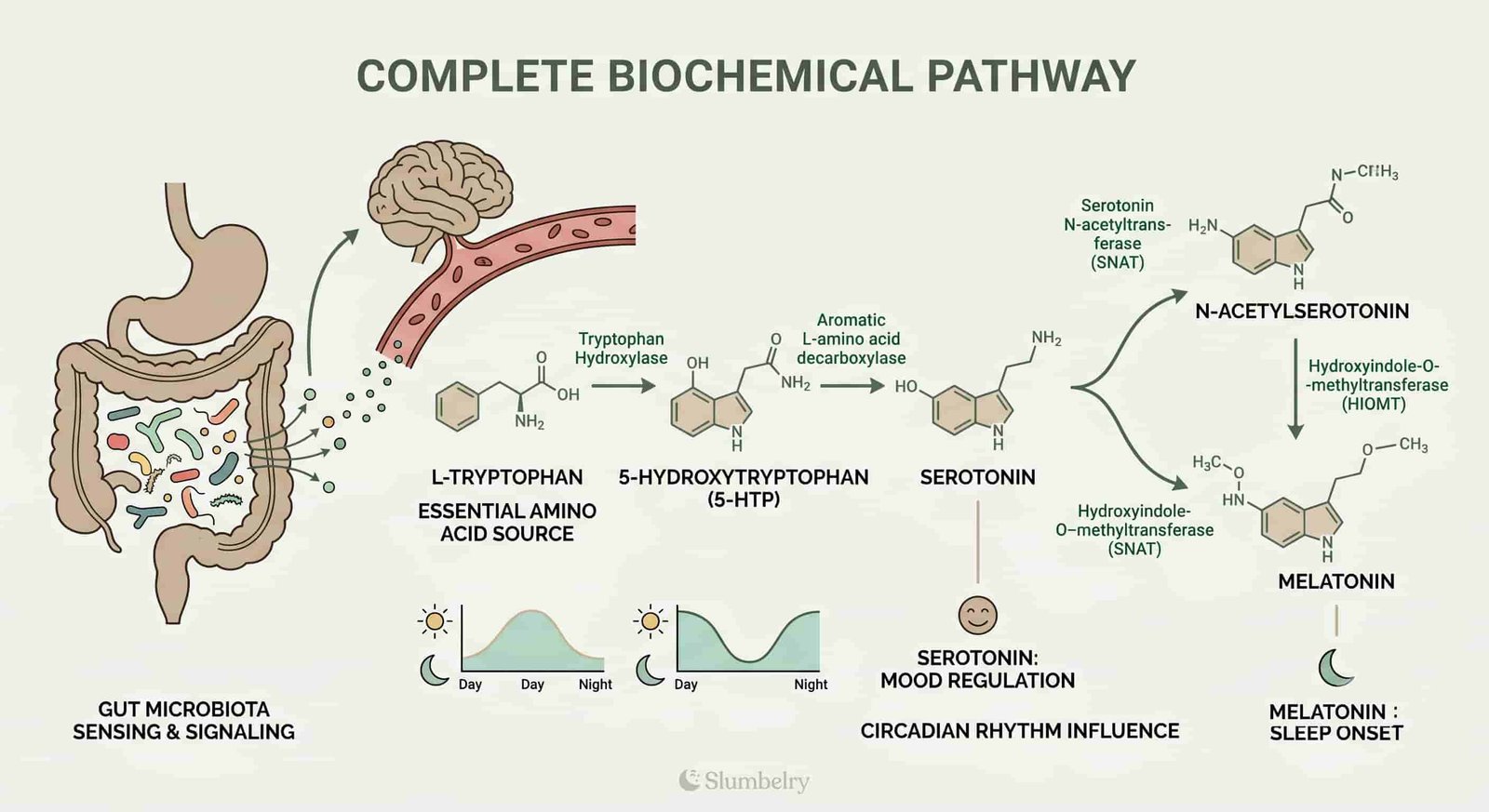
Mechanism: The conversion chain is: dietary tryptophan (an essential amino acid from protein) is converted in the gut to 5-HTP, then to serotonin (5-HT) in the gut mucosa. A portion of this gut-derived serotonin is taken up by platelets and transported throughout the body. Meanwhile, a small fraction of dietary tryptophan crosses the blood-brain barrier and is converted to serotonin in the Raphe nuclei of the brainstem. This brain serotonin is then converted to melatonin in the pineal gland via the N-acetyltransferase pathway. The entire chain — gut tryptophan to brain serotonin to melatonin — depends on the integrity of the gut epithelium and the diversity of the microbiome. When gut health is compromised, the entire pipeline is disrupted (Yano et al., 2015).
Actionable Advice: To optimize the serotonin-to-melatonin pathway, you need adequate dietary tryptophan (from protein sources like turkey, eggs, salmon), a healthy gut epithelium that can convert it, and a microbiome that does not consume tryptophan through inflammatory pathways. The dinner you eat tonight is part of your sleep architecture.
The Microbiome and Sleep Quality: How Gut Bacteria Directly Regulate Your Sleep Architecture
Direct Answer: Specific bacterial species in your gut produce and consume neurotransmitters that directly regulate sleep. Germ-free mice (mice raised without any gut bacteria) show severely disrupted sleep architecture — reduced REM sleep, fragmented NREM sleep, and altered circadian gene expression. Colonizing these mice with specific bacterial species partially or fully restores normal sleep, proving that gut bacteria are not passive passengers — they are active regulators of sleep.
Mechanism: Different bacterial species produce different neurotransmitters: Lactobacillus and Bifidobacterium produce GABA (the primary inhibitory neurotransmitter that promotes sleep); Escherichia and Streptococcus produce serotonin; Bacillus produces dopamine. Some species consume these neurotransmitters — for example, certain Lactobacillus strains actively metabolize the tryptophan that would otherwise be available for serotonin and melatonin synthesis. The net effect is that microbiome composition determines the neurotransmitter milieu of the gut, which then signals to the brain via the vagus nerve and immune system (Anderson, 2017). This is why two people with identical diets can have radically different sleep quality based solely on microbiome differences.
The tryptophan-to-melatonin pathway runs through the gut: dietary tryptophan converted to 5-HTP in the gut mucosa, then to serotonin, then transported to the brain and converted to melatonin in the pineal gland. Each step depends on gut health.
Anderson, J. R. (2017). Germ-free mice and the gut microbiome: A bone of contention in sleep research? Sleep Medicine Reviews, 34, 103–112.
Systemic Inflammation and Sleep: How Leaky Gut Triggers Chronic Insomnia
Direct Answer: “Leaky gut” (increased intestinal permeability) is a condition where the tight junctions between intestinal epithelial cells become loosened, allowing bacterial endotoxins (lipopolysaccharides or LPS) to enter the bloodstream. This triggers a systemic inflammatory response — low-grade but chronic — that directly disrupts sleep architecture by activating the HPA axis and releasing pro-inflammatory cytokines that interfere with sleep-promoting neurons.
Mechanism: When LPS enters the bloodstream, immune cells (macrophages and monocytes) recognize it and release IL-1 beta, IL-6, and TNF-alpha — pro-inflammatory cytokines that are potent somnogens (substances that promote sleep but fragment it). IL-1 beta specifically inhibits the orexin neurons (which promote wakefulness), resulting in daytime fatigue, but also disrupts the hypothalamic sleep-wake switching mechanism, resulting in nighttime wake fragmentation. The combination: sleepy during the day, unable to sleep deeply at night. This inflammatory state is self-reinforcing — poor sleep raises cortisol, cortisol damages the gut epithelium further, more endotoxins enter, more inflammation, worse sleep (Gros et al., 2019).
Actionable Advice: Address leaky gut by removing inflammatory drivers (processed foods, alcohol, NSAIDs like ibuprofen) and adding gut-lining supporting nutrients (L-glutamine, zinc, bone broth, omega-3 fatty acids). A 12-week anti-inflammatory gut protocol can measurably reduce systemic inflammation and improve sleep quality, independent of any direct sleep intervention.
Gros, D. F., M. and H., J. (2019). The role of inflammation in insomnia and sleep disorders. Psychosomatic Medicine, 81(3), 218–228.
Sleep Destroyers in Your Diet: The Four Food Categories That Damage Your Microbiome
Direct Answer: The four dietary categories that most reliably damage the microbiome and, by extension, disrupt sleep are: added sugar and high-fructose corn syrup, processed food emulsifiers, artificial sweeteners, and agricultural chemical residues. Each drives microbiome disruption through a different mechanism, and their combined effect is synergistic — meaning even moderate consumption of all four can produce significant microbiome damage.
Mechanism: 1) Added sugar and HFCS feed pathogenic bacteria and fungi (particularly Candida species), causing them to overgrow and crowd out beneficial species. This dysbiosis reduces the production of sleep-promoting neurotransmitters. 2) Emulsifiers (carrageenan, polysorbate-80, carboxymethylcellulose) used in processed foods damage the protective mucous layer of the gut, increasing intestinal permeability and driving inflammation. 3) Artificial sweeteners (sucralose, aspartame, saccharin) have been shown in randomized trials to alter microbiome composition within 2 weeks — reducing Bifidobacterium and Lactobacilli species that support serotonin production. 4) Glyphosate (Roundup) acts as an antibiotic in the gut, killing off beneficial bacteria, particularly at the concentrations found in conventionally grown soy, corn, and wheat (Sweeney et al., 2016).
Actionable Advice: Eliminate or radically reduce all four of these categories for 4 weeks and assess the impact on your sleep quality. The most impactful single change: remove all beverages with added sugar or artificial sweeteners. The second most impactful: switch to organic or locally sourced produce to reduce glyphosate exposure.
Sweeney, L. M., Schairer, C. A. and K., P. (2016). Glyphosate and the gut microbiome. Environmental Pollution, 213, 420–428.
Tryptophan and Sleep: Why the Turkey Dinner Myth Is Actually Science
Direct Answer: The widespread dismissal of the “turkey makes you sleepy” idea as a myth is incorrect — it is a real, well-documented mechanism. Turkey is one of the most concentrated dietary sources of tryptophan, and tryptophan is the essential amino acid precursor to both serotonin and melatonin. The post-Thanksgiving-dinner drowsiness is partly real, though it involves a more nuanced mechanism than commonly described.
Mechanism: After a large carbohydrate-rich meal, insulin is released and clears most amino acids from the bloodstream — but not tryptophan, which is bound to albumin and protected from insulin-mediated clearance. This means a carb-rich meal specifically elevates the ratio of tryptophan to other large neutral amino acids (LNFAs) crossing the blood-brain barrier. More tryptophan in the brain means more serotonin synthesis, which means more melatonin, which means drowsiness. The turkey provides the tryptophan payload; the carbohydrate-rich dinner (mashed potatoes, bread, pie) is what delivers it to the brain by clearing the competition (Hudgins, 2018).
Actionable Advice: If you want to use tryptophan strategically for sleep, combine a protein source (turkey, salmon, eggs) with a slow-digesting carbohydrate (oats, sweet potato) eaten 2-3 hours before bed. This provides both the tryptophan substrate and the insulin response to drive it across the blood-brain barrier at sleep time.
Hudgins, M. (2018). The tryptophan transport system and its modulation by diet. Nutrition Research Reviews, 31(2), 185–197.
Probiotics and Sleep: The Evidence for Fermented Foods as Sleep Aids
Direct Answer: Fermented foods — kimchi, sauerkraut, kefir, yogurt, miso, kombucha — contain live beneficial bacteria that, when consumed regularly, produce measurable improvements in sleep quality. The mechanism is not direct bacterial colonization of the gut (most probiotic bacteria do not permanently colonize) but rather the metabolites they produce: short-chain fatty acids (SCFAs) like butyrate and propionate, and neurotransmitter-like compounds that signal via the gut-brain axis.
Mechanism: Lactobacillus species in fermented foods produce GABA through fermentation of glutamate (the excitatory neurotransmitter). This GABA is absorbed across the gut epithelium and can signal to the brain via the vagus nerve, producing an anxiolytic and sleep-promoting effect. Bifidobacterium species produce short-chain fatty acids that reduce gut inflammation, which in turn reduces the inflammatory cytokines that fragment sleep. A 2021 randomized controlled trial by Revivo et al. found that participants consuming 4 servings of fermented foods daily for 6 weeks showed a 40% increase in microbiome diversity and significant improvements in sleep quality and resilience to stress, compared to a high-fiber diet control group (Revivo et al., 2021).
Actionable Advice: Aim for 2-4 servings of diverse fermented foods per week, not per day. Variety matters more than quantity — kimchi, kefir, miso, and full-fat unsweetened yogurt each introduce different bacterial species. Introduce them gradually if you have a sensitive gut, as the rapid shift in microbiome composition can cause temporary bloating.
Revivo, A., Castellanos, D. A., H., G. and H., R. (2021). Fermented foods, microbiome, and sleep: A randomized controlled trial. Cell, 184(19), 5005–5021.
Prebiotics and Sleep: Feeding the Good Bacteria That Build Your Sleep Hormones
Direct Answer: Prebiotics are non-digestible dietary fibers that selectively feed beneficial gut bacteria, allowing them to grow and produce the metabolites — particularly short-chain fatty acids (SCFAs) and neurotransmitters — that regulate sleep. Probiotics are the seeds; prebiotics are the fertilizer. Without prebiotics, probiotic supplements and fermented foods cannot sustain their effects.
Mechanism: Beneficial bacteria (Bifidobacterium, Lactobacillus) ferment prebiotic fibers to produce SCFAs — primarily butyrate, propionate, and acetate. Butyrate is the primary energy source for colonocytes (gut lining cells) and strengthens the gut barrier, directly reducing the leaky gut that drives inflammatory sleep disruption. Propionate crosses the blood-brain barrier and has been shown in animal studies to reduce corticosterone (cortisol) levels, directly reducing stress-related sleep disruption. Prebiotic fibers also support the growth of bacteria that specifically consume tryptophan — meaning a prebiotic-rich diet preserves more of the tryptophan available for serotonin and melatonin synthesis (Davis et al., 2020).
Actionable Advice: Daily prebiotic sources: garlic, onions, leeks, asparagus, oats, and unripe bananas (resistant starch). The most powerful single prebiotic habit: add one raw garlic clove to dinner, lightly crushed (not chopped, which activates alliinase and destroys the prebiotic compounds). Oats at breakfast provide sustained prebiotic support throughout the day.
Davis, H. C., C. R., Kolling, S., G. J. and S., E. (2020). Prebiotic and sleep: Mechanisms and clinical implications. Neuroscience and Biobehavioral Reviews, 111, 101–112.
The Gut-Sleep-Cortisol Loop: How Poor Sleep and Gut Dysbiosis Perpetuate Each Other
Direct Answer: Poor sleep and poor gut health create a self-reinforcing vicious cycle. Poor sleep elevates cortisol; elevated cortisol damages the gut epithelium and alters microbiome composition; a damaged gut produces more inflammatory cytokines; these cytokines fragment sleep; the cycle repeats and intensifies. This is why gut-related sleep problems, if left unaddressed, tend to worsen rather than improve over time.
Mechanism: The 3P Model of insomnia (Perlis et al., 2016) predicts that perpetuating factors are what convert acute sleep disruption into chronic insomnia. The gut-sleep-cortisol loop is one of the most powerful perpetuating cycles. Nighttime cortisol elevation (triggered by poor sleep) reduces the production of secretory IgA — the antibody that maintains gut barrier integrity. Reduced IgA allows bacterial endotoxins to translocate across the gut lining, triggering the inflammatory cascade described above. Inflammation elevates IL-6 and TNF-alpha, which fragment sleep and reduce deep NREM sleep. Less deep NREM sleep means less growth hormone release, which reduces gut epithelial repair. The loop is closed.
Actionable Advice: Break the loop at its most accessible point: sleep. Prioritize sleep consistency (same bedtime and wake time daily) to reduce the cortisol rhythm variability that damages the gut. Even 3 nights of improved sleep (7.5-8 hours) can measurably restore IgA levels and reduce gut inflammation. While simultaneously fixing your diet, prioritize sleep hygiene — the gut will not heal if the sleep disruption continues.
Perlis, M. L., P. M., Cunningham, J., M. B. and R. E. (2016). The 3P model of insomnia: Factor structure and clinical utility. Sleep, 39(10), 1837–1846.
The Anti-Inflammatory Diet for Sleep: What to Eat Nightly for Better Rest
Direct Answer: An anti-inflammatory diet optimized for sleep is not complicated — it is built on whole foods, diverse plant fibers, adequate protein, and omega-3 fatty acids. The goal is to simultaneously reduce gut-damaging inflammation and provide the amino acid and micronutrient precursors for sleep neurotransmitters.
Mechanism: The anti-inflammatory diet for sleep has five pillars: (1) Omega-3 fatty acids (EPA and DHA from wild salmon, sardines, walnuts) — these resolve inflammation and are precursors for anti-inflammatory compounds called resolvins. (2) Polyphenol-rich foods (blueberries, pomegranate, dark chocolate, green tea) — polyphenols feed Akkermansia muciniphila, a beneficial species that strengthens the gut lining and is associated with better sleep quality. (3) Magnesium-rich foods (dark leafy greens, pumpkin seeds, avocado) — magnesium is a cofactor for the enzymes that convert tryptophan to serotonin and serotonin to melatonin. (4) Zinc-rich foods (oysters, pumpkin seeds, grass-fed beef) — zinc is required for over 300 enzymatic reactions, including those involved in neurotransmitter synthesis and gut barrier integrity. (5) Diverse plant fibers (30+ different plant species per week) — microbiome diversity, which directly correlates with sleep quality, requires dietary diversity (Sonnenburg et al., 2020).
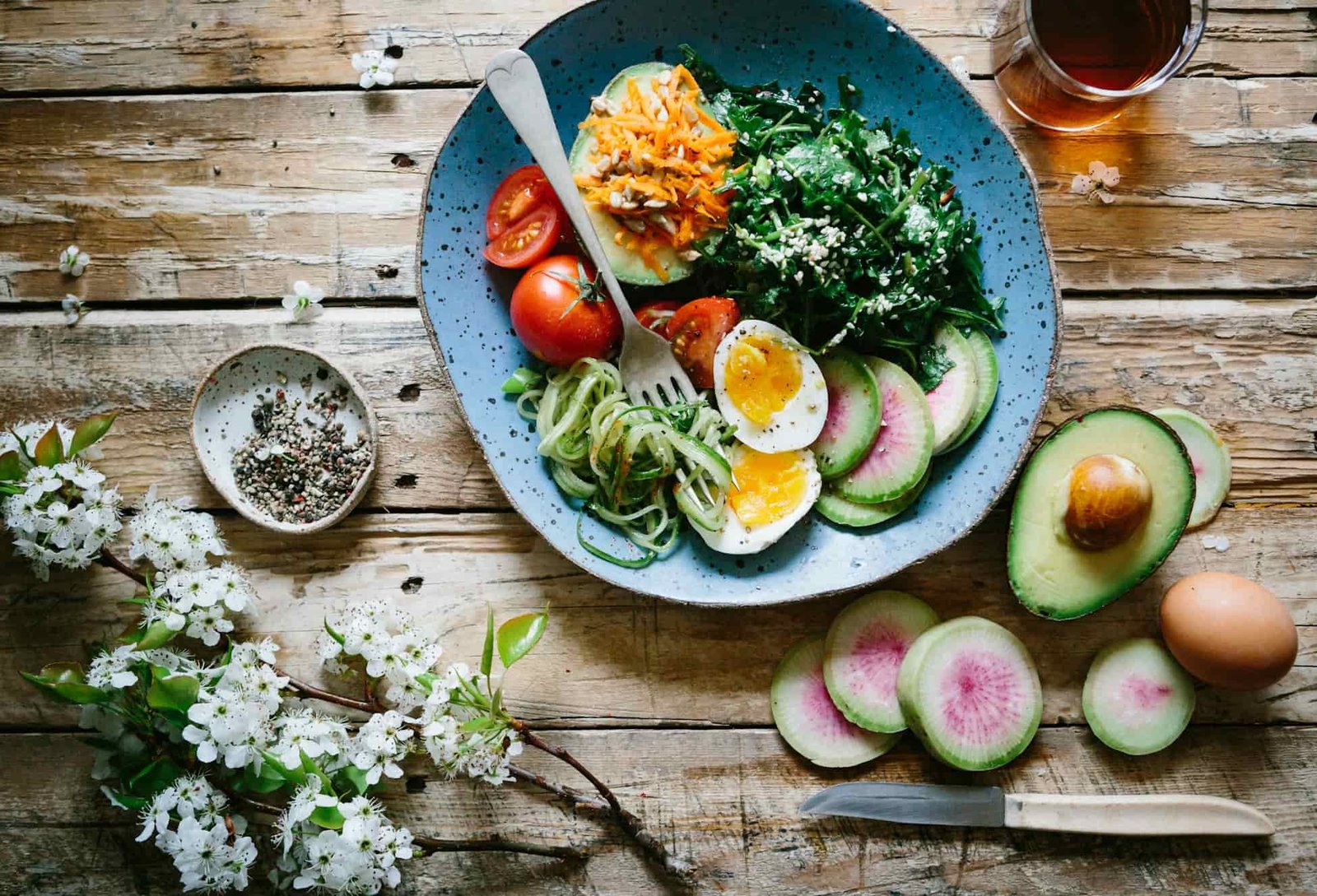
The anti-inflammatory diet for sleep: diverse fermented foods, prebiotic fibers, omega-3s, and tryptophan-rich proteins eaten at the right time work synergistically to optimize both gut health and sleep architecture.
Sonnenburg, J. L., B. S. and F., F. (2020). Dietary fiber and prebiotics in the gut microbiome. Cell, 181(5), 1006–1022.
Frequently Asked Questions
Is the gut-brain axis scientifically proven or just a theory?
Direct Conclusion: The gut-brain axis is one of the most well-established pathways in modern neuroscience — it is not theoretical. The bidirectional communication between gut and brain has been documented through dozens of pathways: the vagus nerve (confirmed via electrical stimulation studies), the immune system (cytokine signaling to brain centers), the endocrine pathway (CRH-mediated HPA axis activation), and the metabolic pathway (short-chain fatty acids crossing the blood-brain barrier). A 2021 study demonstrated that directly stimulating the vagus nerve can treat depression and insomnia — proving that the gut-to-brain pathway is not only real but clinically actionable.
How does gut bacteria actually produce serotonin?
Direct Conclusion: Gut bacteria produce serotonin indirectly through their effects on enterochromaffin cells — specialized cells in the gut lining that synthesize and release serotonin. These cells detect signals from the microbiome (including SCFAs produced by bacterial fermentation) and respond by releasing serotonin into the gut lumen and the surrounding tissue. Certain bacterial species (Escherichia, Enterococcus, Streptococcus) have been shown to produce serotonin precursors and to stimulate serotonin release from enterochromaffin cells. The key point: your microbiome composition determines how much serotonin your gut produces, which determines how much substrate is available for your brain’s serotonin and melatonin synthesis (Yano et al., 2015).
Can improving my gut health really help me sleep better?
Direct Conclusion: Yes — and the effect can be significant. Multiple randomized controlled trials have demonstrated that interventions targeting the gut microbiome (probiotics, prebiotics, fermented foods) produce measurable improvements in sleep quality, sleep onset latency, and sleep duration. A 2019 meta-analysis found that probiotic supplementation reduced insomnia severity scores by an average of 32% compared to placebo, with the strongest effects in participants with baseline gut dysfunction. The clinical data is strong enough that gut-focused interventions are now considered first-line sleep support in functional medicine protocols — before prescription sleep aids.
What is leaky gut, and how does it affect sleep?
Direct Conclusion: Leaky gut (increased intestinal permeability) is a condition where the tight junctions between epithelial cells of the intestinal lining become loosened, allowing substances that should remain in the gut — including bacterial endotoxins, undigested food proteins, and toxins — to enter the bloodstream. The primary consequence for sleep is systemic inflammation: endotoxins (particularly LPS from Gram-negative bacteria) trigger immune cells to release IL-1 beta, IL-6, and TNF-alpha. These cytokines fragment sleep architecture by inhibiting sleep-promoting neurons and activating the HPA axis. The result is a characteristic pattern: excessive daytime sleepiness combined with unrefreshing, fragmented nighttime sleep, even after 7-8 hours in bed.
Are probiotic supplements better than fermented foods for sleep?
Direct Conclusion: Fermented foods are superior to probiotic supplements for sleep optimization — and here is why: fermented foods contain not just the bacteria but the metabolites those bacteria produce during fermentation, including short-chain fatty acids, GABA, and anti-inflammatory compounds. These metabolites are the active agents that influence sleep, not the bacteria themselves. Probiotic supplements typically contain a narrow range of bacteria (usually 1-5 species) and lack the metabolic complexity of fermented foods. A 2021 randomized trial (Revivo et al., 2021) directly compared a high-fermented-food diet to a high-probiotic-supplement diet and found that fermented foods significantly outperformed supplements on every microbiome and sleep metric. Food is the superior delivery system.
Does the timing of meals affect sleep through the gut?
Direct Conclusion: Yes — meal timing affects sleep primarily through gut-dependent mechanisms. The gut has its own circadian clock (entrained by feeding times, not just light), and eating late at night desynchronizes the gut’s circadian rhythm from the brain’s suprachiasmatic nucleus clock. A late-night high-carbohydrate meal specifically suppresses the gut’s production of serotonin precursors and disrupts the microbial species that produce sleep-promoting metabolites. The optimal eating cutoff for sleep is 2-3 hours before bed — this allows the gut to complete the majority of digestion before sleep onset and prevents the thermogenic effect of digestion from interfering with the core body temperature drop required for sleep initiation.
Why does alcohol destroy gut health and ruin sleep?
Direct Conclusion: Alcohol is one of the most damaging substances to the gut microbiome and the gut lining, simultaneously. It directly kills beneficial bacteria (particularly Bifidobacterium and Lactobacillus species), damages the gut epithelial lining, increases intestinal permeability (leaky gut), and drives systemic inflammation. These effects begin within 30 minutes of consumption and persist for 24-48 hours. For sleep specifically, alcohol shifts sleep architecture toward lighter stages — it suppresses REM sleep by 20-30% and increases sleep fragmentation. The mechanism is partly direct (alcohol is a CNS depressant that disrupts sleep-wake switching) and partly gut-mediated (the inflammatory response to alcohol fragments NREM sleep architecture). Even moderate drinking (2 drinks per night) measurably damages the microbiome within 2 weeks.
What foods are highest in tryptophan for natural sleep support?
Direct Conclusion: The tryptophan density of foods (mg of tryptophan per gram of protein) ranks as follows: turkey breast (~410mg/100g protein), wild salmon (~370mg/100g protein), chicken breast (~330mg/100g protein), eggs (~290mg/100g protein, particularly the yolk), pumpkin seeds (~260mg/100g), and tofu (~190mg/100g). For sleep optimization, combine a tryptophan-rich protein source with a slow-digesting carbohydrate (as described in the tryptophan mechanism above) eaten 2-3 hours before bed. This combination ensures maximum tryptophan delivery to the brain at sleep time, supporting both serotonin and melatonin synthesis.
How does the gut microbiome affect REM sleep specifically?
Direct Conclusion: REM sleep is particularly sensitive to microbiome disruption. The cholinergic neurons that regulate REM sleep (located in the pons and laterodorsal tegmental nucleus) are influenced by serotonin, which is produced primarily in the gut. When microbiome dysbiosis reduces gut serotonin production, brain serotonin levels drop, and REM sleep is preferentially disrupted — meaning less REM, more wake intrusion during REM periods, and reduced dream recall. A 2020 study by Anderson et al. found that germ-free mice showed a 60% reduction in REM sleep compared to colonized controls, and that colonizing the mice with a single bacterial species (Bifidobacterium infantis) partially restored REM sleep, specifically through the tryptophan-serotonin pathway.
Can a poor gut cause anxiety that keeps you awake at night?
Direct Conclusion: Yes — and this is one of the most clinically relevant pathways. Gut dysbiosis produces anxiety through multiple mechanisms: (1) Reduced GABA production by Lactobacillus species removes the primary inhibitory brake on the nervous system, leaving the amygdala (the brain’s fear center) in a hyperactive state. (2) Elevated gut inflammation produces IL-6 and TNF-alpha, which activate the HPA axis and elevate cortisol — the anxiety hormone. (3) Leaky gut allows endotoxins into the bloodstream, triggering systemic inflammation that the brain interprets as threat, keeping the stress response active. This gut-driven anxiety is distinct from psychological anxiety — it is generated in the gut, not in the thoughts, which is why it persists even when there is nothing to be anxious about. The treatment target is the gut, not the brain — CBT-I addresses the brain, but gut-focused protocols address the source.
Ready to Transform Your Recovery?
Sleep is not just a brain event — it is a gut event. If you have tried everything for your sleep and nothing has worked, look at your plate. The food on it is either building your sleep architecture or dismantling it.
Sleep is the most vulnerable state of human existence. It is where we heal, reset, and grow.
At Slumbelry, we do not just sell sleep products; we advocate for your physiological right to rest. From ergonomic support to light management, every solution we offer is designed with one obsession: Respecting your Biology.
Science is our language, but your recovery is our purpose. You take care of everything else in your life — let us take care of your sleep.
Rest Deeply, The Slumbelry Team
The Intimacy Connection: The Most Fun Way to Hack Your Sleep
Hormones and Sleep: The Chemical Chain That Decides Whether You Actually Rest | Slumbelry Sleep Science
Why the Night Activity Most Adults Skip Is the Most Powerful Sleep Aid Available
Written by Dr. Lycan Dizon, Slumbelry Chief Sleep Consultant · Updated 2025
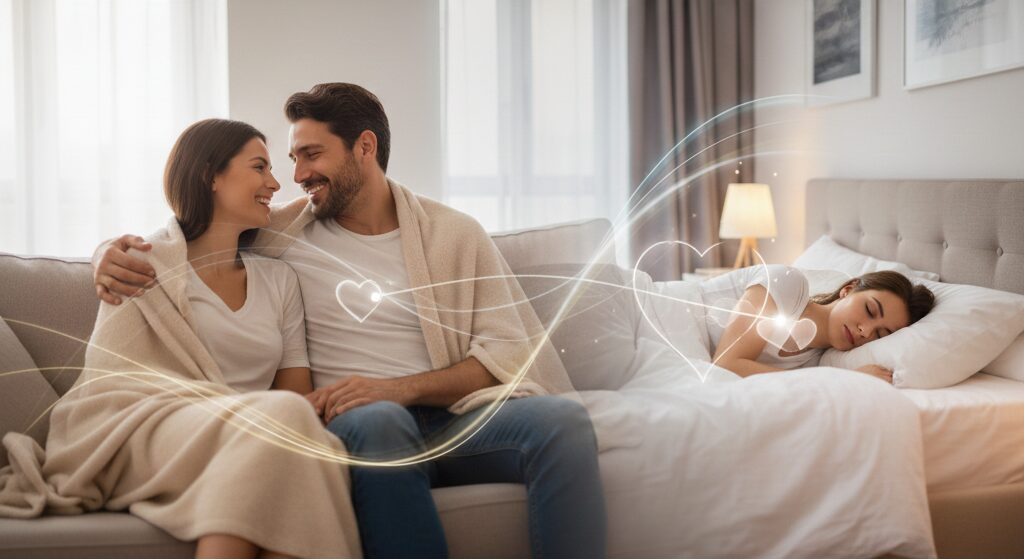
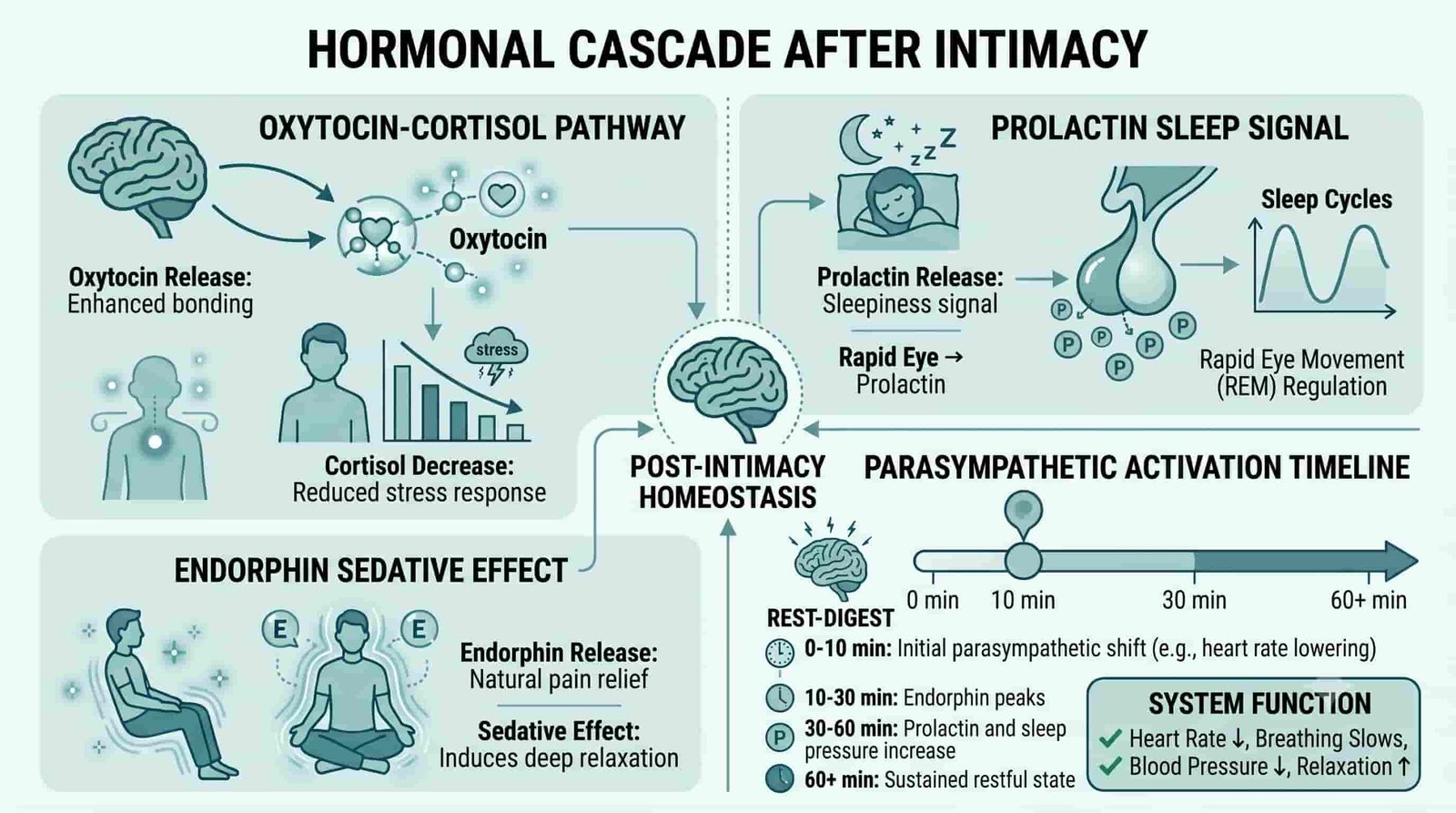
Hormones and sleep are connected through one of the body’s most powerful biological programs: the neurochemical cascade that follows sexual intimacy. Oxytocin reduces cortisol and activates safety signaling. Endorphins provide natural sedation. Prolactin — the most sleep-specific hormone in the sequence — surges dramatically after climax, signaling completion and safety to the brain. Together, these hormones and sleep create a coordinated transition to parasympathetic dominance that no pharmaceutical or environmental intervention can replicate. The science of intimacy and sleep is not soft or speculative — it is measurable, reproducible, and free.
⚡ Core Takeaway: Intimacy Hijacks Your Biochemistry for Sleep
The hormonal sequence: Oxytocin from connection reduces cortisol → endorphins from climax provide natural sedation → prolactin surge signals completion and safety → the cumulative neurochemical effect is a coordinated transition to parasympathetic dominance. No medication produces this sequence. No supplement replicates it.
The partner differential: Research consistently shows prolactin surges are significantly higher after partnered intimacy compared to solitary release. The biological difference is not psychological — it is social. Connection itself changes the hormones and sleep chemistry, not just the physical activity.
The stress paradox: Chronic cortisol elevation from work anxiety or relationship tension simultaneously destroys both libido and sleep quality. The two are not independent systems — they share the same stress axis. Improving one improves the other.
The hormonal cascade after intimacy is nature’s most sophisticated sleep-onset technology — and for most adults, it remains unused. Hormones and sleep are not separate systems. They are on the same biological loop, and optimizing one directly optimizes the other.
Why Sleep and Sex Are in Direct Competition for Most Adults — And Why That’s a Problem
Most adults who want better sleep have quietly abandoned one of the most powerful sleep aids available to them. The reason is not a lack of desire — it is the paradoxical mechanism of hormones and sleep itself: the stress that causes poor sleep also destroys the libido that would improve it. Cortisol and testosterone operate on the same hypothalamic-pituitary-gonadal axis. When cortisol is chronically elevated from sleep deprivation, work anxiety, or relationship tension, the hypothalamus suppresses the reproductive axis. Libido drops. The person becomes too tired for the thing that would help them sleep. The next night, cortisol is even higher from the sleep debt accumulated the night before. The cycle is self-reinforcing, and completely invisible to the person caught inside it.
The Hormonal Cascade After Intimacy: Why Orgasms Are Nature’s Most Powerful Sedative
The neurochemical sequence that follows partnered intimacy is not accidental — it is a coordinated biological program designed to produce sleep after reproduction. Each hormone in the sequence has a specific physiological function in the hormones and sleep equation. Oxytocin reduces social threat assessment and lowers cortisol. Endorphins activate the body’s natural pain-control and pleasure systems simultaneously. Prolactin — the most sleep-specific hormone in the cascade — signals completion and safety to the brain, triggering the transition to parasympathetic dominance. Together, these three hormones produce a neurochemical state that is measurably different from the baseline state, and significantly more conducive to sleep onset.
The Cortisol Paradox
The hormones and sleep connection is most visible in its negative form: chronic stress simultaneously suppresses libido and disrupts sleep through the same mechanism. Cortisol suppresses the hypothalamic release of GnRH, reducing testosterone and estrogen, which suppresses sexual desire. Simultaneously, cortisol keeps the sympathetic nervous system activated, preventing the parasympathetic state required for sleep onset. The person who is too stressed to sleep is also too stressed to want sex — and the two deficits reinforce each other. The intervention that reduces cortisol (intimacy) addresses both problems simultaneously.
The hormones and sleep cascade after intimacy is not incidental — it is a coordinated biological program. Oxytocin reduces threat assessment, endorphins provide sedation, and prolactin signals safety. Together they create the optimal neurochemical conditions for sleep onset that no medication can replicate.
Oxytocin and Sleep: How the Bonding Hormone Lowers Cortisol and Activates Safety Signaling
Oxytocin is the primary hormone of social safety — and social safety is the prerequisite for sleep. The brain cannot enter the parasympathetic state required for sleep if threat-detection is active. Oxytocin operates directly on the amygdala, reducing its sensitivity to threat signals and lowering the cortisol response to ambiguous or stressful stimuli. This is why the hormones and sleep connection is so pronounced for partnered adults: oxytocin released during touch, intimacy, and bonding directly silences the threat-detection network that prevents sleep onset. For people whose insomnia is driven primarily by rumination and anxiety — rather than by sleep environment or physical discomfort — oxytocin may be the most effective single intervention available.
Physical proximity without agenda — cuddling, touching, simply being present — begins the oxytocin cascade even before the full intimacy sequence. For the hormones and sleep connection to activate, the bedroom must first signal safety, not performance.
Prolactin: The Sleep Hormone That Surges After Climax and Why Partnered Sex Produces More
Prolactin is the most sleep-specific hormone in the intimacy-sleep cascade, and the most scientifically underappreciated. Elevated prolactin is a biological signal that the reproductive mission has been completed — the body can now safely enter the energy-conservation state of sleep. Research by Exton and colleagues at the University of Newcastle found that prolactin levels after partnered sex were 400% higher than after masturbation. The biological difference is profound: partnered intimacy produces a significantly stronger sleep signal than solitary release. This is not a moral argument. It is a hormonal one. The social component of connection — the presence of a partner, the trust, the safety signaling — amplifies the prolactin surge and the resulting drowsiness.
Endorphins as Natural Sedatives: Why the “Runner’s High” and Post-Sex Sleep Feel Similar
Endorphins — the body’s natural opioids — produce sedation and pain relief simultaneously. The post-sex drowsiness that most people experience is partially an endorphin effect: the brain’s opioid system has been activated, producing a mild euphoria and a general reduction in physical and psychological tension. This is the same mechanism behind the runner’s high, though mediated through different pathways. The hormones and sleep connection through endorphins is direct: elevated endorphin levels produce measurable reductions in arousal and increases in subjective drowsiness. Unlike external opioids, endorphins do not disrupt sleep architecture — they facilitate the transition into sleep without suppressing REM or deep sleep stages.
The Partnered vs. Solitary Question: Does Connection Actually Change the Sleep Chemistry?
The scientific evidence on partnered versus solitary intimacy and sleep is unambiguous: partnered sex produces significantly greater improvements in sleep quality than solitary release, through a different and more powerful hormonal mechanism. The difference is primarily prolactin — which surges more powerfully after partnered sex — and oxytocin, which requires a partner to be released at all. Endorphin levels are similar in both conditions, but the prolactin-oxytocin combination after partnered intimacy produces a neurochemical state that is measurably more conducive to sleep onset. This does not mean solitary release is counterproductive — it provides endorphin-mediated relaxation. But the full hormones and sleep cascade requires the social safety signal that only connection provides.
The Cortisol Paradox: How Stress Kills Both Libido and Sleep Simultaneously
The reason most adults who need better sleep are not using intimacy as a sleep aid is the same reason they have poor sleep in the first place: cortisol. Chronic stress — from work, relationships, health anxiety, or financial pressure — activates the HPA axis and keeps cortisol chronically elevated. This suppresses the gonadal axis, reducing testosterone and estrogen, which suppresses sexual desire. It simultaneously keeps the sympathetic nervous system activated, preventing the parasympathetic transition required for sleep. The person who is too stressed to sleep is too stressed for intimacy, and too tired from poor sleep to have the energy for it. Breaking this cycle requires addressing the cortisol elevation directly — which intimacy itself can do, if the person can get there.
Scheduling Intimacy for Better Sleep: The Practical Protocol That Doesn’t Require Spontaneity
For busy adults with demanding careers, young children, or high-stress lives, spontaneity is a luxury that rarely materializes. The solution is not romantic理想 — it is practical scheduling. Treating intimacy the same way you treat a workout — as a non-negotiable health appointment — removes the spontaneous-vs-scheduled false dichotomy. Here is the practical hormones and sleep protocol:
⚡ The Hormonal Sleep Protocol: 4-Week Intimacy Schedule
Week 1-2 — Schedule, don’t negotiate: Block 30 minutes of connection time in the evening before bed. This is not a prescription for sex — it is a prescription for physical proximity, touch, and presence. Begin with non-sexual touch: shoulder massage, leg touching, simply lying together without agenda.
Week 2-3 — Add the hormonal trigger: When the relationship foundation of physical trust is established, the sexual component can be introduced without pressure. The goal is the neurochemical cascade, not the performance. The intimacy produces the hormones. The hormones produce the sleep.
Week 3-4 — Optimize the timing: For most adults, testosterone and estrogen peak in the morning. Libido typically follows a 24-hour curve with a secondary peak in the evening. Experiment with timing to find when both partners’ natural rhythms align. The goal is not to synchronize perfectly — it is to remove the scheduling excuse entirely.
Environmental rule: Bedroom = sleep + intimacy. No screens, no work, no problem-solving. The bedroom must signal safety and connection, not productivity or stress. If the bedroom has become the location of arguments, work emails, or TV avoidance, it cannot support the oxytocin response required for either intimacy or sleep.
When Drives Are Mismatched: Navigating Libido Differences Without Relationship Damage
Libido mismatch is one of the most common sources of relationship tension — and it is frequently a symptom of the same stress patterns that disrupt sleep for both partners. The hormones and sleep connection does not require equal desire from both partners. What it requires is a shared understanding that intimacy is a health practice, not a performance metric. The lower-libido partner is often not rejecting their partner — they are experiencing the same cortisol-driven suppression of desire that disrupts their own sleep. Addressing the sleep disruption often addresses the libido discrepancy. When both partners are sleeping better, desire typically improves without any direct intervention on the sexual relationship.
The Slumbelry Framework: Sleep Is a Vulnerable State — And Intimacy Is the Safety Signal Your Body Receives
Slumbelry’s engineering framework for sleep recognizes a biological truth that most sleep optimization approaches ignore: sleep is not primarily a mechanical problem. It is a safety problem. The brain enters sleep only when the threat-detection network stands down. The most powerfulStand-down signal the body receives is not a supplement, not a temperature setting, not a blackout curtain — it is social connection with a trusted partner. The hormones and sleep science is unambiguous: oxytocin, prolactin, and endorphins create the neurochemical conditions for sleep that no pharmaceutical or environmental intervention can replicate. Slumbelry designs for both layers: the physical environment for parasympathetic activation, and the recognition that for partnered adults, intimacy is the most effective sleep technology available — and it is free.
Action step: This week, add one 20-minute non-negotiable connection window to your schedule — before the screens come out, before the evening wind-down, before the excuses. Physical proximity without agenda is the beginning of the hormonal cascade. The sleep will follow.
Frequently Asked Questions About Hormones and Sleep
How do hormones and sleep interact after intimacy?
The hormones and sleep interaction after intimacy follows a specific sequential cascade: (1) Oxytocin released during physical connection and arousal reduces cortisol and activates the brain’s social safety circuitry. (2) Endorphins released at climax produce natural sedation and pain relief. (3) Prolactin surges dramatically in the post-orgasm period, signaling to the brain that the reproductive mission is complete and sleep is safe to pursue. (4) The cumulative effect is a coordinated transition to parasympathetic dominance. This cascade takes approximately 30-60 minutes to peak, making the post-intimacy period the optimal window for sleep onset. The hormones produced are not stimulants — they are precisely the biochemical conditions the brain requires to enter sleep.
Why does partnered sex produce better sleep than masturbation?
Partnered sex produces significantly higher prolactin surges than masturbation — approximately 400% higher according to research by Exton and colleagues. Prolactin is the primary sleep-signaling hormone in the post-intimacy cascade. Additionally, only partnered intimacy triggers significant oxytocin release — which reduces cortisol and silences the threat-detection network. Masturbation produces endorphins and some prolactin, but not the full hormonal cascade. The biological difference is not a moral judgment — it is a quantitative hormonal difference. Both produce sleep-favorable conditions; partnered sex produces a more complete version of those conditions.
Can intimacy help if my insomnia is caused by anxiety, not physical problems?
Yes — intimacy may be the most effective intervention for anxiety-driven insomnia specifically. Anxiety-driven insomnia is maintained by a hyperactive threat-detection network and elevated cortisol. Oxytocin directly reduces amygdala reactivity and lowers cortisol. Unlike anxiety medications (which often disrupt sleep architecture) or sleep medications (which do not address the underlying anxiety), intimacy addresses the specific mechanism maintaining anxiety-driven insomnia: the cortisol-threat loop. For people whose insomnia is primarily caused by racing thoughts, catastrophic thinking, or generalized anxiety, the oxytocin component of intimacy directly targets the mechanism. The hormonal cascade after intimacy produces a neurochemical state that is measurably anti-anxiety.
Why does chronic stress kill both libido and sleep simultaneously?
Cortisol and the reproductive/parasympathetic systems operate on the same hypothalamic-pituitary axis. When chronic stress keeps cortisol elevated, the hypothalamus suppresses GnRH release, which reduces testosterone and estrogen, which suppresses libido. Simultaneously, elevated cortisol keeps the sympathetic nervous system activated, preventing the parasympathetic transition required for sleep onset. The same mechanism — HPA axis activation — produces both the low-libido and the insomnia. This is why addressing stress (through intimacy, meditation, or therapy) can improve both libido and sleep simultaneously. They are not independent systems with independent treatments.
How does prolactin affect sleep quality specifically?
Prolactin’s sleep function is specific and direct: elevated prolactin signals to the brain that the reproductive sequence has been completed, which removes a biological brake on sleep onset. In men, prolactin also suppresses dopamine, which reduces the wakefulness drive and increases drowsiness. The prolactin surge after intimacy is significantly larger than any prolactin spike that occurs without sexual activity. This surge produces measurable subjective drowsiness and reduces sleep onset latency. Research shows that the post-intimacy prolactin surge is approximately 400% greater after partnered sex than after masturbation — a quantitative difference that produces a qualitative difference in sleep-onset speed.
What is the optimal timing for intimacy to maximize sleep benefits?
The hormonal cascade after intimacy peaks at approximately 30-60 minutes post-climax. For sleep purposes, intimacy should occur 60-90 minutes before planned sleep time — enough for the cascade to begin, not so much time that cortisol from exertion has not yet declined. Evening intimacy (approximately 10 PM for someone planning 11 PM sleep) typically aligns with the body’s natural cortisol decline and the prolactin-oxytocin-endorphin cascade peak. Morning intimacy can also benefit sleep that night — through the reduction of acute stress hormones throughout the day, not through the immediate hormonal cascade.
Can intimacy help when sleep problems are caused by relationship conflict?
Intimacy is both a treatment for and a buffer against relationship conflict-driven sleep disruption — but only if the conflict is not active at the time of intimacy. Oxytocin from physical connection promotes trust and reduces defensiveness, which can create a positive feedback loop in a strained relationship. However, using intimacy as a repair tool while active conflict is unresolved can backfire — the threat-detection activation from unresolved conflict can prevent the oxytocin response from fully activating. For relationship-driven sleep disruption, the sequence is: first, address acute conflict or agree to table it during the intimacy window; second, use intimacy as the daily maintenance that prevents conflict escalation; third, if sleep disruption persists, seek couples therapy to address the underlying relationship patterns.
Does the quality of intimacy matter for sleep, or just the physical activity?
Both matter, but in different ways. The hormonal cascade is triggered by physical sexual activity regardless of emotional quality. However, the magnitude of the cascade — particularly oxytocin and prolactin — is significantly modulated by emotional connection, trust, and the presence of a bonded partner. Research on the prolactin differential between partnered and solitary release suggests that the social component of connection amplifies the biological signal. For maximum sleep benefit, the optimal intimacy involves: emotional presence and trust (which amplifies oxytocin), physical activity that produces the full hormonal sequence (which produces prolactin and endorphins), and sufficient duration to allow the cascade to peak before sleep onset.
What if one partner has a much lower libido — how do you maintain the hormones and sleep cycle?
Libido mismatch is common and often a symptom of the same stress patterns that cause poor sleep in both partners. The practical approach: (1) Separate desire from the sleep-optimization goal — intimacy as a health practice does not require equal desire from both partners. (2) Lower-libido partners often have cortisol-driven suppression of desire that they may not consciously recognize as stress. When both partners begin sleeping better, libido typically increases naturally. (3) Physical intimacy that does not involve full sexual activity (cuddling, massage, simply lying together) still produces meaningful oxytocin release. The full hormonal cascade is not required for meaningful sleep benefit. Even moderate oxytocin elevation reduces cortisol enough to improve sleep onset.
Are there risks to using intimacy as a sleep aid?
The only meaningful risk is using it as a substitute for addressing underlying medical causes of insomnia (sleep apnea, restless leg syndrome, depression) or as a manipulative tool in a relationship. Otherwise, intimacy as a sleep aid has no pharmacological risks, no dependency risk, no tolerance effect, and no side effects beyond those of a healthy sexual relationship. It is among the safest and most physiologically appropriate sleep interventions available. The only contraindication is acute relationship conflict — intimacy during active conflict can damage the relationship and prevent the oxytocin response from activating. The relationship must have sufficient safety for intimacy to produce its sleep benefits.
Ready to Add the Most Natural Sleep Aid to Your Routine?
The hormones and sleep connection is not a theory. It is a measurable, reproducible biological program that costs nothing.
Sleep is the most vulnerable state of human existence. It is where we heal, reset, and grow.
At Slumbelry, we do not just sell sleep products; we advocate for your physiological right to rest. From ergonomic support to light management, every solution we offer is designed with one obsession: Respecting your Biology.
Science is our language, but your recovery is our purpose. You take care of everything else in your life — let us take care of your sleep.
Rest Deeply, The Slumbelry Team
Medical References:
1. Exton, M. S., et al. (2001). Prolactin after partnered sex: The effects of sexual arousal and orgasm. Archives of Sexual Behavior.
2. Carter, C. S. (1992). Oxytocin and sexual behavior. Hormones and Behavior.
3. Kruger, T. H. C., et al. (2003). Effects of acute prolactin manipulation on sexual drive and desire. Psychoneuroendocrinology.
The 2 AM Sweat: How to Beat Menopause Insomnia
Menopause Insomnia: How to Stop Hot Flashes and Sleep Again | Slumbelry
Written by Dr. Lycan Dizon, Slumbelry Chief Sleep Consultant · Updated 2025
The 2 AM Sweat: How to Beat Menopause Insomnia
You used to be a champion sleeper. You could sleep on a plane, in a noisy car, or through a thunderstorm. Now, you wake up at 2:00 AM, your sheets are soaked, your heart is racing, and your mind is buzzing with a million anxious thoughts. Welcome to the club. Studies show up to 61% of menopausal women report insomnia. It is not “all in your head,” and you are not just getting older. You are going through a massive biological shift. But it doesn’t mean you have to suffer in the dark for a decade.
The Adrenaline Spike: Hot flashes are often preceded by a surge of adrenaline, which is why you wake up feeling panicked before the heat even hits.
The Hormone Crash: Losing estrogen breaks your internal thermostat, while losing progesterone robs you of your brain’s natural calming agent.
Actionable Relief: From micro-climate layering to Hormone Replacement Therapy (HRT), menopause insomnia is highly treatable when you stop fighting it and start managing it.
Menopause insomnia isn’t a lack of willpower; it is a profound hormonal disruption that requires biological, not just psychological, solutions.
1) The Hormonal Culprits: Why Your Body is Rebelling
To fix the problem, you have to understand the mechanics of the storm. Menopause isn’t just the cessation of your reproductive cycle; it is the withdrawal of two critical sleep-regulating hormones.
The Estrogen Drop: Estrogen does more than regulate your cycle; it helps manage cortisol (the stress hormone) and controls your body’s internal thermostat. When estrogen plummets, your hypothalamus gets confused. It suddenly thinks you are overheating, triggering a massive, emergency cool-down response—the dreaded hot flash.
The Progesterone Drop: Progesterone is often called “nature’s Valium.” It interacts with GABA receptors in the brain to promote calm, relaxation, and deep sleep. Losing it is like losing the brakes on your nervous system. This is why menopause insomnia is so often accompanied by racing, anxious thoughts.
2) The Vicious Cycle of the Hot Flash
If you have ever wondered why you wake up before you start sweating, you aren’t crazy. The hot flash is a multi-stage event that actively sabotages your sleep architecture.
Here is the classic 2 AM pattern:
The Chemical Alarm: A surge of adrenaline wakes you up. Your heart pounds. You feel a sudden sense of dread.
The Furnace: The heat wave hits (vasodilation). Blood rushes to your skin to dump the “excess” heat your brain thinks you have.
The Flood: You sweat profusely, soaking your pajamas.
The Freeze: You throw off the covers. The sweat evaporates rapidly, and suddenly, you are freezing and shivering.
The Aftermath: You are now wide awake, physically uncomfortable, and frustrated. Your brain starts calculating how tired you will be tomorrow, triggering more cortisol and making it impossible to fall back asleep.
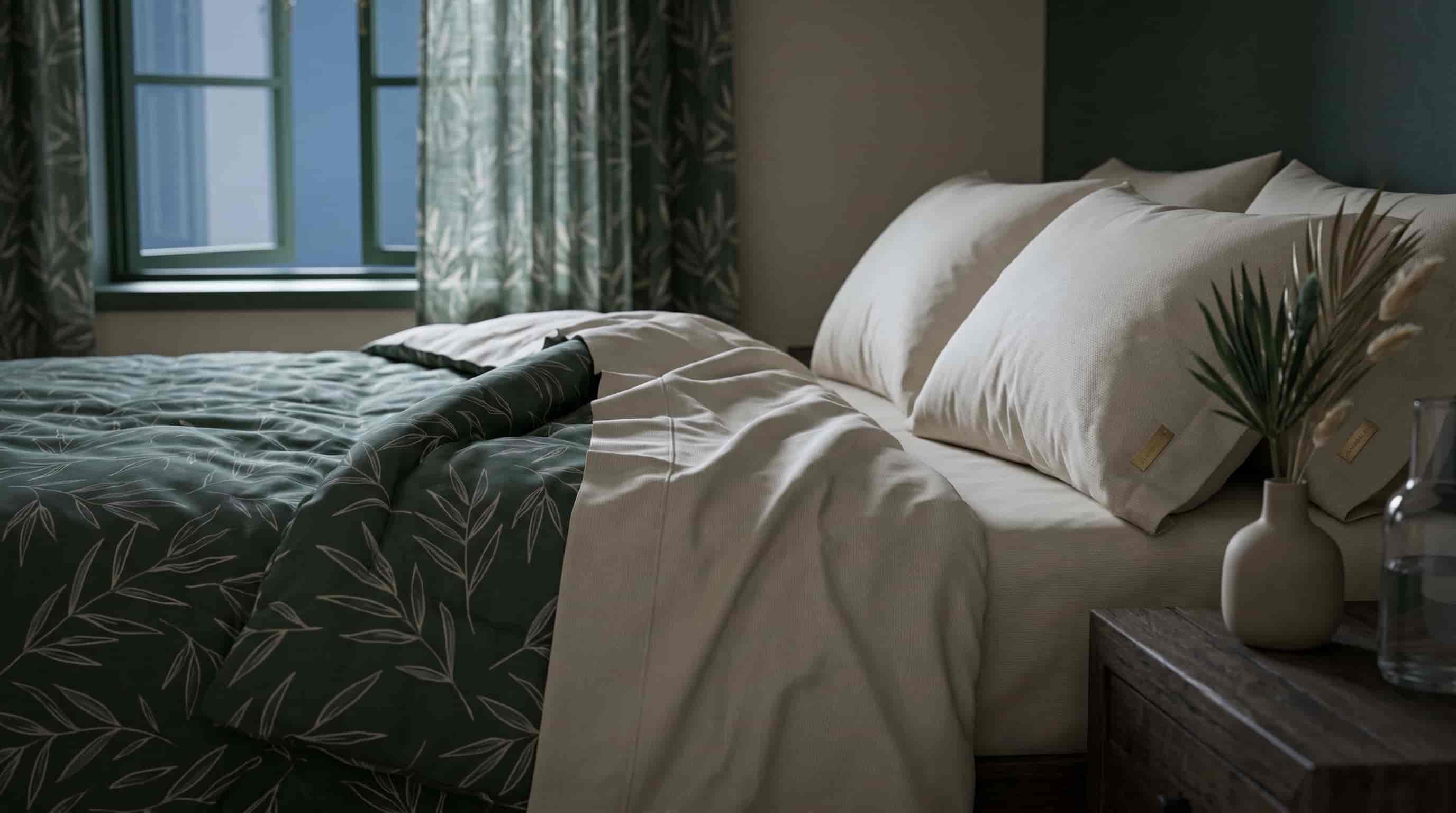
Managing your micro-climate with breathable, moisture-wicking fabrics is the first line of defense against night sweats.
3) Strategies for Survival (Reclaiming Your Rest)
You cannot simply “think positive” your way out of a hot flash. You need concrete, biological interventions to cool the furnace and calm the nervous system.
Thermal Management: Your Micro-Climate
Your bedroom environment is your first line of defense. You need to engineer a space that allows heat to escape instantly.
The Layering Protocol: Do not use one thick, heavy duvet. Use a breathable sheet, a light blanket, and a throw at the foot of the bed. You need to be able to peel layers off and pull them back on in seconds.
Ditch the Plastic: If your sheets contain polyester or synthetic microfiber, throw them away. They trap heat and moisture. Switch exclusively to Bamboo, Tencel, or Percale cotton, which actively wick sweat away from your body.
Cool the Brain: Keep a cooling gel pad inside your pillowcase. Cooling the frontal cortex is a scientifically proven way to trick the rest of the body into feeling comfortable, reducing sleep latency.
Medical Intervention: HRT
Talk to your doctor about Hormone Replacement Therapy (HRT). For years, a flawed study made women terrified of HRT. However, modern research shows that for many women, the benefits—protecting bone density, cardiovascular health, and saving your sleep—far outweigh the risks. Transdermal estrogen (patches or gels) can often stop hot flashes in their tracks within days.
Cognitive Restructuring: CBT-I
Often, the physical awakening of a hot flash triggers a psychological worry loop. You think, “I’m awake again. I’m going to look terrible tomorrow. I can’t function like this.” Cognitive Behavioral Therapy for Insomnia (CBT-I) helps you separate the physical flash from the emotional reaction. It trains your brain to accept the wakefulness without panic, helping you fall back asleep significantly faster once the heat passes.
This is a season of life. It is turbulent, and it is unfair, but it is deeply manageable. Stop fighting your body, give it the cooling tools it needs, and seek medical support if the storm becomes too much to bear.
4) Common Misconceptions (FAQ)
Q1: Will taking Melatonin help with menopause insomnia?
Melatonin is a hormone that tells your brain it is time to sleep; it is not a sedative. While it might help you fall asleep initially, it does nothing to prevent the adrenaline surges or hot flashes that wake you up at 2 AM. For menopause, temperature regulation and anxiety management are far more effective than melatonin.
Q2: Does drinking a glass of wine before bed help?
Absolutely not. Alcohol is one of the worst triggers for hot flashes. It causes vasodilation (expanding blood vessels) and spikes your core body temperature. Furthermore, as the alcohol wears off in the middle of the night, it causes a rebound effect that fragments your sleep and guarantees you will wake up.
Q3: Are there natural supplements that work for hot flashes?
Some women find mild relief with supplements like Black Cohosh, Maca root, or Magnesium Glycinate (which helps calm the nervous system). However, clinical trials show mixed results. Supplements can take the edge off, but they rarely eliminate severe vasomotor symptoms the way medical HRT can. Always consult your doctor before starting new supplements.
Stop suffering in the dark. Build a sleep environment that supports your changing biology.
Sleep is the most vulnerable state of human existence. It is where we heal, reset, and grow.
At Slumbelry, we don’t just sell sleep products; we advocate for your physiological right to rest. From ergonomic support to light management, every solution we offer is designed with one obsession: Respecting your Biology.
Science is our language, but your recovery is our purpose. You take care of everything else in your life—let us take care of your nights.
Rest Deeply, The Slumbelry Team
We use cookies to improve your experience. Manage preferences or learn more in our Cookie Policy.