https://slumbelry.com/
×
Slumbelry
HOME SHOP WELLBEING BLOG LOGIN / REGISTER SEARCH CONTACT

For Exhausted Parents: Why Your Child’s Bedtime Routine is Failing

The Complete Toddler Sleep Guide for Exhausted Parents | Slumbelry

For Exhausted Parents: Why Your Child’s Bedtime Routine is Failing (And How to Bio-Hack Their Circadian Rhythm)

⚡ Core Takeaway: Toddler Sleep

  • The Standard: Toddlers need 11-14 hours of total sleep and cannot self-regulate their environment — they depend entirely on you to engineer it.
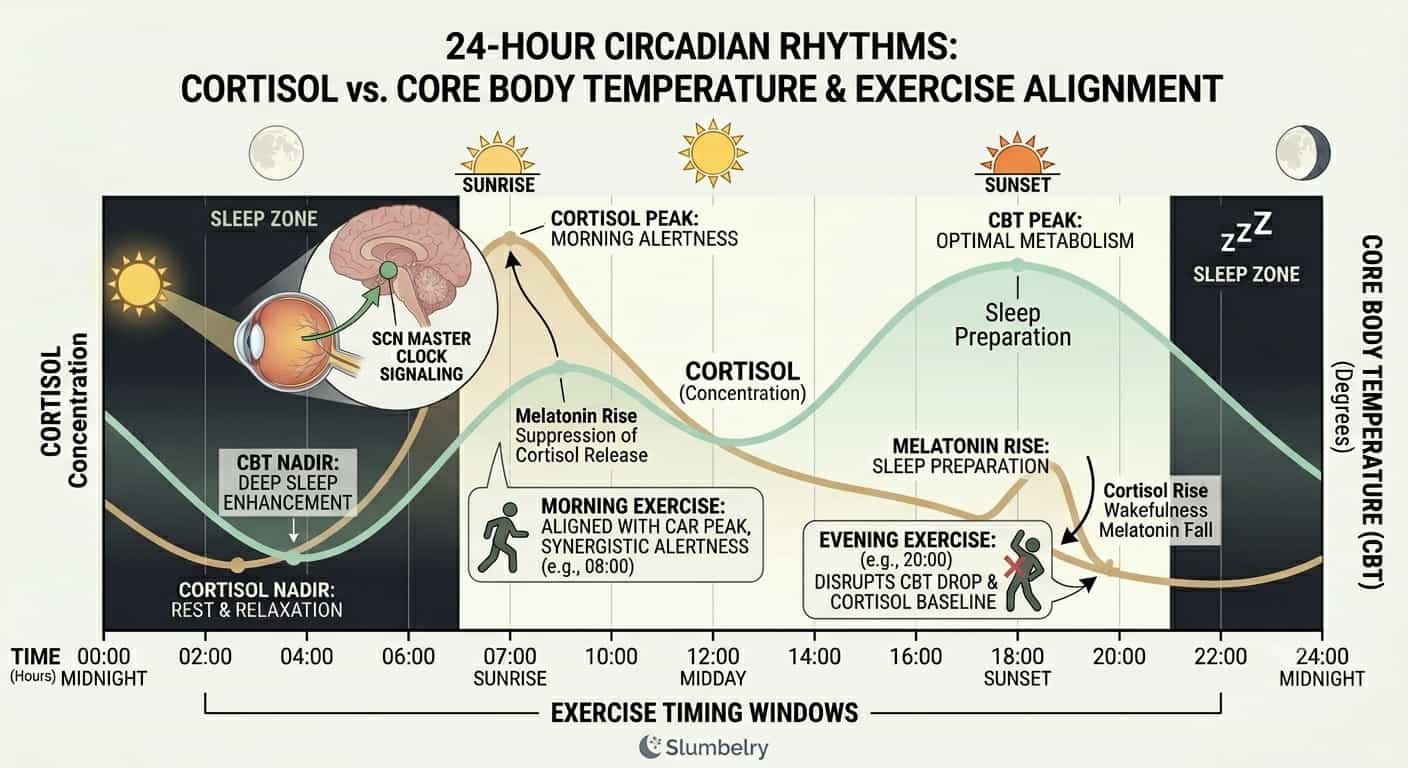
  • The Mechanism: A toddler’s brain requires a precise biological sequence: darkness triggers melatonin, cooler body temperature initiates Deep Sleep, and a 90-minute sensory cool-down prevents the overtired cortisol spike.
  • The Action: Ban screens 90 minutes before bed, keep the room at 65-68°F, and execute the same bedtime routine in the same order every single night.
toddler sleep: cover image
Cover image for toddler sleep

For Exhausted Parents: Why Your Child’s Bedtime Routine is Failing (And How to Bio-Hack Their Circadian Rhythm)

If your child isn’t sleeping, you aren’t sleeping. And while the parenting industry is flooded with emotional advice about “cry-it-out” methods or gentle parenting, they often ignore the strict, underlying biology of a developing human brain.

Children are not just small adults. Their sleep architecture is vastly different. A toddler’s brain is undergoing massive neuroplasticity, requiring immense amounts of Deep Sleep to release growth hormones and REM sleep to consolidate new neural pathways. You cannot negotiate with a child’s circadian rhythm. You must engineer their environment to trigger their biological sleep sequence.

Quick Answer:
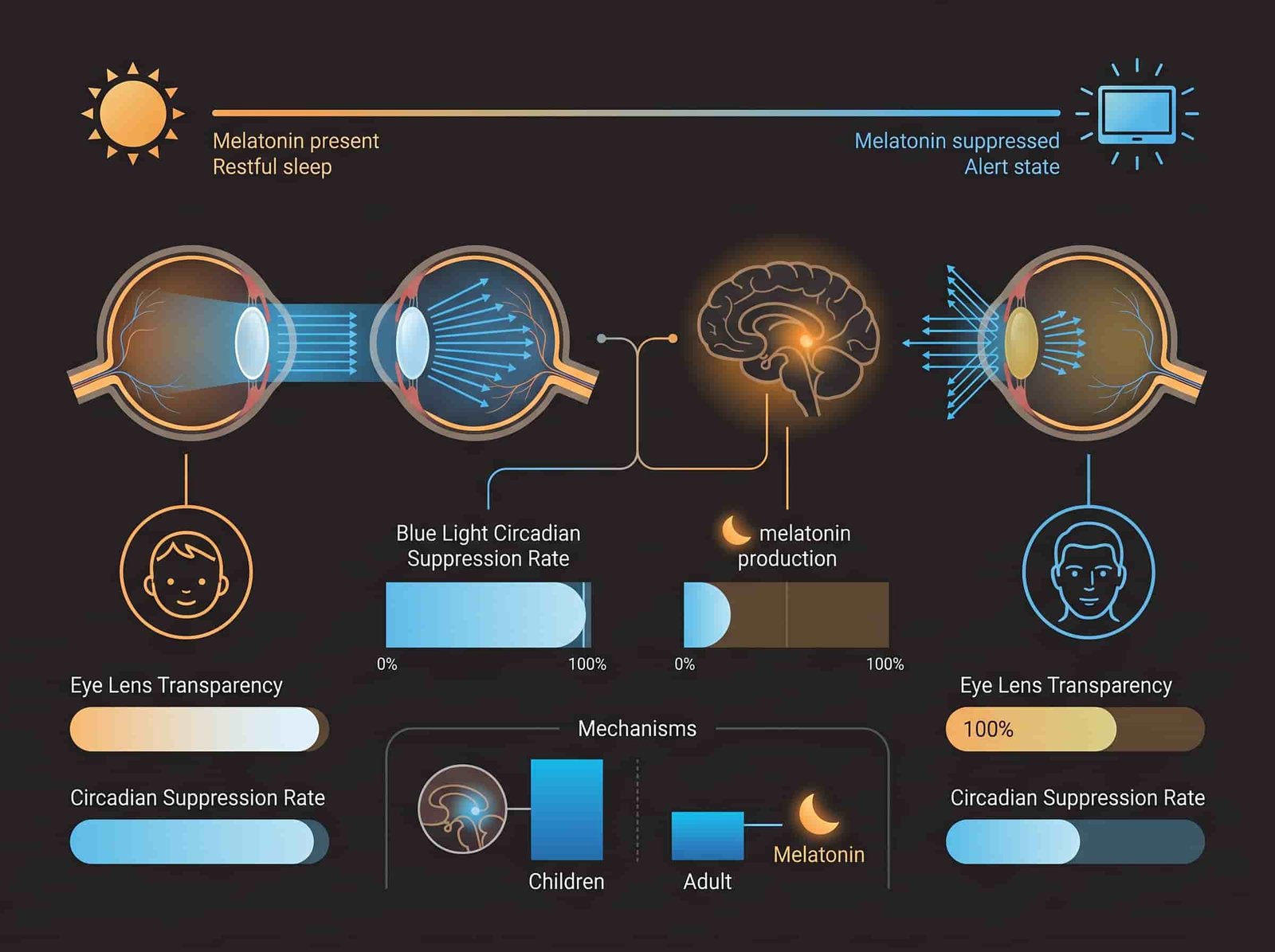
  • A child’s eyes are highly transparent to blue light, suppressing their melatonin production at twice the rate of adults.
  • Bundling children in heavy pajamas prevents the core body temperature drop required to initiate Deep Sleep.
  • Children lack executive function and require a strict 90-minute sensory cool-down to down-regulate their nervous systems.

Why is an iPad destroying your child’s melatonin production?

Direct Answer: A child’s pupils are larger and their eye lenses are more transparent, making them hypersensitive to the melatonin-suppressing effects of blue light.

Mechanism: When you let your child watch cartoons right before bed to “wind down,” you are chemically blasting their brain with a daytime signal. The blue light from the screen hits their suprachiasmatic nucleus, instantly halting the pineal gland’s production of melatonin, leaving them wired, hyperactive, and physically incapable of settling down.

Actionable Advice: Implement an absolute, non-negotiable ban on all screens 90 minutes before their target bedtime. Dim the overhead lights in the house to mimic a sunset.

You are fighting a losing battle if you try to put a chemically stimulated brain to sleep. Melatonin is the hormone of darkness. If the environment is not dark, the hormone will not deploy.

This includes overhead LED lights. Swap out the bright white bulbs in the nursery or bathroom for warm, amber-toned bulbs that do not emit blue spectrum light. You must control the light environment to control the neurochemistry.

Why does a warm nursery cause night terrors?

Direct Answer: Trapping heat prevents the mandatory core body temperature drop required for the brain to transition into Slow-Wave Sleep.

Mechanism: Just like adults, children need a core body temperature drop of 2-3 degrees to initiate sleep. A common mistake parents make is bundling children in heavy fleece pajamas and cranking up the heat to keep them “cozy.” This traps heat, causing thermal stress that fragments their sleep cycles and triggers frequent awakenings or night terrors.

Actionable Advice: Keep the nursery thermostat strictly between 65°F and 68°F, and dress them in breathable, temperature-regulating fabrics like cotton or bamboo.

Your child’s body is a biological furnace running at high metabolic rates. They do not need the same level of thermal insulation as an adult. A cool room with a light blanket provides the optimal thermal gradient.

You can hack this system by giving them a warm bath 90 minutes before bed. The warm water draws blood to the surface of their skin. When they step out into the cool air, their core temperature rapidly plummets, artificially triggering the biological sleep signal.

How do you physically walk a child’s brain down to sleep?

Direct Answer: You must execute a 90-minute sensory cool-down, transitioning from high-dopamine to low-dopamine activities.

Mechanism: Children lack the prefrontal cortex development to transition from high-play to sleep instantly. Their sympathetic nervous system is highly reactive. If they are wrestling or watching high-stimulation TV at 7:00 PM, you cannot expect them to be asleep at 7:30 PM. They need a runway to safely land the plane.

Actionable Advice: Create a rigid 90-minute sequence: Bath time, dim lights, soft instrumental music, and tactile activities like reading physical books or doing puzzles.

Routine is everything for a developing brain. The sequence of events becomes a Pavlovian trigger. Over time, the mere sound of the bathwater running or the specific book you read will automatically signal their brain to begin secreting melatonin and GABA.

Consistency is the bio-hack. You must execute the exact same sequence, in the exact same order, every single night. You are engineering predictability, which equals safety, which equals sleep.
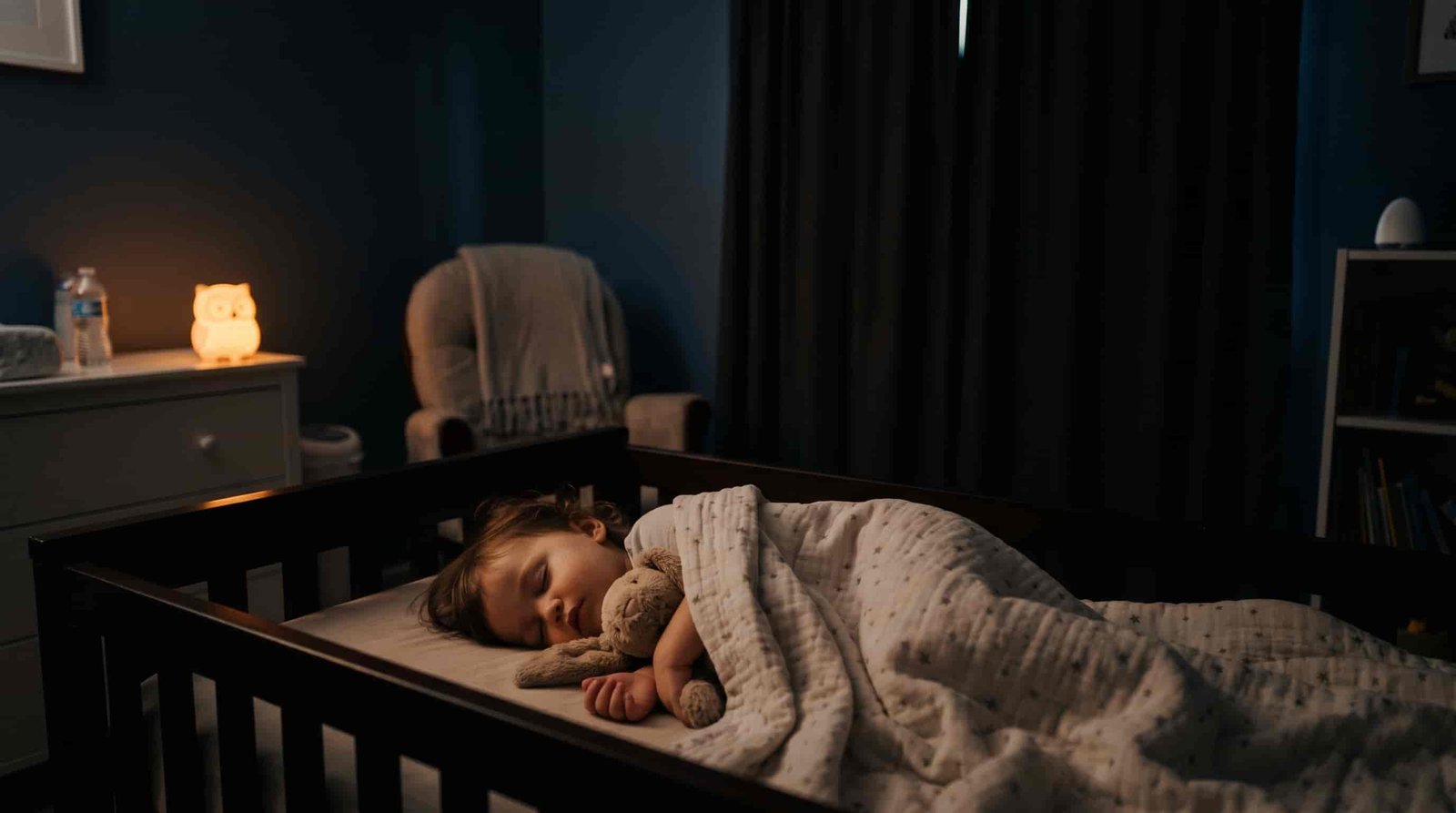
toddler sleep: scientific chart
Scientific visualization for toddler sleep
toddler sleep: application场景
Practical application of toddler sleep

💡 Frequently Asked Questions

Should I give my child melatonin gummies to help them sleep?
Pediatricians strongly advise against relying on over-the-counter melatonin for healthy children. The supplement industry is poorly regulated, and exogenous melatonin can mask underlying environmental issues. Action: Fix the light exposure and the thermal environment first, and consult a pediatrician before introducing hormones to a developing brain.
My child wakes up at 5:00 AM no matter what time I put them to bed. Why?
Pushing bedtime later creates overtiredness, leading to a cortisol surge that causes fragmented sleep and early awakenings. Action: Move their bedtime earlier by 30 minutes to catch their natural sleep gate before the cortisol spike happens, and ensure their room is pitch black.
Is it okay to let my child watch TV to wind down before bed?
Absolutely not. A child’s eyes are highly transparent to blue light, suppressing melatonin production at twice the rate of adults. Action: Enforce a strict hard stop on all screens 90 minutes before bed and transition to tactile, low-dopamine activities like physical books.
Slumbelry Sleep Science: Engineering Your Ultimate Recovery.

Toddler Sleep FAQ: Your Questions Answered

Should I give my child melatonin gummies to help them sleep?

Pediatricians strongly advise against relying on over-the-counter melatonin for healthy children. The supplement industry is poorly regulated, and exogenous melatonin can mask underlying environmental issues. Fix the light exposure and thermal environment first, and consult a pediatrician before introducing hormones to a developing brain.

My child wakes up at 5:00 AM no matter what time I put them to bed. Why?

Pushing bedtime later creates overtiredness, leading to a cortisol surge that causes fragmented sleep and early awakenings. Move their bedtime earlier by 30 minutes to catch their natural sleep gate before the cortisol spike, and ensure their room is pitch black.

Is it okay to let my child watch TV to wind down before bed?

Absolutely not. A child’s eyes are highly transparent to blue light, suppressing melatonin production at twice the rate of adults. Enforce a strict hard stop on all screens 90 minutes before bed and transition to tactile, low-dopamine activities like physical books.

How many hours of sleep does a toddler actually need?

Most toddlers need 11-14 hours of total sleep per day, including naps. Children aged 1-2 need the most sleep of any age group after newborns, driven by rapid brain development and growth hormone release during Deep Sleep.

What is the ideal room temperature for a toddler’s bedroom?

Keep the nursery thermostat strictly between 65°F and 68°F (18-20°C). Children run hotter than adults metabolically. A cool room prevents thermal stress that fragments sleep cycles and triggers frequent awakenings or night terrors.

How long should the bedtime routine actually take?

A minimum of 90 minutes is required for a child’s nervous system to down-regulate from high stimulation to sleep. Shorter routines leave their sympathetic nervous system activated, making it biologically impossible for them to settle.

When should I transition my child from crib to bed?

Most children are ready between 3-3.5 years, or when they start climbing out of the crib. The key indicator is developmental readiness — not age. A premature transition increases safety risks and sleep fragmentation.

Why does my toddler fight sleep even when they’re clearly tired?

Overtiredness triggers a cortisol-adrenaline surge that makes children fight sleep paradoxically. This is the overtired cycle. The fix is an earlier bedtime, not a later one, combined with a strict 90-minute cool-down routine.

Should toddlers still nap, and for how long?

Yes, most toddlers need one nap until age 2.5-3 years. The ideal nap ends by 3:30 PM to avoid interference with nighttime sleep pressure. Late naps push bedtime too late, triggering the overtired cortisol spike.

What if both parents work — how do you maintain a consistent sleep schedule?

Consistency does not require both parents to be present every night. Document the exact sequence (bath, dim lights, book, lights out) and delegate to caregivers with written instructions. The Pavlovian trigger works regardless of who executes it.

Ready to Transform Your Sleep Environment?

Discover the science-backed sleep solutions that Slumbelry recommends for toddler sleep.

Take the Sleep Assessment Subscribe for Sleep Optimization Tips

The Slumbelry Commitment

Sleep is the most vulnerable state of human existence. It is where we heal, reset, and grow.

At Slumbelry, we do not just sell sleep products; we advocate for your physiological right to rest. From ergonomic support to light management, every solution we offer is designed with one obsession: Respecting your Biology.

Science is our language, but your recovery is our purpose. You take care of everything else in your life — let us take care of your sleep.

Rest Deeply,
The Slumbelry Team
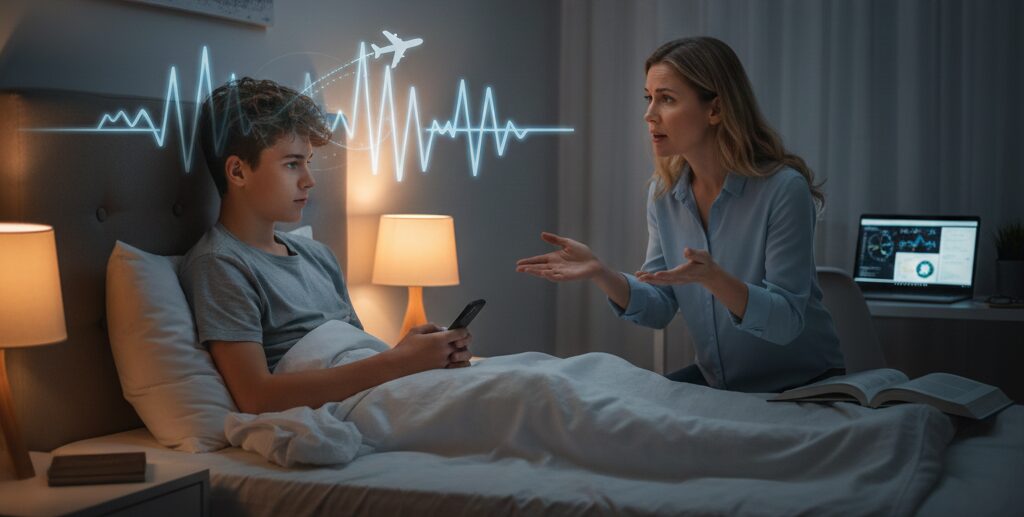
Stop Fighting Biology

Why Is My Teenager Always Tired

Why is my teenager always tired — Why Your Teen Is Not Lazy, The Circadian Shift That Makes Early School Start Times Physiological Cruelty, Not a Disciplinary Problem

The scenario is predictable: every morning, a parent faces a teenager who cannot get out of bed, is irritable, and seems physiologically incapable of being awake at 7 AM. The parent calls it laziness. The teenager feels something is wrong with them. The reality is neither — why is my teenager always tired — it is social jetlag, a universal biological phenomenon that makes 11 PM the biological bedtime for a typical teenager and 7 AM a state equivalent to 5 AM for their parents. This is not a behavioral problem. It is a physiological mismatch that families can manage with the right protocol.

⚡ Core Takeaway: Your Teenager Is Not Lazy — Their Brain Has Undergone a Normal Developmental Circadian Phase Delay That Makes 11 PM the Biological Bedtime and 7 AM a State Equivalent to 5 AM for Their Parents; This Is Social Jetlag, Not Disciplinary Failure; The Protocol Combines Morning Light Therapy (10,000 lux at 6:30 AM), Weekend Sleep Banking, Room Environment Optimization, and Parental Language Reframing

  • The Problem: The morning conflict with teenagers is not a behavioral problem — it is a biological mismatch. During puberty, rising testosterone and estradiol shift the circadian rhythm later by approximately 2 hours through changes in melatonin regulation. Melatonin onset moves from 9-10 PM (pre-pubescent) to 11 PM-12 AM (adolescent). The result is a biological night that begins at 11 PM. Any wake time before 7-8 AM produces chronic partial sleep deprivation. The adolescent brain is not being lazy — it is being exactly as biology dictates. Asking a 15-year-old to wake at 6 AM is physiologically equivalent to asking an adult to wake at 4 AM every day
  • The Mechanism: S1-1 and S5-2 on adolescent circadian phase delay: the phase delay is driven by changes in SCN timing and the melatonin regulatory system during puberty. During the school week, the mismatch between biological time (11 PM bedtime) and social time (6-7 AM wake) produces approximately 6-7 hours of sleep when 8-9 are needed. This chronic partial sleep deprivation produces measurable reductions in prefrontal cortex function (executive function, working memory, emotional regulation), REM sleep debt (specific impairment in emotional regulation and memory consolidation), and metabolic disruption (elevated cortisol, reduced insulin sensitivity). The morning moodiness and irritability are neurological, not behavioral
  • The Protocol: Step 1: morning light therapy — 10-30 minutes of 10,000 lux bright light at 6:30-7:00 AM (light box or outdoor exposure) advances the circadian phase by approximately 30 minutes over 1-2 weeks, moving the biological bedtime earlier. Step 2: weekend sleep banking — allow the teenager to sleep until 11 AM-12 PM on weekends. This partially repays the accumulated sleep debt from the school week. Step 3: room environment — blackout curtains, 18-19C, phone charged outside the bedroom. The bedroom is for sleep only. Step 4: parental language reframing — replace ‘lazy’ with ‘biologically delayed.’ ‘Your body thinks it is 5 AM’ is accurate and depathologizing. This language shift alone reduces the morning conflict
Teenager sleeping deeply in a dark, comfortable bedroom, peaceful rest, supportive parent presence nearby, clean lifestyle photography
Social jetlag is not a behavioral problem — it is a biological mismatch between the adolescent circadian phase and the school schedule. Understanding this removes the shame and makes the protocol effective.

What Is the Adolescent Circadian Phase Delay — and Why Does the Hormonal Shift During Puberty (Rising Testosterone, Estradiol, and Melatonin Regulation Changes) Delay the Melatonin Onset by Approximately 2 Hours, Making 11 PM the Biological Bedtime for a Typical 15-Year-Old vs 10 PM for Their Parents?

Direct Answer: During puberty, the circadian rhythm shifts later by approximately 2 hours due to changes in SCN timing and melatonin regulation driven by rising sex hormones. Melatonin onset (the beginning of the biological night) moves from approximately 9-10 PM in pre-pubescent children to 11 PM-12 AM in adolescents. The core body temperature nadir shifts by the same 2 hours. The result: a 15-year-old’s brain at 10 PM is equivalent to a 25-year-old’s brain at 8 PM. This is not a preference — it is universal developmental biology.

Mechanism: S1-1 and S5-2 on adolescent circadian phase delay: the SCN’s circadian clock is recalibrated during puberty through the interaction between sex hormones (testosterone, estradiol) and the melatonin regulatory system. Studies using dim light melatonin onset (DLMO) measurements consistently show a 1.5-2.5 hour delay in melatonin onset during mid-to-late puberty. The mechanism involves changes in SCN sensitivity to light, shifts in the timing of the pineal gland’s melatonin secretion, and changes in the feedback loops between the reproductive axis and the circadian system. This is a universal phenomenon — every adolescent in every culture with modern school schedules experiences some degree of this phase delay. The magnitude varies individually, but the direction is consistent.

What Is Social Jetlag — and Why Does the Mismatch Between the Adolescent Delayed Sleep Phase and the Institutional Early School Start Time (7 AM) Produce the Same Physiological State as Flying Across 2-3 Time Zones Every Week, With Identical Cognitive and Emotional Consequences?

Direct Answer: Social jetlag is the term for the mismatch between biological time (the circadian phase) and social time (school/work schedules). When teenagers must wake at 6-7 AM, their bodies are in a state equivalent to waking an adult at 4-5 AM and demanding they perform complex cognitive tasks. This is not an exaggeration — the physiological state is identical to chronic jet lag from transatlantic travel, with the same cognitive impairment, emotional dysregulation, and metabolic disruption.

Mechanism: S1-1 and S5-2 on social jetlag: the term social jetlag (Wittmann et al., 2006, Chronobiology International) describes the phenomenon of forced misalignment between biological and social schedules. For adolescents, the magnitude of this misalignment is typically 2-3 hours per school day — equivalent to flying from New York to London every Monday and back every Friday. The cumulative effect of this weekly jet lag on cognitive performance is measurable: reaction time, working memory, executive function, and emotional regulation all show degradation equivalent to mild sleep deprivation. The metabolic consequences are also measurable: insulin sensitivity, cortisol regulation, and immune function are all disrupted by chronic social jetlag. This is not a behavioral problem — it is a physiological assault on the developing brain.

Scientific diagram showing adolescent circadian phase delay: annotated graph comparing melatonin secretion curves in adolescents vs adults — showing 2-hour delay in melatonin onset, shifted core body temperature nadir, and the mismatch with early school start times, clean white medical illustration style
The adolescent circadian phase delay: during puberty, rising testosterone and estradiol shift the circadian rhythm later by approximately 2 hours. Melatonin onset moves from 9-10 PM (pre-pubescent) to 11 PM-12 AM (adolescent), and the core body temperature nadir shifts by the same amount. This means that 11 PM is the biological bedtime for a typical 15-year-old — and 7 AM is a state equivalent to 5 AM for their parents. The mismatch between this biological reality and the institutional school schedule produces social jetlag every school day.

Why Does Chronic Social Jetlag Produce Measurable Cognitive Impairment in Adolescents — and What Is the Evidence That Sleep-Deprived Teenagers Show Reduced Prefrontal Cortex Function (Impaired Executive Function, Working Memory, and Emotional Regulation) That Is Misdiagnosed as Motivational Failure?

Direct Answer: Sleep-deprived teenagers show measurable reductions in prefrontal cortex function — the brain region responsible for executive function, impulse control, working memory, and emotional regulation. This is often misdiagnosed as laziness, lack of motivation, or defiance when it is actually the measurable cognitive consequence of chronic partial sleep deprivation from social jetlag.

Mechanism: S1-1 and S5-2 on adolescent sleep deprivation and PFC function: the prefrontal cortex is disproportionately sensitive to sleep loss compared to other brain regions. In adolescents, who are in a critical period of PFC development, chronic sleep deprivation from social jetlag produces measurable reductions in gray matter volume, synaptic pruning efficiency, and functional connectivity in the prefrontal networks. Studies using fMRI show reduced PFC activation during cognitive tasks in sleep-deprived adolescents compared to well-rested controls, even when the adolescents report feeling alert. The behavioral manifestation — inattention, emotional volatility, poor planning, impulsivity — is identical to what would be observed in an adult with PFC damage. The difference is that the adolescent’s brain is structurally intact — the problem is functional, caused by sleep deprivation, and reversible with adequate sleep.

Why Does REM Sleep Loss From Early Waking Specifically Impair Emotional Regulation in Teenagers — and What Is the Mechanism by Which REM-Dependent Memory Consolidation and Amygdala Prefrontal Cortex Integration Are Disrupted by the Morning REM Debt Produced by a 6-7 AM Wake Time?

Direct Answer: REM sleep is disproportionately located in the second half of the sleep period — the hours that are cut off first when a teenager is forced awake at 6-7 AM. REM sleep is responsible for emotional memory consolidation and the integration of amygdala activity with prefrontal cortex regulation. When REM sleep is cut short, emotional regulation is specifically impaired, producing the moodiness and emotional volatility that is incorrectly attributed to teenage hormones or attitude.

Mechanism: S1-1 and S5-2 on REM sleep and emotional regulation: during REM sleep, the hippocampus replays the day’s experiences and transfers them to long-term cortical storage. The amygdala, which processes emotional salience, is active during REM — and the prefrontal cortex, which normally inhibits amygdala activity during waking hours, is relatively quiescent during REM, allowing emotional memories to be processed without prefrontal suppression. This is why REM sleep is critical for emotional regulation: it is the period when the brain processes emotional experiences and ‘tunes’ the amygdala-prefrontal cortex circuit. When REM sleep is shortened by early waking, this processing is incomplete — the emotional experiences of the day are not fully integrated, and the amygdala remains relatively less regulated by the PFC. In teenagers, who are already experiencing significant emotional development and social cognition expansion, this REM debt has a disproportionate effect on emotional stability.

What Is the Sleep Banking Hypothesis — and Why Does Allowing Teenagers to Sleep Until 11 AM-12 PM on Weekends Partially Repairs the Chronic Sleep Debt Accumulated During the School Week, Without the Full Cognitive Recovery That Would Require Consistent 9-Hour Sleep Opportunities?

Direct Answer: The sleep banking hypothesis states that allowing extended sleep on weekends partially repays the accumulated sleep debt from the school week, producing measurable improvements in cognitive function and mood compared to continuing to restrict sleep. It does not fully substitute for consistent adequate sleep, but it is a clinically meaningful intervention that reduces the worst consequences of chronic partial sleep deprivation.

Mechanism: S1-1 and S5-2 on sleep banking: the homeostatic sleep drive (process S) accumulates during waking hours — the longer you are awake, the greater the pressure for SWS and REM. When sleep is restricted during the school week (6-7 AM wake, 11 PM biological bedtime = 6-7 hours when 8-9 are needed), the homeostatic pressure builds. Weekend sleep extension allows the body to ‘bank’ additional sleep — particularly SWS and REM that were restricted during the week. Studies using extended weekend sleep protocols show that cognitive performance (reaction time, working memory) improves measurably on weekend mornings compared to weekday mornings in adolescents with chronic sleep restriction. However, sleep banking cannot fully compensate for weekday sleep loss — the cognitive recovery is partial, and the metabolic and immune consequences of chronic sleep debt persist even with weekend recovery sleep. The goal is still consistent adequate sleep; sleep banking is a partial mitigation strategy.

Why Does Morning Light Exposure (at the Correct Time) Shift the Circadian Phase Earlier — and What Is the Mechanism by Which 10-30 Minutes of Bright Light (10,000 lux) at 6:30-7:00 AM Resets the SCN and Advances Melatonin Onset, Counteracting the Natural Phase Delay?

Direct Answer: Morning light exposure at the correct time (6:30-7:00 AM) advances the circadian phase earlier — shifting melatonin onset back to an earlier time. This is the opposite effect of evening light, which delays the phase. Using 10,000 lux bright light (equivalent to outdoor light on an overcast morning) for 10-30 minutes at this specific time advances the SCN’s clock, moving the biological bedtime earlier and making it easier for the teenager to fall asleep at 10-11 PM.

Mechanism: S1-1 and S5-2 on morning light therapy and circadian phase advance: the SCN uses light as its primary time-giver (zeitgeber). Light exposure in the morning (before the temperature minimum, which is typically around 4-5 AM for a delayed adolescent) produces a phase advance — it shifts the circadian clock earlier. Light exposure in the evening (after the temperature minimum) produces a phase delay — it shifts the clock later. For adolescents with a natural phase delay, morning light at 6:30-7:00 AM (before the delayed temperature minimum) advances the phase, effectively ‘resetting’ the biological clock to an earlier schedule. Studies of morning light therapy in adolescents (Chang et al., 2011, New England Journal of Medicine, using 10,000 lux light boxes) showed a 30-minute advance in circadian phase and a corresponding improvement in sleep onset time and total sleep duration. The combination of morning light therapy and evening light restriction (no screens after 10 PM) produces the most consistent circadian advancement.

What Is the Relationship Between Blue Light From Screens and the Adolescent Circadian Phase Delay — and Why Does Late-Night Phone Use Amplifies the Natural Circadian Shift Rather Than Being the Primary Cause, With the Screen Light Acting as an Additional Phase-Delaying Signal on Top of the Existing Biological Delay?

Direct Answer: Late-night screen use is a significant contributor to adolescent sleep problems, but it is not the primary cause of the circadian phase delay — it is an amplifier of an existing biological phenomenon. The blue light from screens suppresses melatonin through the melanopsin retinal ganglion cell pathway, delaying sleep onset. When combined with the natural adolescent phase delay, late-night phone use produces a cumulative phase-delaying effect that pushes bedtime even later.

Mechanism: S1-1 and S5-2 on screen light and circadian disruption: the melanopsin retinal ganglion cells (mRGCs) that mediate light’s effect on the SCN are most sensitive to blue light (around 480nm). Screen light from phones, tablets, and computers has a significant blue-light component that suppresses melatonin through the retinohypothalamic tract to the SCN. In adolescents, who already have a 2-hour delayed melatonin onset from hormonal changes, additional evening light exposure further delays the melatonin signal, pushing the biological bedtime later. The cognitive content of screen use (social media, gaming) also activates the prefrontal cortex and amygdala, producing arousal that opposes sleep onset. The solution is not to eliminate the biological phase delay (which is inevitable) but to remove the additional amplifier: no screens for 1 hour before the target bedtime, blue-light filtering enabled on all devices, and ideally the phone charged outside the bedroom.

Why Does the Let Them Sleep In on Weekends Prescription Work — and Why Is Weekend Recovery Sleep Banking a Partial but Clinically Meaningful Intervention That Reduces the Weekday-Weekend Sleep Debt Gradient, Even Though It Cannot Fully Substitute for Consistent Sleep Scheduling?

Direct Answer: Allowing teenagers to sleep until 11 AM-12 PM on weekends is one of the most effective and immediately implementable interventions for adolescent social jetlag. Weekend recovery sleep partially repays the accumulated sleep debt from the school week, producing measurable improvements in cognitive function, mood, and emotional regulation. It does not fully substitute for consistent adequate sleep, but it is clinically meaningful and has an immediate effect on the morning conflict.

Mechanism: S1-1 and S5-2 on weekend sleep banking: the homeostatic sleep pressure accumulated during the school week (from 6-7 AM wake times combined with 11 PM biological bedtimes) produces measurable cognitive impairment and emotional dysregulation. Weekend extended sleep allows the body to catch up on the missing SWS and REM — particularly the morning REM that is lost to early waking. The sleep architecture during recovery sleep shows increased REM percentage and increased SWS, which are the two stages most impacted by early waking. Studies of weekend recovery sleep in adolescents (such as Klonoff et al.) show measurable improvement in reaction time and self-reported alertness on weekend mornings compared to weekday mornings. The only caveat: sleeping until 1-2 PM on Sunday morning can itself produce a mild case of Sunday night insomnia due to the advanced phase from weekend recovery — so the sleep banking should be balanced with a consistent target bedtime on Sunday night.

What Are the Long-Term Health Consequences of Chronic Adolescent Social Jetlag — and Why Does Sustained Sleep Debt During the Developmental Period Produce Elevated Cortisol, Insulin Resistance, Immune Suppression, and Cardiovascular Risk Factors That Persist Beyond the Teenage Years?

Direct Answer: Chronic social jetlag during adolescence is not just a short-term performance issue — it produces measurable long-term health consequences. Sustained partial sleep deprivation during a critical developmental period affects the trajectory of metabolic, immune, and cardiovascular health in ways that persist into adulthood.

Mechanism: S1-1 and S5-2 on long-term consequences of adolescent sleep debt: during adolescence, the metabolic and endocrine systems are still developing. Chronic sleep debt disrupts the cortisol diurnal rhythm (flattening the morning cortisol peak and elevating evening cortisol), produces insulin resistance (increasing Type 2 diabetes risk), suppresses immune function (reducing cytokine production and NK cell activity), and elevates cardiovascular risk factors (elevated blood pressure, increased inflammatory markers). The critical period issue: these systems are being calibrated during adolescence. Sleep debt during this calibration period may ‘reset’ the set points for these systems at a less healthy level — meaning the health consequences are not just immediate but potentially permanent. Studies tracking adolescent sleep patterns into adulthood (Taheri, 2006, and others) show associations between short sleep in adolescence and increased BMI, Type 2 diabetes, and cardiovascular disease in adulthood.

What Is the Complete Social Jetlag Protocol for Families — and How Do You Combine Morning Light Therapy, Weekend Sleep Banking, Room Environment Optimization, and Parental Language Reframing to Reduce the Morning Conflict While Acknowledging the Adolescent’s Biological Reality?

Direct Answer: The complete social jetlag protocol combines four evidence-based interventions: morning light therapy to advance the circadian phase, weekend sleep banking to repay accumulated debt, room environment optimization for maximum sleep quality, and parental language reframing to reduce conflict by replacing ‘lazy’ with ‘biologically delayed.’ These four elements work together to reduce morning conflict while acknowledging the adolescent’s biological reality.

Mechanism: S1-1 and S4-4 on the complete social jetlag protocol: Step 1: morning light therapy — 10-30 minutes of 10,000 lux bright light exposure at 6:30-7:00 AM (light box or outdoor exposure on the way to school). This advances the circadian phase by approximately 30 minutes over 1-2 weeks, moving the biological bedtime earlier. Step 2: weekend sleep banking — allow sleep until 11 AM-12 PM on Saturday and Sunday. This partially repays the week’s sleep debt. On Sunday, set a soft limit of 11 AM to avoid Sunday night insomnia. Step 3: room environment optimization — blackout curtains (18-19C) and no screens in the bedroom. Remove phones from the bedroom entirely (charge in another room). The bedroom is for sleep only. Step 4: parental language reframing — ‘Your body thinks it is 5 AM’ is accurate and depathologizing. ‘You are not lazy, you are biologically delayed’ is the reframe that reduces the shame and conflict that make the situation worse. This is not about accepting poor performance — it is about understanding the mechanism and working with the biology rather than against it.

Teenager receiving morning light therapy at a light box, early morning light exposure, calm focused expression, home setting, bright window light, realistic lifestyle photography
Morning light therapy for adolescent social jetlag: 10-30 minutes of 10,000 lux bright light at 6:30-7:00 AM advances the circadian phase earlier, moving melatonin onset back and making 10-11 PM a more achievable biological bedtime. Combined with weekend sleep banking and a cool dark bedroom, this is the evidence-based family protocol for adolescent social jetlag. The goal is not to override the biological delay — it is to meet the adolescent in their biological reality and minimize the harm of the school schedule mismatch.

Frequently Asked Questions

Why do teenagers stay up so late?

Direct Conclusion: Teenagers stay up late because of a universal developmental circadian phase delay driven by rising sex hormones during puberty. Melatonin onset shifts from 9-10 PM to 11 PM-12 AM. This is not a preference or a choice — it is biology. The adolescent brain at 10 PM is equivalent to an adult brain at 8 PM. Asking a teenager to fall asleep at 10 PM is equivalent to asking an adult to fall asleep at 8 PM.

How much sleep do teenagers actually need?

Direct Conclusion: Teenagers need 8-10 hours of sleep per night (American Academy of Sleep Medicine recommendation for ages 13-18). Most are getting 6-7 hours on school nights due to the mismatch between biological bedtime (11 PM) and school start time (7 AM). This chronic partial sleep deprivation is the primary driver of the cognitive, emotional, and metabolic consequences of adolescent social jetlag.

Is letting my teen sleep in on weekends okay?

Direct Conclusion: Yes — weekend sleep banking is one of the most effective immediate interventions for adolescent social jetlag. Allowing teenagers to sleep until 11 AM-12 PM on weekends partially repays the accumulated sleep debt from the school week. The only caveat: sleeping past noon on Sunday can interfere with Sunday night sleep, so set a soft limit of 11 AM-12 PM.

Does morning light therapy work for teens?

Direct Conclusion: Yes — morning light therapy is one of the most evidence-based interventions for adolescent circadian phase delay. 10-30 minutes of 10,000 lux bright light at 6:30-7:00 AM advances the circadian phase by approximately 30 minutes over 1-2 weeks, making it easier to fall asleep earlier. Chang et al. (2011, NEJM) demonstrated this effect in a randomized controlled trial.

Why is my teenager so moody in the morning?

Direct Conclusion: Morning moodiness in teenagers is primarily the result of REM sleep debt from early waking, combined with the circadian nadir (the time when the body is at its lowest temperature and highest sleepiness) occurring in the early morning hours for adolescents with a delayed phase. The emotional volatility is neurological, not behavioral — it is the consequence of inadequate REM sleep and the circadian nadir.

What is social jetlag?

Direct Conclusion: Social jetlag is the mismatch between biological time (circadian phase) and social time (school schedules). For teenagers, it is approximately 2-3 hours per day — equivalent to flying from New York to London every Monday. Chronic social jetlag produces the same cognitive impairment, emotional dysregulation, and metabolic disruption as chronic transcontinental jet lag.

Should I take away my teen’s phone at night?

Direct Conclusion: Removing or restricting phone use at night is one of the most effective interventions for adolescent social jetlag. Late-night screens suppress melatonin through mRGC pathway activation, amplify the natural phase delay, and activate the prefrontal cortex (opposing sleep onset). The recommendation: no screens for 1 hour before target bedtime, charge phone outside the bedroom.

Why do schools start so early?

Direct Conclusion: Most school districts schedule high schools to start at 7:00-7:30 AM for administrative reasons (bus routing, sports schedules) that have nothing to do with adolescent biology. The American Academy of Pediatrics has recommended since 2014 that middle and high schools start no earlier than 8:30 AM. Most schools do not follow this recommendation. Until school schedules change, families must manage the consequences.

Can teenagers develop permanent sleep problems from social jetlag?

Direct Conclusion: Chronic social jetlag during adolescence can contribute to the development of persistent insomnia and circadian rhythm disorders that extend beyond the teenage years. The sleep-wake homeostasis calibration that occurs during adolescence may be affected by chronic disruption, potentially leading to adult sleep disorders. Addressing social jetlag early reduces this risk.

How do I talk to my teenager about sleep without conflict?

Direct Conclusion: The most effective language reframe for parents: ‘Your body thinks it is 5 AM’ replaces ‘You are lazy.’ This is biologically accurate, depathologizing, and removes the shame that makes adolescent sleep problems worse. Acknowledge the biology before asking for behavior. ‘I know your brain thinks it is the middle of the night — but we need to get going’ is more effective than ‘Get up, you are going to be late.’

Ready to Transform Your Recovery?

If social jetlag is affecting your teenager’s performance and mood, the complete protocol — morning light therapy, weekend sleep banking, and environment optimization — is the first-line intervention.

Take the Sleep Assessment Explore Our Cooling Mattress

The Slumbelry Commitment

Sleep is the most vulnerable state of human existence. It is where we heal, reset, and grow.

At Slumbelry, we do not just sell sleep products; we advocate for your physiological right to rest. From ergonomic support to light management, every solution we offer is designed with one obsession: Respecting your Biology.

Science is our language, but your recovery is our purpose. You take care of everything else in your life — let us take care of your nights.

Rest Deeply,
The Slumbelry Team

Stop Forcing Bedtime: The Real Reason Your Child Won’t Sleep

Toddler Sleep Regression: Stop Stressing Over the Charts | Slumbelry

Written by Dr. Lycan Dizon, Slumbelry Chief Sleep Consultant · Updated 2025

Stop Forcing Bedtime: The Real Reason Your Child Won’t Sleep

There is no tired like “Parent Tired.” In a desperate bid for a quiet evening, we turn to the internet. We stare at baby sleep charts, trying to decipher wake windows. When a toddler sleep regression hits, we panic. We treat children like programmable robots, convinced that if they aren’t logging exactly 12 hours a night, we are failing them. But here is the truth that will set you free: those charts are averages, not laws. If you try to force a naturally short-sleeping child to stay in bed, you don’t get more rest—you get a nightly war.

  • The “Average” Trap: Sleep charts represent statistical averages, not biological requirements. Just like shoe sizes, sleep needs vary wildly from child to child.
  • Real Deprivation Signs: A truly sleep-deprived child doesn’t look lethargic; they look wired. Look for hyperactivity, emotional meltdowns, and instant car-napping.
  • The Shift in Teens: When puberty hits, a 2-to-3-hour circadian shift is biological, not rebellious. Forcing an early bedtime on a teenager is biologically futile.
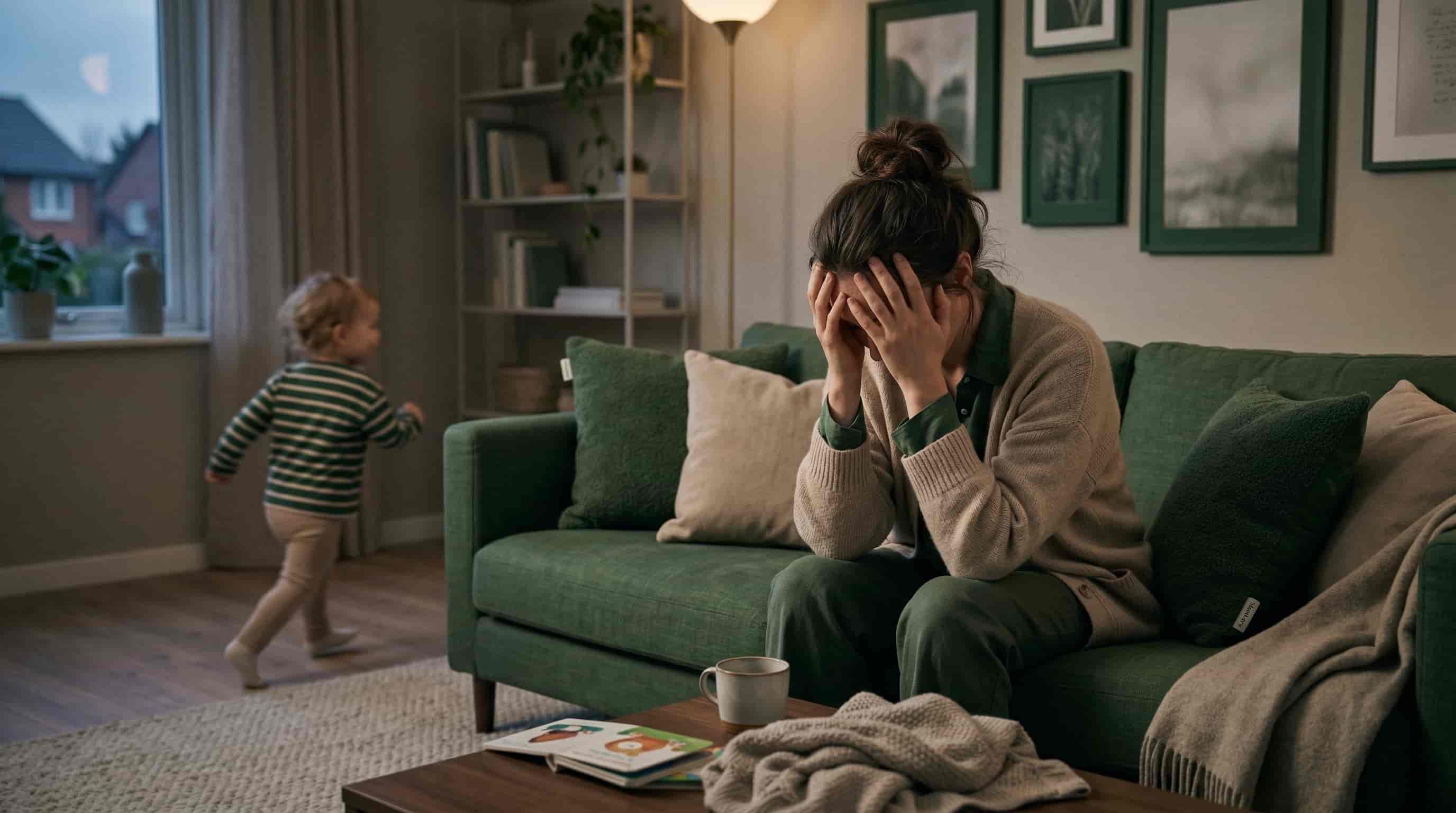
A stressed parent looking at a clock while their toddler refuses to sleep
If you are battling your child every night to hit an arbitrary number on a chart, you are fighting a losing war against their biology.

1) The Tyranny of the Sleep Chart

The modern parenting landscape is obsessed with optimization. We track ounces of milk, developmental milestones, and, most aggressively, sleep. A quick Google search will tell you that a 2-year-old “MUST” sleep 11 to 14 hours. It warns that skipping a 10 AM nap will trigger a disastrous toddler sleep regression.

But let’s look at the math. If the average shoe size for an adult man is a size 10, and you wear a size 8, do you have a foot disease? Of course not. You just have smaller feet. Sleep works the exact same way.

There are children who are naturally “Short Sleepers.” They are vibrant, energetic, hitting all their cognitive milestones, and thriving on 9 hours of sleep. Meanwhile, the chart insists they need 11. If you lock a 9-hour sleeper in a dark room for 11 hours, what happens? They don’t magically sleep more. They bounce off the walls, cry, and eventually develop a deep, conditioned anxiety around the bedroom. You are trying to fit a square peg into a round hole.

“Your job is not to make them sleep—you physically cannot force consciousness to end. Your job is simply to provide the calm, safe opportunity for sleep.”

2) Spotting Actual Sleep Deprivation

So, if we throw away the charts, how do we know if our kids are actually suffering from a lack of sleep? You have to stop watching the clock and start watching the child.

Adults respond to sleep deprivation by slowing down. We yawn, we reach for coffee, we slump at our desks. Children, particularly toddlers, respond to sleep deprivation by speeding up. Their brains release adrenaline and cortisol to fight off the exhaustion.

The Real Red Flags:

  • The “Wired” Effect: Manic hyperactivity, especially right before bedtime. They look like they drank an espresso.
  • Emotional Fragility: Massive meltdowns over microscopic issues (e.g., their toast was cut into the wrong shape).
  • The Car Test: Falling asleep the absolute second the car engine turns on, even outside of normal nap windows.
  • Inability to Focus: Difficulty engaging in quiet play or following simple, multi-step instructions they usually master.

If your child is happy, learning, and emotionally stable, they are getting enough sleep. Period.

A hyperactive toddler running around the living room while the parents look exhausted
Unlike adults, a sleep-deprived toddler doesn’t look tired; they look completely wired and hyperactive.

3) Surviving the Toddler Sleep Regression

Around 18 months to 2 years, many parents hit a wall. A previously perfect sleeper suddenly refuses to go down, wakes up screaming at 2 AM, or drops their nap entirely. Welcome to the toddler sleep regression.

This isn’t a failure of your parenting. It is a massive developmental leap. Their brains are suddenly processing complex language, separation anxiety, and a newfound sense of independence (“I want to do it!”).

The Regression Protocol:

  1. Hold the Boundary, Release the Outcome: Maintain your consistent bedtime routine (Bath, Book, Bed). Say goodnight, leave the room. If they sing to their teddy bear for an hour, let them. You control the environment; they control the sleep.
  2. Evaluate the Nap: Many regressions are actually a sign that the child is ready to drop their daytime nap. If they nap for 2 hours at noon, they simply may not possess enough “sleep pressure” to fall asleep at 7 PM.
  3. Don’t Build New Bad Habits: In a moment of desperation at 3 AM, you might pull them into your bed or start rocking them again. Be careful—toddlers learn quickly. A temporary regression can become a permanent habit if you change the rules.

4) The Teenage Circadian Shift

The sleep battles don’t end in childhood; they just change form. When puberty hits, a massive biological shift occurs. The teenager’s circadian rhythm naturally shifts forward by 2 to 3 hours.

Going to bed at 11:30 PM and wanting to wake up at 8:30 AM is not an act of rebellion. It is a physiological imperative. Their brains literally do not release melatonin early enough to fall asleep at 9 PM. If you force a 15-year-old into bed at 9 PM, they will simply stare at the ceiling, feeling frustrated and misunderstood.

Instead of fighting biology, advocate for them. Support later school start times. Let them sleep in on the weekends to clear their sleep debt. And keep screens out of the bedroom, as blue light delays an already-delayed melatonin release.

5) Common Misconceptions (FAQ)

Q1: Is it bad if my 3-year-old drops their nap completely?

Not necessarily. While some children nap until age 4 or 5, many drop it around age 3. If dropping the nap results in a much smoother, earlier bedtime and they can make it through the late afternoon without a massive meltdown, they are ready to consolidate their sleep into one nighttime block.

Q2: How do I handle night terrors vs. nightmares?

They are entirely different. A nightmare happens during REM sleep (usually early morning); the child wakes up scared and can be comforted. A night terror happens during deep sleep (usually early in the night). The child appears awake, screams, and thrashes, but is actually still asleep. Do not try to wake a child from a night terror; simply make sure they are safe until they lie back down.

Q3: Does giving them a warm bath really help them sleep?

Yes, but it is about the temperature drop, not just the water. A warm bath dilates the blood vessels. When they step out into a cool room, their core body temperature rapidly drops, which biologically signals the brain to release melatonin and initiate sleep.

Stop guessing about your family’s rest. Build a sleep protocol that works with biology, not against it.

Take the Free Sleep Assessment Join the Recovery Newsletter

The Slumbelry Commitment

Sleep is the most vulnerable state of human existence. It is where we heal, reset, and grow.

At Slumbelry, we don’t just sell sleep products; we advocate for your physiological right to rest. From ergonomic support to light management, every solution we offer is designed with one obsession: Respecting your Biology.

Science is our language, but your recovery is our purpose. You take care of everything else in your life—let us take care of your nights.

Rest Deeply,
The Slumbelry Team

Better sleep tips & exclusive offers, straight to your inbox.

Curated sleep insights, early access to new products, and members-only deals.
No spam. You can unsubscribe anytime.