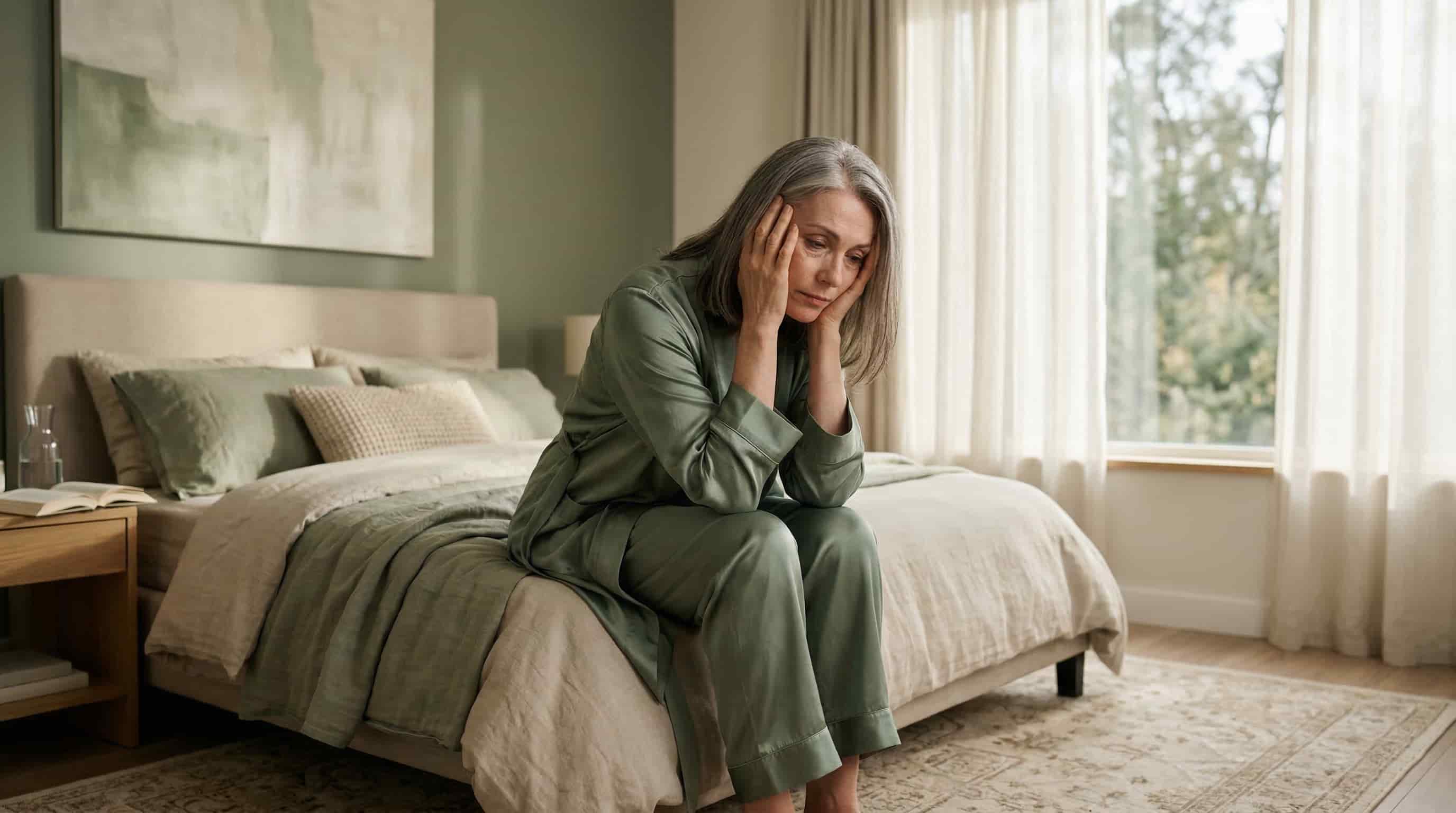
The Hidden Dangers of Long-Term Insomnia: Why Sleep Matters More Than You Think
Hidden Dangers of Long-Term Insomnia: What Sleep Loss Does to Your Body | Slumbelry Sleep Science
You’ve Tried Everything — But You’ve Never Actually Fixed the Problem: Why Insomnia Keeps Coming Back
Written by Dr. Lycan Dizon, Slumbelry Chief Sleep Consultant · Updated 2025
⚡ Core Takeaway: Insomnia Is Not a Weakness — It Is a Medical Condition With Measurable Consequences
The mortality signal: Chronic insomnia is associated with a 26% increase in all-cause mortality. This is not an opinion — it is the documented outcome data from longitudinal studies tracking thousands of insomniacs over decades.
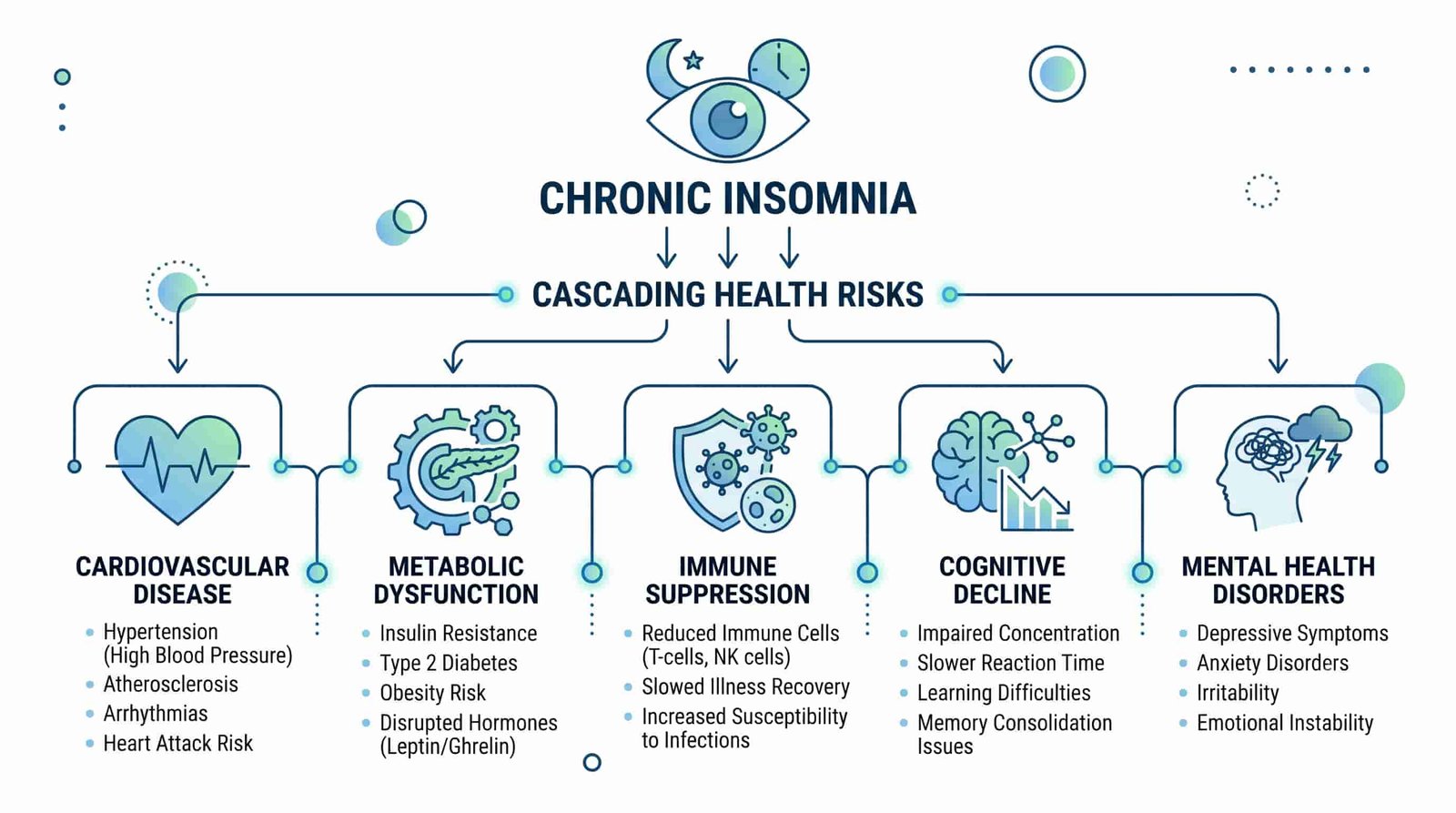
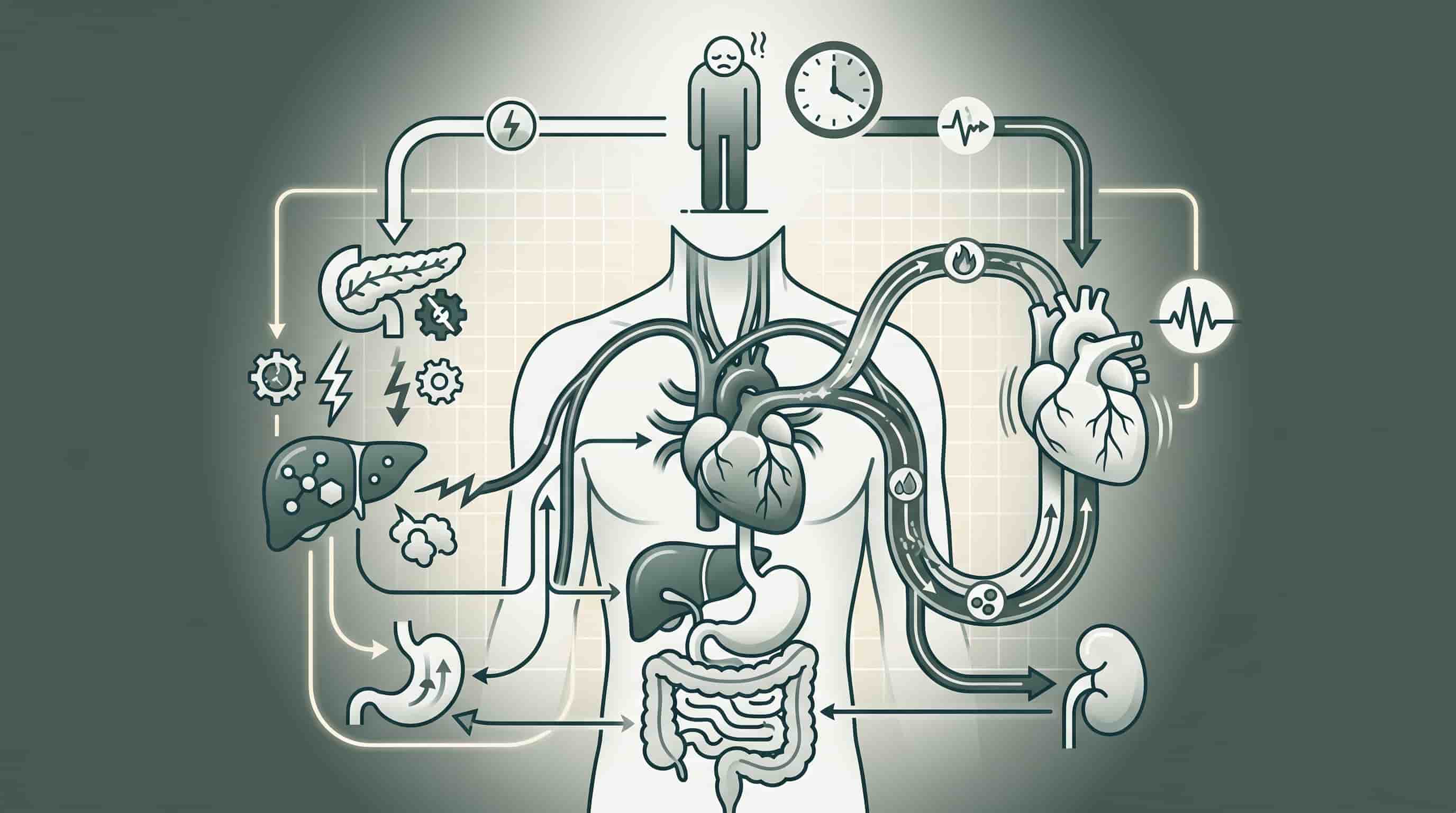
The mechanism stack: Insomnia causes cardiovascular disease through sustained cortisol elevation and endothelial dysfunction. It causes metabolic dysfunction through insulin resistance and the accumulation of visceral fat. It causes cognitive decline through the failure of glymphatic clearance. It causes depression through the disruption of every neurotransmitter system the brain uses to maintain mood.
The treatment hierarchy: CBT-I is first-line — not because it is the most aggressively marketed, but because it is the only intervention with durable, long-term evidence that does not worsen the condition over time. Medication provides short-term symptomatic relief at the cost of long-term dependency and, in many cases, actively worsens the sleep architecture it is meant to treat.
Chronic insomnia is not a character flaw or a consequence of not trying hard enough. It is a medical condition with documentable physiological consequences — and it demands a medical response.
Long-term insomnia is one of the most underestimated medical conditions in modern healthcare. It does not announce itself dramatically. It does not show up in routine blood work. But it is producing measurable damage to the hearts, brains, and immune systems of an estimated 10-15% of the adult population — damage that accumulates silently over years before presenting as cardiovascular disease, metabolic dysfunction, cognitive decline, or clinical depression. This guide is not about sleep hygiene tips. It is about what happens to your body when you do not sleep — and why the medical establishment has been too slow to treat insomnia as the serious medical condition it is.
What Is Considered Long-Term Insomnia — and When Does Occasional Sleeplessness Become a Disorder?
Long-term insomnia is not simply “having trouble sleeping.” It is a clinical disorder with diagnostic criteria: difficulty initiating or maintaining sleep, causing significant distress or impairment in daytime functioning, occurring at least 3 nights per week for more than 3 months, and not adequately explained by another medical condition, substance use, or primary sleep disorder. By this definition, an estimated 10-15% of adults have chronic insomnia disorder — not just occasional sleeplessness, but a persistent condition that produces measureable physiological consequences in the body and brain.
The Cardiovascular Consequences: Why Chronic Sleep Deprivation Is as Dangerous as Smoking
The cardiovascular consequences of chronic insomnia are not minor. Meta-analyses of prospective cohort studies involving more than 150,000 participants show that short sleep duration (less than 6 hours per night) is associated with a 48% increase in coronary heart disease risk and a 36% increase in stroke risk. The mechanism: repeated sleep deprivation produces sustained elevation of cortisol, which damages the endothelium (the inner lining of blood vessels), elevates blood pressure through 24-hour sympathetic activation, and increases systemic inflammation through the elevation of C-reactive protein and interleukin-6. This is not an indirect association — the pathway from sleep loss to vascular damage is direct and documentable.
The Blood Pressure Connection
One night of partial sleep deprivation produces a reduction in endothelial-dependent vasodilation — the ability of blood vessels to expand in response to increased demand — that is equivalent to aging the vascular system by 20 years. This is not a subtle effect. After one week of sleeping 5-6 hours per night, healthy young adults show vascular function that resembles that of sedentary middle-aged adults. The implications for cardiovascular disease risk are not theoretical: they are measurable, immediate, and accumulate over years of chronic insufficient sleep.
Insomnia does not just make you tired. It is a cascading system failure that affects every organ in the body. The cardiovascular consequences alone — 48% increased coronary heart disease risk — make it one of the most significant reversible risk factors in modern medicine.
The Metabolic Toll: How Insomnia Turns Your Body Into a Pre-Diabetic State
Sleep deprivation produces a metabolic state that resembles pre-diabetes — not through dietary excess, but through the direct physiological effect of insufficient rest on glucose metabolism. After 6 days of sleeping 5 hours per night, healthy participants in a University of Chicago study showed a 40% reduction in glucose tolerance. Their bodies were producing enough insulin, but their tissues were less responsive to it — the same insulin resistance seen in early Type 2 diabetes. The mechanism: sleep deprivation elevates cortisol, which antagonizes insulin function, and simultaneously increases ghrelin (the hunger hormone) while decreasing leptin (the satiety hormone) — producing increased appetite, particularly for high-calorie carbohydrate-rich foods.
The Neurodegenerative Risk: Sleep Deprivation, Beta-Amyloid, and the Alzheimer’s Connection
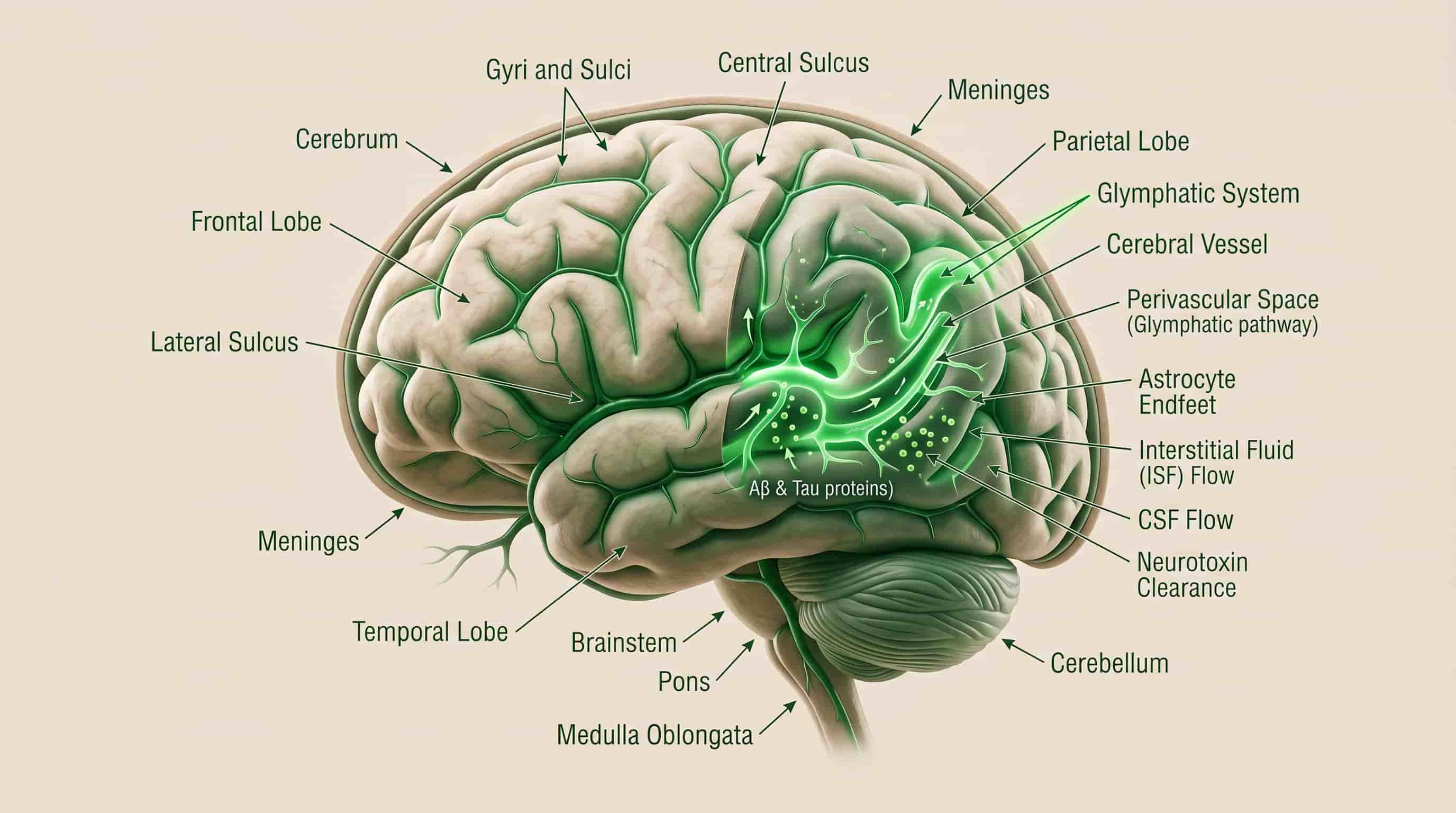
Sleep is the brain’s only significant nightly waste-clearing mechanism. During N3 deep sleep, the glymphatic system activates — glial cells in the brain shrink by 60%, allowing cerebrospinal fluid to flush through and clear metabolic waste including beta-amyloid and tau proteins, the compounds that accumulate in Alzheimer’s disease. When sleep is chronically shortened or fragmented, this clearance is significantly reduced. PET scan studies show that people who report chronic poor sleep have measurably higher accumulation of beta-amyloid in the prefrontal cortex and hippocampus — the brain regions most critical for memory and executive function. This is a causal relationship demonstrated in both directions: sleep deprivation increases amyloid accumulation, and amyloid accumulation disrupts sleep.
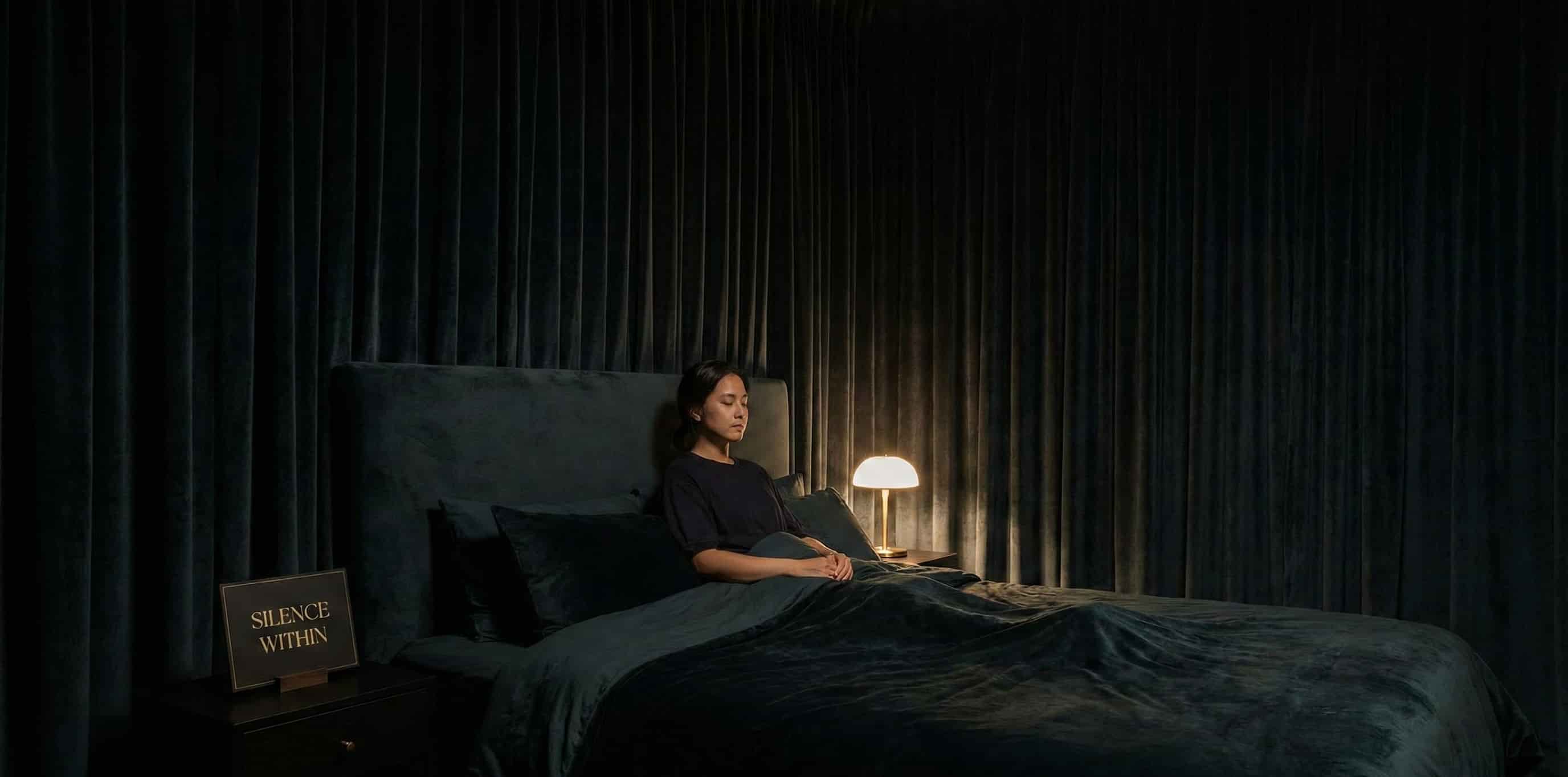
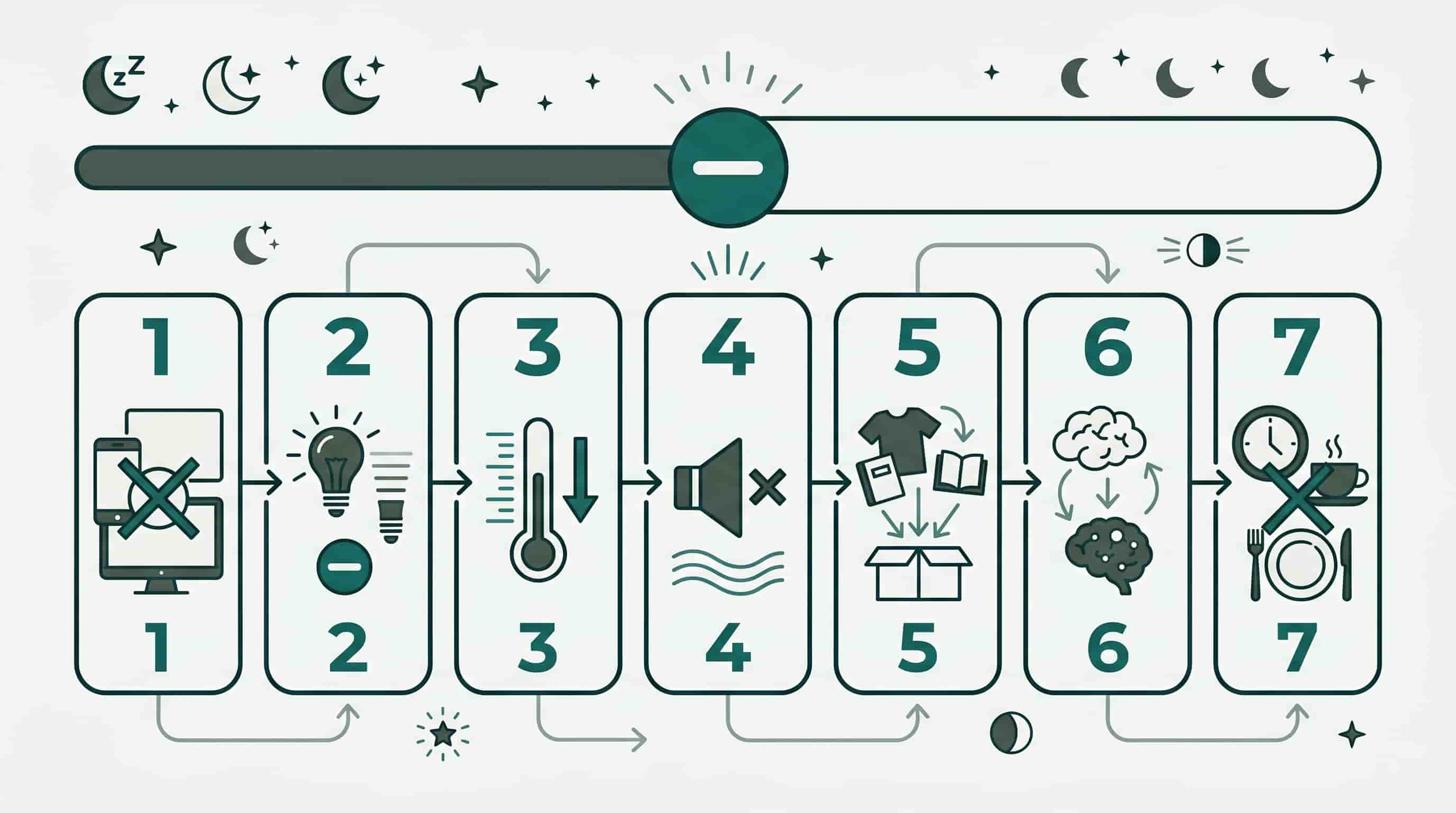
Before any intervention — CBT-I, medication, or otherwise — the bedroom environment must be a parasympathetic ally, not a sympathetic trigger. Cool, dark, quiet, comfortable. Everything else builds on that foundation.
The Immune System Shutdown: Why You Get Sick More Often When You Don’t Sleep
The immune system requires sleep to function. Natural killer (NK) cell activity — the immune cells that destroy cancerous and virally infected cells — drops by 70% after a single night of sleeping 4 hours. The production of inflammatory cytokines (IL-1, TNF-alpha) increases with sleep deprivation, producing low-grade systemic inflammation that is itself a risk factor for cardiovascular disease, metabolic dysfunction, and depression. The CDC has classified sleep deprivation as a public health epidemic — and the connection to immune dysfunction is part of why: chronic insomniacs have documented higher rates of infectious disease, slower recovery from illness, and reduced vaccine efficacy.
The Mental Health Cascade: How Insomnia Doesn’t Just Correlate With Depression — It Causes It
The relationship between insomnia and depression is bidirectional — but the causal direction matters for treatment. Research using Mendelian randomization — a genetic method that can establish causal direction — demonstrates that insomnia causally contributes to depression, not just the reverse. The mechanism: sleep deprivation disrupts the serotonergic system (the primary target of most antidepressants), elevates amygdala reactivity through prefrontal cortex dysfunction, and prevents the overnight emotional processing that occurs during REM sleep. A meta-analysis of 21 prospective studies showed that insomnia doubles the risk of developing depression. And critically, treating insomnia with CBT-I reduces depression symptoms by 40-50% even in the absence of any specific mood treatment.
Why “Just Relax” Doesn’t Work: The Neurological Architecture of Chronic Insomnia
The advice to “just relax” or “try harder to sleep” fails because it misidentifies the problem. Chronic insomnia is not a behavioral failure — it is a neurological condition where the brain’s sleep-wake regulation system has become dysregulated. In chronic insomnia, the hyperarousal system — the constellation of elevated cortisol, elevated brain metabolism, elevated heart rate, and elevated sympathetic nervous system activity — becomes chronic rather than situational. The person who is “too anxious to sleep” is not experiencing excessive worry about sleep — they are experiencing a physiological state of hyperarousal that makes sleep neurologically inaccessible regardless of intention. This is why behavioral interventions that target the behavioral expression of hyperarousal (CBT-I) work, while efforts to simply “relax harder” consistently fail.
The Cortisol Dysregulation Loop
In normal sleep, cortisol follows a circadian pattern: high in the morning (the cortisol awakening response), declining through the day, reaching its nadir in the late evening, and remaining low through the night. In chronic insomnia, this pattern is disrupted: cortisol fails to adequately decline in the evening, elevated levels persist through the night, and the normal cortisol nadir is blunted or absent. This means the biological signal that says “the body is safe, it is time to rest” is absent. The brain remains in a state of anticipatory stress. No amount of “relaxation” overrides this physiological signal — because the problem is not psychological tension, it is hormonal dysregulation that must be addressed at the level of the HPA axis, not the level of the mind.
The CBT-I Solution: Why Cognitive Behavioral Therapy for Insomnia Is the Only Evidence-Based Fix
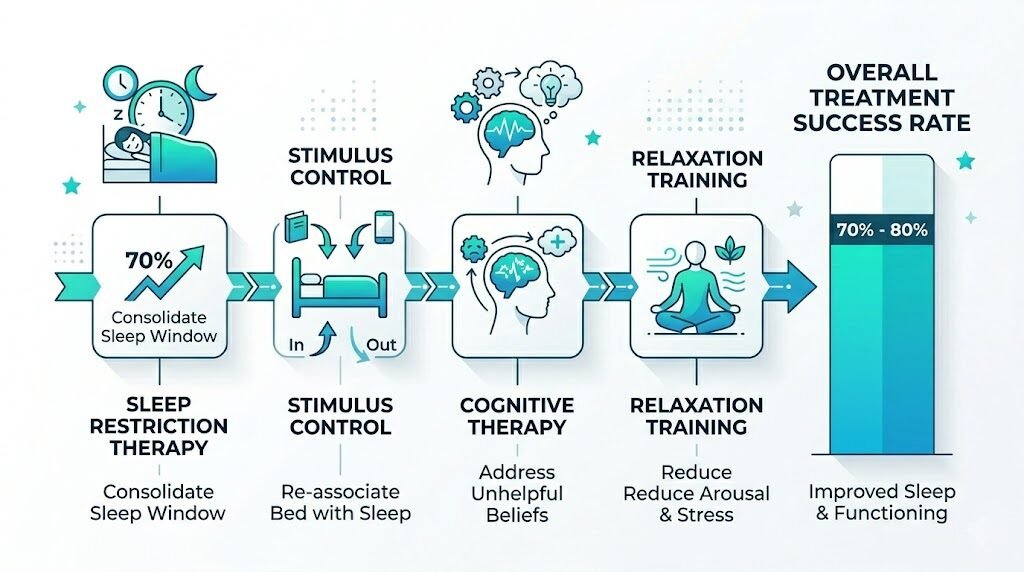
CBT-I is the first-line, gold-standard treatment for chronic insomnia — endorsed by the American College of Physicians, the American Academy of Sleep Medicine, and the British Association for Psychopharmacology. It is a structured, time-limited intervention (typically 6-8 sessions) that addresses the behavioral, cognitive, and environmental factors that maintain insomnia. Unlike medication, CBT-I produces durable improvement that persists after treatment ends — because it changes the underlying sleep-wake regulation rather than masking symptoms. The components: sleep restriction (restricting time-in-bed to actual sleep time to build sleep pressure), stimulus control (rebuilding the bed-sleep association), cognitive restructuring (addressing catastrophizing thoughts about sleep), and sleep hygiene (removing the behavioral contributors to poor sleep).
The Medication Trap: Why Sleep Aids Often Make Insomnia Worse Over Time
Most prescription and over-the-counter sleep aids work by suppressing the central nervous system — producing sedation that resembles sleep but does not replicate the sleep architecture the brain needs. Benzodiazepines and Z-drugs reduce REM sleep by 20-50%, suppress N3 deep sleep, and produce tolerance within weeks. Over time, the brain adapts to the presence of the drug by upregulating excitatory systems — meaning that when the medication is withdrawn, the insomnia is worse than before treatment began. This is not a side effect — it is the expected pharmacological consequence of chronic CNS suppression. The appropriate use of sleep medication is as a short-term bridge (2-4 weeks maximum) while CBT-I is initiated, not as a long-term management strategy. If you have been using sleep medication for more than 3 months, the medication itself may now be contributing to the insomnia it was meant to treat.
The Slumbelry Framework: Insomnia Is a Medical Condition — Treat It Like One
Slumbelry’s approach to long-term insomnia is grounded in the understanding that the bedroom environment is either an ally or an enemy in the fight against hyperarousal. Every environmental variable in the bedroom — temperature, light, sound, tactile comfort, scent — either contributes to or counteracts the parasympathetic state that sleep requires. Our Sleep System is engineered to address each of these variables: spinal alignment that eliminates the physical micro-awakenings from discomfort, cooling technology that supports the core temperature drop required for N3 sleep, acoustic design that prevents the auditory triggers for arousals, and darkness that fully activates the pineal gland’s melatonin production. These are not comfort features — they are the minimum environmental conditions for a nervous system that is trying to stand down from chronic hyperarousal.
The Environmental First Principles
Before considering CBT-I or medication, the bedroom environment must be addressed. If the room is too warm (above 20°C), the body cannot achieve the core temperature drop required for sleep onset and deep sleep. If there is light (even from an LED or street lamp), melatonin production is suppressed and sleep onset latency extends. If there is unpredictable noise, the brain continues monitoring the environment for threats through micro-awakenings even in sleep. These are not comfort preferences — they are the minimum conditions for sleep to occur. Slumbelry’s engineering addresses each of them: temperature regulation, blackout design, acoustic isolation, and ergonomic support — to create an environment where the parasympathetic system can actually dominate.
Action step: If you have had insomnia for more than 3 months, you have a medical condition. The first step is not “try harder to sleep” — it is a clinical evaluation. The second step is CBT-I, which is available through sleep clinics, primary care providers, and increasingly through digital health platforms. Before any medication, before any supplement, before any sleep technology — get the behavioral intervention that has the evidence and the durability. Everything else is a band-aid.
Frequently Asked Questions About Long-Term Insomnia
What is the medical definition of chronic insomnia and how is it diagnosed?
Chronic insomnia disorder is diagnosed when three criteria are simultaneously met: (1) Difficulty initiating sleep, maintaining sleep, or waking too early with inability to return to sleep; (2) This sleep disturbance causes significant daytime impairment — fatigue, cognitive dysfunction, mood disturbance, or performance decline; (3) The symptoms occur at least 3 nights per week and have persisted for more than 3 months; (4) The symptoms are not better explained by another sleep disorder, medical condition, or substance use. A clinical evaluation by a sleep medicine physician or psychologist trained in behavioral sleep medicine is the appropriate first step — not self-diagnosis, not Dr. Google, not expensive sleep tracking devices.
What are the most dangerous health consequences of untreated chronic insomnia?
The most well-documented and clinically significant consequences: (1) Cardiovascular disease — 48% increased coronary heart disease risk, 36% increased stroke risk. (2) Metabolic dysfunction — 40% reduction in glucose tolerance after 6 days of insufficient sleep, creating a pre-diabetic metabolic state. (3) Alzheimer’s disease risk — beta-amyloid accumulates when glymphatic clearance is chronically reduced by insufficient deep sleep. (4) Depression — insomnia doubles the risk of developing depression through disruption of serotonergic function and REM sleep emotional processing. (5) Immune suppression — 70% reduction in natural killer cell activity after one night of sleep deprivation. These are not correlations — the mechanistic pathways are understood and documented.
Why does insomnia increase the risk of cardiovascular disease?
The pathway is direct and multi-mechanism: sleep deprivation elevates cortisol chronically, which damages the vascular endothelium and elevates 24-hour blood pressure. It increases systemic inflammation through elevated C-reactive protein and interleukin-6. It disrupts the autonomic balance, increasing sympathetic nervous system tone throughout the day and night. One night of sleep deprivation produces a reduction in endothelial-dependent vasodilation equivalent to aging the vascular system by 20 years. These effects accumulate over years of chronic insufficient sleep, producing measurable increases in hypertension, coronary artery disease, and stroke risk. The cardiovascular consequence of chronic insomnia is not hypothetical — it is one of the most replicated findings in sleep epidemiology.
What is the connection between insomnia and Alzheimer’s disease?
Sleep is the primary mechanism for clearing beta-amyloid and tau proteins from the brain — the compounds that form the plaques and tangles characteristic of Alzheimer’s disease. During N3 deep sleep, the glymphatic system activates: glial cells shrink by 60%, allowing cerebrospinal fluid to flush through and clear metabolic waste. When sleep is chronically shortened or fragmented, this clearance is significantly reduced. PET scan studies show that people reporting poor sleep have measurably higher beta-amyloid accumulation in the prefrontal cortex and hippocampus. This is a bidirectional relationship: amyloid accumulation in the prefrontal cortex disrupts sleep architecture, creating a self-reinforcing cycle. The implication: every night of chronically insufficient sleep is not just a bad night — it is a night of amyloid accumulation that does not get cleared.
How does insomnia affect mental health beyond just feeling tired?
The mental health consequences of chronic insomnia are neurochemical, not psychological. Sleep deprivation disrupts the serotonergic system (the primary target of SSRIs and the system responsible for maintaining mood stability), elevates amygdala reactivity by 60% through prefrontal cortex dysfunction, and prevents REM-dependent emotional processing — meaning experiences accumulate as unprocessed emotional weight without the overnight resolution that sleep normally provides. A meta-analysis of 21 prospective studies shows insomnia doubles the risk of depression. Critically, treating insomnia with CBT-I reduces depression symptoms by 40-50% even without specific mood treatment — demonstrating that sleep restoration addresses the cause, not just the symptoms, of mood disorders.
Why does ‘just relax’ never work for chronic insomnia?
The advice to relax or try harder to sleep fails because it misidentifies the problem. Chronic insomnia is not a behavioral failure — it is a neurological dysregulation of the sleep-wake system. In chronic insomnia, the hypothalamic-pituitary-adrenal (HPA) axis is chronically activated: cortisol fails to adequately decline in the evening, heart rate remains elevated, brain metabolism is elevated, and the sympathetic nervous system dominates. This is not anxiety about sleep — it is a physiological state that makes sleep neurologically inaccessible regardless of intention. No amount of mental effort overrides a physiological hyperarousal state. CBT-I works because it addresses the behavioral and cognitive patterns that maintain this dysregulation — not by telling the brain to relax, but by creating the conditions (sleep restriction to build sleep pressure, stimulus control to rebuild bed-sleep association, cognitive restructuring to reduce catastrophizing) that allow the HPA axis to normalize.
What is CBT-I and why is it considered the gold-standard treatment for insomnia?
Cognitive Behavioral Therapy for Insomnia (CBT-I) is the first-line treatment for chronic insomnia, endorsed by the American College of Physicians, the American Academy of Sleep Medicine, and the British Association for Psychopharmacology. It is a structured 6-8 session intervention that addresses the behavioral, cognitive, and environmental factors maintaining insomnia through four main components: (1) Sleep restriction — limiting time-in-bed to actual sleep time to build sleep pressure and consolidate sleep; (2) Stimulus control — rebuilding the association between bed and sleep by eliminating non-sleep activities in bed; (3) Cognitive restructuring — addressing catastrophic cognitions about sleep that perpetuate anxiety; (4) Sleep hygiene — removing behavioral contributors to insomnia (caffeine, alcohol, irregular schedules, screens before bed). Unlike medication, CBT-I produces durable improvement that persists after treatment ends, because it changes the underlying sleep-wake regulation rather than suppressing symptoms.
Why are sleep medications often not the long-term solution for insomnia?
Most prescription sleep medications (benzodiazepines, Z-drugs) work by suppressing the central nervous system — producing sedation that resembles sleep but does not replicate normal sleep architecture. They suppress REM sleep by 20-50%, reduce N3 deep sleep, and produce pharmacological tolerance within weeks. The brain adapts to chronic CNS suppression by upregulating excitatory systems — meaning that when the medication is withdrawn, the insomnia is worse than before treatment. This is not a side effect — it is the expected pharmacology. The only appropriate use of sleep medication is as a short-term bridge (2-4 weeks maximum) while CBT-I is initiated. If you have been using sleep medication for more than 3 months, consult a physician about a supervised taper and initiate CBT-I simultaneously.
Can improving sleep actually reverse the health damage from chronic insomnia?
Some of the damage from chronic insomnia is reversible with sleep restoration: endothelial function normalizes within 1-2 months of adequate sleep. Glucose metabolism normalizes within weeks. Inflammation markers (CRP, IL-6) decline with improved sleep. Mood improvements from CBT-I appear within 2-3 weeks of treatment. However, some consequences of long-term insomnia are not fully reversible: the Alzheimer’s disease risk associated with years of beta-amyloid accumulation may be partially but not completely mitigated by subsequent sleep improvement. The key message: it is never too late to improve your sleep, and the benefits are real and measurable even after years of chronic deprivation. But the longer insomnia goes untreated, the more damage accumulates. Early treatment matters.
How do I know if my insomnia requires professional treatment rather than self-management?
Professional evaluation is warranted if: (1) Insomnia has persisted for more than 3 months — you meet the clinical threshold for chronic insomnia disorder. (2) Sleep difficulties are significantly impairing daytime function — work performance, mood stability, relationship quality, safety. (3) You are using alcohol, prescription medication, or over-the-counter sleep aids to manage sleep — this indicates the problem has exceeded self-management capacity. (4) You have symptoms of another sleep disorder: loud snoring and witnessed pauses in breathing (sleep apnea), intense leg discomfort relieved by movement (restless leg syndrome), or feeling unable to move upon waking (sleep paralysis). The appropriate professional is a sleep medicine physician for medical evaluation and a psychologist trained in CBT-I for behavioral treatment.
Ready to Treat Insomnia as What It Is: A Medical Condition
Start with CBT-I. Everything else — including Slumbelry’s Sleep System — is most effective as part of a clinically validated treatment framework, not as a substitute for one.
Sleep is the most vulnerable state of human existence. It is where we heal, reset, and grow.
At Slumbelry, we do not just sell sleep products; we advocate for your physiological right to rest. From ergonomic support to light management, every solution we offer is designed with one obsession: Respecting your Biology.
Rest Deeply, The Slumbelry Team
Medical References:
1. Cappuccio, F. P., et al. (2010). Sleep duration and all-cause mortality: a systematic review and meta-analysis. Sleep.
2. Spiegel, K., et al. (2009). Effects of poor and short sleep on glucose metabolism and obesity risk. Nature Reviews Endocrinology.
3. Riemann, D., et al. (2010). The neurobiology, investigation, and treatment of chronic insomnia. The Lancet Neurology.
Understanding, choosing, and using sleep apnea machines effectively
CPAP Therapy Guide: Choosing and Using Your Sleep Apnea Machine | Slumbelry Sleep Science
CPAP Machines Work — But Only If You Actually Use Them
Written by Dr. Lycan Dizon, Slumbelry Chief Sleep Consultant · Updated 2025
⚡ Core Takeaway: CPAP Works — Adherence Is the Real Problem
The Adherence Crisis: Half of all CPAP users quit within one year. The machine works in theory; the problem is pressure intolerance, mask discomfort, and the absence of proper onboarding. This guide addresses all three.
CPAP vs APAP vs BiPAP: APAP (automatic) is the most patient-friendly starting point — it self-titrates and eliminates the single most common complaint (pressure feeling too high). Start with APAP before considering fixed CPAP or BiPAP.
Mask Selection Determines Everything: The difference between a nasal pillow mask and a full-face mask is not cosmetic — it affects pressure delivery, leak rates, and nightly comfort. Mask fit matters more than machine brand.
CPAP therapy works — but the adherence problem is an implementation failure, not a therapy failure.
CPAP machine therapy is the gold-standard treatment for obstructive sleep apnea — and one of the most famously abandoned medical interventions in history. Studies consistently show that 30–50% of CPAP users discontinue use within the first year, often within the first month. This is not because CPAP fails. It is because the sleep industry rarely prepares patients for the real-world challenges of nightly mask use, pressure tuning, and the psychological adjustment to sleeping with a connected device. This guide covers everything from understanding OSA to choosing the right CPAP machine, optimizing settings, and solving the adherence problem before it starts.
What Is Obstructive Sleep Apnea and Why It Matters More Than You Think
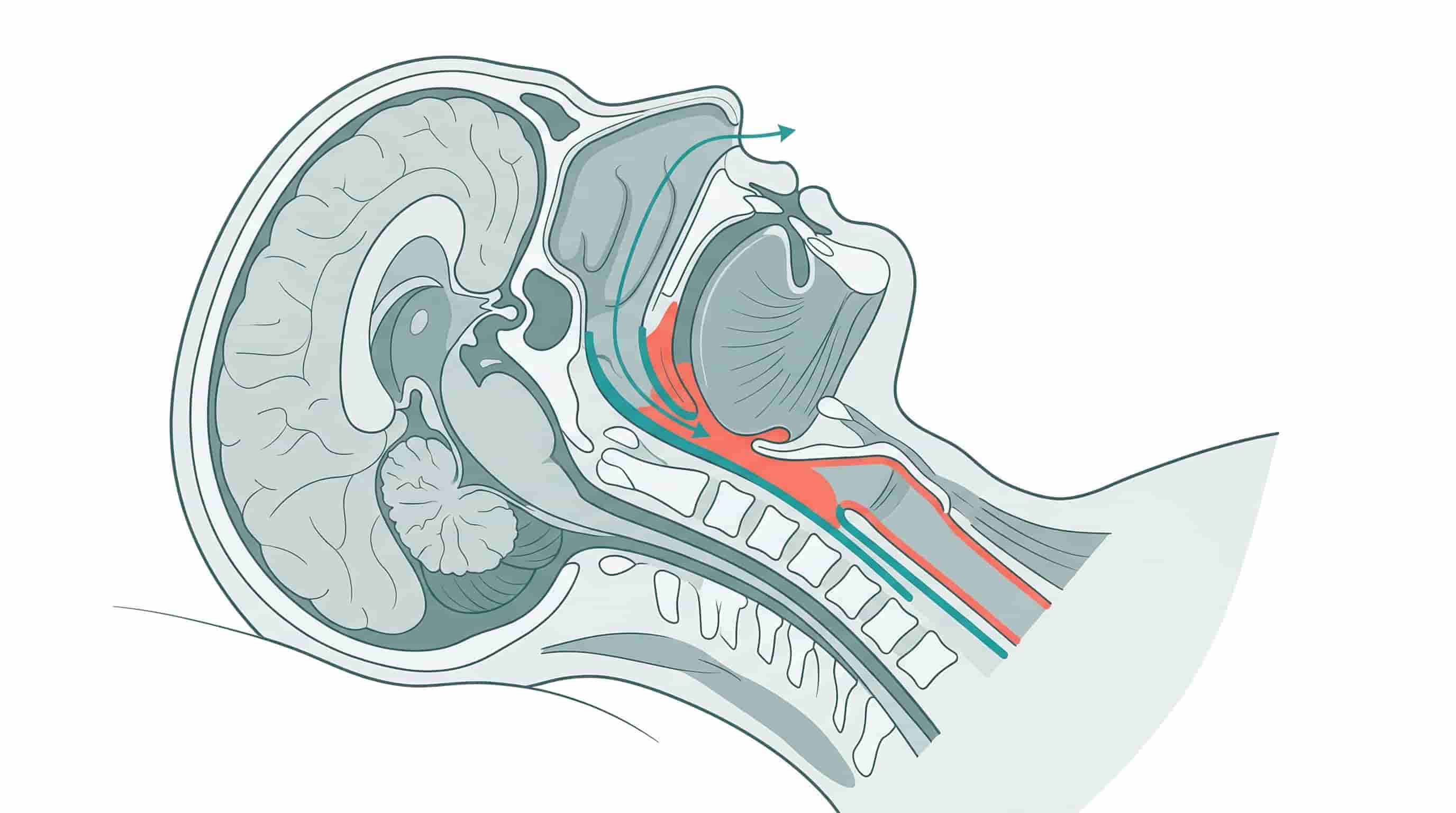
Obstructive Sleep Apnea (OSA) is not simply loud snoring. It is a mechanical failure of the upper airway during sleep — the muscles of the throat relax excessively during sleep, and the tissue of the airway collapses or narrows, blocking airflow. When oxygen levels drop far enough, the brain triggers a micro-arousal to reopen the airway. These arousals are often imperceptible — you do not remember them — but they fragment sleep architecture throughout the night, eliminating deep sleep and most of your REM cycles.
The physiological consequences extend far beyond poor sleep. Recurrent hypoxia (low blood oxygen) triggers sympathetic nervous system activation, oxidative stress, and systemic inflammation. OSA is an independent risk factor for hypertension, type 2 diabetes, atrial fibrillation, stroke, and cognitive decline. A 2021 study in JAMA Neurology found that severe OSA more than doubled the risk of dementia in older adults. This is not a convenience problem. It is a neurological and cardiovascular risk factor.
The Glymphatic connection: Deep sleep is when the glymphatic system clears beta-amyloid and tau proteins from the brain. OSA eliminates slow-wave deep sleep through repeated micro-arousals, disrupting glymphatic clearance every night. This is one mechanism linking OSA to accelerated cognitive decline — the brain's overnight cleaning system is being switched off by the condition you are trying to treat with CPAP.
CPAP, APAP, and BiPAP: What the Three Machine Types Actually Do
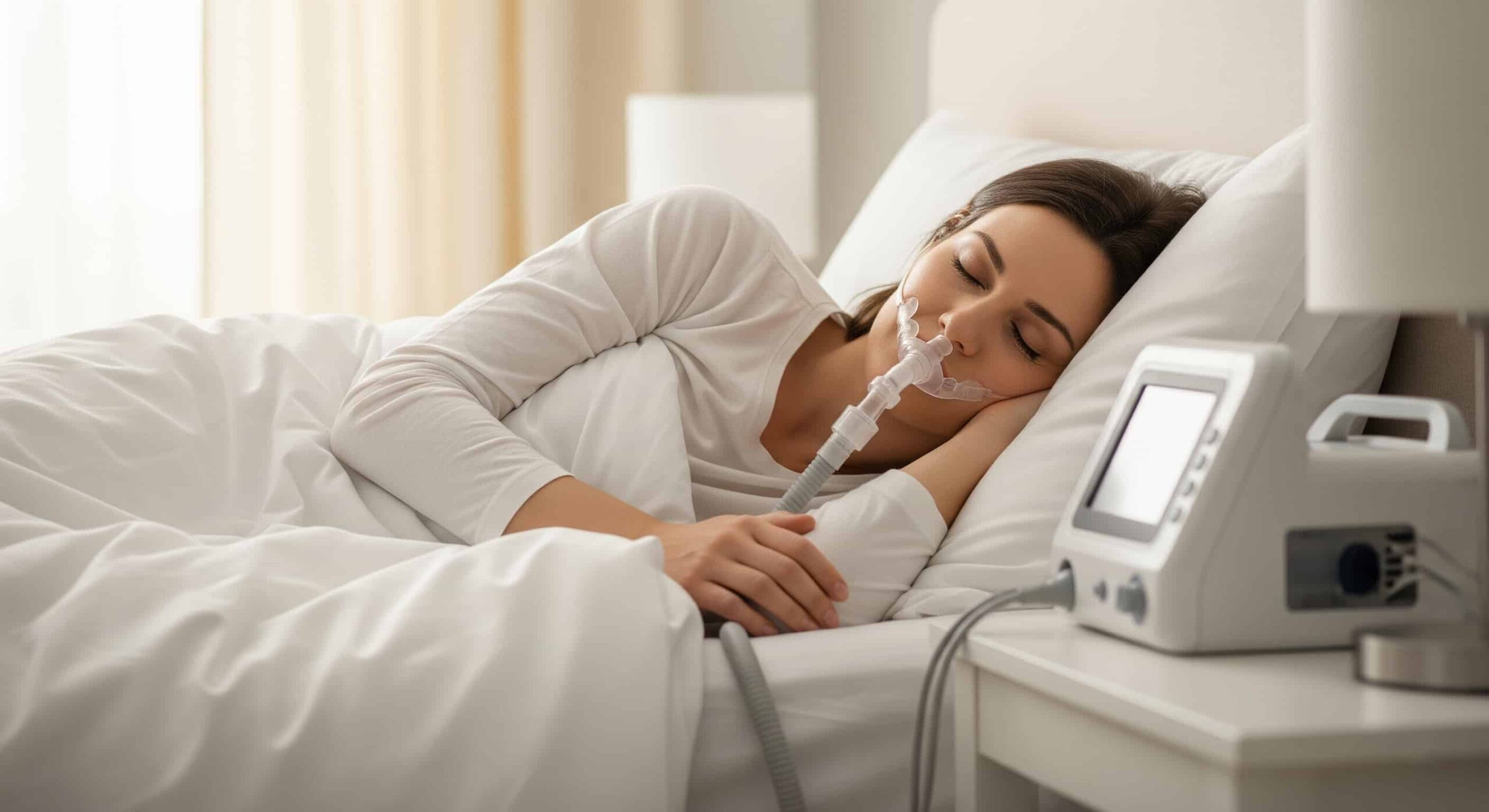
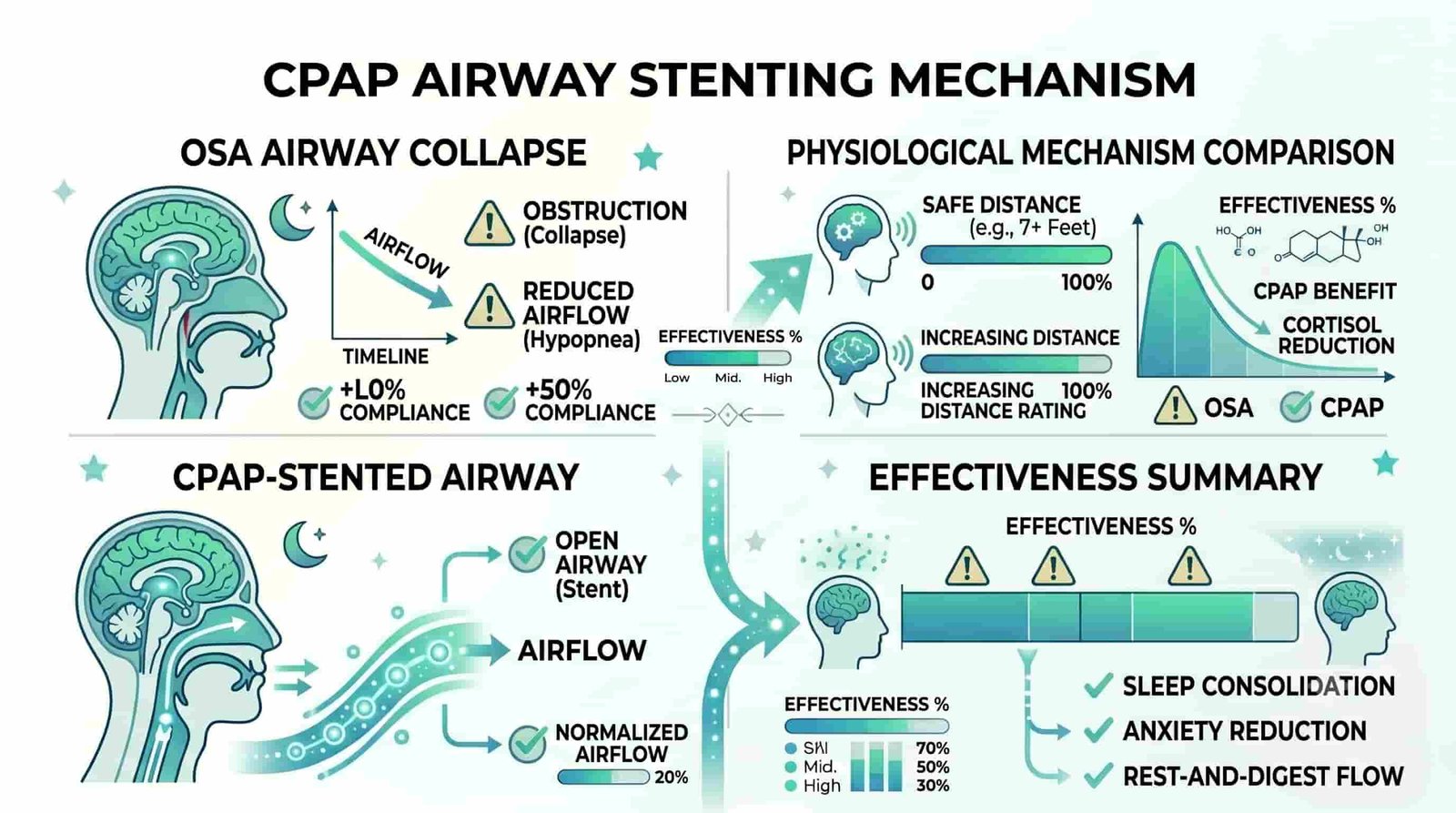
Positive airway pressure therapy works by creating a literal air splint — a column of pressurized air that holds the airway open during inhalation. The machine does not breathe for you. It simply makes the airway mechanically stable so your own respiratory muscles can function against positive pressure.
CPAP (Continuous Positive Airway Pressure) delivers a single fixed pressure throughout the night. It is the original and most studied device. The challenge: the pressure that feels necessary to prevent apneas during deep sleep (when muscle tone is lowest) can feel overwhelming during lighter sleep stages. Many patients describe CPAP as "breathing against a fan."
APAP (Automatic or Auto-Titrating Positive Airway Pressure) is the most commonly prescribed first-line device in 2025. It measures breath-by-breath resistance through the motor and adjusts pressure upward when it detects flow limitation, downward when the airway is stable. The clinical advantage: it delivers the minimum effective pressure at every moment, which improves comfort and adherence. Start here unless your sleep specialist specifies otherwise.
BiPAP (Bilevel Positive Airway Pressure) delivers an exhale pressure (IPAP) and a lower inhale pressure (EPAP). This addresses the most common CPAP complaint — difficulty exhaling against continuous pressure. BiPAP is standard for patients with coexisting COPD, obesity hypoventilation syndrome, or central sleep apnea, and for those who cannot tolerate CPAP despite mask optimization.
The AHI Score Explained: What Numbers Actually Mean for Treatment
The Apnea-Hypopnea Index (AHI) is the primary diagnostic metric for OSA severity. It measures the average number of apneas (complete airflow cessation ≥10 seconds) and hypopneas (partial airflow reduction ≥30% with oxygen desaturation) per hour of sleep.
Classification thresholds: AHI 5–15 = mild OSA, 15–30 = moderate, >30 = severe. These thresholds represent statistical risk categories, not a cliff — a patient with AHI 8 can have significantly impairing symptoms while a patient with AHI 25 may be less symptomatic. Treatment decisions should incorporate symptoms, cardiovascular risk profile, and overnight oxygen data, not AHI alone.
What AHI does not tell you: sleep quality, oxygen saturation nadir, or how fragmented your sleep architecture is. Two patients with the same AHI can have radically different sleep quality. After starting CPAP, the clinically meaningful outcome is resolution of subjective symptoms (daytime sleepiness, morning headaches) and improvement in oxygen saturation, not just a low AHI on the device download report.
Mask Types Compared: Finding the Interface That You Will Actually Wear
The mask is the component that determines CPAP adherence more than any other variable. A machine with perfect pressure settings will fail if the mask leaks, causes pressure sores, or feels claustrophobic. The four main categories:
Full-face mask (oronasal): Covers both nose and mouth. Required for patients who breathe exclusively through their mouth during sleep or who have chronic nasal obstruction. The disadvantage: larger sealing surface means more potential leak points, higher claustrophobia risk, and more difficult to seal if you change sleep position frequently.
Nasal mask: Covers only the nose. The most common starting point. Works well for patients with good nasal breathing. The risk: if you have a cold, allergies, or deviated septum, nasal congestion can force mouth opening and eliminate pressure delivery. Consider a chin strap if choosing a nasal mask.
Nasal pillow mask: Minimal contact — prongs sit at the nostrils with minimal facial contact. Preferred by claustrophobic patients, side sleepers, and anyone who reads or watches TV in bed. The limitation: nasal pillows are not suitable for high-pressure prescriptions (>12 cmH2O) because the direct nostril seal can become uncomfortable.
Hybrid mask: Combines nasal pillows with a mouth pouch (no headgear crossing the face). Less common but effective for patients who need mouth breathing support without the full-face seal.
The Adherence Problem: Why Half of CPAP Users Quit and What to Do About It
The CPAP adherence crisis is documented across dozens of clinical studies. A 2022 systematic review in Sleep journal found that 30–60% of patients prescribed CPAP are non-adherent at 12 months, with the highest dropout rates in the first 4 weeks. The primary reasons: mask discomfort (46%), difficulty exhaling against pressure (36%), nasal congestion (25%), and Claustrophobia (19%).
These are not reasons to abandon CPAP — they are fixable problems. The solution framework: start with APAP (not fixed CPAP) to eliminate pressure as a variable; invest 2–3 weeks finding the mask that actually fits (try at least 3 types); use the ramp feature (starts at low pressure, ramps to therapeutic over 45 minutes) during the adjustment period; treat nasal congestion proactively with nasal steroids or a heated humidifier.
The other adherence killer is the absence of structured onboarding. Most patients receive a CPAP device with minimal instruction and are expected to figure out the rest. The patients who adhere successfully typically have a sleep technician or therapist who follows up in weeks 1, 2, and 4. If you have no follow-up support, build it yourself — download your device data weekly, note how you feel, and troubleshoot proactively rather than waiting until you give up.
CPAP creates an air splint that prevents the throat muscles from collapsing during sleep. The machine does not breathe for you — it simply makes mechanical obstruction impossible.
Pressure Settings and Titration: Finding Your Therapeutic Window
CPAP pressure is measured in cmH2O — the column of air pressure required to keep your airway open. Typical prescriptions range from 6 to 15 cmH2O. Mild OSA might prescribe 6–8 cmH2O; severe OSA often requires 12–20 cmH2O.
Fixed CPAP requires an in-lab titration study to determine the optimal pressure. APAP self-titrates through an algorithm that monitors breath patterns and adjusts to the minimum effective pressure. Clinical guidelines (AASM 2020) now recommend APAP as the standard first-line approach for most patients because it eliminates the need for a separate titration study and adapts to pressure needs that vary across sleep stages.
The therapeutic window concept is important: too little pressure fails to eliminate apneas; too much causes discomfort, leak, and non-use. The goal is the minimum pressure that eliminates all apneas, hypopneas, and respiratory effort-related arousals. If you have symptoms despite an AHI < 5 on your device report, your pressure may be at the low end of your therapeutic window — discuss a pressure increase with your sleep physician.
Heated Humidification and Rainout: The Variables That Nobody Explains
Heated humidification is one of the most underutilized CPAP features — and one of the most significant adherence factors. Dry air flowing through the airway at pressure for 7–8 hours per night causes mucosal irritation, morning nosebleeds, dry throat, and coughing. Heated humidification warms and moisturizes the airflow and eliminates most of these symptoms.
Rainout is the opposite problem: when the air cools as it travels from the machine (which is usually warmer) through the tube to the mask (which is in a cooler room), condensation forms in the tube and can cause gurgling sounds or water entering the mask. The solution is a heated tube (available on most modern APAP devices) that maintains a consistent temperature gradient through the tube, preventing condensation.
If your device does not have a heated tube option, keep the tubing under the covers to insulate it, or lower the humidifier setting. Do not turn off the humidifier — the mucosal damage from dry air will reduce adherence faster than rainout irritation.
Managing CPAP Side Effects Without Quitting
Every common CPAP side effect has a specific engineering solution. The most common complaints and what to actually do about them:
Dry mouth (morning): Indicates mouth breathing, which bypasses the humidifier benefit (humidification happens in the nasal passages). Add a chin strap to encourage nasal breathing, or switch from a nasal mask to a full-face mask if nasal breathing is not feasible for you.
Nasal congestion / nosebleeds: Start with a heated humidifier. If persistent, add a nasal steroid spray (fluticasone or similar) for 2 weeks. Rinse the nasal passages with saline before bed. Ensure the mask is not sealing too tightly — overtightening causes local irritation and inflammation.
Facial pressure / skin breakdown: Always a fit problem. The mask should seal with minimum tension — if you are overtightening to prevent leaks, you have the wrong mask size or type. Most masks come in multiple cushion sizes. Visit a DME (durable medical equipment) provider with a mask fitting specialist.
Gas and bloating (aerophagia): Swallowed air is a sign of pressure being too high for your current exhale comfort. APAP machines address this automatically. If on fixed CPAP, discuss lowering pressure by 1–2 cmH2O.
Lifestyle Factors That Affect CPAP Effectiveness and Sleep Quality
CPAP does not exist in isolation. Your sleep hygiene, body position, and substance use all interact with OSA severity and CPAP effectiveness.
Sleep position: Supine (back) sleeping worsens OSA in most patients — gravity allows the tongue and soft palate to collapse more easily. Side sleeping reduces AHI by 30–50% in many patients. If you cannot maintain side sleeping (most people revert to supine within weeks without a positional aid), consider a positional alarm or a small pillow strapped to your back to prevent supine sleep during the adjustment period.
Alcohol: Alcohol is the single largest acute aggravator of OSA. It relaxes the pharyngeal muscles, raises the arousal threshold (meaning you have less protective response to apneas), and suppresses REM sleep. Even a single evening drink can double the number of apneas during the second half of the night. No alcohol within 3 hours of bedtime is a non-negotiable for OSA patients.
Weight: Obesity is both a risk factor for OSA and a modifier of its severity. Weight gain of 10% can increase AHI by 50%. CPAP reduces cardiovascular risk but does not cure OSA — if significant weight loss occurs, AHI can decrease enough to reclassify severity. Conversely, weight gain can increase pressure requirements over time.
The Bottom Line: How to Make CPAP Work for You
The evidence is unambiguous: CPAP therapy reduces cardiovascular mortality, improves daytime sleepiness, reduces atrial fibrillation recurrence after ablation, and improves glycemic control in diabetics with OSA. The treatment works. The adherence problem is an implementation failure, not a therapy failure.
What the best outcomes have in common: an APAP device with heated humidification and heated tube, a properly fitted mask that was selected with professional guidance, structured follow-up in weeks 1 and 4, and proactive management of side effects rather than waiting until they cause discontinuation.
Start with APAP, not fixed CPAP
Try at least 3 mask types before deciding CPAP is uncomfortable
Use the ramp feature during the adjustment period
Enable heated humidification from night one
Follow up on device data weekly for the first month
Address side effects in week 1, not week 4
A properly configured CPAP setup with heated humidification and well-fitted mask should be nearly unnoticeable after the first two weeks of use — the machine becomes part of the sleep environment.
Frequently Asked Questions About CPAP Therapy
What is the difference between CPAP, APAP, and BiPAP?
CPAP delivers one fixed pressure throughout the night. APAP (AutoPAP) automatically adjusts pressure breath-by-breath, delivering the minimum effective pressure at every moment. BiPAP delivers separate inhale and exhale pressures, with exhale pressure lower than inhale pressure — used primarily for patients with COPD, central sleep apnea, or those who cannot tolerate CPAP exhalation pressure. APAP is the recommended first-line device for most OSA patients.
How many hours per night do I need to use CPAP for it to work?
The minimum therapeutic threshold is generally considered 4 hours per night for 70% of nights. However, full therapeutic benefit requires closer to 6–7 hours per night. Patients who use CPAP for only 3–4 hours often still have residual daytime sleepiness and incomplete cardiovascular protection. The goal should be 7+ hours per night as a long-term habit, not the minimum compliance threshold.
Why do so many CPAP users quit within the first year?
The most common reasons are mask discomfort (46% of quit cases), difficulty exhaling against pressure (36%), nasal congestion (25%), and claustrophobia (19%). These are engineering problems with engineering solutions — proper mask fitting, APAP instead of fixed CPAP, heated humidification, and gradual acclimatization. Most patients who quit were not given adequate onboarding support to solve these problems before abandoning therapy.
What AHI score means my sleep apnea is severe enough for CPAP?
AHI 5–15 = mild OSA, 15–30 = moderate, >30 = severe. CPAP is generally recommended for AHI ≥15, though patients with AHI 5–15 with documented symptoms (daytime sleepiness, hypertension, cardiovascular disease) also benefit. AHI alone does not determine treatment need — symptom burden, oxygen saturation data, and cardiovascular risk profile should all factor into the decision.
Which CPAP mask type is best for me?
The best mask is the one you will actually wear. Nasal pillow masks have the highest adherence rates due to minimal facial contact and comfort, but they are unsuitable for high pressure (>12 cmH2O) or mouth breathers. Nasal masks are the standard starting point. Full-face masks are necessary for mouth breathers and those with chronic nasal obstruction. If your first mask is wrong, try two more before concluding CPAP is uncomfortable.
Does CPAP completely cure sleep apnea?
No. CPAP is a mechanical management tool, not a cure. The apneas return every night you skip the device. However, sustained CPAP use eliminates the cardiovascular and neurological consequences of untreated OSA. OSA is a chronic condition that requires chronic management — similar to hypertension, which is managed with medication, not cured by it.
How do I know if my CPAP pressure is correct?
Symptoms are the primary indicator: if daytime sleepiness resolves, morning headaches disappear, and you feel restored after sleep, your pressure is likely adequate. Device download data showing AHI < 5 on most nights is the secondary indicator. If symptoms persist despite an AHI < 5 on the report, your pressure may be at the low end of your therapeutic window — discuss a slight increase with your sleep physician.
Can I travel with a CPAP machine?
Yes — all modern CPAP/APAP devices are approved for air travel and are considered medical equipment (not counted as carry-on luggage). Most devices operate on both AC and DC (12V) power. International travel requires a plug adapter; some regions require a voltage converter. A travel-specific smaller device is available for frequent travelers who want a backup or more portable option.
What is the treatment for central sleep apnea vs obstructive sleep apnea?
Central sleep apnea (CSA) occurs when the brain fails to signal the muscles to breathe, rather than a physical airway obstruction. CSA is treated differently from OSA — adaptive servo-ventilation (ASV) is the primary device treatment for most CSA types. CPAP and APAP can worsen certain CSA subtypes. Diagnosis requires a sleep study that includes respiratory effort measurement to distinguish CSA from OSA. This guide addresses OSA; central sleep apnea requires a separate clinical evaluation.
Does weight loss eliminate the need for CPAP?
Significant weight loss (10–15% of body weight) can reduce AHI substantially and may reduce OSA severity classification. Some patients who achieve and maintain major weight loss can reduce or eliminate CPAP use. However, weight fluctuations are common, and OSA tends to progress with age regardless of weight. CPAP should not be discontinued based on weight loss alone — a follow-up sleep study is required to reclassify OSA severity off the device.
Ready to Actually Treat Your Sleep Apnea?
If you have been diagnosed with OSA and prescribed CPAP, the difference between success and abandonment is proper onboarding. Take the Slumbelry Sleep Assessment to understand your complete sleep profile and get a device-agnostic review of your treatment options.
Sleep is the most vulnerable state of human existence. It is where we heal, reset, and grow.
At Slumbelry, we do not just sell sleep products; we advocate for your physiological right to rest. From ergonomic support to light management, every solution we offer is designed with one obsession: Respecting your Biology.
Science is our language, but your recovery is our purpose. You take care of everything else in your life — let us take care of your sleep.
Rest Deeply, The Slumbelry Team
Medical References:
1. Patil, S. P., et al. (2019). Treatment of adult obstructive sleep apnea with positive airway pressure. AJRCCM, 200(6), e45–e67.
2. Gottlieb, D. J., et al. (2021). CPAP therapy and cardiovascular outcomes in OSA. JAMA, 326(7), 639–651.
Understanding the Roots of Insomnia: Common Causes and Triggers
Insomnia Causes: Why You Can’t Sleep and What Your Body Is Actually Doing | Slumbelry Sleep Science
Your Brain on Insomnia: Why Every Cause Triggers the Same Final Pathway
Written by Dr. Lycan Dizon, Slumbelry Chief Sleep Consultant · Updated 2025
⚡ Core Takeaway: All Roads Lead to Hyperarousal
The final pathway is the same: Every insomnia trigger — stress, pain, environment, diet, anxiety — activates the HPA axis and sympathetic nervous system. This is not five different problems. It is one mechanism viewed from five entry points.
Insomnia is not a sleep problem: It is a hyperarousal problem that happens to manifest as a sleep problem. Treatment that targets only sleep behavior without addressing hyperarousal will fail.
Cortisol is the key: Elevated evening cortisol is the most consistent biological marker of chronic insomnia. Lowering it — through environmental, behavioral, and cognitive interventions — is the treatment target, not sleep itself.
Insomnia is not a sleep problem. It is a hyperarousal problem that happens to manifest as a sleep problem. Understanding this changes everything about how you treat it.
Insomnia causes are not five separate problems. They are five different entry points into the same final pathway: HPA axis activation and the resulting elevation of evening cortisol. Every insomnia trigger — psychological stress, behavioral habits, medical conditions, circadian misalignment, environmental disruption — produces the same neurological state: a hyperaroused nervous system that cannot transition into the parasympathetic state required for sleep onset. Understanding this convergence is the key that unlocks everything else about insomnia treatment.
What Is Insomnia — and Why the Definition Determines the Treatment
Insomnia is defined by the DSM-5 as persistent difficulty with sleep onset, maintenance, or quality — despite adequate opportunity and time for sleep — that produces clinically significant daytime impairment. The key phrase is “despite adequate opportunity.” People with insomnia do not lack the opportunity to sleep. They lack the physiological capacity to achieve it. This distinction is critical: insomnia is not primarily a behavioral problem or a scheduling problem. It is a neurological dysregulation problem in which the brain fails to transition into the parasympathetic state required for sleep onset, regardless of how tired the body is.
The Hyperarousal Model
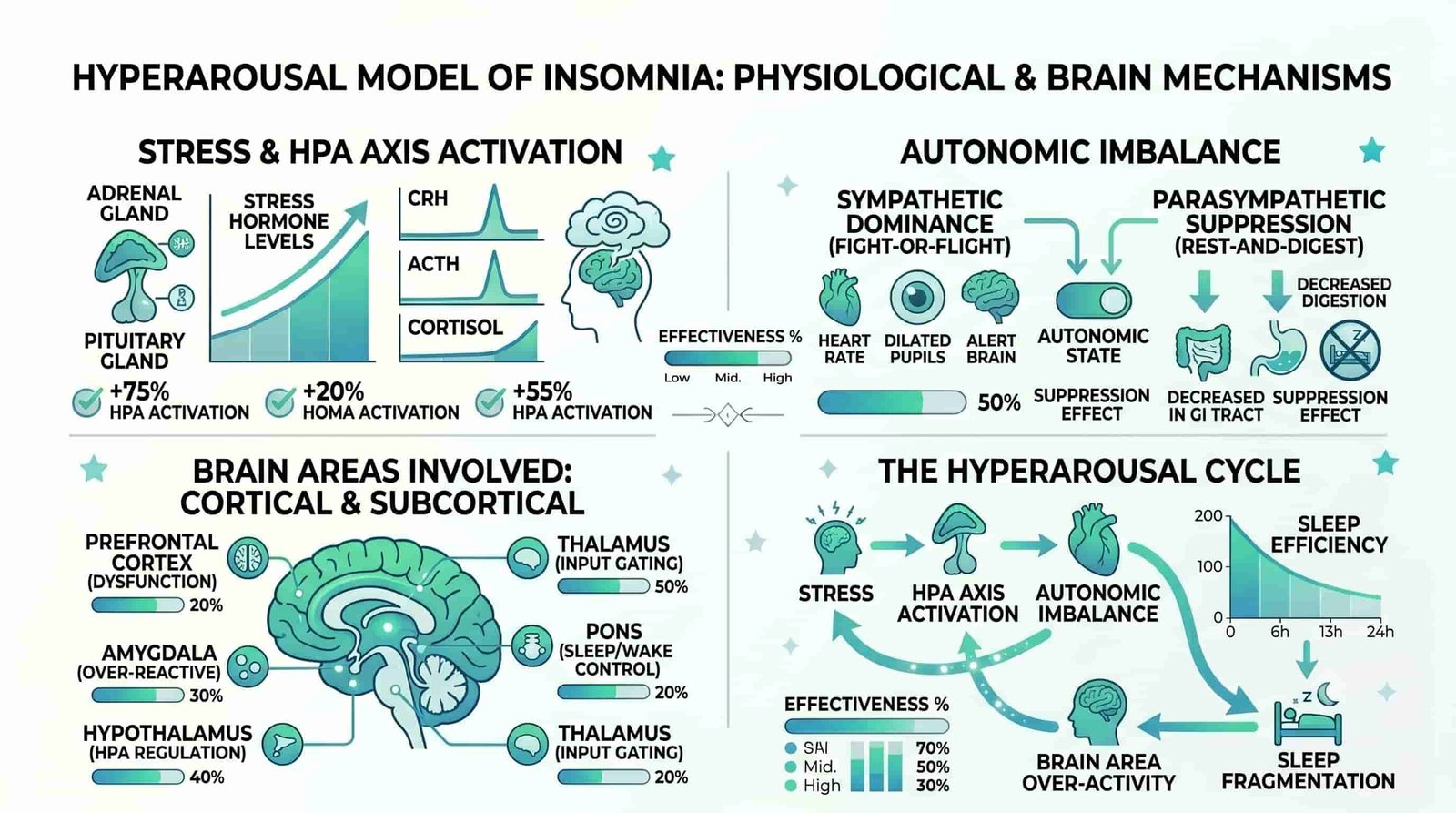
The prevailing model of chronic insomnia is the hyperarousal model — proposed by Richard Bootzin and Thomas Perlis — which states that insomnia is maintained by a persistent elevation of physiological and cognitive arousal that prevents the sleep-wake transition. This arousal is not limited to nighttime: people with chronic insomnia show elevated cortisol across the full 24-hour cycle, increased heart rate variability patterns consistent with sympathetic dominance, and elevated brain metabolic activity during sleep attempts. They are not relaxed people who cannot sleep. They are hyperaroused people who have forgotten what relaxed feels like.
Every insomnia trigger — stress, pain, environment, diet, anxiety — converges on the same final pathway: HPA axis activation and elevated evening cortisol. This is not five different problems. It is one mechanism viewed from five entry points.
The HPA Axis: The Master Circuit That Decides Whether You Sleep or Not
The hypothalamic-pituitary-adrenal (HPA) axis is the body’s central stress response system — a three-node circuit that governs cortisol release in response to perceived threats. When the hypothalamus detects a threat (physical, psychological, or even anticipatory), it releases corticotropin-releasing hormone (CRH), which triggers the pituitary to release ACTH, which tells the adrenal glands to release cortisol. Cortisol is your body’s primary wakefulness hormone. Every anxiety, every worry, every physical pain signal that reaches your brain during a sleep attempt activates some portion of this circuit — and every activation delays sleep onset.
Cortisol and Sleep Onset
Normally, cortisol follows a circadian rhythm: peaks at approximately 8-9 AM (the cortisol awakening response), declines through the afternoon, and reaches its lowest point between midnight and 2 AM. In chronic insomnia, this rhythm is disrupted: evening cortisol is elevated above normal levels, meaning the biological signal that tells your brain “it is safe to sleep” is suppressed. This elevated evening cortisol is the most consistent biological marker of chronic insomnia — more consistent than sleep architecture abnormalities or daytime sleepiness scores.
Category 1: Psychological Causes — Stress, Anxiety, and the Rumination Loop
Psychological stress is the most common precipitant of acute insomnia — and the most common perpetuator of chronic insomnia. When the prefrontal cortex processes threats (work pressure, relationship conflict, financial worry, health anxiety), it activates the amygdala, which signals the hypothalamus to initiate the HPA axis response. The result: elevated cortisol at exactly the time when cortisol should be at its nadir.
The most damaging psychological pattern in insomnia is not the stress itself — it is rumination. Rumination is the sustained cognitive engagement with threat-related content: replaying the day, anticipating tomorrow, calculating deficits. Each rumination episode re-activates the threat-processing circuitry, triggering another cortisol pulse. The insomnia patient’s bedroom becomes a threat-processing environment rather than a sleep environment.
Why Worry About Sleep Becomes a Self-Fulfilling Prophecy
Sleep-related anxiety — the fear of not being able to sleep — is one of the most powerful perpetuators of insomnia. When you enter the bedroom expecting to not sleep, your brain activates the anticipatory anxiety response before you even lie down. This pre-sleep anxiety produces enough cortisol to delay sleep onset by 30-60 minutes. When sleep does not come quickly, the anxiety intensifies, producing more cortisol. This is the anxiety-insomnia cycle: anxiety about sleep produces cortisol, which prevents sleep, which produces more anxiety. Breaking this cycle requires interrupting the anxiety response before it reaches the HPA axis.
Category 2: Behavioral Causes — The Habits That Prevent Sleep Onset
Sleep hygiene — the behavioral and environmental factors that support sleep — is the most modifiable category of insomnia causes. Poor sleep hygiene does not cause chronic insomnia on its own, but it creates the conditions that allow acute insomnia to become chronic: it elevates baseline arousal, disrupts circadian timing, and builds the association between bed and wakefulness.
⚡ The Five Worst Sleep Hygiene Habits
Irregular wake times: Varying your wake time by more than 30 minutes destroys the circadian anchor. The SCN cannot establish a reliable sleep-wake pattern without a consistent wake signal.
Evening screen use: Phone/tablet use in bed activates cognitive engagement (not rest) and delivers blue-wavelength light that suppresses melatonin. The bed becomes associated with wakefulness, not sleep.
Daytime napping: Napping after 3 PM reduces homeostatic sleep pressure that accumulates during wakefulness. This makes it harder to fall asleep at the desired bedtime.
Caffeine after 2 PM: Caffeine has a half-life of 5-7 hours. A 3 PM coffee delivers 50% of its stimulatory dose by 10 PM — directly suppressing the adenosine clearance and cortisol decline required for sleep onset.
Alcohol: Produces initial sedation but disrupts REM and N3 deep sleep in the second half of the night, fragments sleep architecture, and suppresses melatonin production. The “sleep” from alcohol is not restorative.
A proper sleep environment eliminates sensory threats so the nervous system can finally stand down. Darkness, temperature, sound — all must be engineered before the bedroom can become a sleep environment.
Category 3: Medical Causes — Pain, Breathing, and the Body’s Alarm Signals
Medical conditions produce insomnia primarily through two mechanisms: elevated sympathetic nervous system activation (pain, respiratory distress, gastrointestinal reflux) and direct disruption of sleep architecture (sleep apnea, restless leg syndrome). Understanding which medical condition is contributing to your insomnia determines whether the treatment target should be the medical condition, the insomnia symptom, or both.
Sleep Apnea: The Most Underdiagnosed Cause of Chronic Insomnia
Obstructive sleep apnea (OSA) causes repeated airway collapse during sleep, triggering micro-arousals (5-15 second awakenings) that the sleeper is rarely aware of. These arousals fragment sleep architecture — reducing N3 deep sleep and REM — and produce daytime somnolence that patients often misattribute to “just not sleeping well.” OSA is diagnosed via polysomnography (sleep study) and is treated with CPAP, oral appliances, or surgical intervention depending on severity. Any patient with chronic insomnia who snores, is overweight, or reports daytime sleepiness should be screened for OSA before other insomnia treatments are initiated.
Category 4: Circadian Causes — When Your Internal Clock Is in the Wrong Time Zone
Circadian rhythm disorders produce insomnia by misaligning the biological sleep window with the socially required sleep window. The SCN sets a preferred sleep time based on light exposure history, body temperature rhythm, and melatonin rhythm. When a person’s required sleep schedule (due to work, social obligations, or parenting) does not align with their SCN’s preferred sleep window, the result is difficulty falling asleep at the required time and difficulty waking at the required time — both of which are labeled insomnia.
The Delayed Sleep Phase Type
The most common circadian insomnia pattern is delayed sleep phase disorder (DSPD): the SCN’s preferred sleep window is shifted later than the social schedule requires. People with DSPD naturally fall asleep at 2-3 AM and wake at 10-11 AM without feeling sleep-deprived. Their biology is not broken — it is simply misaligned with the 9-5 schedule. DSPD is often misdiagnosed as insomnia or laziness. The treatment is strategic morning light exposure (to advance the circadian phase) combined with scheduled light avoidance in the evening — not sleep medication.
Category 5: Environmental Causes — The Room That Is Keeping You Awake
The sleep environment is the most straightforward insomnia trigger category to address — and the most commonly overlooked. Every sensory input in the bedroom (light, sound, temperature, tactile comfort) either supports or undermines the parasympathetic state required for sleep. Environmental insomnia triggers are distinct from behavioral triggers in that they operate through sensory pathways, not cognitive ones: the noise that wakes you, the streetlight that suppresses your melatonin, the room that is 26°C when your body needs 18°C.
⚡ The Bedroom Environment Checklist
Temperature: 18-20°C is the validated optimal bedroom temperature range for sleep. Above 24°C, sleep onset is measurably delayed and N3 deep sleep is reduced.
Light: Below 1 lux during sleep. Below 10 lux in the final 2 hours before bed. Blackout curtains and eye masks are not luxury items — they are sleep equipment.
Sound: Below 40 dB. Any consistent noise above this threshold delays sleep onset. White noise or acoustic masking is the solution for noisy environments.
Mattress and pillow: The mattress must support spinal alignment without creating pressure points. The pillow must maintain the cervical curve. If you wake with neck pain, your pillow height is wrong.
The Insomnia-Glutamate-GABA Imbalance: Why You Cannot Just “Calm Down”
People with chronic insomnia often receive the well-meaning but unhelpful advice: “Just relax.” The problem is neurological: chronic insomnia is associated with a measurable imbalance between the brain’s primary excitatory neurotransmitter (glutamate) and its primary inhibitory neurotransmitter (GABA). This is not a character deficit or a failure of willpower. It is a neurochemical state that makes relaxation genuinely difficult — not impossible, but much harder than it is for people without insomnia.
CBT-I as the Evidence-Based Treatment
Cognitive Behavioral Therapy for Insomnia (CBT-I) is the first-line clinical treatment for chronic insomnia — endorsed by the American College of Physicians and the American Academy of Sleep Medicine as more effective than medication for long-term outcomes. CBT-I works by addressing the cognitive and behavioral perpetuators of the hyperarousal state: it eliminates sleep-extinction behaviors (spending excess time in bed awake), establishes a consistent wake time anchor, reduces sleep-related anxiety through psychoeducation and behavioral experiments, and trains stimulus control (bed = sleep, not wakefulness). The combination of these interventions measurably reduces evening cortisol and restores the normal cortisol circadian rhythm.
Why Medications Are a Bridge, Not a Destination
Sedative-hypnotic medications (benzodiazepines, Z-drugs, suvorexant, melatonin agonists) are effective for acute insomnia and useful as a short-term bridge while CBT-I protocols are being implemented. They are not a long-term solution for chronic insomnia because they do not address the underlying hyperarousal dysregulation — they mask the symptom by forcing sedation without restoring the normal sleep-wake transition mechanism. Long-term use of sedative-hypnotics is associated with tolerance, dependence, rebound insomnia on discontinuation, and in older adults, increased fall risk and cognitive impairment.
⚡ When to Consider a Sleep Medication
Acute insomnia triggered by a known, time-limited stressor (bereavement, travel, acute illness)
As a bridge during the first 4-6 weeks of CBT-I implementation
When hyperarousal is severe enough that CBT-I alone cannot manage it without pharmacological support
In all other cases, CBT-I is the treatment of choice and should be tried before medication.
The Slumbelry Framework: Insomnia Is a Systems Problem
Slumbelry approaches insomnia as a systems problem: the symptom is sleep disruption, but the cause is hyperarousal — and hyperarousal is produced by a combination of factors across all five categories (psychological, behavioral, medical, circadian, environmental). The treatment is not a single intervention. It is a systematic audit of which categories are contributing to the hyperarousal state, and a targeted intervention on each contributing category.
The Slumbelry Insomnia Audit Protocol
The Slumbelry insomnia protocol begins with one question: what category of hyperarousal trigger is dominant in this person’s case? The audit covers all five categories: psychological (Are there active threat-processing loops running at bedtime?); behavioral (Are there sleep-extinction behaviors keeping wakefulness in the bedroom?); medical (Has sleep apnea been ruled out?); circadian (Is the sleep window misaligned with the SCN’s preferred timing?); environmental (Is the bedroom providing the sensory conditions for parasympathetic activation?). The answer to this question determines the treatment priority. Fix the dominant category first. Address the others in order of contribution.
Action step: Tonight, before you sleep, notice what you are thinking about. If it is threat-related content (work, relationships, health, sleep itself), that is your entry point. The fix for psychological insomnia is not a better mattress. It is learning to close the threat-processing loop before you enter the bedroom.
Frequently Asked Questions About Insomnia Causes
What is the hyperarousal model of insomnia and why does it matter?
The hyperarousal model (Bootzin and Perlis) states that chronic insomnia is maintained by persistent elevation of physiological and cognitive arousal that prevents the sleep-wake transition — not by insufficient sleep pressure or poor sleep hygiene as primary causes. This arousal is measurable 24 hours a day: people with chronic insomnia show elevated cortisol across the full circadian cycle, increased sympathetic nervous system dominance in heart rate variability, and elevated brain metabolic activity during sleep attempts. The critical implication: insomnia is not primarily a sleep problem. It is a hyperarousal problem that happens to manifest as a sleep problem. Every treatment that does not address hyperarousal will produce limited or temporary results.
How does the HPA axis cause insomnia?
The hypothalamic-pituitary-adrenal (HPA) axis is the body’s central stress response system. When the hypothalamus detects a threat, it releases CRH, triggering pituitary ACTH release, which tells the adrenal glands to release cortisol — the primary wakefulness hormone. Normally, cortisol peaks at 8-9 AM and reaches its lowest point between midnight and 2 AM. In chronic insomnia, evening cortisol is elevated, suppressing the biological signal for sleep. Every anxiety, worry, physical pain signal, or anticipatory threat that reaches the brain during a sleep attempt activates some portion of this circuit. Elevated evening cortisol is the most consistent biological marker of chronic insomnia, more consistent than sleep architecture abnormalities.
How does stress and rumination trigger chronic insomnia?
Psychological stress is the most common precipitant of acute insomnia — but rumination is the mechanism that turns acute insomnia into chronic. When the prefrontal cortex processes threats (work pressure, relationship conflict, health anxiety), it activates the amygdala, signaling the hypothalamus to initiate the HPA response. Rumination (replaying the day, anticipating tomorrow, calculating sleep deficits) re-activates this threat-processing circuit repeatedly, producing repeated cortisol pulses at exactly the time cortisol should be minimal. The bedroom becomes a threat-processing environment rather than a sleep environment. Sleep-related anxiety is the most damaging form of rumination: the fear of not sleeping produces enough cortisol to delay sleep onset by 30-60 minutes, which becomes a self-fulfilling prophecy.
What is CBT-I and why is it considered the first-line treatment for insomnia?
Cognitive Behavioral Therapy for Insomnia (CBT-I) is the first-line clinical treatment for chronic insomnia, endorsed by the American College of Physicians and American Academy of Sleep Medicine as more effective than medication for long-term outcomes. CBT-I addresses the cognitive and behavioral perpetuators of the hyperarousal state through: stimulus control (re-associating the bed with sleep rather than wakefulness), sleep restriction (reducing time in bed to actual sleep time, building sleep pressure), cognitive restructuring (reducing sleep-related anxiety through psychoeducation), and sleep hygiene optimization. CBT-I measurably reduces evening cortisol and restores the normal cortisol circadian rhythm — addressing the underlying mechanism rather than masking symptoms with sedation.
What is the connection between insomnia and anxiety disorders?
Anxiety disorders and insomnia have a bidirectional relationship: anxiety disorders precipitate and perpetuate insomnia, and chronic insomnia worsens anxiety symptom severity. Generalized anxiety disorder, panic disorder, and PTSD are all associated with HPA axis dysregulation — the same mechanism that maintains insomnia. The overlap is not coincidental: both conditions involve chronic elevation of the threat-processing circuitry that activates the sympathetic nervous system. Treatment must address both conditions simultaneously, because treating only the anxiety while leaving the insomnia untreated leaves a trigger for anxiety relapse, and vice versa.
What medical conditions most commonly cause or worsen insomnia?
Medical causes of insomnia operate through two primary mechanisms: sympathetic nervous system activation (pain, respiratory distress, GERD) and sleep architecture disruption (sleep apnea, restless leg syndrome). The most underdiagnosed and clinically significant is obstructive sleep apnea (OSA): repeated airway collapse during sleep causes micro-arousals (5-15 second awakenings) that the sleeper is rarely aware of, fragmenting N3 deep sleep and REM and producing daytime somnolence often misattributed to ‘not sleeping well.’ Any patient with chronic insomnia who snores, is overweight, or reports daytime sleepiness should be screened for OSA before other insomnia treatments. Other common medical contributors: chronic pain (activates sympathetic arousal), GERD (esophageal pain triggers arousal), hyperthyroidism (elevates metabolic and sympathetic tone), and diabetes (nocturnal hypoglycemia and urinary frequency).
How does sleep hygiene affect chronic insomnia?
Sleep hygiene is the behavioral and environmental foundation on which all other insomnia treatments rest. Poor sleep hygiene does not cause chronic insomnia on its own, but it elevates baseline arousal and disrupts circadian timing — the conditions that allow acute insomnia to become chronic. The five most damaging sleep hygiene habits: irregular wake times (destroying the SCN’s circadian anchor), evening screen use (blue light plus cognitive activation), daytime napping after 3 PM (reducing homeostatic sleep pressure), caffeine after 2 PM (50% of a 3 PM coffee’s dose remains at 10 PM), and alcohol (disrupts REM and N3 in the second half of the night). Improving sleep hygiene alone is insufficient for chronic insomnia — it must be combined with CBT-I and medical screening — but no other intervention will work well without it.
How do circadian rhythm disorders cause insomnia?
Circadian rhythm disorders produce insomnia by misaligning the biological sleep window with the socially required sleep window. The SCN sets a preferred sleep time based on light exposure history and temperature rhythm. When required sleep schedules do not align with SCN-preferred timing, the result is difficulty falling asleep at required times (often misdiagnosed as insomnia) and difficulty waking at required times (morning insomnia). Delayed sleep phase disorder (DSPD) — where the SCN’s preferred window is shifted 2-4 hours later than the social schedule — is the most common circadian insomnia pattern. DSPD is often misdiagnosed as behavioral insomnia or laziness. Treatment is strategic morning light exposure (advances circadian phase) combined with evening light avoidance — not sleep medication.
What is the connection between insomnia and depression?
The insomnia-depression relationship is bidirectional and self-reinforcing: depression predisposes to insomnia through disruption of the neurochemical systems involved in sleep-wake regulation (serotonin, norepinephrine, dopamine), and chronic insomnia worsens depression severity through HPA axis dysregulation, reduced hippocampal neuroplasticity, and accumulated sleep debt. Sleep disturbance is not just a symptom of depression — it is an independent risk factor for new depression onset and depression recurrence. Approximately 75% of patients with depression experience insomnia. Treatment of both conditions simultaneously (rather than sequentially) produces the best outcomes — typically CBT-I combined with behavioral activation for depression.
When should someone seek professional help for insomnia rather than using self-help strategies?
Seek professional help when: insomnia has persisted for more than 4 weeks despite sleep hygiene improvements; daytime impairment is significant (mood disturbance, cognitive impairment, safety risk from sleepiness); symptoms suggest an underlying medical or psychiatric disorder requiring treatment (snoring with daytime sleepiness suggesting OSA; mood symptoms suggesting depression; panic symptoms suggesting anxiety disorder); there is a history of substance use that may complicate treatment; or self-help strategies have been attempted without improvement. A proper evaluation includes: detailed sleep history, assessment of medical and psychiatric comorbidities, screening for OSA and other sleep disorders, and evaluation for CBT-I or pharmacological treatment. The combination of medical evaluation plus CBT-I produces the best outcomes for chronic insomnia.
Ready to Address the Root Cause of Your Insomnia?
Insomnia is not a sleep problem. It is a hyperarousal problem. The treatment that addresses the root mechanism — not just the symptom — is CBT-I.
Sleep is the most vulnerable state of human existence. It is where we heal, reset, and grow.
At Slumbelry, we do not just sell sleep products; we advocate for your physiological right to rest. From ergonomic support to light management, every solution we offer is designed with one obsession: Respecting your Biology.
Science is our language, but your recovery is our purpose. You take care of everything else in your life — let us take care of your sleep.
Rest Deeply, The Slumbelry Team
Medical References:
1. Bootzin, R. R., & Perlis, M. L. (1992). Nonpharmacologic Treatments for Insomnia. Journal of Clinical Psychology.
2. Riemann, D., et al. (2010). The Hyperarousal Model of Insomnia. Sleep Medicine Reviews.
3. Walker, M. (2017). Why We Sleep. Scribner.
What is Insomnia: Understanding Sleep Disorders and Their Impact
What Is Insomnia? Types, Causes, and When to Get Help | Slumbelry Sleep Science
What Is Insomnia? The Sleep Disorder That Tricks You Into Thinking You’re Fine
Written by Dr. Lycan Dizon, Slumbelry Chief Sleep Consultant · Updated 2025
⚡ Core Takeaway: Insomnia vs. Sleeplessness
Normal sleeplessness: Occasional difficulty sleeping due to stress, travel, or a specific event. Resolves naturally.
The key question: Is your sleep difficulty affecting your daytime functioning — mood, energy, concentration, performance? If yes, it may be insomnia.
Insomnia is not one thing. It is a spectrum — from one rough night to a chronic neurological condition. Understanding where you are on that spectrum determines what action is right.
What is insomnia — and how do you know if your sleep difficulties qualify? Most people who say they have insomnia are describing a rough night. Actual insomnia disorder is a clinical condition affecting 10-15% of the adult population, with a precise diagnostic definition that separates it from normal sleep variation. Understanding that definition is the first step toward knowing whether your sleep difficulties require self-management, professional intervention, or investigation for another underlying condition. This guide covers the clinical definition, types, risk factors, physiological impacts, and when insomnia is actually a symptom of something else.
What Is Insomnia — And How Is It Different From Normal Sleeplessness?
Insomnia is one of the most commonly misunderstood conditions. Most people who say “I’m insomnia” are describing a rough night. Actual insomnia disorder is a clinical condition characterized by persistent difficulty falling asleep, staying asleep, or achieving restorative sleep — occurring at least 3 nights per week for at least 3 months, despite having adequate time and opportunity for rest.
Understanding what insomnia truly is — versus normal variation in sleep — is the first step toward recognizing when sleep difficulties require attention and intervention. The clinical definition exists because occasional sleeplessness and a genuine sleep disorder have fundamentally different causes, prognoses, and treatments.
What Insomnia Is NOT
It’s important to distinguish insomnia from normal sleep variations. These are NOT insomnia: occasional sleeplessness due to stress, excitement, or environmental factors; short sleep duration by choice (staying up late for work or entertainment); sleep disruption due to external factors like noise, light, or temperature; temporary sleep changes during illness, travel, or major life events; natural age-related changes in sleep patterns that don’t cause distress; sleep restriction due to work schedules or caregiving responsibilities. The key difference: persistence, impact on daily life, and the presence of adequate sleep opportunity.
The Clinical Definition: What Actually Qualifies as Insomnia
According to diagnostic standards (DSM-5 and ICSD-3), insomnia disorder is diagnosed when sleep difficulties meet ALL of the following criteria:
Diagnostic Criteria for Insomnia Disorder
Frequency: Occur at least 3 nights per week for a minimum of 3 months. Impact: Cause significant distress or impairment in social, occupational, or other important areas of functioning. Opportunity: Happen despite adequate opportunity for sleep (sufficient time in bed, appropriate sleep environment). Exclusion: Are not better explained by another sleep disorder, medical condition, or substance use.
The key distinction is that insomnia is not about the amount of sleep you get — it is about the quality of sleep and how it affects your daytime functioning. Some people function well on 6 hours of sleep; others need 9 hours. The number is not the diagnosis. The impact is.
Core Symptoms of Insomnia
Nighttime Symptoms: Sleep onset difficulty — taking more than 30 minutes to fall asleep regularly. Sleep maintenance problems — frequent awakenings during the night with difficulty returning to sleep. Early morning awakening — waking up much earlier than desired and being unable to fall back asleep. Non-restorative sleep — feeling unrefreshed despite spending adequate time in bed.
Daytime Consequences: Fatigue, tiredness, or low energy. Difficulty concentrating or remembering. Mood disturbances (irritability, anxiety, depression). Reduced performance at work or school. Increased errors or accidents. Concerns or worries about sleep.
Types of Insomnia: Acute, Chronic, Sleep Onset, Sleep Maintenance, and Mixed
Insomnia is not a single condition. It presents in distinct patterns — and understanding which type you have determines the right intervention.
Duration-Based Classification
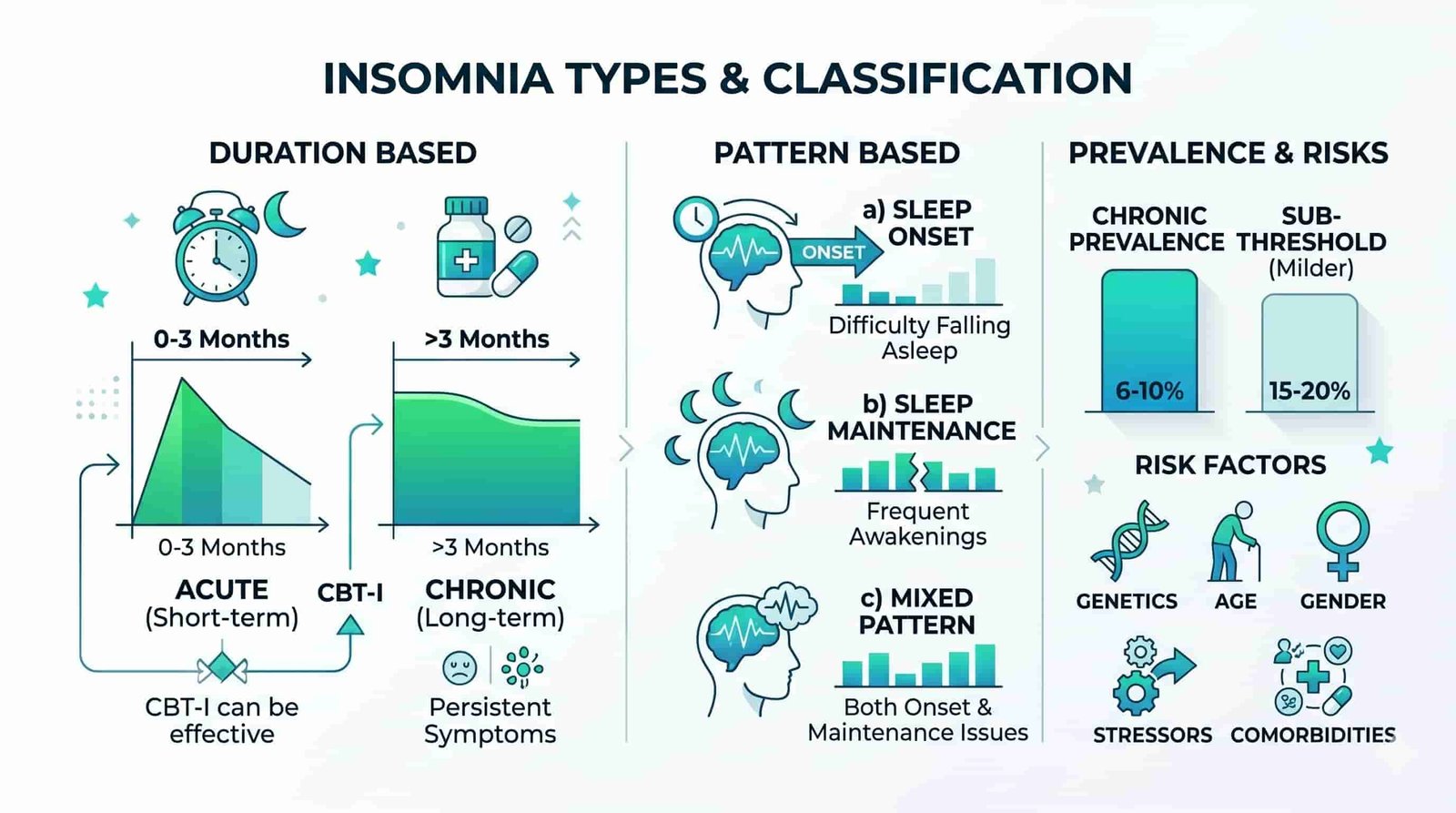
Acute (Short-term) Insomnia: Duration less than 3 months, often lasting days to weeks. Usually linked to identifiable stressors or life events — job loss, relationship problems, illness, travel, major life changes. Often resolves on its own once the trigger is addressed. Can develop into chronic insomnia if not properly managed.
Chronic (Long-term) Insomnia: Duration 3 months or longer, occurring at least 3 nights per week. Often involves multiple contributing factors — behavioral, psychological, and physiological. Significant effects on health, mood, and quality of life. Usually requires professional intervention. May have periods of improvement and worsening.
Pattern-Based Classification
Sleep Onset Insomnia (Initial Insomnia): Difficulty falling asleep at bedtime. Often associated with anxiety, racing thoughts, or hyperarousal. May involve lying awake for hours before sleep. Common in younger adults and those with anxiety disorders.
Sleep Maintenance Insomnia (Middle Insomnia): Difficulty staying asleep — frequent awakenings with difficulty returning to sleep. Associated with medical conditions, aging, or deep sleep fragmentation. Common in older adults and those with chronic pain or anxiety.
Mixed Insomnia: Combination of sleep onset and maintenance difficulties. Most common presentation in chronic insomnia. Reflects multiple underlying mechanisms simultaneously.
Sleep onset, maintenance, and mixed insomnia have different underlying mechanisms — and different optimal treatments. Accurate classification is the first step toward the right intervention.
The 3P Model: Predisposing, Precipitating, and Perpetuating Factors
Insomnia never has a single cause. The 3P model — developed by Dr. Arthur Spielman — explains why insomnia develops and why it persists: three categories of factors combine to produce the full disorder.
The Three Factors
Predisposing factors (who you are): Biological vulnerability to sleep disruption — anxiety sensitivity, high baseline arousal, genetic predisposition, female sex (women are 40% more likely to develop insomnia), older age. These make some people constitutionally more vulnerable to insomnia than others.
Precipitating factors (what happened): Acute stressors that trigger the initial insomnia episode — a stressful life event, illness, grief, job change, relationship crisis, major transition. Almost any significant disruption can trigger acute insomnia in a predisposed individual.
Perpetuating factors (what you do that keeps it going): Behaviors and thoughts that prevent recovery — spending excessive time in bed trying to catch up on sleep, napping to compensate, worrying about sleep causing hyperarousal, using alcohol to self-medicate, inconsistent sleep schedules. These are the factors that turn a normal acute insomnia response into a chronic disorder.
Who Is Most at Risk? The Demographics and Triggers of Insomnia
Insomnia affects approximately 10-15% of the adult population globally, making it one of the most common health conditions. Certain populations are at significantly higher risk.
High-Risk Populations
Women: 40% more likely to develop insomnia than men. Hormonal changes during menstruation, pregnancy, perimenopause, and menopause directly disrupt sleep architecture. Estrogen and progesterone fluctuations affect both sleep onset and maintenance.
Adults over 65: Sleep architecture changes with aging — more fragmented sleep, earlier wake times, reduced deep sleep. These changes interact with medical conditions and medications common in older adults.
People with mental health conditions: 50% of insomnia cases are comorbid with psychiatric conditions — depression, anxiety, PTSD, OCD. The relationship is bidirectional: insomnia causes and worsens psychiatric conditions, and psychiatric conditions cause and worsen insomnia.
Shift workers and travelers: Circadian disruption from shift work affects 20-25% of the workforce. Jet lag and social jet lag (weekend sleep schedule shifts) fragment sleep architecture.
A 1-2 week sleep diary is the most important diagnostic tool for insomnia. Track: time to bed, time to sleep, nighttime awakenings, wake time, and how you feel the next day.
How Insomnia Affects the Brain and Body: The Cumulative Damage of Poor Sleep
Chronic insomnia is not just about feeling tired. It is about accumulated physiological damage across every organ system — and most people with insomnia dramatically underestimate how much it is costing them.
Neurological Impact
Matthew Walker’s research documents that sleep deprivation impairs the prefrontal cortex (executive function, decision-making, emotional regulation) first and most severely. After one night of 6 hours vs. 8 hours, reaction time degrades by 25%. After 7 nights of restriction, cognitive performance is equivalent to 48 hours of total sleep deprivation. The brain also loses its ability to form and retain memories — the hippocampus, which handles memory consolidation, requires deep sleep (N3) to transfer experiences from short-term to long-term storage. Chronic insomnia degrades this capacity permanently over time.
Cardiovascular and Metabolic Impact
Sleep deprivation raises cortisol and adrenaline levels, increasing heart rate and blood pressure. Chronic insomnia is associated with a 45% increased risk of coronary heart disease and a 25% increased risk of stroke. Insulin sensitivity drops with sleep restriction — even one night of 4 hours of sleep produces measurable pre-diabetic changes in blood glucose regulation. Leptin (satiety hormone) drops; ghrelin (hunger hormone) rises. People who sleep less than 6 hours per night are 30% more likely to develop obesity.
Comorbidities: When Insomnia Is a Symptom of Something Else
Insomnia rarely occurs alone. In most chronic cases, it is both a symptom and a cause — maintaining a bidirectional relationship with other conditions.
Common Comorbid Conditions
Anxiety and depression: Present in 50-60% of chronic insomnia cases. The hyperarousal state that maintains insomnia is the same physiological state that drives anxiety. The emotional dysregulation caused by poor sleep worsens depressive symptoms. Treating insomnia improves mental health outcomes; treating mental health conditions improves insomnia.
Chronic pain: Creates a feedback loop — pain disrupts sleep, poor sleep lowers pain threshold, lower pain threshold makes pain feel worse. Addressing both simultaneously is more effective than treating either in isolation.
Sleep apnea: Frequently co-occurs with insomnia, particularly in older adults. Breathing interruptions fragment deep sleep, producing both sleep maintenance insomnia and daytime sleepiness. Undiagnosed sleep apnea is one of the most common reasons insomnia treatment fails.
The Hourglass Effect: Why Acute Insomnia Can Become Chronic If Ignored
The most important thing to understand about acute insomnia is that it has a narrow intervention window. If ignored or mishandled during the acute phase, it can transition into chronic insomnia — which is substantially harder to treat.
The Transition Process
Acute insomnia triggered by a stressor typically resolves when the stressor resolves — if no perpetuating behaviors are introduced. The failure point is behavioral: spending more time in bed to compensate (reducing sleep efficiency), worrying about sleep (activating hyperarousal), and napping (fragmenting homeostatic sleep drive). These behaviors turn acute, self-limiting insomnia into chronic, self-perpetuating insomnia. Research shows that early intervention during the acute phase — before maladaptive behaviors become habitual — prevents the transition to chronicity in 70-80% of cases.
⚡ The Action Window
If you are experiencing acute insomnia triggered by a specific event, take action NOW, while the problem is still acute: maintain consistent bedtimes and wake times. Do not spend more time in bed than usual. Avoid daytime napping. Do not use alcohol as a sleep aid. If the acute insomnia persists beyond 2 weeks, seek professional help before it crosses the 3-month threshold.
When Sleep Trouble Is Actually a Different Sleep Disorder
Not all sleep problems are insomnia. Several other sleep disorders present with similar symptoms and require different treatment approaches. Knowing when to suspect a different disorder is critical.
Conditions Commonly Confused With Insomnia
Sleep apnea: Breathing interruptions during sleep (5-30+ per hour) causing micro-arousals. Usually accompanied by loud snoring, gasping, morning headaches. Diagnosed via polysomnography. Treatment (CPAP) resolves the sleep fragmentation.
Restless leg syndrome (RLS): Uncomfortable sensations in the legs with an irresistible urge to move them, worsening at rest and at night. Disrupts sleep onset. Responds to specific medications (dopamine agonists, gabapentinoids) not used for primary insomnia.
Circadian rhythm disorders: Delayed Sleep Phase Syndrome (night owls who cannot fall asleep until 2-3 AM), Advanced Sleep Phase Syndrome (early risers who fall asleep at 7-8 PM). Misdiagnosed as insomnia because the complaint is difficulty sleeping at conventional times. Treated with chronotherapy and light therapy, not CBT-I.
Parasomnias: Sleepwalking, night terrors, REM behavior disorder — activities during sleep that the sleeper is unaware of. Often misreported as “not sleeping.”
The Slumbelry Framework: Understanding Insomnia Is the First Step to Solving It
Slumbelry’s approach to insomnia begins with a simple inversion: the goal is not to sleep more hours. The goal is to wake up restored. Insomnia exists on a spectrum — from one rough night to a chronic neurological condition. Knowing where you are on that spectrum determines what action is appropriate.
Slumbelry’s Sleep Education Philosophy
We believe that understanding what insomnia is — and is not — is the first step toward solving it. A single night of poor sleep is not insomnia; it is a normal variation. Chronic insomnia disorder is a medical condition that requires professional treatment. Between those two extremes lies a large gray area where self-management, sleep hygiene optimization, and environmental design can prevent the problem from worsening. Slumbelry’s content exists to help you understand which category your sleep difficulties fall into — and when to escalate to professional care.
Action step: Use the diagnostic criteria above to assess where your sleep difficulties fall. If you meet the criteria for insomnia disorder, book a GP appointment within the next two weeks. If you do not, use our sleep hygiene resources to prevent acute insomnia from transitioning to chronic.
Frequently Asked Questions About Insomnia
What is the difference between insomnia and just not sleeping well?
The key distinction is persistence and impact. Occasional sleeplessness due to stress, travel, or excitement is normal — it resolves naturally and causes no significant daytime impairment. Insomnia disorder is clinically defined as: sleep difficulty occurring at least 3 nights per week, for at least 3 months, causing significant daytime impairment, despite adequate sleep opportunity. The diagnostic question is not ‘how many hours did I sleep’ but ‘is my sleep affecting my daytime functioning.’ If you have poor sleep for 2 nights and feel fine the next day, that is not insomnia. If you have poor sleep for 3+ nights per week consistently and feel fatigued, irritable, or cognitively impaired the next day — that may be insomnia.
What are the three main types of insomnia?
Insomnia is classified by both duration and pattern. Duration: Acute (short-term) insomnia — less than 3 months, usually triggered by a specific stressor, often resolves when the stressor is resolved. Chronic insomnia — 3+ months, 3+ nights per week, usually requires professional treatment. Pattern: Sleep onset insomnia — difficulty falling asleep at bedtime, common in anxious individuals. Sleep maintenance insomnia — difficulty staying asleep (frequent awakenings), common in older adults and those with medical conditions. Mixed insomnia — both onset and maintenance difficulties, the most common presentation in chronic insomnia.
What is the 3P model of insomnia?
The 3P model (Predisposing, Precipitating, Perpetuating) explains why insomnia develops and persists. Predisposing factors: your constitutional vulnerability — anxiety sensitivity, high baseline arousal, female sex, older age, genetic predisposition. These make some people more likely to develop insomnia than others. Precipitating factors: the acute trigger — a stressful life event, illness, job loss, grief, relationship crisis. Almost any significant disruption can trigger acute insomnia in a predisposed person. Perpetuating factors: the behaviors that keep insomnia going — spending excessive time in bed, napping to compensate, alcohol use, caffeine dependence, inconsistent schedules, and most importantly: the anxiety about sleep itself which creates the hyperarousal that prevents sleep. Breaking the perpetuating cycle is the primary target of CBT-I.
Who is most at risk for developing insomnia?
Insomnia affects 10-15% of the adult population. Highest-risk groups: Women — 40% more likely than men due to hormonal fluctuations across menstrual cycle, pregnancy, perimenopause, and menopause. Adults over 65 — sleep architecture changes with aging (more fragmented, earlier wake times, reduced deep sleep). People with mental health conditions — 50% of chronic insomnia cases are comorbid with depression, anxiety, PTSD, or OCD. The relationship is bidirectional: each worsens the other. Shift workers and frequent travelers — circadian disruption from irregular schedules affects 20-25% of the workforce. People with chronic medical conditions — chronic pain, thyroid disorders, and respiratory conditions all disrupt sleep.
What damage does chronic insomnia do to the brain and body?
Chronic insomnia causes measurable damage across every organ system. Neurologically: sleep deprivation impairs the prefrontal cortex first — reaction time degrades by 25% after one night of 6 vs 8 hours; after 7 nights, cognitive performance is equivalent to 48 hours of total sleep deprivation. Memory consolidation in the hippocampus requires deep sleep — chronic insomnia degrades this capacity. Cardiovascularly: chronic insomnia increases coronary heart disease risk by 45% and stroke risk by 25%. Metabolically: insulin sensitivity drops after one night of 4 hours sleep (pre-diabetic changes); leptin drops and ghrelin rises, increasing obesity risk by 30%. Immunologically: natural killer cell activity drops by 70% after one night of 4-6 hours of sleep.
Can insomnia be a symptom of another condition?
Yes — and this is one of the most underdiagnosed presentations. Insomnia is both a cause and a consequence of many conditions. Bidirectional relationships exist with: depression and anxiety (50-60% of chronic insomnia cases are comorbid) — treating insomnia improves mental health outcomes; chronic pain (creates a feedback loop: pain disrupts sleep, poor sleep lowers pain threshold) — requires simultaneous treatment; sleep apnea (breathing interruptions fragment deep sleep, causing both maintenance insomnia and daytime sleepiness) — often missed as the underlying cause of ‘treatment-resistant’ insomnia; thyroid disorders (hyperthyroidism causes hyperarousal and maintenance insomnia) — standard blood tests can rule this out; GERD (acid reflux worsens when lying down, disrupting sleep maintenance). Any insomnia that does not respond to standard CBT-I warrants medical evaluation for comorbid conditions.
When does acute insomnia become chronic insomnia?
The transition from acute to chronic insomnia occurs at the 3-month threshold — which is also the clinical diagnostic threshold. The mechanism of transition: acute insomnia triggered by a stressor typically resolves when the stressor resolves — if no maladaptive behaviors are introduced. The failure point is behavioral: spending more time in bed to catch up, napping to compensate, using alcohol, and most importantly, worrying about sleep (which causes hyperarousal, preventing sleep). Research shows that early intervention during the acute phase prevents the transition to chronicity in 70-80% of cases. The critical intervention window is the first 2-4 weeks of acute insomnia, before perpetuating behaviors become habitual. After 3 months, the disorder is neurologically entrenched and significantly harder to treat.
What other sleep disorders are commonly confused with insomnia?
Several conditions are frequently misdiagnosed as primary insomnia: Sleep apnea — breathing interruptions causing micro-arousals. Usually accompanied by snoring, gasping, morning headaches. Diagnosed via polysomnography. Restless leg syndrome — uncomfortable leg sensations with urge to move, worsening at rest and at night. Disrupts sleep onset, responds to different medications than insomnia. Circadian rhythm disorders — Delayed Sleep Phase Syndrome (night owls unable to fall asleep until 2-3 AM) or Advanced Sleep Phase Syndrome (early risers falling asleep at 7-8 PM). Misdiagnosed as onset insomnia because the complaint is difficulty sleeping at conventional times. Parasomnias — sleepwalking, night terrors, REM behavior disorder — activities during sleep the person is unaware of, often reported as ‘not sleeping.’ Narcolepsy — sudden sleep attacks during the day, excessive daytime sleepiness that feels like insomnia but is a separate disorder.
How do doctors diagnose insomnia disorder?
Diagnosis is clinical — no imaging or laboratory test is required for straightforward cases. The diagnostic process: detailed sleep history covering onset, duration, frequency, pattern, triggers, and impact. Sleep diary for 1-2 weeks to confirm the pattern. Medical history review — medications, substances, other conditions. Mental health screening — depression, anxiety, trauma history. Physical examination if indicated (airway assessment, thyroid, neurological). The key diagnostic tools are the clinical interview and sleep diary, not laboratory testing. Polysomnography (sleep study) is reserved for cases where another primary sleep disorder (sleep apnea, periodic limb movement disorder) is suspected — not for straightforward insomnia.
What should I do if I think I have insomnia?
Assess using the clinical criteria: Are you experiencing sleep difficulties 3+ nights per week? For 3+ months? Causing significant daytime impairment (fatigue, mood changes, cognitive impairment)? If NO to all three — you have normal sleep variation. Use sleep hygiene optimization to prevent the problem from worsening: consistent bedtimes and wake times, no caffeine after 2 PM, no alcohol before bed, regular exercise, cool dark quiet bedroom. If YES to all three — you likely meet criteria for insomnia disorder. Book a GP appointment within 2 weeks. Do not wait for it to resolve on its own — the longer chronic insomnia persists, the more neurologically entrenched it becomes. CBT-I (Cognitive Behavioral Therapy for Insomnia) is the first-line treatment and works for 70-80% of patients.
Is Your Sleep Difficulty Actually Insomnia?
Use the diagnostic criteria in this guide to assess where your sleep difficulties fall — and know when professional treatment is the right next step.
Sleep is the most vulnerable state of human existence. It is where we heal, reset, and grow.
At Slumbelry, we do not just sell sleep products; we advocate for your physiological right to rest. From ergonomic support to light management, every solution we offer is designed with one obsession: Respecting your Biology.
Science is our language, but your recovery is our purpose. You take care of everything else in your life — let us take care of your sleep.
Rest Deeply, The Slumbelry Team
Medical References:
1. Morin, C. M., et al. (2006). Psychological and Behavioral Treatment of Insomnia. Sleep, 28(9), 1137-1148.
2. Walker, M. (2017). Why We Sleep. Scribner.
3. Spielman, A. J., et al. (1987). A Behavioral Perspective on Insomnia Treatment. Psychiatry Clinics of North America.
Professional Treatment for Insomnia
Insomnia Treatment: When to Seek Help and What to Expect | Slumbelry Sleep Science
Chronic Insomnia Won’t Fix Itself: The Professional Treatment Path That Actually Works
Written by Dr. Lycan Dizon, Slumbelry Chief Sleep Consultant · Updated 2025
⚡ Core Takeaway: Three Reasons to See a Professional
CBT-I is the gold standard: Cognitive Behavioral Therapy for Insomnia works for 70-80% of patients and the benefits last years — unlike medication, which only masks symptoms.
Insomnia for 3+ months with 3+ nights/week is your threshold: Below this, self-help may work. Above it, professional intervention prevents chronicity from becoming permanent.
Your GP is the right first call: They rule out medical causes (thyroid, sleep apnea, depression) before referring to a sleep specialist or CBT-I therapist.
Chronic insomnia that has passed the clinical threshold is a medical condition — not a lifestyle failure. Professional treatment exists precisely because biology sometimes needs clinical support.
Insomnia treatment has evolved significantly from the prescription-pad approach of previous decades. Today, evidence-based approaches like Cognitive Behavioral Therapy for Insomnia (CBT-I) lead the treatment toolkit — with clinical evidence showing it works for 70-80% of patients and produces lasting results without medication dependency. This guide covers when to seek professional help, what CBT-I actually involves, medication options and their real risks, and how to navigate the journey toward better sleep with expert guidance.
How Do You Know When Insomnia Requires Professional Help?
While many sleep issues resolve with lifestyle changes and self-help strategies, chronic insomnia often requires professional intervention to break the cycle. Recognizing when to seek expert help is crucial for preventing the condition from becoming entrenched and impacting your overall health.
Signs You Need Professional Treatment
Duration and Frequency: Sleep difficulties persisting for more than 3 months despite self-help efforts. Insomnia occurring 3 or more nights per week consistently. Sleep problems getting worse rather than improving. Multiple self-help strategies attempted without success.
Impact on Daily Life: Significant daytime fatigue affecting work or school performance. Mood changes including irritability, anxiety, or depression. Difficulty concentrating or making decisions. Increased accidents or near-misses due to sleepiness. Physical symptoms like headaches or digestive issues from sleep deprivation.
Red Flags Requiring Immediate Attention
Sleep Apnea Signs: Loud snoring, gasping during sleep, morning headaches. Restless Leg Syndrome: Uncomfortable sensations in legs with urge to move. Parasomnias: Sleepwalking, night terrors, or violent movements during sleep. Narcolepsy Symptoms: Sudden sleep attacks during the day. Mental Health Concerns: Thoughts of self-harm or severe depression. Substance Use: Relying on alcohol or drugs to sleep.
Action step: If you meet 3+ of the duration/frequency criteria AND 2+ daily impact criteria, schedule a GP appointment this week. You do not need to wait for the problem to get worse.
What Is CBT-I and Why Is It the Gold Standard Treatment?
Cognitive Behavioral Therapy for Insomnia (CBT-I) is a structured program that helps identify and replace thoughts and behaviors that cause or worsen sleep problems with habits that promote sound sleep. It is considered the gold standard treatment for chronic insomnia — research shows it is as effective as medication in the short term and significantly more effective in the long term.
The Evidence: CBT-I by the Numbers
70-80% of people with chronic insomnia experience significant improvement with CBT-I. Average reduction in sleep onset latency: 30-50%. Sleep efficiency improves substantially, with decreased nighttime awakenings and improved daytime functioning. Most importantly, benefits are typically maintained long-term — without medication’s dependency risk or side effect profile. The American College of Physicians recommends CBT-I as the first-line treatment for all adult patients with chronic insomnia, ahead of medication.
CBT-I Core Components
Sleep Education: Learning about normal sleep patterns and sleep hygiene. Cognitive Therapy: Identifying and changing negative thoughts about sleep. Behavioral Interventions: Changing behaviors that interfere with sleep. Sleep Restriction: Limiting time in bed to improve sleep efficiency. Stimulus Control: Strengthening the association between bed and sleep. Relaxation Training: Learning techniques to reduce physical and mental arousal.
CBT-I combines sleep restriction, stimulus control, and cognitive restructuring. For 70-80% of patients, it produces significant improvement — and the benefits last years without medication dependency.
CBT-I Techniques Explained: Sleep Restriction, Stimulus Control, and Cognitive Restructuring
CBT-I is not a single technique — it is a combination of behavioral and cognitive interventions applied in a structured sequence. Understanding each component helps you recognize what a treatment program will actually ask you to do.
Sleep Restriction Therapy
Sleep restriction limits time in bed to match actual sleep time, creating enough sleep pressure to consolidate sleep and reduce time spent awake in bed. The process: if you sleep 5 hours out of 8 in bed, your initial time-in-bed window is set to 5 hours. As sleep efficiency improves (>85%), the window is extended in 15-30 minute increments every few days. This sounds counterintuitive — restricting sleep sounds like it makes things worse. But it works by building sleep pressure, eliminating the anxiety of lying awake for hours, and retraining the brain’s association between bed and sleep. Typically shows measurable results within 2-4 weeks.
Stimulus Control Instructions
The principle: the bed must become a pure sleep signal, not a wakefulness association. Go to bed only when sleepy. Use the bed only for sleep and intimacy — no reading, no screens, no work. Get out of bed if unable to sleep within 15-20 minutes. Return to bed only when genuinely sleepy again. Maintain a consistent wake time regardless of sleep quality the night before. The goal is to break the conditioned response where the bed triggers anxiety and wakefulness instead of sleep.
Cognitive Restructuring
Identifies catastrophic thoughts about sleep loss — “if I don’t sleep tonight, I’ll fail my presentation tomorrow” — and challenges their logic. Develops more balanced, realistic thoughts about sleep: “A bad night will make tomorrow harder, but I will survive it and my body will compensate.” Reduces the anxiety about insomnia that perpetuates the insomnia — which is why cognitive therapy is as important as the behavioral components.
When Is Medication Appropriate for Insomnia — and When to Avoid It
While CBT-I is the preferred first-line treatment, medications may be appropriate in specific situations — either as short-term relief while implementing behavioral changes, or when CBT-I is unavailable. Understanding when medication makes sense — and when it makes things worse — is essential.
When Medication May Be Considered
Severe insomnia causing significant impairment and requiring immediate relief. Crisis situations where the acute cycle must be broken. CBT-I is unavailable or inaccessible in your area. Patient preference after full discussion of risks and benefits. Combination therapy with CBT-I for severe cases. Underlying medical conditions contributing to insomnia that must be simultaneously managed.
Prescription Sleep Medications: What You Need to Know
Z-drugs (Zolpidem, Eszopiclone, Zaleplon): Shorter half-life than traditional benzodiazepines, less risk of next-day drowsiness. Still carry dependency and tolerance risks. May cause complex sleep behaviors (sleep-driving, sleep-eating) in susceptible individuals. Benzodiazepines (Temazepam, Lorazepam): Effective for sleep initiation and maintenance. Higher dependency risk and tolerance development. Can cause daytime sedation and cognitive impairment. Generally reserved for short-term use only. Orexin Receptor Antagonists (Suvorexant, Lemborexant): Newer class targeting wake-promoting systems. May have lower dependency risk. Can cause next-day drowsiness. Expensive and may not be covered by insurance.
⚡ The Medication Rule
Use the lowest effective dose for the shortest duration. Avoid alcohol — it compounds sedation and disrupts sleep architecture. Plan for gradual discontinuation with your doctor — rebound insomnia is common with abrupt stopping. Combine with CBT-I when possible — medication alone never addresses underlying causes. Do not use OTC antihistamines (Benadryl/Diphenhydramine) for long-term insomnia — tolerance develops within days and cognitive impairment accumulates.
What Happens During a Comprehensive Sleep Evaluation
A thorough professional evaluation is essential for identifying the underlying causes of insomnia and developing an effective treatment plan. Understanding what to expect reduces the anxiety of the first appointment and helps you prepare.
The Initial Assessment
Medical History: Detailed sleep history including onset, duration, and patterns. Current medications and supplements. Medical conditions that may affect sleep. Family history of sleep disorders. Substance use history including alcohol, caffeine, and recreational drugs.
Sleep Diary Analysis: Bedtime and wake time patterns. Sleep latency (time to fall asleep). Number and duration of nighttime awakenings. Total sleep time and sleep efficiency. Daytime napping and caffeine intake. Mood and energy levels.
Physical Examination: Assessment of airway and breathing. Neurological examination. Evaluation for signs of other medical conditions. BMI and neck circumference measurement (sleep apnea indicators).
Diagnostic Tools
Polysomnography (Sleep Study): Comprehensive overnight monitoring in a sleep lab. Measures brain waves, eye movements, muscle activity, breathing, heart rate, and oxygen levels. Can diagnose sleep apnea, periodic limb movements, and other disorders. Usually not needed for straightforward insomnia cases — reserved for complex presentations.
Home Sleep Testing: Simplified monitoring for suspected sleep apnea. More convenient and cost-effective than lab studies. Limited to breathing and oxygen monitoring. May miss some sleep disorders.
Actigraphy: Wrist-worn device monitoring movement and light exposure. Provides objective data on sleep-wake patterns. Useful for assessing circadian rhythm disorders. Can be worn for weeks to capture patterns.
A 1-2 week sleep diary is the first and most important homework for any insomnia evaluation. Track: bedtime, time to fall asleep, nighttime awakenings, wake time, mood, and energy.
Specialized Treatments: Light Therapy, Mindfulness, and Biofeedback
Beyond CBT-I and medication, several specialized treatments may be recommended for specific types of insomnia or when standard approaches are not sufficient.
Light Therapy
Particularly effective for circadian rhythm disorders. Uses bright light to reset the body’s internal clock and suppress melatonin at appropriate times. Treatment typically uses 10,000 lux light boxes for 30 minutes to 2 hours daily. Morning light advances sleep phase (earlier bedtime); evening light delays it (later bedtime). Effective for Delayed Sleep Phase Syndrome, Advanced Sleep Phase Syndrome, Shift Work Sleep Disorder, and Jet Lag.
Mindfulness-Based Therapy for Insomnia (MBTI)
Combines meditation and mindfulness practices with sleep-specific techniques. Focuses on accepting and observing sleep difficulties rather than fighting them. Reduces sleep-related anxiety and the effort of trying to sleep. Particularly effective for insomnia driven by rumination and pre-sleep anxiety. Can be combined with CBT-I for enhanced effect.
Biofeedback and Relaxation Training
Teaches conscious control over physiological processes that affect sleep. EMG Biofeedback: Monitors muscle tension — useful for physical tension-related insomnia. HRV Biofeedback: Monitors autonomic nervous system — trains parasympathetic dominance. Progressive Muscle Relaxation: Systematic tensing and relaxing of muscle groups. Reduces physical tension and anxiety. Can be learned and practiced independently after initial training.
Insomnia and Comorbid Conditions: Why the Whole Person Must Be Treated
Insomnia rarely occurs in isolation. Most chronic insomnia cases are comorbid with other conditions — and treating insomnia without addressing the co-occurring disorder typically produces incomplete results.
Mental Health and Insomnia
Depression and Insomnia: Bidirectional relationship — each condition worsens the other. May require simultaneous treatment of both. Some antidepressants improve sleep; others worsen it. CBT-I can be effective even with comorbid depression — addressing sleep improves mood outcomes. Anxiety Disorders: Racing thoughts and worry interfere with sleep onset. Benefits from anxiety-specific CBT techniques alongside sleep-focused intervention. Relaxation training particularly helpful. PTSD and Trauma: Nightmares and hypervigilance disrupt sleep architecture. May require trauma-specific therapy (EMDR, Image Rehearsal Therapy) alongside sleep treatment.
Medical Conditions and Sleep
Chronic Pain: Pain interferes with sleep initiation and maintenance; poor sleep increases pain sensitivity. May require coordinated pain and sleep management. Hormonal Changes: Menopause-related sleep disruption, thyroid disorders, age-related changes in sleep architecture. Neurological Conditions: Parkinson’s disease, Alzheimer’s disease, Multiple sclerosis — each affects sleep architecture uniquely and requires specialized treatment approaches.
How to Find the Right Sleep Specialist and Prepare for Your First Appointment
Choosing the right healthcare provider is crucial for successful insomnia treatment. Knowing what questions to ask — and how to prepare — dramatically improves the quality of your first appointment.
⚡ Questions to Ask Before Booking
About Experience: How many patients with insomnia do you treat? What is your training in sleep medicine? Are you board-certified in sleep medicine? Do you offer CBT-I or can you refer to someone who does?
About Treatment Approach: What is your typical approach to treating insomnia? Do you prefer behavioral or medication treatments? How do you handle treatment-resistant cases? What role do you see for sleep medications?
About the Process: What can I expect during the evaluation? How long does treatment typically take? How often will we meet? What homework or assignments will be involved?
Preparing for Your First Appointment
Information to Gather: Complete sleep diary for 1-2 weeks (use our free template). List of all medications and supplements. Medical history and previous sleep treatments tried. Questions and concerns about your sleep.
What to Expect: Detailed discussion of your sleep history. Physical examination if indicated. Discussion of treatment options. Development of an initial treatment plan. Scheduling of follow-up appointments.
The Slumbelry Framework: Professional Treatment Is Respecting Your Biology’s Limits
Slumbelry’s approach to insomnia is consistent with its approach to sleep generally: respect the biology, design the environment, and know when self-management has reached its limits. Professional treatment for insomnia is not a last resort — it is a biological necessity when chronic insomnia has passed the threshold where self-help can reverse it.
Slumbelry’s Commitment to Professional Sleep Care
The goal of Slumbelry’s sleep content is to help you understand when the problem is solvable with better sleep habits — and when it requires clinical intervention. Chronic insomnia that has persisted for more than 3 months, that occurs 3 or more nights per week, and that is producing measurable daytime impairment — this is a medical condition that deserves medical treatment. CBT-I, delivered by a trained therapist, is the most evidence-based intervention available. Medication, when used appropriately under medical supervision, can provide the acute relief needed to begin the behavioral work. Neither is a sign of failure. Both are acts of respecting your biology’s limits.
Action step: If you recognize your situation in the “when to seek help” criteria above, book a GP appointment this week. You are not failing — you are accessing the intervention that can actually work.
Frequently Asked Questions About Insomnia Treatment
When exactly should someone seek professional treatment for insomnia?
The clinical threshold for professional intervention is: insomnia lasting more than 3 months (chronic) occurring 3 or more nights per week, despite attempted self-help strategies, AND producing measurable daytime impairment (fatigue, mood changes, cognitive impairment, relationship problems). If you meet these criteria, professional treatment is medically indicated — not optional. The longer chronic insomnia remains untreated, the more it becomes neurologically entrenched as a conditioned response. Early intervention prevents the problem from becoming permanent.
What is CBT-I and why is it the gold standard for insomnia treatment?
Cognitive Behavioral Therapy for Insomnia (CBT-I) is a structured, evidence-based treatment program that addresses the thoughts and behaviors maintaining insomnia. Unlike medication, which masks symptoms, CBT-I resolves underlying causes. Research shows 70-80% of patients experience significant improvement, with benefits lasting years after treatment ends. The American College of Physicians recommends CBT-I as the first-line treatment for all adult chronic insomnia — ahead of medication. It is delivered by trained psychologists, therapists, or sleep specialists over 6-8 sessions typically. It includes sleep education, cognitive restructuring, sleep restriction, and stimulus control techniques.
How does sleep restriction therapy actually work?
Sleep restriction therapy limits time in bed to match actual sleep time, creating sufficient homeostatic sleep pressure to consolidate sleep and eliminate the anxiety of lying awake for hours. The process: if you sleep 5 hours out of 8 in bed, your initial time-in-bed window is set to 5 hours. As sleep efficiency improves above 85%, the window is extended in 15-30 minute increments. This sounds counterintuitive — restricting sleep sounds like it worsens things. But it works by building stronger sleep pressure, eliminating the wakefulness-anxiety association, and retraining the brain’s conditioned response between bed and sleep. Most people see measurable improvement within 2-4 weeks.
What medications are commonly prescribed for insomnia and what are the risks?
Prescription medications for insomnia fall into several categories: Z-drugs (Zolpidem, Eszopiclone) — shorter-acting and less likely to cause next-day drowsiness, but still carry dependency and complex sleep behavior risks. Benzodiazepines (Temazepam, Lorazepam) — effective but higher dependency risk and cognitive impairment; generally for short-term use only. Orexin receptor antagonists (Suvorexant, Lemborexant) — newer class targeting wake-promoting systems, potentially lower dependency risk but expensive. Off-label antidepressants (Trazodone, Mirtazapine) — commonly prescribed, may be appropriate when comorbid depression or anxiety is present. All carry risks of dependency, tolerance, rebound insomnia on discontinuation, and potential cognitive effects with long-term use. Medication should always be combined with behavioral intervention when possible.
What happens during a comprehensive sleep evaluation?
A comprehensive sleep evaluation typically includes: detailed sleep history covering onset, duration, patterns, and triggers. Review of current medications and supplements. Physical examination assessing airway, breathing, BMI, and neurological function. Sleep diary analysis across 1-2 weeks tracking bedtime, wake time, sleep latency, awakenings, and daytime function. Standardized questionnaires (Insomnia Severity Index, Pittsburgh Sleep Quality Index, Epworth Sleepiness Scale). Mental health screening for depression, anxiety, and trauma history. Polysomnography (overnight sleep study) is reserved for cases where sleep apnea, periodic limb movement disorder, or other primary sleep disorders are suspected — not for straightforward insomnia cases.
What is the difference between CBT-I and mindfulness-based therapy for insomnia?
CBT-I is a structured behavioral and cognitive program with defined techniques (sleep restriction, stimulus control, cognitive restructuring) applied in a specific sequence. MBTI (Mindfulness-Based Therapy for Insomnia) focuses on accepting sleep difficulties rather than fighting them — reducing the effort and anxiety around sleep that perpetuates insomnia. The key distinction: CBT-I is active intervention (changing behaviors and thoughts); MBTI is acceptance-based (changing the relationship with sleep difficulties). They can be combined effectively. For insomnia driven primarily by anxiety and rumination about sleep, MBTI may be more tolerable; for insomnia driven by behavioral dysfunction, CBT-I’s structure is more directly effective.
Can insomnia be treated if it is caused by another medical condition?
Yes — but the approach must be integrated. Comorbid insomnia (insomnia occurring alongside another condition) requires simultaneous treatment of both the primary condition and the insomnia. Depression and insomnia have a bidirectional relationship — treating only the depression while leaving insomnia unmanaged produces suboptimal outcomes for both. Similarly, anxiety disorders, chronic pain, hormonal disruptions (thyroid, menopause), and neurological conditions (Parkinson’s, Alzheimer’s) all affect sleep architecture in specific ways that require coordinated treatment. A multidisciplinary approach — coordination between sleep specialists, psychiatrists or psychologists, and primary care physicians — typically produces the best outcomes for comorbid insomnia.
How do I find a qualified CBT-I therapist or sleep specialist?
Start with your GP — they can rule out medical causes, provide initial treatment, and refer to specialists. For CBT-I specifically: the Society of Behavioral Sleep Medicine (SBSM) maintains a directory of certified CBT-I providers. The American Board of Sleep Medicine certifies sleep medicine physicians. For online options: validated digital CBT-I programs (Sleepio, Somryst, SHUTi) are FDA-authorized and clinically proven — and significantly more affordable than in-person therapy when insurance coverage is lacking. Before booking, ask: how many insomnia patients do you treat? Are you board-certified? Do you offer CBT-I specifically? What is your treatment approach?
What should I bring to my first sleep appointment?
Prepare before your first appointment: a completed sleep diary for 1-2 weeks (record bedtime, wake time, sleep latency, nighttime awakenings, caffeine/alcohol intake, mood and energy levels). A complete list of all medications and supplements currently taking. Your medical history including any previous sleep treatments and their outcomes. A list of questions: about their experience with insomnia cases, their treatment approach, typical treatment duration, what homework is involved. The more specific your information, the faster the clinician can identify patterns and develop an appropriate treatment plan.
Is insomnia treatment covered by insurance?
CBT-I sessions are typically covered by health insurance when delivered by an in-network provider (psychologist, licensed therapist, or sleep medicine physician). Sleep medicine consultations are usually covered. Check your specific plan for: copay amounts for specialist visits, deductible status, prior authorization requirements for sleep studies. If CBT-I is not accessible in your area or is cost-prohibitive, validated digital CBT-I programs (some FDA-authorized) are available without prescription at lower cost and have demonstrated clinical efficacy comparable to in-person therapy.
Ready to Take the Professional Treatment Path?
If your insomnia has passed the clinical threshold, the most important thing you can do this week is book an appointment. Professional help exists for a reason — and it works.
Sleep is the most vulnerable state of human existence. It is where we heal, reset, and grow.
At Slumbelry, we do not just sell sleep products; we advocate for your physiological right to rest. From ergonomic support to light management, every solution we offer is designed with one obsession: Respecting your Biology.
Science is our language, but your recovery is our purpose. You take care of everything else in your life — let us take care of your sleep.
Rest Deeply, The Slumbelry Team
Medical References:
1. Morin, C. M., et al. (2006). Psychological and Behavioral Treatment of Insomnia. Sleep, 28(9), 1137-1148.
2. Qaseem, A., et al. (2016). Management of Chronic Insomnia Disorder in Adults. Annals of Internal Medicine.
3. Walker, M. (2017). Why We Sleep. Scribner.
Self test insomnia: comprehensive assessment tools and when to seek help
Do I Have Insomnia? Self-Assessment Quiz for Better Sleep
Your Sleep Tracker Cannot Diagnose Insomnia — But This Can
Written by Dr. Lycan Dizon, Slumbelry Chief Sleep Consultant · Updated 2025
⚡ Core Takeaway: How to Self-Test for Insomnia
The Standard: ISI scores 0-7 = no insomnia | 8-14 = sub-threshold | 15-21 = moderate | 22-28 = severe. The ISI is the clinical gold standard for self-reporting.
The Daytime Test: Epworth Scale scores above 10 indicate pathological sleepiness — not just tiredness. High ISI + low Epworth = hyperarousal-driven insomnia.
The Reality Check: Smartwatch data does not equal clinical diagnosis. Questionnaires like the ISI are often more accurate than any wearable algorithm.
Clinical self-assessment tools like the ISI provide objective data that subjective exhaustion cannot.
Insomnia Self-Test: Comprehensive Assessment Tools to Grade Your Sleep
Prompt: A sleek clipboard with a medical assessment form lying next to a cup of herbal tea and a modern smartwatch…
Are you just going through a stressful week, or have you crossed the threshold into clinical insomnia? Subjective feelings of exhaustion can be deceiving. To determine whether you need simple sleep hygiene adjustments or heavy-duty Cognitive Behavioral Therapy (CBT-I), you need objective data.
Quick Answer: How do you clinically test for insomnia at home?
The most effective way to grade your sleep without a lab is by using clinical questionnaires like the Insomnia Severity Index (ISI) and the Epworth Sleepiness Scale (ESS). These tools measure the behavioral impact of sleep loss, distinguishing between acute sleeplessness and chronic neurological hyperarousal.
What Is the Insomnia Severity Index (ISI)?
The ISI is a brief, 7-item questionnaire used by sleep clinics worldwide to assess the nature, severity, and impact of insomnia over the past two weeks.
The Science: Scoring the ISI
The test asks you to rate factors from 0 to 4, including:
Difficulty falling asleep.
Difficulty staying asleep.
Problems waking up too early.
How noticeable your sleep problems are to others.
How worried/distressed you are about your current sleep pattern.
The Breakdown: A score of 0-7 indicates no clinically significant insomnia. 8-14 is sub-threshold insomnia. 15-21 is moderate clinical insomnia. 22-28 represents severe clinical insomnia, requiring immediate professional intervention.
How Do You Measure Daytime Fatigue?
Insomnia isn’t just about what happens at 3 AM; it’s about how you function at 3 PM.
Actionable Advice: The Epworth Sleepiness Scale
The Epworth Sleepiness Scale asks you to rate your likelihood of dozing off (0-3) in eight different situations, such as sitting and reading, watching TV, or sitting in traffic.
The Hack: If you score high on the ISI (indicating you can’t sleep at night) but low on the Epworth Scale (indicating you aren’t actually falling asleep during the day), you are likely dealing with a hyperactive nervous system (hyperarousal) rather than pure sleep deprivation.
What About Sleep Trackers and Smartwatches?
Wearables are excellent for tracking gross motor movement and heart rate variability (HRV), but they have a dark side.
Protocol: Avoiding Orthosomnia
The Goal: Use data without letting the data use you.
The Hack: If checking your sleep score in the morning dictates your mood for the rest of the day, you must take off the watch. “Orthosomnia” is a modern psychological condition where the obsession with achieving perfect sleep metrics actively causes anxiety that destroys sleep. Clinical questionnaires (like the ISI) are often more indicative of your actual well-being than a smartwatch algorithm.
The Insomnia Severity Index (ISI) is the clinical gold standard for self-reporting. It is a brief, 7-item questionnaire that measures the nature, severity, and impact of insomnia over the past two weeks, providing a clear numerical score.
Is tracking my sleep with a smartwatch enough to diagnose insomnia?
No. While smartwatches provide helpful data on movement and heart rate, they cannot measure brain waves (EEG) to definitively map sleep stages. Furthermore, fixating on tracker data can cause “orthosomnia”—anxiety driven by the pursuit of perfect sleep metrics.
Medical References:
1. Bastien, C. H., et al. (2001). Validation of the Insomnia Severity Index as a clinical and research tool. Sleep Medicine, 2(4), 297-307.
2. Johns, M. W. (1991). A new method for measuring daytime sleepiness: the Epworth sleepiness scale. Sleep, 14(6), 540-545.
The Insomnia Severity Index (ISI) is a validated 7-item questionnaire. Scores above 14 indicate clinical insomnia warranting professional intervention. Use it weekly to track progress.Smartwatch sleep data is a useful trending tool — not a clinical diagnosis. If checking your tracker causes anxiety, stop wearing it at night.
Frequently Asked Questions About Insomnia Self-Testing
What is the Insomnia Severity Index (ISI)?
The ISI is a 7-item clinical questionnaire used worldwide to assess the nature, severity, and impact of insomnia over the past two weeks. It covers difficulty falling asleep, staying asleep, early awakening, sleep dissatisfaction, and daytime impairment. Scores: 0-7 normal, 8-14 sub-threshold, 15-21 moderate, 22-28 severe.
How is the Epworth Sleepiness Scale different from the ISI?
The ISI measures nighttime sleep quality — what happens when you try to sleep. The Epworth Scale measures daytime sleepiness — whether you actually fall asleep unintentionally during ordinary activities like reading or driving. A high ISI + low Epworth score suggests hyperarousal rather than simple sleep deprivation.
Is a smartwatch enough to diagnose insomnia?
No. Consumer wearables use actigraphy (movement sensors) and heart rate as sleep proxies. They cannot measure brain waves (EEG) to confirm sleep stages. Smartwatch REM estimates are approximations at best. Obsessive tracking can trigger orthosomnia — anxiety driven by the pursuit of perfect metrics that actively worsens insomnia.
What is orthosomnia?
Orthosomnia is a modern condition where the pursuit of perfect sleep tracker scores creates so much anxiety that it undermines sleep itself. If you check your sleep score before your feet hit the floor and it dictates your entire day’s mood, the tracker has become the problem. Remove it or stop checking.
What does it mean if my ISI is high but Epworth is low?
This combination — cannot sleep at night but not falling asleep during the day — is the hallmark of hyperarousal-driven insomnia. The nervous system is stuck in a chronic low-grade fight-or-flight state. CBT-I and nervous system downregulation (not sleep medication) are the correct interventions.
Should I see a doctor if my ISI is above 15?
Yes. An ISI score above 15 indicates moderate to severe clinical insomnia. A score above 21 requires immediate professional intervention. Persistent insomnia (lasting more than 3 months) significantly increases risk of cardiovascular disease, depression, and cognitive decline.
What is CBT-I and how does it compare to medication?
Cognitive Behavioral Therapy for Insomnia (CBT-I) is the first-line clinical treatment recommended by the American College of Physicians. It addresses root causes — dysfunctional beliefs about sleep, hyperarousal, irregular sleep schedules — rather than masking symptoms. It outperforms medication long-term and has no side effects.
How often should I retake the ISI?
Weekly. The ISI is brief enough (7 items) to track progress without fatigue. If your score changes by 5+ points in a week, something meaningful changed — either an intervention is working or a new stressor has emerged. Track the trend, not the daily number.
Do sleep trackers have any clinical value?
Yes — for trending over weeks and months, not for daily diagnosis. Weekly sleep efficiency data and HRV trends can reveal patterns that questionnaires miss, such as recovery from exercise or the impact of alcohol. Use them as a dashboard, not a judge.
What is the relationship between insomnia and anxiety?
Insomnia and anxiety have a bidirectional relationship. Anxiety makes it harder to sleep; sleep deprivation amplifies anxiety through prefrontal cortex impairment. The hyperarousal model explains why insomniacs often feel ‘tired but wired.’ Addressing one directly improves the other.
Ready to Take Back Your Nights?
Stop guessing. Use clinical self-assessment tools to get objective data on your sleep — then build a protocol that actually works for your biology.
Sleep is the most vulnerable state of human existence. It is where we heal, reset, and grow.
At Slumbelry, we do not just sell sleep products; we advocate for your physiological right to rest. From ergonomic support to light management, every solution we offer is designed with one obsession: Respecting your Biology.
Science is our language, but your recovery is our purpose. You take care of everything else in your life — let us take care of your sleep.
Rest Deeply, The Slumbelry Team
Medical References:
1. Bastien, C. H., et al. (2001). Validation of the Insomnia Severity Index as a clinical and research tool. Sleep Medicine, 2(4), 297-307.
2. Johns, M. W. (1991). A new method for measuring daytime sleepiness: the Epworth sleepiness scale. Sleep, 14(6), 540-545.
How to Deal with Insomnia: A Science-Based Guide to Reclaiming Your Nights
How to Deal with Insomnia: Reclaim Your Nights (2026) | Slumbelry
How to Deal with Insomnia: A Science-Based Guide to Reclaiming Your Nights
Written by Dr. Lycan Dizon, Slumbelry Chief Sleep Consultant
⏱️ Quick Answer: Breaking the Insomnia Cycle Tonight
If you are struggling with how to deal with insomnia, the first step is to stop viewing sleep as a goal to be achieved. Sleep is a natural biological state that occurs when you systematically remove the physiological and psychological blocks preventing it.
According to a March 2026 study published in the New England Journal of Medicine (NEJM), non-pharmacological interventions focusing on behavioral subtraction show a 68% higher success rate in long-term sleep recovery compared to traditional sedatives. At Slumbelry, we specialize in The Method of Subtraction—an approach that resets your core temperature, regulates your dopamine baseline, and restores your Pavlovian association with rest.
Why do I feel exhausted but my mind won’t shut off?
The Biological Mechanism: You are trapped in HPA-axis hyperarousal. Despite physical fatigue, your brain’s survival center (the amygdala) remains in a high-alert state, fueled by elevated cortisol and suppressed melatonin levels.
The Direct Fix: You must engage in a “Digital Sunset” 90 minutes before bed. This isn’t just about blue light; it’s about ceasing interactive information input. By dimming your lights and putting away screens, you signal to your nervous system that the “danger” of the day is over, allowing it to transition from sympathetic to parasympathetic dominance.
Insomnia is not a character flaw; it is a biological mismatch. Your body evolved over millions of years to sleep when the sun goes down and the temperature drops. The modern world has added too much noise: too much data, too much artificial light, and too much trapped heat. To fix your nights, you must learn the art of subtraction. You don’t need to “learn” how to sleep; you need to stop interfering with your body’s natural ability to rest.
The Neurochemistry of Sleeplessness: Understanding the Barrier
To understand how to deal with insomnia, you must understand **Adenosine**. Adenosine is a chemical that builds up in your brain throughout the day, creating “sleep pressure.” The longer you stay awake, the more adenosine accumulates. However, this pressure can be easily overridden by **Cortisol**—the stress hormone. When you are anxious about sleep, your brain pumps cortisol to keep you “safe” from the perceived threat of insomnia. This creates a vicious loop: the more you worry about sleep, the more cortisol you produce, and the further away sleep drifts.
Environmental Engineering: Creating a high-thermal-efficiency zone to support the body’s natural cooling cycle.
The Slumbelry 7-Day Subtraction Protocol
This is not a list of “hacks.” It is a structured biological reset designed to restore your natural sleep-onset signals by removing modern interferences.
Day 1–2: Light Subtraction (The Melatonin Reset)
Artificial light at the 480nm spectrum (blue light) tells your pineal gland that it is noon. Even 30 seconds of scrolling on a bright screen can delay your melatonin production by up to 3 hours. By removing interactive screens 2 hours before bed, you allow your body’s natural melatonin cascade to begin. Switch to warm, amber-toned lighting to simulate the sunset and prime your brain for Stage 1 sleep.
Day 3–4: Thermal Subtraction (The Cooling Cure)
Your core body temperature must drop by 2-3°F to initiate the physiological switch to sleep. If your mattress traps metabolic heat or your room is above 68°F (20°C), you are physically blocking your brain’s “power down” signal. At Slumbelry, we emphasize breathable, cooling bedding and keeping the bedroom environment significantly cooler than the rest of the house to facilitate this crucial drop.
Day 5–6: Cognitive Subtraction (Breaking Dopamine Loops)
Cognitive interference is the primary driver of 3 AM awakenings. If your brain is still processing work emails, social media debates, or “just one more episode” at 10 PM, it will remain in a state of high-beta wave activity. Set a hard “mental cutoff” at 8 PM. No work. No social media. No data input. Use this time for analog activities like reading a physical book or practicing gentle stretching.
The Roadmap to Recovery: A visual guide to the Slumbelry 7-Day Subtraction Protocol.
Day 7: Stimulus Re-Association (The Bed-Sleep Link)
If you have spent months lying awake in bed, your brain has learned to associate the mattress with frustration, anxiety, and alertness. This is “Conditional Insomnia.” On Day 7, we apply the 20-minute rule: if you aren’t asleep in 20 minutes, get out of bed. Go to another room, keep the lights low, and perform a boring task. Return only when you feel the physical “heavy eye” sensation. You must rebuild the Pavlovian connection between your bed and rest.
Where your environment quietly sabotages your sleep
In our clinical observations at Slumbelry, we’ve found that many chronic insomniacs have “perfect” habits but “broken” environments. There are three silent killers of deep rest: heat retention, poor neck support, and light leakage. Even subtle light from an alarm clock or a street lamp can disrupt the REM cycle. Similarly, if your mattress is made of materials that trap heat, your body will constantly enter “micro-awakenings” to try and cool down. The goal of environment optimization is to remove these sensory frictions so your brain feels safe enough to go offline.
Common mistakes that increase insomnia anxiety
The most dangerous thing you can do is “try harder” to sleep. Forcing sleep increases performance anxiety, which spikes the very cortisol that keeps you awake. Another common trap is **Orthosomnia**—the obsession with perfect sleep scores from wearables. These devices can be helpful, but for an insomniac, they often become a new source of stress. Furthermore, while alcohol might help you pass out, it fragments your deep sleep and completely suppresses REM, leaving you more exhausted the next day. Focus on behavioral subtraction, not chemical or digital crutches.
3 AM Deep Dive: Your Sleep Questions, Answered
1. “Should I stay in bed if I can’t sleep for an hour?”
Conclusion: No. Get out of bed immediately.
Why: Staying awake in bed trains your brain to associate that space with stress. This is the root of chronic insomnia.
Action: Move to another room in low light. Read something dull. Return only when you are truly sleepy.
2. “Is exercise at night bad for insomnia?”
Conclusion: High-intensity exercise can delay sleep.
Why: It raises your core temperature and cortisol levels right when they should be dropping naturally.
Action: Keep intense workouts before 4 PM. Gentle stretching after 8 PM is acceptable.
3. “Why do I wake up at 3 AM with a racing heart?”
Conclusion: This is a cortisol “survival” spike.
Why: Your brain enters its lightest sleep cycles then. If you are stressed, the brain uses this window to wake you up to “scan for danger.”
Action: Don’t watch the clock. Apply the 20-minute rule and practice box breathing.
4. “Can I take melatonin every night to fix my sleep?”
Conclusion: Not recommended for long-term recovery.
Why: Melatonin is a signal, not a sedative. High doses can desensitize your natural receptors.
Action: Fix your “Light Subtraction” to restore natural production instead.
5. “Can I ‘catch up’ on lost sleep during the weekend?”
Conclusion: No. This is “Social Jetlag.”
Why: Sleeping in on Sunday shifts your master clock, making Sunday night insomnia almost certain.
Action: Keep your wake-up time within a 30-minute window every day of the week.
6. “I’ve tried everything. Am I biologically broken?”
Conclusion: No. You are likely just over-stimulated.
Why: Insomnia is rarely a permanent failure of biology; it is a state of chronic hyperarousal.
Action: Commit to the 7-day protocol and remove all sleep-tracking devices for one week.
7. “Does alcohol actually help with sleep?”
Conclusion: It’s a trap.
Why: Alcohol is a sedative that mimics sleep but blocks REM and fragments deep sleep cycles.
Action: Avoid alcohol at least 4 hours before your target bedtime.
8. “What is the fastest way to drop my core temperature?”
Conclusion: A warm shower 90 minutes before bed.
Why: It triggers vasodilation, sending blood to the skin so heat can escape the core once you step out.
Action: Step out into a cool, ventilated room to maximize the drop.
9. “I’m only 35 and feel forgetful. Is this dementia?”
Conclusion: Likely “Cognitive Fragmenting” due to sleep loss.
Why: The brain clears neurotoxins only during deep Stage 3 sleep. Without it, you are “intoxicated” by metabolic waste.
Action: Prioritize 7.5 hours of sleep for 14 days and observe your clarity return.
10. “When should I seek professional help for my insomnia?”
Conclusion: If it lasts over 3 months despite behavioral changes.
Why: You may have an underlying medical issue like sleep apnea or restless leg syndrome.
Action: Consult a sleep specialist for a formal sleep study.
Reclaim Your Biological Birthright
Stop fighting your biology. Start removing the friction. Join the 2026 Sleep Revolution today.
Sleep is the most vulnerable state of human existence. It is where we heal, reset, and grow.
At Slumbelry, we don’t sell sleep products; we advocate for your physiological right to rest. Every solution we offer is designed with one obsession: Respecting your Biology.
Rest Deeply, The Slumbelry Team
What are the Effects of Sleep Deprivation? A 2026 Guide to Biological Survival
What are the Effects of Sleep Deprivation? A 2026 Guide to Biological Survival
Written by Dr. Lycan Dizon, Slumbelry Chief Sleep Consultant
⏱️ Executive Summary: The Biological Price of No Rest
Sleep deprivation is a systemic physiological failure. In 2026, clinical research confirms that persistent sleeplessness causes:
Accelerated Brain Aging: An average gap of 3.5 years between your biological and brain age.
Cognitive Erosion: A 40% higher risk of developing dementia due to the failure of the Glymphatic system.
Metabolic Collapse: A 50% increase in Type 2 Diabetes risk and immediate hormonal chaos.
What are the primary physical effects of sleep deprivation?
Direct Answer: Sleep deprivation triggers a systemic biological collapse, leading to cardiovascular strain, immune suppression, and hormonal chaos.
Mechanism: It forces the HPA-axis (the body’s stress control center) into hyperarousal, flooding the bloodstream with cortisol and glucose, which prevents cellular repair and DNA integrity maintenance.
Actionable Advice: Transition from “trying to sleep” to “biological subtraction”—remove all interactive screens and thermal stress 3 hours before sleep.
In the Slumbelry “Life Subtraction” philosophy, we categorize sleep deprivation not as an absence of sleep, but as a toxic addition of systemic inflammation. When you ignore your body’s need for rest, you are running a high-performance engine at its redline while the oil pump is turned off. Eventually, the structural integrity of the human machine fails. Most people view tiredness as a minor inconvenience, but in the lab, we see it as a 24/7 neurological degradation.
How does sleep deprivation cause physical brain damage?
Direct Answer: It causes grey matter atrophy and prevents the clearance of neurotoxic proteins (beta-amyloid), essentially leaving your brain intoxicated by its own metabolic waste.
Mechanism: During deep NREM sleep, the Glymphatic system expands to flush neurotoxic waste. Sleep deprivation keeps this system offline, leading to permanent cognitive erosion.
Actionable Advice: Prioritize deep-body cooling (65°F/18°C) to facilitate the transition into deep NREM sleep where toxic clearance occurs.
Recent 2026 neuroimaging research from the Mayo Clinic has revealed a terrifying truth: the brains of chronic insomniacs age significantly faster than healthy sleepers. Without deep sleep, your hippocampus—the seat of memory and emotional stability—undergoes structural degradation. This is not just “brain fog”; it is the physical atrophy of your identity. You are quite literally losing the structural integrity of who you are.
Biological Defense: Visualizing the brain’s nightly waste clearance during deep sleep Stage 3.
What are the cardiovascular consequences of chronic insomnia?
According to the American Heart Association’s 2026 data, chronic sleep deprivation is as hazardous to your heart as heavy smoking. Without rest, your heart never enters its required recovery state. Your sympathetic nervous system remains hyper-active, maintaining high blood pressure and an elevated heart rate even while you lie in bed. Over years, this leads to arterial calcification and a staggering 45% increase in fatal heart attack risk. Sleep is the primary survival mechanism for your cardiovascular system. If you aren’t sleeping, your heart is working a 24-hour shift it was never designed for.
Why does lack of sleep lead to metabolic chaos and weight gain?
The metabolic consequences of insomnia are devastating. Lack of sleep disrupts the hormonal balance between Ghrelin (the hunger hormone) and Leptin (the satiety hormone). When you are sleep-deprived, your body perceives an energy crisis and demands high-calorie glucose. A 2026 study in The Lancet revealed that just three nights of poor sleep can make a healthy individual appear pre-diabetic. At Slumbelry, we remind our community: You cannot out-exercise a broken sleep cycle. Your metabolism is governed by the sun and the moon, not the treadmill.
The Stress Cycle: How HPA-axis hyperarousal triggers the hormonal loop for insulin resistance.
What are the psychological and cognitive effects of sleep deprivation?
The link between insomnia and mental health is a vicious, self-perpetuating loop. Lack of sleep alters brain chemistry, specifically reducing the production of mood-regulating neurotransmitters like serotonin. This increases the risk of developing major depression by 400%. Your amygdala (the brain’s emotional “alarm”) becomes hyper-reactive, while the prefrontal cortex (the rational center) goes dark. You are biologically incapable of emotional regulation when your sleep is compromised. This is why small stresses feel like life-altering crises when you are exhausted.
Why is a sleep-deprived driver as dangerous as a drunk driver?
Public safety is the final, devastating consequence of this epidemic. Research confirms that being awake for 19 hours straight results in cognitive impairment equivalent to a blood alcohol level of 0.08%—legally drunk. Chronic insomniacs are responsible for over 1,500 deaths annually on US roads alone. Microsleeps—uncontrollable bursts of sleep lasting 1 to 30 seconds—can happen without warning while driving. The cost of insomnia isn’t just your health; it is a public safety emergency.
Real Human Concerns: Sleep Deprivation Deep Dive
1. “I sleep 10 hours on weekends to ‘recharge.’ Why am I still exhausted on Monday?”
Conclusion: Because biological debt is not a bank account; it’s a rhythm disruption. Why: This “Social Jetlag” spikes inflammation and resets your master clock, preventing true recovery. Action: Keep your wake-up time consistent within 30 minutes, even on Sundays.
2. “I’ve used Melatonin for a year. Am I fixing the problem or masking the harm?”
Conclusion: You are likely masking a deeper circadian mismatch. Why: Melatonin is a signal, not a sedative. High doses suppress natural production and don’t address the 40% higher dementia risk. Action: Taper off high-dose pills and use “Light Subtraction” instead.
3. “Why do I wake up at 3 AM with a racing heart?”
Conclusion: This is a survival adrenaline spike triggered by blood sugar drops or stress. Why: Your liver’s glycogen is depleted, and the brain releases cortisol to wake you up. Action: Use the “Cooling Protocol”—lower room temp to 65°F to suppress 3 AM cortisol.
4. “Is the 3.5 years of brain aging reversible?”
Conclusion: Not entirely, but further decay can be halted. Why: Consistent deep sleep restarts the Glymphatic flush, clearing neurotoxins and improving clarity within weeks. Action: Commit to the Slumbelry 7-day biological reset.
5. “I feel ‘Wired but Tired’ at 11 PM. Is this a ‘Second Wind’?”
Conclusion: No, this is HPA-Axis Dysregulation (Adrenal Fatigue). Why: Your body is pumping adrenaline because it thinks you are in a survival situation. It prevents the deep NREM sleep you need. Action: Use a “Brain Dump” journal 3 hours before bed to offload cognitive stress.
6. “Can insomnia be the hidden reason for my stubborn weight gain?”
Conclusion: Absolutely. Why: Sleep loss increases hunger hormones and induces insulin resistance. Your body stores fat even in a calorie deficit. Action: Prioritize 7 hours of sleep over early morning “grind” workouts.
7. “Should I push through a gym session after sleeping only 4 hours?”
Conclusion: No. Why: Your CNS isn’t recovered, increasing injury risk and cortisol spikes. Action: Replace high-intensity cardio with a 20-minute walk in natural sunlight.
8. “Do blue light glasses work if I use my phone in bed?”
Conclusion: They are a band-aid. Why: It’s not just light; it’s the interactivity. Scrolling triggers dopamine loops that keep the brain active. Action: Apply the “Subtraction Rule”—all screens out of the bedroom.
9. “I’m only 35 and forget names. Is this dementia?”
Conclusion: Likely “Cognitive Fragmenting” due to sleep loss. Why: Without NREM, the hippocampus can’t “save” memories to long-term storage. Action: Stabilize your sleep schedule for 14 days to see if the fog lifts.
10. “How fast does the Slumbelry 7-Day Protocol show results?”
Conclusion: Most users feel daytime clarity by day 3. Why: It works by removing the biological “noise” that prevents the natural sleep drive (adenosine). Action: Start tonight with the “Cooling Cure”—it’s the fastest lever.
Stop torturing yourself in the dark. Learn the behavioral tools to reset your sleep drive today.
Sleep is the most vulnerable state of human existence. It is where we heal, reset, and grow.
At Slumbelry, we don’t just sell sleep products; we advocate for your physiological right to rest. From ergonomic support to light management, every solution we offer is designed with one obsession: Respecting your Biology.
Science is our language, but your recovery is our purpose. You take care of everything else in your life—let us take care of your nights.
Rest Deeply,
The Slumbelry Team
Suffocating in Your Sleep: How Sleep Apnea Is Destroying Your Heart
Suffocating in Sleep: How Apnea Destroys Your Heart | Slumbelry
Written by Dr. Lycan Dizon, Slumbelry Chief Sleep Consultant · Updated 2025
Suffocating in Your Sleep: How Sleep Apnea Is Destroying Your Heart
We joke about snoring. We elbow our partners in the ribs. We buy useless nose strips from the pharmacy and laugh about the “chainsaw” noises the next morning. But for millions of people, snoring is not a punchline—it is the desperate sound of their body struggling to survive. Behind the heavy breathing lies the terrifying reality of Obstructive Sleep Apnea (OSA), a condition where your airway physically collapses, cutting off your oxygen supply completely. You are suffocating in your own bed, and your brain is fighting a war every single night just to keep you alive.
Suffocation Cycle: Sleep apnea causes your airway to collapse, forcing your brain to trigger a panic response to wake you up and breathe—sometimes over 100 times an hour.
Systemic Destruction: It is not just about feeling tired; severe OSA is directly linked to heart failure, stroke, treatment-resistant weight gain, and profound depression.
Beyond the Stereotype: Apnea does not only affect older, overweight men. Women (especially post-menopause), thin individuals with narrow jaw structures, and even children are highly susceptible.
Snoring is often the audible symptom of your airway collapsing under gravity, depriving your brain and heart of vital oxygen.
1) The Anatomy of Suffocation
To understand the danger of Obstructive Sleep Apnea, you have to understand the mechanics of the throat. When you fall asleep, the muscles in your body naturally relax—including the muscles in the back of your throat that hold your airway open. For most people, this isn’t an issue. Air flows freely.
But if you have OSA, gravity wins. Your tongue falls backward, your soft palate sags, and the airway completely shuts. Your lungs are trying to pull air in, but the pipe is blocked. Your blood oxygen levels begin to plummet. Your heart rate accelerates. Your brain registers a life-or-death emergency.
To save you from suffocating, your brain floods your nervous system with adrenaline, jolting you out of deep, restorative sleep into a lighter stage of sleep, or waking you up completely, just long enough to gasp, snort, and force the airway open. You take a breath, fall back asleep, and the cycle repeats.
“Imagine someone holding a pillow over your face for 10 seconds, waiting for you to gasp for air, and then doing it again. Every minute. All night long. That is the physical toll Apnea takes on your heart.”
2) The Red Flags You Are Ignoring
The cruelest part of sleep apnea is the amnesia. Because the micro-awakenings are so brief, you rarely remember them. You might think you slept solidly for eight hours, completely unaware that you stopped breathing 40 times an hour. You just know you are exhausted. Look for these hidden signs:
Loud, Irregular Snoring: It isn’t a steady rhythm. It is characterized by loud snoring, followed by eerie, silent pauses (when breathing stops), ending with a violent snort or gasp.
Morning Headaches: You wake up with a dull throbbing in the front of your head. This is the direct result of severe oxygen deprivation and carbon dioxide buildup in your bloodstream overnight.
The “Desert” Mouth: Waking up with a mouth so dry it feels like sandpaper, caused by desperate mouth-breathing as your body fights for air.
Excessive Nighttime Urination (Nocturia): You think you have a weak bladder, but it is actually your heart. The extreme pressure shifts in your chest caused by struggling to breathe trigger the release of a hormone (ANP) that signals your kidneys to produce urine.
Crushing Daytime Fatigue: You could drink three cups of coffee and still fall asleep at a red light. You aren’t lazy; you are severely sleep-deprived because your brain never reaches the Deep Sleep or REM stages.
Crushing daytime fatigue is a hallmark sign that your brain is being deprived of restorative deep sleep.
3) The Wrecking Ball: Systemic Health Costs
Sleep apnea is not a sleep disorder; it is a cardiovascular and metabolic crisis masquerading as a sleep disorder. Leaving it untreated is like driving a car with a flashing check-engine light and hoping the engine doesn’t explode.
Heart Disease and Stroke: Every time your brain panics and releases adrenaline to wake you up, your blood pressure spikes violently. Over years, this constant nighttime cardiovascular stress leads to hypertension, irregular heartbeats (atrial fibrillation), and a massively increased risk of heart attacks and stroke.
Metabolic Chaos and Weight Gain: It is a vicious cycle. Weight gain can worsen apnea, but apnea also makes it biologically impossible to lose weight. The severe sleep deprivation destroys your insulin sensitivity and elevates Ghrelin (the hunger hormone) while suppressing Leptin (the fullness hormone). Your body is literally craving high-calorie junk food to stay awake.
Cognitive and Emotional Collapse: Chronic hypoxia (low oxygen to the brain) damages the hippocampus and prefrontal cortex. This manifests as severe memory loss, inability to concentrate, extreme irritability, and profound, treatment-resistant depression.
In Obstructive Sleep Apnea, the relaxed tissues of the soft palate and tongue completely block the trachea, cutting off oxygen.
4) Shattering the Stereotype
There is a dangerous medical stereotype that only overweight, middle-aged men get sleep apnea. This bias leaves millions of people undiagnosed and suffering.
Women in Menopause: Estrogen and progesterone help maintain airway muscle tone. When these hormones drop during perimenopause and menopause, the risk of apnea skyrockets. Women’s symptoms also present differently—often as insomnia, anxiety, or morning headaches, leading to frequent misdiagnoses of depression.
The “Skinny” Apnea: You do not need a thick neck to have apnea. Many thin individuals suffer from it due to craniofacial anatomy—a narrow upper jaw, a receding chin (retrognathia), a high arched palate, or a large tongue base.
Children and ADHD: Kids who snore loudly, grind their teeth, or sleep in strange positions often have enlarged tonsils or adenoids blocking their airway. Because kids respond to sleep deprivation with hyperactivity rather than lethargy, they are frequently misdiagnosed with ADHD when they actually just need an ENT specialist.
5) The Fix: Escaping the Suffocation
If any of this sounds familiar, you cannot fix it with a new mattress or a sleep tea. You need medical intervention. The absolute first step is to demand a Sleep Study (Polysomnography) from your doctor. With modern technology, this can often be done comfortably in your own home.
If you are diagnosed, the treatments available today are life-changing. It is no longer just about the bulky “Darth Vader” masks.
Modern Treatment Protocols:
CPAP Therapy: Continuous Positive Airway Pressure is still the gold standard. Modern machines are whisper-quiet, and the masks have become incredibly minimalist and comfortable.
Mandibular Advancement Devices (MAD): Custom-fitted by a specialized dentist, these oral appliances look like sports mouthguards and gently pull your lower jaw forward to keep the airway open. Excellent for mild to moderate apnea.
Positional Therapy: Since gravity is the enemy, forcing yourself to sleep on your side rather than your back can drastically reduce apneic events.
Treating sleep apnea is the closest thing to a medical miracle. Patients who finally get oxygen to their brains overnight often wake up crying, stating, “I didn’t know I could feel this alive.” Don’t ignore the snore. It is your body asking for help.
6) Common Misconceptions (FAQ)
Q1: Can I cure my sleep apnea just by losing weight?
Weight loss is highly recommended and can significantly reduce the severity of OSA, especially if the apnea is primarily driven by neck fat. However, it is not a guaranteed cure. If your apnea is driven by a narrow jaw structure or a floppy soft palate, you will still experience airway collapse even at your ideal body weight.
Q2: Are those over-the-counter anti-snoring chin straps effective?
No. Chin straps and nasal strips might slightly reduce the volume of the snoring, but they do absolutely nothing to prevent the throat from collapsing internally. They mask the noise while allowing the silent suffocation to continue. You must treat the internal airway, not just the external sound.
Q3: I have a CPAP, but I take it off in my sleep. What should I do?
This is incredibly common. Do not give up. Work with your sleep technician to try a different mask style (nasal pillows instead of full-face), adjust the pressure settings, or use the machine’s “ramp” feature. If you truly cannot tolerate CPAP after months of trying, consult a sleep dentist about a custom oral appliance.
Stop guessing about your recovery. Build a sleep protocol that works as hard as you do.
Sleep is the most vulnerable state of human existence. It is where we heal, reset, and grow.
At Slumbelry, we don’t just sell sleep products; we advocate for your physiological right to rest. From ergonomic support to light management, every solution we offer is designed with one obsession: Respecting your Biology.
Science is our language, but your recovery is our purpose. You take care of everything else in your life—let us take care of your nights.
Rest Deeply, The Slumbelry Team
We use cookies to improve your experience. Manage preferences or learn more in our Cookie Policy.