
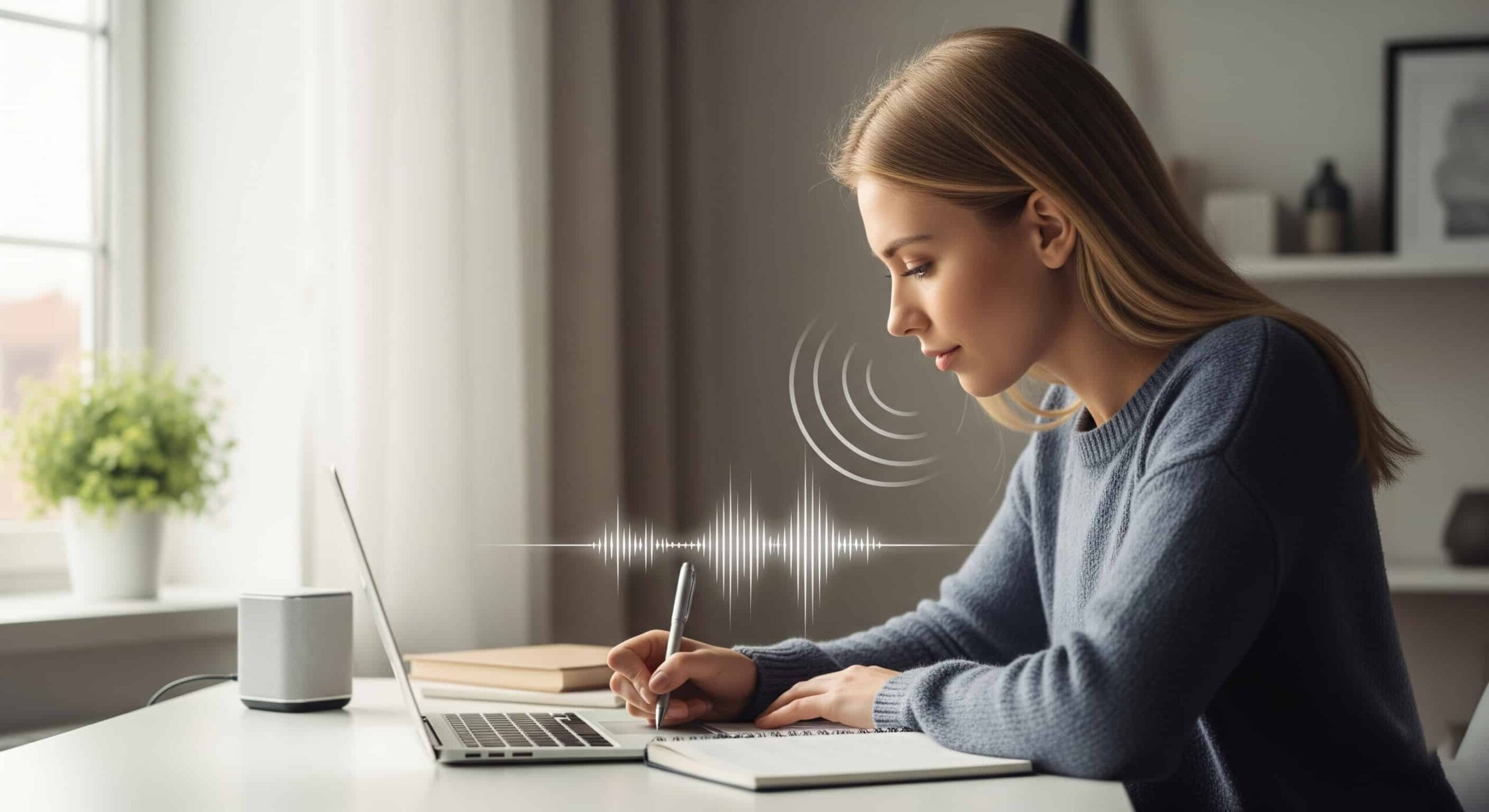
In our increasingly noisy and distraction-filled world, maintaining focus has become a significant challenge. White noise and other background sounds have emerged as powerful tools for enhancing concentration, blocking distractions, and improving cognitive performance. Understanding how these sounds work and choosing the right type for your needs can transform your productivity and mental clarity.
The Science of White Noise and Focus
How White Noise Affects the Brain
Neurological mechanisms:
- Masks distracting environmental sounds by providing consistent auditory input
- Reduces the brain’s response to sudden noise changes that break concentration
- Activates the brain’s filtering system to focus on relevant information
- Promotes alpha brain wave activity associated with relaxed focus
- Helps maintain consistent cognitive arousal levels
Research findings:
- Studies show 15-20% improvement in cognitive performance with appropriate background noise
- White noise particularly benefits people with ADHD and attention difficulties
- Optimal volume levels range from 50-60 decibels for most individuals
- Consistent exposure can train the brain to associate the sound with focused work
Types of Background Noise for Focus
White noise:
- Contains all frequencies at equal intensity
- Sounds like static or a fan running
- Most effective for masking sudden environmental sounds
- Best for people who are easily distracted by noise
Pink noise:
- Lower frequencies are more prominent than higher ones
- Sounds like rainfall or ocean waves
- Often perceived as more pleasant than white noise
- May improve memory consolidation and deep thinking
Brown noise:
- Even more emphasis on lower frequencies
- Sounds like a deep rumble or waterfall
- Particularly effective for people with ADHD
- Creates a sense of calm and stability
Individual Differences in Sound Preferences
Personality factors:
- Introverts often prefer quieter, more subtle background sounds
- Extroverts may benefit from slightly more stimulating audio environments
- Highly sensitive people might need very gentle, consistent sounds
- Creative types often prefer nature sounds or ambient music
Cognitive style considerations:
- Visual learners may prefer minimal auditory input
- Auditory learners often benefit from more complex soundscapes
- Kinesthetic learners might prefer rhythmic or pulsing sounds
- Analytical thinkers often prefer consistent, predictable sounds
Best White Noise Apps and Tools
Noisli
Key features:
- 16 high-quality background sounds including white, pink, and brown noise
- Customizable sound mixing to create personalized soundscapes
- Built-in timer and productivity features
- Offline functionality for uninterrupted focus sessions
- Cross-platform availability (web, mobile, desktop)
- Distraction-free text editor with sound integration
Best for: Users who want extensive customization and productivity integration
Price: Free with premium features at $2/month
Brain.fm
Scientific approach:
- AI-generated music designed specifically for focus and productivity
- Based on neuroscience research and cognitive studies
- Different modes for focus, relaxation, creativity, and sleep
- Adaptive algorithms that adjust to your response patterns
- Session tracking and productivity analytics
- Seamless looping without noticeable breaks
Best for: People who prefer music-based focus enhancement over pure noise
Price: $6.99/month or $49.99/year
MyNoise
Advanced features:
- Over 200 high-quality soundscapes and noise generators
- Parametric equalizer for precise sound customization
- Binaural beats and isochronic tones for brainwave entrainment
- Location-based soundscapes recorded in real environments
- Calibrated for different hearing profiles and preferences
- Offline downloads for premium users
Best for: Audio enthusiasts who want professional-grade sound quality and control
Price: Free with in-app purchases for premium sounds
Focus@Will
Personalized approach:
- Music channels scientifically designed for different personality types
- Initial assessment to determine optimal sound profile
- Tracks productivity metrics and adjusts recommendations
- Integration with popular productivity apps and tools
- Session length optimization based on attention span research
- Real-time adaptation based on your focus patterns
Best for: Users who want a scientifically personalized approach to focus music
Price: $8.99/month or $52.99/year
Tide
Minimalist design:
- Beautiful, simple interface with high-quality nature sounds
- Pomodoro timer integration for structured work sessions
- Sleep stories and meditation content
- Habit tracking and productivity statistics
- Offline playback capability
- Cross-device synchronization
Best for: Users who prefer a clean, distraction-free interface with essential features
Price: Free with premium features available
Physical White Noise Machines
LectroFan EVO
Technical specifications:
- 22 unique non-looping fan and white noise sounds
- Precise volume control with memory function
- Sleep timer with multiple duration options
- Compact design perfect for desk or bedside use
- USB or AC power options for versatility
- No moving parts for reliable, quiet operation
Best for: Office workers who need consistent, high-quality white noise without smartphone dependence
Price: $49.95
Marpac Dohm Classic
Mechanical advantage:
- Real fan-generated white noise (not digital)
- Two-speed motor for customizable sound intensity
- Adjustable tone and volume through top and side openings
- Durable construction with 101-year company history
- No harsh digital artifacts or looping sounds
- Compact, travel-friendly design
Best for: Purists who prefer authentic, mechanical white noise generation
Price: $44.95
Sound+Sleep High Fidelity Sleep Sound Machine
Advanced features:
- 30 non-repeating, naturally recorded soundscapes
- Adaptive Sound technology that responds to environmental noise
- Rich, immersive audio quality with full-range speakers
- Multiple timer options and gradual volume fade
- Headphone jack for private listening
- Memory function saves your preferred settings
Best for: Users who want premium audio quality and intelligent noise adaptation
Price: $99.95
Optimizing Your Focus Environment
Volume and Timing Considerations
Optimal volume levels:
- 50-60 decibels for most people (conversational level)
- Slightly lower (40-50 dB) for detail-oriented tasks
- Slightly higher (60-70 dB) for creative or brainstorming work
- Adjust based on ambient noise levels in your environment
- Use smartphone apps to measure decibel levels accurately
Session timing:
- Start with 25-30 minute focused sessions (Pomodoro technique)
- Gradually increase to 45-90 minute deep work blocks
- Take 5-15 minute breaks between sessions
- Use consistent sound cues to signal work and break periods
- Experiment with different sounds for different types of work
Combining White Noise with Other Productivity Techniques
Pomodoro Technique integration:
- Use white noise during work periods, silence during breaks
- Different sounds for different types of tasks
- Gradual volume changes to signal session transitions
- Apps that combine timers with background sounds
Deep work enhancement:
- Consistent soundscape for extended focus sessions
- Noise-canceling headphones for maximum isolation
- Environmental preparation before starting sound
- Digital device management to minimize interruptions
Creative work applications:
- Nature sounds for brainstorming and ideation
- Ambient music for design and artistic work
- Binaural beats for enhanced creativity states
- Varying soundscapes to stimulate different thinking modes
Workplace Implementation
Open office strategies:
- Personal headphones with white noise apps
- Desk-mounted sound machines for individual use
- Team agreements on ambient sound policies
- Quiet zones with background sound systems
Home office optimization:
- Dedicated speakers for room-filling sound
- Smart home integration for automated sound control
- Multiple sound sources for different work areas
- Family communication about focus time and sound use
Remote work considerations:
- Portable solutions for changing work locations
- Battery-powered devices for outdoor work
- Offline capabilities for unreliable internet connections
- Professional appearance for video calls
Special Considerations and Limitations
When White Noise Might Not Help
Individual variations:
- Some people find any background sound distracting
- Certain neurological conditions may make noise sensitivity worse
- Hearing impairments can affect optimal sound selection
- Cultural and personal associations with specific sounds
Task-specific limitations:
- Language-based tasks may require complete silence
- Audio editing or music production needs quiet environments
- Phone calls and meetings require sound-free periods
- Learning new skills might benefit from minimal auditory input
Health and Safety Considerations
Hearing protection:
- Avoid prolonged exposure to sounds above 70 decibels
- Take regular breaks from headphone use
- Monitor volume levels with smartphone apps
- Choose high-quality audio equipment to avoid distortion
Dependency concerns:
- Gradually reduce reliance on background sounds over time
- Practice focusing in various acoustic environments
- Develop multiple concentration strategies beyond sound
- Maintain ability to work effectively in silence when needed
Building Long-term Focus Skills
Progressive training:
- Start with shorter focus sessions and gradually increase duration
- Experiment with different sound types for various tasks
- Track productivity metrics to identify optimal conditions
- Develop personal sound libraries for different work modes
Mindfulness integration:
- Use sound as an anchor for present-moment awareness
- Practice returning attention to work when mind wanders
- Develop meta-cognitive awareness of focus states
- Combine breathing techniques with background sounds
Maximizing Focus with Sound
White noise and background sounds can be powerful tools for enhancing focus and productivity, but their effectiveness depends on individual preferences, task requirements, and proper implementation. The key is to experiment with different types of sounds, volumes, and timing to find what works best for your unique cognitive style and work environment.
Key takeaway: Start with simple white or pink noise at moderate volumes, track your productivity and focus levels, and gradually refine your approach based on what you learn about your personal preferences and work patterns. Remember that the goal is to enhance your natural ability to concentrate, not to become dependent on external sounds for focus.
White noise usage guide: maximize the benefits of your sound machine for better sleep
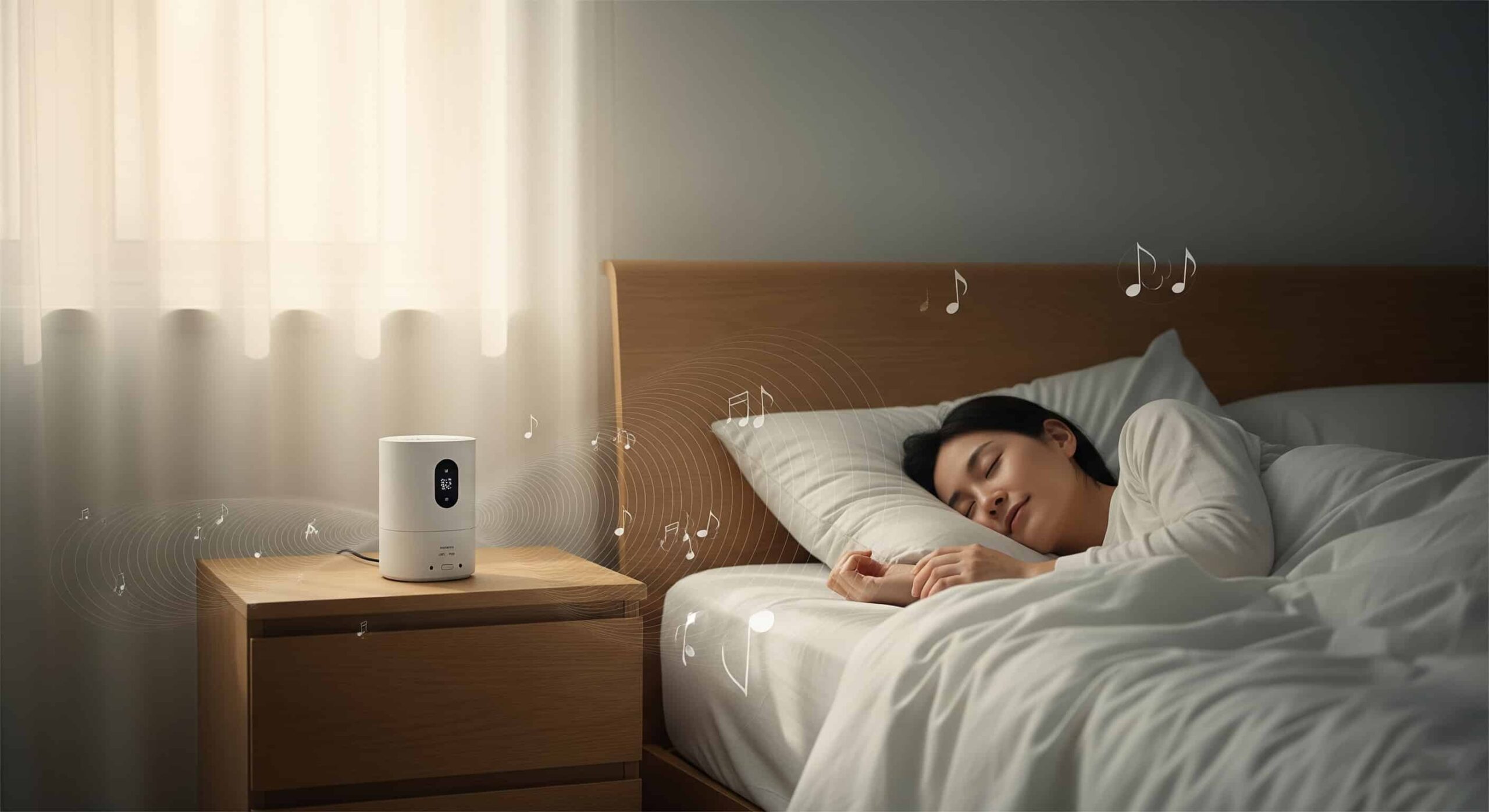
Having a white noise machine is just the first step—knowing how to use it effectively is what transforms it from a simple device into a powerful sleep enhancement tool. This comprehensive guide will help you maximize the benefits of your white noise machine.
Optimal Placement for Maximum Effectiveness
Distance and Positioning
Ideal Distance: Place your white noise machine 3-6 feet away from your bed. This distance provides optimal sound coverage without being overwhelming.
Height Considerations:
- Position at ear level when lying down (typically 2-3 feet high)
- Use a nightstand, dresser, or dedicated shelf
- Avoid placing directly on the floor where sound may be muffled
- Ensure the device is stable and won’t fall
Room Positioning Strategy
Between You and Noise Sources: Position the machine between your bed and the primary source of disruptive noise (street, neighbors, hallway).
Corner Placement: Corners can amplify sound naturally, but avoid if it creates echo or distortion.
Multiple Machines: For larger rooms or multiple noise sources, consider using two machines at opposite ends of the room.
What to Avoid
- Placing too close to your head (can be overwhelming)
- Positioning behind obstacles that block sound
- Placing on surfaces that vibrate or amplify mechanical noise
- Directing sound away from the sleep area
Volume Settings and Sound Selection
Finding Your Optimal Volume
The Goldilocks Principle: Your white noise should be loud enough to mask disruptive sounds but not so loud that it becomes the distraction.
Decibel Guidelines:
- Adults: 50-60 decibels (similar to moderate rainfall)
- Children: 40-50 decibels (softer than adult levels)
- Babies: 50 decibels maximum (as recommended by pediatricians)
- Sensitive sleepers: Start at 40 decibels and adjust gradually
Sound Type Selection
White Noise: Best for masking sudden, sharp sounds like traffic or voices.
Pink Noise: Ideal for deeper sleep and may improve memory consolidation.
Brown Noise: Excellent for anxiety reduction and very deep relaxation.
Nature Sounds: Rain, ocean waves, or forest sounds for a more organic feel.
Fan Sounds: Familiar and comforting for many people.
Volume Adjustment Tips
- Start with lower volume and gradually increase if needed
- Test volume during different times of day and night
- Consider your partner’s preferences if sharing a bed
- Adjust for seasonal changes (windows open/closed)
- Use fade-in features to avoid startling yourself
Timing and Duration Guidelines
When to Start Your White Noise
30 Minutes Before Bed: Begin playing white noise as part of your wind-down routine to signal your brain that it’s time to relax.
Consistency is Key: Use white noise at the same time each night to establish a sleep association.
Nap Time: Use the same sound for daytime naps to maintain consistency.
Duration Options
All Night: Most effective for maintaining sleep quality throughout the night.
Timer Settings:
- 30-60 minutes: Good for falling asleep if you prefer silence later
- 2-4 hours: Covers the deepest sleep phases
- 6-8 hours: Full night coverage for consistent environment
- Continuous: Best for light sleepers or noisy environments
Fade-Out Features
If your machine has fade-out capability:
- Set a 10-15 minute gradual decrease
- Helps prevent sudden silence from waking you
- Useful for timer-based usage
- Can help train your brain to sleep without dependence
Special Usage Scenarios
For Shift Workers
- Use blackout curtains in combination with white noise
- Choose consistent sounds that work regardless of outside activity
- Consider portable options for sleeping in different locations
- Use slightly higher volumes to mask daytime noise
For Parents and Babies
- Place machine closer to the noise source than to the baby
- Use consistent sounds for both naps and nighttime
- Keep volume below 50 decibels for infant safety
- Consider machines with night light features for convenience
- Use portable units for travel and consistency
For Couples with Different Preferences
- Start with lower volumes and find a compromise
- Try different sound types to find mutual preferences
- Consider individual sleep headphones as an alternative
- Position machine closer to the more sensitive sleeper
- Use timer functions if one partner prefers silence later
For Travel
- Bring portable white noise machines or use smartphone apps
- Test hotel room acoustics and adjust volume accordingly
- Pack extra batteries or charging cables
- Use familiar sounds to maintain sleep routine
- Consider noise-canceling headphones for flights
Troubleshooting Common Issues
“The White Noise Isn’t Working”
Possible Solutions:
- Increase volume gradually—you may need more masking power
- Try different sound types (pink or brown noise instead of white)
- Reposition the machine closer to noise sources
- Check for sound loops that might be noticeable and distracting
- Give it time—adaptation can take 1-2 weeks
“I’ve Become Too Dependent”
Gradual Weaning Process:
- Slowly reduce volume over several weeks
- Use timer functions with longer fade-out periods
- Practice sleeping without it occasionally
- Keep a backup plan for when the machine isn’t available
“My Partner Doesn’t Like It”
Compromise Strategies:
- Start with very low volumes and nature sounds
- Use timer functions so it turns off after sleep onset
- Try pink or brown noise instead of white noise
- Position machine closer to the person who needs it most
- Consider individual solutions like sleep headphones
Advanced Tips for Power Users
Creating the Perfect Sleep Environment
- Combine white noise with optimal room temperature (65-68°F)
- Use blackout curtains or eye masks for complete darkness
- Ensure comfortable humidity levels (30-50%)
- Remove or minimize blue light sources
- Keep the bedroom exclusively for sleep and relaxation
Seasonal Adjustments
- Summer: Higher volumes to mask air conditioning and fans
- Winter: Adjust for closed windows and heating systems
- Spring/Fall: Account for open windows and varying outside noise
- Holiday seasons: Prepare for unusual neighborhood noise patterns
Technology Integration
- Use smart home integration for automated scheduling
- Set up voice commands for easy control
- Connect to sleep tracking apps for data-driven optimization
- Use smartphone apps as backup or travel alternatives
Mastering Your White Noise Experience
Effective white noise usage is both an art and a science. The key is finding the right combination of sound type, volume, placement, and timing that works for your unique sleep environment and preferences.
Remember: Be patient with the process, stay consistent with your approach, and don’t be afraid to make adjustments as your needs change. With proper usage, your white noise machine can become an invaluable tool for achieving better, more restful sleep.
DIY White Noise: Create Your Own Soothing Sounds at Home
White Noise for Sleep: The Complete Guide to Better Rest
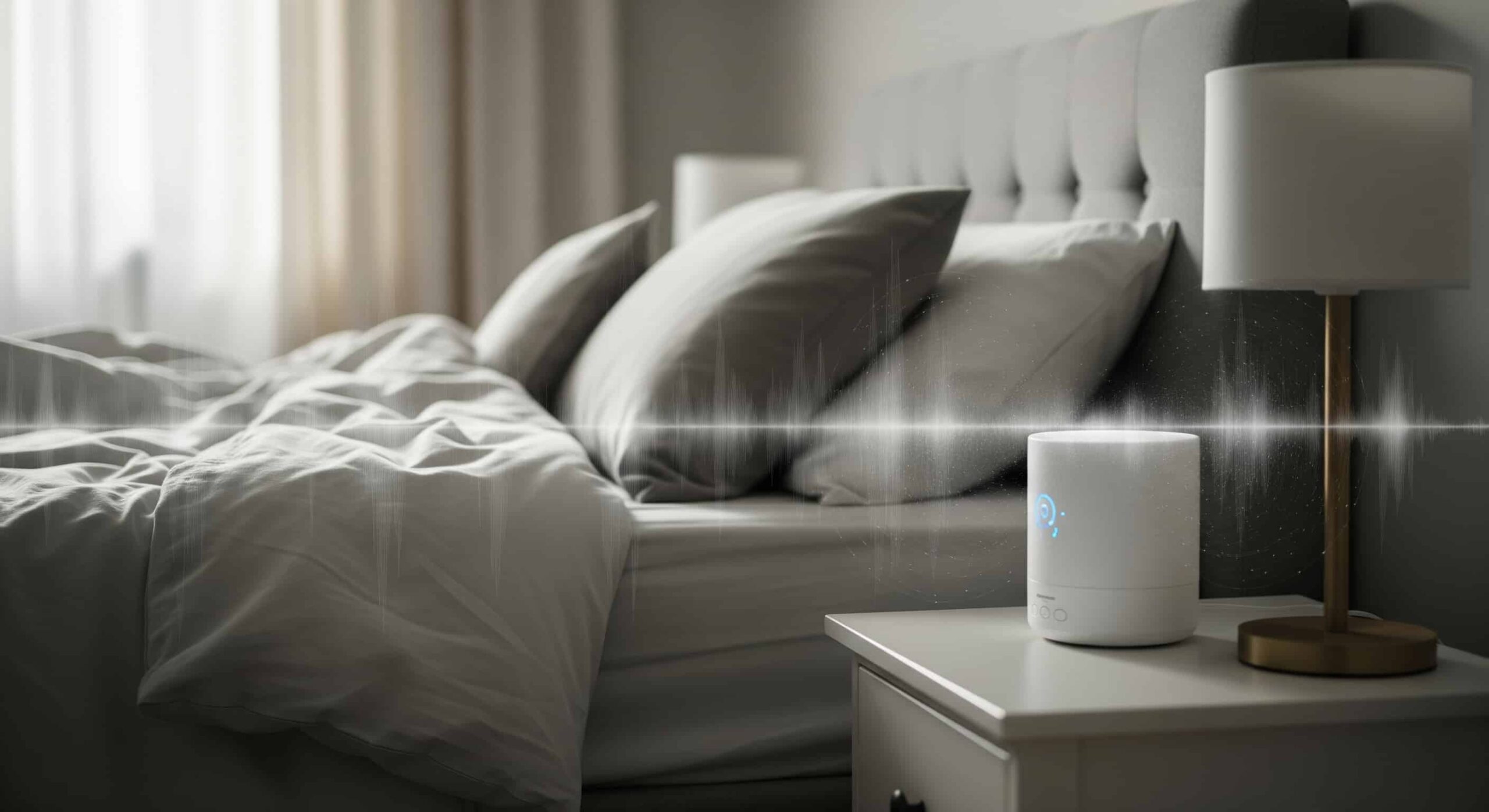
White noise has emerged as one of the most effective and scientifically-backed tools for improving sleep quality across all age groups. This consistent, gentle sound creates an optimal auditory environment that can help you fall asleep faster, stay asleep longer, and wake up more refreshed. Whether you’re struggling with insomnia, dealing with a noisy environment, or simply looking to optimize your sleep routine, understanding how to harness the power of white noise can be transformative for your rest and overall well-being. This comprehensive guide explores the science behind white noise, its benefits for sleep, practical implementation strategies, and how to choose the right approach for your unique sleep needs.
Understanding White Noise and Sleep Science
White noise is a unique type of sound that contains all audible frequencies at equal intensity, creating a consistent auditory backdrop that can significantly impact sleep quality.
What Is White Noise?
White noise is a sound signal that contains equal power across all frequencies within the human hearing range (20 Hz to 20,000 Hz). This creates a consistent, steady sound that resembles static, a fan humming, or gentle rainfall. The term “white” comes from white light, which contains all colors of the spectrum at equal intensity.
Technical Characteristics:
- Equal energy distribution across all frequencies
- Consistent amplitude and predictable pattern
- No sudden changes or variations in volume
- Masking properties that cover other environmental sounds
Common Examples: Air conditioner hum, fan noise, radio static, ocean waves, rainfall, and dedicated white noise machines all produce sounds similar to true white noise.
The Science of Sound and Sleep
Auditory Processing During Sleep: Even while sleeping, our brains continue to process sounds. Sudden changes in the auditory environment can trigger arousal responses, causing brief awakenings or preventing deep sleep stages.
Sound Masking Effect: White noise works by providing auditory masking—a phenomenon where consistent background sound makes other noises less noticeable. This prevents sudden sounds from disrupting sleep cycles.
Neurological Response: The consistent nature of white noise helps regulate the nervous system, promoting parasympathetic activation (rest and digest response) while reducing sympathetic nervous system activity (fight or flight response).
Sleep Architecture Protection: By maintaining a consistent auditory environment, white noise helps protect the natural progression through sleep stages, allowing for more restorative deep sleep and REM sleep periods.
Types of Noise Colors and Their Effects
White Noise: Equal power across all frequencies. Sounds like static or a fan. Most effective for masking high-frequency sounds but can sound harsh to some people.
Pink Noise: More power in lower frequencies, creating a softer, more natural sound. Examples include rainfall, ocean waves, or rustling leaves. Often preferred for sleep as it sounds less artificial.
Brown Noise: Even more emphasis on low frequencies, producing deeper, rumbling sounds like thunder or strong wind. Can be very relaxing but may be too intense for some sleepers.
Gray Noise: Psychoacoustically tuned to sound equally loud across all frequencies to the human ear. May be more pleasant than pure white noise while maintaining masking benefits.
Blue and Violet Noise: Emphasize higher frequencies and are generally not recommended for sleep as they can be stimulating rather than relaxing.
How White Noise Affects Sleep Stages
Sleep Onset: White noise can help reduce the time it takes to fall asleep by creating a calming, predictable auditory environment that signals the brain it’s time to rest.
Light Sleep Protection: During lighter sleep stages (N1 and N2), white noise helps prevent external sounds from causing brief awakenings that might not be remembered but still fragment sleep.
Deep Sleep Enhancement: By maintaining consistent auditory conditions, white noise supports longer periods in deep sleep (N3), which is crucial for physical restoration and memory consolidation.
REM Sleep Support: Consistent background noise can help maintain REM sleep periods, which are essential for emotional processing and cognitive function.
Benefits of White Noise for Sleep Quality
Research has consistently demonstrated numerous advantages of using white noise to improve sleep quality, duration, and overall sleep satisfaction.
Improved Sleep Onset and Duration
Faster Sleep Initiation: Studies show that people using white noise typically fall asleep 38% faster than those sleeping in silence. The consistent sound helps quiet racing thoughts and creates a mental transition to sleep.
Extended Sleep Duration: White noise users report sleeping an average of 23 minutes longer per night, with fewer interruptions and more continuous sleep periods.
Reduced Sleep Latency: The time between getting into bed and actually falling asleep decreases significantly when white noise is used consistently as part of a bedtime routine.
Better Sleep Efficiency: Sleep efficiency (the percentage of time in bed actually spent sleeping) improves with white noise use, leading to more restorative rest in the same time period.
Enhanced Sleep Quality and Depth
Deeper Sleep Stages: White noise helps maintain longer periods in deep sleep (slow-wave sleep), which is essential for physical recovery, immune function, and growth hormone release.
Reduced Sleep Fragmentation: By masking disruptive sounds, white noise reduces the number of brief awakenings that can fragment sleep without the sleeper being aware of them.
Improved Sleep Continuity: Users experience fewer transitions between sleep stages, leading to more consolidated and restorative sleep periods.
Enhanced REM Sleep: Consistent auditory conditions support longer and more stable REM sleep periods, improving memory consolidation and emotional regulation.
Stress Reduction and Relaxation
Cortisol Regulation: White noise can help regulate cortisol levels, reducing the stress hormone that often interferes with sleep onset and quality.
Anxiety Reduction: The predictable, consistent nature of white noise can reduce bedtime anxiety and racing thoughts that often prevent sleep.
Nervous System Calming: Regular white noise use can help train the nervous system to associate the sound with relaxation and sleep, creating a powerful sleep cue.
Mental Quieting: White noise provides a focal point for attention, helping to quiet internal mental chatter and worry that can keep people awake.
Environmental Sound Masking
Urban Noise Protection: White noise effectively masks traffic, sirens, construction, and other city sounds that can disrupt sleep in urban environments.
Household Sound Buffering: Protects against sounds from other family members, pets, appliances, and household activities that might otherwise wake light sleepers.
Neighbor Noise Reduction: Helps mask sounds from adjacent apartments or houses, including music, television, conversations, and footsteps.
Seasonal Sound Management: Provides consistent auditory conditions regardless of seasonal changes like air conditioning, heating systems, or outdoor activity levels.
Special Population Benefits
Shift Workers: Helps create consistent sleep conditions for those who must sleep during daylight hours when environmental noise levels are typically higher.
Light Sleepers: Particularly beneficial for individuals who are easily awakened by minor sounds, providing a protective auditory buffer.
Tinnitus Sufferers: Can help mask the ringing or buzzing sounds of tinnitus, making it easier to fall asleep and stay asleep.
Travelers: Provides familiar sleep conditions in unfamiliar environments, helping maintain sleep quality while away from home.
Students and Professionals: Supports better sleep quality during high-stress periods when anxiety and racing thoughts might otherwise interfere with rest.
Choosing the Right White Noise Solution
With numerous white noise options available, selecting the right solution depends on your specific needs, preferences, and sleep environment.
Dedicated White Noise Machines
Advantages:
- Purpose-built for sleep optimization
- High-quality sound generation without loops
- Precise volume control and sound customization
- No risk of interruptions from notifications
- Often include timer and memory functions
- Portable options for travel
Key Features to Consider:
- Multiple sound options (white, pink, brown noise, nature sounds)
- Volume control with clear level indicators
- Timer settings and continuous play options
- Sound quality and speaker specifications
- Size and portability for travel use
- Power options (AC adapter, battery, USB)
- Build quality and durability
Considerations: Initial investment cost, space on nightstand, and learning curve for optimal settings.
Smartphone Apps and Digital Solutions
Advantages:
- Convenient and immediately available
- Often free or low-cost options
- Extensive sound libraries and customization
- Easy volume and timer control
- Integration with other sleep tracking apps
- Regular updates and new features
Popular App Features:
- Mixing capabilities to create custom soundscapes
- Fade-in and fade-out functions
- Sleep timer with gradual volume reduction
- Background play while using other apps
- Cloud sync across devices
- Sleep quality tracking integration
Considerations: Battery drain, potential for interruptions, need for airplane mode or do-not-disturb settings, and audio quality limitations.
Smart Home and Voice Assistant Integration
Smart Speakers: Devices like Amazon Echo, Google Home, or Apple HomePod can play white noise on command and integrate with bedtime routines.
Smart Home Automation: Can be programmed to start automatically at bedtime, adjust volume based on time of day, or respond to other smart home triggers.
Voice Control Benefits: Hands-free operation for adjusting volume, changing sounds, or setting timers without reaching for devices.
Multi-Room Audio: Ability to sync white noise across multiple rooms for consistent sound throughout the home.
Considerations: Privacy concerns with always-listening devices, potential for technical glitches, and dependency on internet connectivity.
Natural and Household Sound Sources
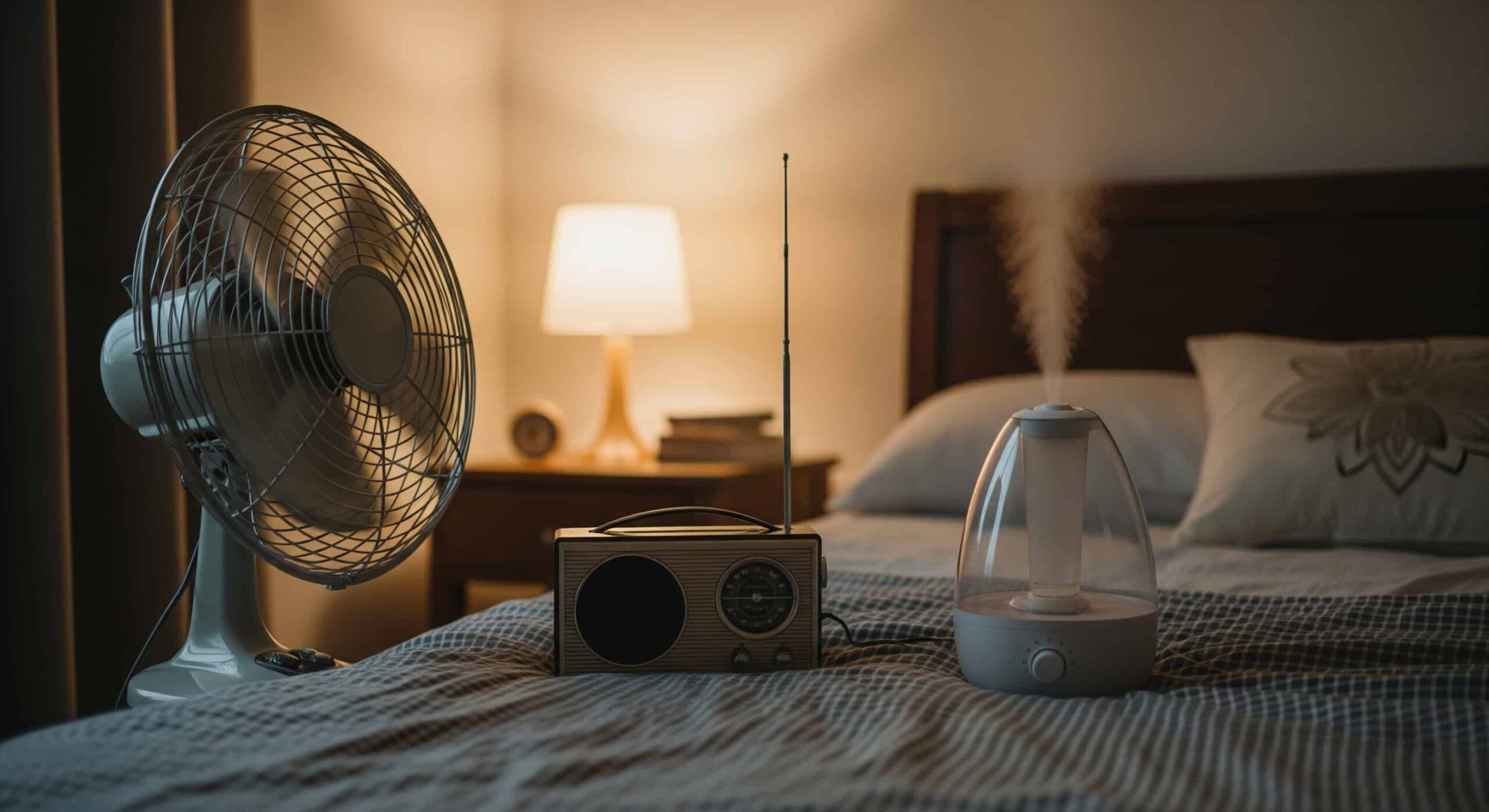
Fans: Ceiling fans or portable fans provide natural white noise while improving air circulation. Choose models with consistent, quiet operation.
Air Purifiers: Many air purifiers produce gentle white noise while improving air quality, serving dual purposes for sleep optimization.
Humidifiers: Some humidifiers generate soft sounds while maintaining optimal humidity levels for comfortable sleep.
HVAC Systems: Central air conditioning or heating systems can provide consistent background noise, though cycling patterns should be considered.
Considerations: Energy consumption, seasonal availability, volume control limitations, and potential for mechanical issues.
Factors for Choosing the Right Option
Budget Considerations: Options range from free smartphone apps to premium white noise machines costing several hundred dollars. Consider long-term value and sleep improvement benefits.
Portability Needs: Frequent travelers should prioritize portable solutions or apps that work across devices and locations.
Sound Preferences: Some people prefer pure white noise, while others respond better to pink noise, nature sounds, or mechanical sounds like fans.
Technical Comfort: Consider your comfort level with technology, apps, and smart home integration when choosing solutions.
Sleep Partner Considerations: Ensure chosen solutions work for both partners if sharing a bed, considering volume preferences and sound sensitivities.
Implementation Strategies and Best Practices
Successfully incorporating white noise into your sleep routine requires thoughtful implementation and attention to key factors that maximize effectiveness.
Optimal Volume and Placement
Volume Guidelines: White noise should be loud enough to mask disruptive sounds but not so loud as to be stimulating. Generally, 50-60 decibels (similar to moderate rainfall) is optimal for most people.
Volume Testing: Use smartphone decibel meter apps to measure sound levels at your pillow. You should be able to have a normal conversation over the white noise without raising your voice significantly.
Placement Strategies:
- Position white noise sources 3-8 feet from your bed
- Avoid placing directly next to your head to prevent overstimulation
- Consider room acoustics and sound reflection
- Experiment with different positions to find optimal coverage
Stereo vs. Mono: Stereo white noise can create a more immersive experience, while mono sources are often sufficient for smaller rooms.
Timing and Duration Strategies
Continuous vs. Timed Use: Most sleep experts recommend continuous white noise throughout the entire sleep period rather than just during sleep onset, as it provides ongoing protection against sound disruptions.
Bedtime Routine Integration: Start white noise 15-30 minutes before your intended sleep time as part of your wind-down routine to signal your brain that sleep is approaching.
Wake-Up Considerations: Some people prefer white noise to fade out gradually in the morning, while others benefit from consistent sound until their alarm. Experiment to find your preference.
Nap Time Use: White noise can be particularly helpful for daytime naps, especially in environments with higher ambient noise levels.
Creating Sleep Associations
Consistency is Key: Use white noise every night to create strong sleep associations. The brain learns to associate the sound with sleep, making it a powerful sleep cue.
Routine Integration: Combine white noise with other sleep hygiene practices like dimming lights, comfortable temperature, and relaxation techniques.
Travel Adaptation: Maintain white noise use when traveling to preserve familiar sleep cues in unfamiliar environments.
Gradual Introduction: If you’re new to white noise, start with lower volumes and shorter durations, gradually increasing as you become accustomed to sleeping with background sound.
Customization and Personalization
Sound Type Experimentation: Try different types of noise (white, pink, brown) and nature sounds to find what works best for your individual preferences and sleep needs.
Volume Adjustment: Fine-tune volume levels based on seasonal changes, neighborhood noise patterns, and personal sensitivity fluctuations.
Frequency Customization: Some advanced white noise machines allow frequency adjustment to emphasize certain ranges that work better for your hearing profile.
Seasonal Adaptations: Adjust white noise settings based on seasonal changes in ambient noise levels, such as air conditioning in summer or heating systems in winter.
Troubleshooting Common Issues
Initial Adjustment Period: Some people need 1-2 weeks to fully adapt to sleeping with white noise. Be patient and consistent during this adjustment phase.
Volume Too High/Low: If white noise seems ineffective, experiment with volume levels. Too low may not mask disruptive sounds; too high may be stimulating rather than relaxing.
Sound Type Mismatch: If traditional white noise feels harsh, try pink noise, brown noise, or nature sounds that may be more soothing to your ears.
Partner Compatibility: If sleeping with a partner who has different preferences, consider headband speakers, pillow speakers, or finding a compromise sound that works for both.
Technology Issues: Have backup options available (multiple apps, battery-powered devices) to ensure consistent white noise even during power outages or technical problems.
Safety Considerations and Potential Concerns
While white noise is generally safe and beneficial for most people, understanding potential concerns and safety guidelines ensures optimal and responsible use.
Hearing Health and Safety
Safe Volume Levels: Prolonged exposure to sounds above 85 decibels can potentially damage hearing. Keep white noise at moderate levels (50-60 decibels) to ensure long-term hearing health.
Duration Considerations: While white noise can be used continuously during sleep, ensure you have periods of quiet during waking hours to give your auditory system rest.
Individual Sensitivity: Some people are more sensitive to sound than others. Monitor your response and adjust volume accordingly, especially if you experience any discomfort or ringing in your ears.
Age-Related Considerations: Older adults may be more sensitive to sound and should start with lower volumes, while younger people may tolerate slightly higher levels.
Regular Hearing Checks: If you use white noise regularly, consider periodic hearing evaluations to ensure no negative effects on your auditory health.
Dependency and Sleep Association Concerns
Healthy vs. Unhealthy Dependency: Using white noise for better sleep is generally considered a healthy sleep hygiene practice, similar to using comfortable pillows or maintaining cool room temperature.
Flexibility Maintenance: While consistency is important, occasionally sleeping without white noise can help maintain some flexibility for situations where it’s not available.
Travel Preparedness: Having portable white noise options ensures you can maintain sleep quality even when your usual setup isn’t available.
Gradual Weaning: If you want to reduce dependence on white noise, do so gradually by slowly decreasing volume over several weeks rather than stopping abruptly.
Environmental and Practical Considerations
Energy Consumption: Consider the environmental impact and cost of running white noise devices continuously. LED-based sound machines and apps are generally more energy-efficient than fan-based options.
Device Safety: Ensure electrical devices are in good working order, properly ventilated, and positioned safely away from bedding and water sources.
Fire Safety: Never leave electrical devices running unattended if they show signs of overheating or malfunction.
Air Quality: If using fans or air purifiers for white noise, ensure they don’t create excessive air movement or dryness that might disrupt sleep comfort.
When to Consult Healthcare Providers
Persistent Sleep Issues: If white noise doesn’t improve your sleep quality after 2-3 weeks of consistent use, consult a sleep specialist to rule out underlying sleep disorders.
Hearing Concerns: If you experience any changes in hearing, tinnitus, or ear discomfort while using white noise, discontinue use and consult an audiologist.
Sleep Disorder Symptoms: White noise can mask symptoms of sleep apnea or other sleep disorders. If you experience excessive daytime sleepiness despite using white noise, seek medical evaluation.
Medication Interactions: Some medications can affect hearing sensitivity. Discuss white noise use with your healthcare provider if you’re taking medications that might impact auditory function.
Advanced Techniques and Optimization
For those looking to maximize the benefits of white noise, advanced techniques and optimization strategies can further enhance sleep quality and effectiveness.
Sound Layering and Mixing
Multi-Source Approach: Combine different white noise sources (fan + app, air purifier + nature sounds) to create a richer, more effective sound environment.
Frequency Targeting: Use different noise colors to target specific frequency ranges that are most disruptive in your environment (pink noise for low-frequency sounds, white noise for high-frequency disruptions).
Dynamic Mixing: Some advanced apps allow real-time mixing of different sound types, enabling you to create custom soundscapes that evolve throughout the night.
Binaural Beats Integration: Some people benefit from combining white noise with binaural beats designed to promote specific brainwave states associated with deep sleep.
Environmental Optimization
Room Acoustics: Consider your room’s acoustic properties. Hard surfaces reflect sound while soft furnishings absorb it. Adjust white noise placement and volume based on your room’s characteristics.
Sound Isolation: Combine white noise with other sound management strategies like heavy curtains, carpeting, or acoustic panels for maximum effectiveness.
Temperature Integration: Use white noise sources that also contribute to optimal sleep temperature (fans for cooling, humidifiers for comfort).
Lighting Coordination: Coordinate white noise with lighting changes to create a comprehensive sensory environment that promotes sleep.
Technology Integration and Automation
Smart Home Integration: Program white noise to start automatically based on bedtime routines, motion sensors, or other smart home triggers.
Sleep Tracking Coordination: Use white noise in conjunction with sleep tracking devices to monitor its effectiveness and optimize settings based on sleep quality data.
Adaptive Volume Control: Some advanced systems can automatically adjust white noise volume based on ambient noise levels throughout the night.
Wake-Up Integration: Coordinate white noise with smart alarms that gradually reduce background sound while increasing wake-up signals.
Personalized Optimization Strategies
Sleep Stage Targeting: Experiment with different white noise settings for different parts of the night (higher volume during light sleep phases, lower during deep sleep).
Seasonal Adjustments: Develop different white noise profiles for different seasons, accounting for changes in ambient noise, humidity, and temperature.
Stress-Level Adaptation: Adjust white noise intensity and type based on daily stress levels and sleep needs (more intense masking during high-stress periods).
Health Condition Considerations: Adapt white noise use for specific health conditions like tinnitus, anxiety disorders, or chronic pain that might affect sleep needs.
Transforming Your Sleep with White Noise
White noise represents one of the most accessible, effective, and scientifically-supported tools for improving sleep quality across diverse populations and sleep challenges. By creating a consistent auditory environment that masks disruptive sounds and promotes relaxation, white noise can help you achieve the restorative sleep your body and mind need to function optimally.
Key success factors: Choose the right type and volume of white noise for your individual needs, implement it consistently as part of a comprehensive sleep hygiene routine, and be patient during the initial adjustment period. Remember that the best white noise solution is one that you can use consistently and comfortably over time.
Holistic approach: While white noise can significantly improve sleep quality, it works best when combined with other healthy sleep practices including consistent sleep schedules, comfortable sleep environment, stress management, and good daytime habits that support nighttime rest.
Safety and sustainability: Use white noise responsibly by maintaining safe volume levels, ensuring device safety, and monitoring your response over time. Regular evaluation of your sleep quality and any changes in hearing or comfort ensures long-term success with white noise therapy.
Personalization is key: Every individual’s sleep needs and sound preferences are unique. Experiment with different types of white noise, volumes, and implementation strategies to find the approach that works best for your specific situation and sleep goals.
With proper understanding and implementation, white noise can become a powerful ally in your quest for better sleep, helping you wake up more refreshed, alert, and ready to tackle each day with renewed energy and focus.
White Noise for Babies: The Complete Guide to Better Sleep
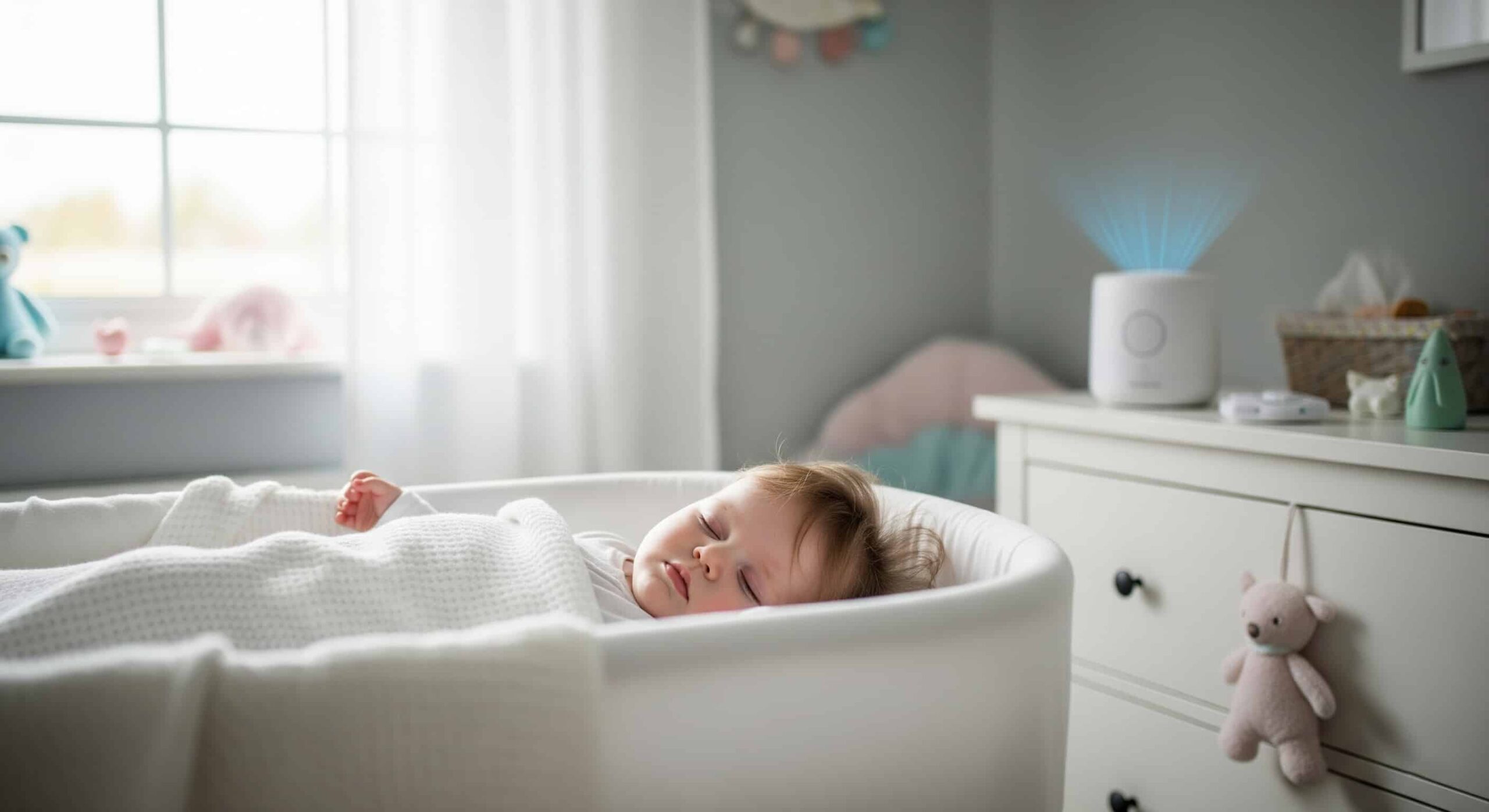
White noise has become an increasingly popular tool for helping babies sleep better, and for good reason. This gentle, consistent sound can create a soothing environment that mimics the familiar sounds babies heard in the womb, helping them feel secure and fall asleep more easily. However, like any sleep aid, white noise for babies requires proper understanding and safe implementation. This comprehensive guide explores the science behind white noise, its benefits for infant sleep, safety considerations, and practical tips for incorporating it into your baby’s sleep routine. Whether you’re a new parent struggling with sleepless nights or looking to optimize your baby’s sleep environment, understanding how to use white noise effectively can be a game-changer for your family’s rest and well-being.
Understanding White Noise and How It Works
White noise is a type of sound that contains all frequencies at equal intensity, creating a consistent, steady background noise that can mask other sounds and promote relaxation.
What Is White Noise?
White noise is a sound that contains all audible frequencies played at the same intensity level, creating a consistent “shushing” or static-like sound. Think of the sound of a fan, air conditioner, or radio static—these are all examples of white noise or similar sound types.
Technical Definition: True white noise contains equal power across all frequencies from 20 Hz to 20,000 Hz (the range of human hearing). However, in practical terms, many sounds we call “white noise” are actually pink noise, brown noise, or other variations that emphasize different frequency ranges.
Common Examples:
- Fan or air conditioner humming
- Radio or television static
- Ocean waves or rainfall
- Vacuum cleaner or hair dryer sounds
- Dedicated white noise machines
The Science Behind White Noise and Sleep
Sound Masking: White noise works by masking sudden changes in sound that might wake a sleeping baby. Instead of silence being broken by a door closing or dog barking, these sounds blend into the consistent background noise.
Neurological Response: The consistent nature of white noise can help regulate the nervous system, promoting a state of calm that’s conducive to sleep. It provides auditory stimulation that’s predictable and non-alerting.
Habituation Effect: Over time, babies can become habituated to white noise, meaning their brain learns to filter it out as background sound while still benefiting from its masking properties.
Sleep State Maintenance: White noise can help babies stay in deeper sleep states longer by preventing brief awakenings from progressing to full wakefulness.
Why Babies Respond Well to White Noise
Womb Environment: In the womb, babies are surrounded by constant sounds—the mother’s heartbeat, blood flow, digestive sounds, and muffled external noises. The womb is actually quite noisy, with sound levels reaching 85-95 decibels (similar to city traffic).
Familiar Comfort: White noise can recreate this familiar auditory environment, helping babies feel secure and comfortable in their new world outside the womb.
Startle Reflex Reduction: Newborns have a strong startle reflex (Moro reflex) that can wake them from sleep. White noise can help dampen sudden sounds that might trigger this reflex.
Overstimulation Prevention: For babies who are easily overstimulated by environmental sounds, white noise provides a consistent auditory backdrop that can be less overwhelming than variable household noises.
Benefits of White Noise for Baby Sleep
Research and parental experience have identified numerous benefits of using white noise to support healthy sleep patterns in infants.
Improved Sleep Quality and Duration
Faster Sleep Onset: Many parents report that their babies fall asleep more quickly when white noise is playing. The consistent sound can help calm fussy babies and signal that it’s time to sleep.
Longer Sleep Periods: White noise can help babies sleep for longer stretches by preventing minor disturbances from causing full awakenings. This means fewer night wakings for both baby and parents.
Deeper Sleep: By masking environmental sounds, white noise allows babies to achieve and maintain deeper sleep states, which are crucial for growth and development.
More Consistent Sleep Patterns: Regular use of white noise can help establish consistent sleep cues, making it easier for babies to develop healthy sleep routines.
Reduced Sleep Disruptions
Household Noise Masking: White noise can mask sounds from siblings, pets, household activities, or external noise like traffic, allowing babies to sleep undisturbed during the day and night.
Sudden Sound Protection: Unexpected noises like door slams, phone rings, or delivery trucks are less likely to wake a baby sleeping with white noise.
Multi-Child Household Benefits: In homes with multiple children, white noise can help babies sleep despite the activity and noise levels that come with family life.
Travel Sleep Support: Portable white noise can help babies sleep in unfamiliar environments by providing a consistent auditory cue regardless of location.
Calming and Soothing Effects
Fussiness Reduction: White noise can help calm crying babies, especially those who are overtired or overstimulated. The consistent sound can be soothing and help babies self-regulate.
Colic Relief: Some parents find that white noise helps soothe babies with colic, though it’s not a cure-all and should be used as part of a comprehensive approach to managing colic symptoms.
Stress Reduction: The calming effect of white noise can help reduce stress hormones in babies, promoting a more relaxed state conducive to sleep.
Self-Soothing Support: Over time, white noise can become a sleep association that helps babies learn to self-soothe and fall back asleep independently.
Benefits for Parents and Caregivers
Better Parental Sleep: When babies sleep better and longer, parents also get more rest, which is crucial for their physical and mental health.
Reduced Anxiety: Knowing that white noise is helping mask household sounds can reduce parental anxiety about waking the baby during daily activities.
Improved Family Functioning: Better sleep for everyone in the family leads to improved mood, patience, and overall family dynamics.
Flexibility in Daily Activities: Parents can maintain more normal household routines without constantly worrying about noise levels when baby is sleeping.
Safety Guidelines and Best Practices
While white noise can be beneficial for baby sleep, it’s essential to use it safely and appropriately to avoid potential risks.
Volume and Distance Guidelines
Safe Volume Levels: The American Academy of Pediatrics recommends keeping white noise at or below 50 decibels (about the volume of a quiet conversation). Some experts suggest even lower levels of 40-45 decibels for continuous use.
Distance from Baby: Place white noise machines at least 7 feet (2 meters) away from your baby’s crib or sleeping area. This distance helps ensure the sound isn’t too loud while still providing effective masking.
Volume Testing: Use a smartphone app or decibel meter to measure the volume at your baby’s ear level. If you have to raise your voice to be heard over the white noise, it’s too loud.
Gradual Volume Adjustment: Start with lower volumes and gradually increase if needed, but always stay within safe limits. Remember that babies’ hearing is more sensitive than adults’.
Duration and Timing Considerations
Continuous vs. Intermittent Use: White noise can be used continuously throughout sleep periods or just during the initial falling-asleep phase. Continuous use may provide better sleep maintenance benefits.
Age Considerations: White noise is generally safe for newborns and can be used from birth. However, some experts recommend gradually reducing dependence as babies get older (around 6-12 months).
Sleep Cycle Awareness: Consider your baby’s natural sleep cycles. Some babies may benefit from white noise throughout the night, while others may only need it during initial sleep onset.
Nap Time Use: White noise can be particularly helpful for daytime naps when household activity levels are higher.
Hearing Protection and Development
Hearing Safety: Prolonged exposure to sounds above 85 decibels can potentially damage hearing. Always keep white noise at safe volumes and monitor your baby’s response.
Speech Development: Some concerns exist about white noise potentially interfering with speech development if used excessively. Ensure your baby has plenty of quiet time for interaction and language exposure during wake periods.
Auditory Development: Babies need to hear a variety of sounds for proper auditory development. White noise should supplement, not replace, normal environmental sounds and interactions.
Regular Hearing Checks: Maintain regular pediatric checkups that include hearing assessments, especially if using white noise regularly.
Safe Sleep Environment Integration
Crib Safety: Never place white noise machines or devices inside the crib. Keep all electronic devices and cords away from the baby’s sleeping area.
SIDS Prevention: White noise should be used as part of safe sleep practices, not as a replacement for them. Continue following all SIDS prevention guidelines (back sleeping, firm mattress, no loose bedding).
Room Temperature: Ensure that white noise machines don’t contribute to overheating the room. Maintain appropriate room temperature (68-70°F or 20-22°C).
Air Quality: Some white noise machines also function as air purifiers or humidifiers. Ensure these features are used safely and don’t create excessive humidity or air circulation.
Types of White Noise and Sound Options
There are various types of white noise and similar sounds that can be effective for baby sleep, each with different characteristics and benefits.
True White Noise vs. Other Sound Colors
White Noise: Contains all frequencies at equal intensity. Sounds like radio static or a fan. Can be effective but may sound harsh to some babies.
Pink Noise: Emphasizes lower frequencies, creating a softer, more natural sound. Examples include rainfall, ocean waves, or rustling leaves. Often preferred for baby sleep.
Brown Noise: Even more emphasis on low frequencies, creating a deeper, rumbling sound. Examples include thunder or strong wind. Can be very soothing for some babies.
Gray Noise: Designed to sound equally loud across all frequencies to the human ear. May be more pleasant than pure white noise while maintaining masking properties.
Natural Sounds
Water Sounds: Ocean waves, rainfall, babbling brooks, or waterfall sounds can be very soothing and provide excellent sound masking properties.
Nature Sounds: Wind through trees, gentle thunderstorms, or forest ambience can create a calming environment for sleep.
Womb Sounds: Recordings that mimic the sounds babies heard in utero, including heartbeat and blood flow sounds, can be particularly comforting for newborns.
Combination Sounds: Some babies respond well to combinations of different natural sounds, such as rain with gentle thunder or ocean waves with seagulls.
Mechanical and Household Sounds
Fan Sounds: The consistent hum of a fan is a classic white noise option that many babies find soothing. Can be actual fans or recorded fan sounds.
Air Conditioner/Heater: HVAC system sounds can provide consistent background noise, though volume and cycling patterns should be considered.
Vacuum or Hair Dryer: Some babies are soothed by these sounds, though they’re typically too loud for sleep and better used for calming during wake periods.
Car Engine: The low rumble of a car engine can be soothing, which is why many babies fall asleep during car rides.
Choosing the Right Sound for Your Baby
Individual Preferences: Every baby is different. Some prefer higher-pitched sounds while others respond better to lower frequencies. Experiment to find what works best for your baby.
Age Considerations: Newborns may prefer sounds that more closely mimic the womb environment, while older babies might respond well to a wider variety of sounds.
Consistency: Once you find a sound that works, try to use it consistently to help establish sleep associations and routines.
Seasonal Adjustments: You might need to adjust sound types or volumes based on seasonal changes in household noise levels or HVAC usage.
White Noise Devices and Options
There are numerous ways to provide white noise for your baby, from dedicated machines to smartphone apps, each with their own advantages and considerations.
Dedicated White Noise Machines
Advantages:
- Designed specifically for sleep support
- Often have multiple sound options and volume controls
- No risk of interruptions from calls or notifications
- Many have timer functions and memory settings
- Portable options available for travel
Features to Look For:
- Volume control with clear level indicators
- Multiple sound options (white, pink, brown noise, nature sounds)
- Timer settings and continuous play options
- Portable design for travel
- Battery backup or rechargeable options
- Child-safe design with no small parts
Considerations: Initial cost, space requirements, and the need for another device in the nursery.
Smartphone Apps and Digital Options
Advantages:
- Convenient and readily available
- Often free or low-cost
- Huge variety of sound options
- Easy to adjust volume and settings
- Can be used anywhere
Popular App Features:
- Extensive sound libraries
- Custom sound mixing capabilities
- Timer and fade-out functions
- Background play while using other apps
- Sleep tracking integration
Considerations: Battery drain, potential for interruptions from calls/notifications, need to keep phone in airplane mode or use do-not-disturb settings.
Household Items and DIY Solutions
Fans: A simple fan can provide excellent white noise while also improving air circulation. Choose fans with consistent, quiet motors.
Air Purifiers: Many air purifiers produce consistent background noise while also improving air quality in the nursery.
Humidifiers: Some humidifiers produce gentle sounds while maintaining optimal humidity levels for baby’s comfort.
Radio Static: Tuning a radio between stations can create white noise, though volume control may be limited.
Considerations: Safety (keep electrical devices away from crib), consistency of sound, and energy efficiency.
Smart Home Integration
Smart Speakers: Devices like Amazon Echo or Google Home can play white noise on command and integrate with smart home routines.
Smart Nursery Systems: Some comprehensive nursery monitoring systems include white noise capabilities along with temperature monitoring and other features.
Automation Benefits: Can be programmed to start automatically at bedtime or when baby enters the room (with appropriate sensors).
Voice Control: Allows for hands-free adjustment of volume and sound types, which can be helpful during nighttime feedings.
Considerations: Privacy concerns with always-listening devices, complexity of setup, and potential for technical issues.
Implementation and Sleep Routine Integration
Successfully incorporating white noise into your baby’s sleep routine requires thoughtful planning and consistent implementation.
Starting White Noise with Your Baby
Newborn Introduction: White noise can be introduced from birth. Start with lower volumes and gradually adjust based on your baby’s response and environmental noise levels.
Gradual Implementation: If introducing white noise to an older baby, start by using it during the easiest sleep periods (often naps) before incorporating it into nighttime sleep.
Consistency is Key: Use white noise consistently for all sleep periods to help establish strong sleep associations and maximize benefits.
Timing: Start the white noise before beginning your bedtime routine to help signal that sleep time is approaching.
Creating Sleep Associations
Positive Sleep Cues: White noise can become a powerful sleep cue that signals to your baby that it’s time to sleep, regardless of the time of day or location.
Routine Integration: Incorporate white noise as part of a consistent bedtime routine that might include dimming lights, changing into pajamas, and other calming activities.
Portable Consistency: Use portable white noise options when traveling or sleeping away from home to maintain familiar sleep cues.
Gradual Independence: Over time, some parents choose to gradually reduce dependence on white noise, though many continue using it throughout childhood.
Troubleshooting Common Issues
Baby Seems Agitated: The volume might be too loud, or the sound type might not be suitable. Try lowering the volume or switching to a different type of sound.
Not Effective: Ensure the white noise is loud enough to mask disruptive sounds but not so loud as to be stimulating. Check placement and distance from the baby.
Dependency Concerns: If you’re worried about creating dependency, remember that sleep associations are normal and healthy. You can gradually reduce use if desired as your baby gets older.
Inconsistent Results: Make sure you’re using white noise consistently for all sleep periods and that other sleep environment factors (temperature, lighting, comfort) are optimized.
Adapting as Baby Grows
Newborn Stage (0-3 months): Focus on sounds that mimic the womb environment. Volume can be slightly higher to compete with the Moro reflex and frequent stirring.
Infant Stage (3-6 months): Continue consistent use as sleep patterns begin to mature. This is often when white noise becomes most effective for longer sleep stretches.
Mobile Baby (6-12 months): White noise remains helpful as babies become more aware of their environment and potentially more easily disturbed by household sounds.
Toddler Transition: Some families continue white noise into toddlerhood, while others gradually reduce use. Follow your child’s cues and preferences.
Common Concerns and Misconceptions
Many parents have questions and concerns about using white noise for their babies. Addressing these concerns with evidence-based information helps parents make informed decisions.
Hearing Damage Concerns
The Reality: When used at appropriate volumes (50 decibels or less) and proper distances (7+ feet from baby), white noise is safe and will not damage hearing.
Volume Comparison: Safe white noise levels are quieter than normal conversation (60 decibels) and much quieter than potentially harmful levels (85+ decibels).
Research Evidence: Studies have not found evidence of hearing damage from appropriately used white noise in infants.
Monitoring: Regular pediatric checkups include hearing assessments that can detect any issues early.
Dependency and Sleep Association Worries
Normal Sleep Associations: All humans have sleep associations (pillow, mattress, room temperature). White noise is simply another positive sleep association.
Flexibility: Babies who use white noise can still sleep without it when necessary, though they may sleep better with it.
Gradual Weaning: If desired, white noise can be gradually reduced or eliminated as children get older, though many families continue using it successfully.
Travel Considerations: Portable white noise options make it easy to maintain consistency even when away from home.
Speech and Language Development
Sleep vs. Wake Time: White noise is used during sleep periods, not during active wake time when language learning occurs.
Quality Interaction Time: Ensure plenty of quiet interaction time during wake periods for talking, reading, and language exposure.
Research Findings: No evidence suggests that appropriate white noise use during sleep interferes with speech development.
Balance: The key is balance—white noise for sleep, rich language environment during wake times.
Effectiveness Variations
Individual Differences: Not all babies respond equally to white noise. Some may prefer it, others may be indifferent, and a few may not like it at all.
Trial Period: Give white noise a fair trial (1-2 weeks of consistent use) before determining if it’s helpful for your baby.
Adjustment Period: Some babies may need time to adjust to white noise, especially if introduced after the newborn period.
Alternative Options: If traditional white noise doesn’t work, try different sound types (pink noise, nature sounds) or other sleep support strategies.
Creating the Perfect Sleep Environment with White Noise
White noise can be a valuable tool in creating an optimal sleep environment for your baby, offering benefits that extend to the entire family. When used safely and appropriately, it can help babies fall asleep faster, sleep longer, and experience fewer disruptions from environmental sounds.
Key principles for success: Keep volume at safe levels (50 decibels or less), maintain appropriate distance from your baby (7+ feet), choose sounds that your baby responds to positively, and use white noise consistently as part of a healthy sleep routine.
Remember: White noise is just one component of good sleep hygiene. It works best when combined with other healthy sleep practices like consistent bedtime routines, appropriate room temperature, safe sleep positioning, and age-appropriate sleep schedules.
Safety first: Always prioritize safety by following volume guidelines, keeping devices away from the crib, and maintaining all other safe sleep practices. Regular pediatric checkups can help ensure your baby’s hearing and development remain on track.
Individual approach: Every baby is unique, so be patient as you find what works best for your little one. Some babies love white noise from day one, while others may need time to adjust or may prefer different types of sounds.
With proper implementation, white noise can become a trusted ally in your journey toward better sleep for your baby and your entire family. Sweet dreams await when you create the right environment for rest and recovery.

Slumbelry Concierge
Sleep Deeper. Live Better.
Secure & Private. Only for our reply.