
What is white noise and how does it work?
But here is the kicker: most people use it wrong. They treat white noise as a background melody, when in reality, it is a biological shield. The truth is, if your white noise is too quiet or poor quality, your brain will still latch onto environmental spikes. You are literally leaving your recovery gains on the table by using low-bitrate phone apps that loop every 30 seconds. Your brain is smarter than a 30-second loop; it will find the pattern and wake you up.
Why is white noise better than total silence for sleep?
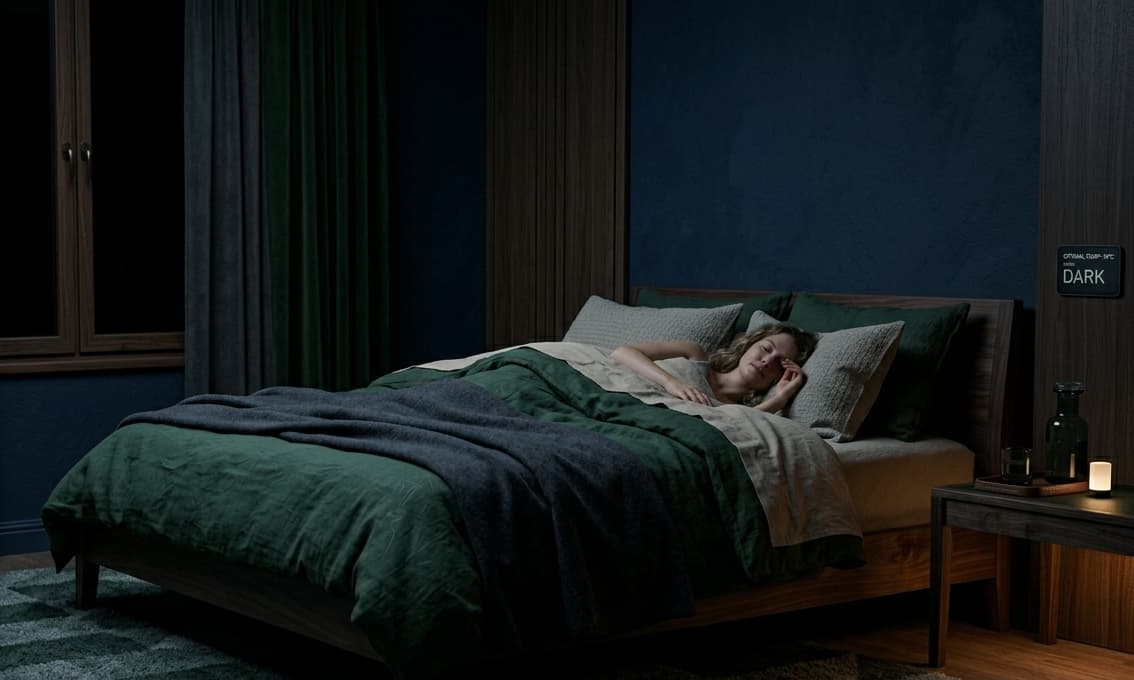
In a perfectly silent room, your auditory system is dialed up to 10. Your amygdala is scanning for threats. This is an evolutionary survival mechanism. When you introduce white noise, you are essentially giving your brain a constant, safe signal to ignore. This “predictable input” tells your nervous system that the environment is stable, facilitating the transition from light Stage 1 sleep into the restorative “deep sleep” phases.
Which white noise apps should you use for deep recovery?
If you’re serious about your sleep, you need to stop using “toys” and start using tools. Here is the curated list of apps that actually meet the Slumbelry standard for sound consistency and frequency range:
1. White Noise Lite (TMSOFT)
The industry gold standard for mechanical consistency. It mimics the deep, resonant hum of industrial fans and air conditioners. For users who need a “heavy” sound blanket, this is the most reliable choice. The loops are seamless, ensuring no “jump” wakes your subconscious mind.
2. myNoise: The Precision Synthesizer
This isn’t just an app; it’s a medical-grade sound shaper. It allows you to adjust 10 different frequency sliders. If high-pitched “hissing” white noise irritates you, you can dampen the high end and boost the Brown Noise frequencies for a deeper, more grounding experience. Perfect for those with tinnitus or high sound sensitivity.
3. Noisli: The Cognitive Distraction Tool
Best for the “racing mind.” Noisli allows you to layer nature sounds (rain, wind, forest) over traditional white noise. This provides just enough mental engagement to stop the 3 AM spiral of thoughts without being overstimulating for the brain.
Frequently Asked Questions
Q: Is it safe to play white noise all night long?
A: Yes, but volume control is critical. To protect your long-term hearing, the sound should never exceed 60 decibels—roughly the volume of a soft shower. Maintaining this level all night ensures that your auditory threshold remains stable, preventing midnight awakenings from external environment spikes.
Q: Why does white noise make some people feel anxious?
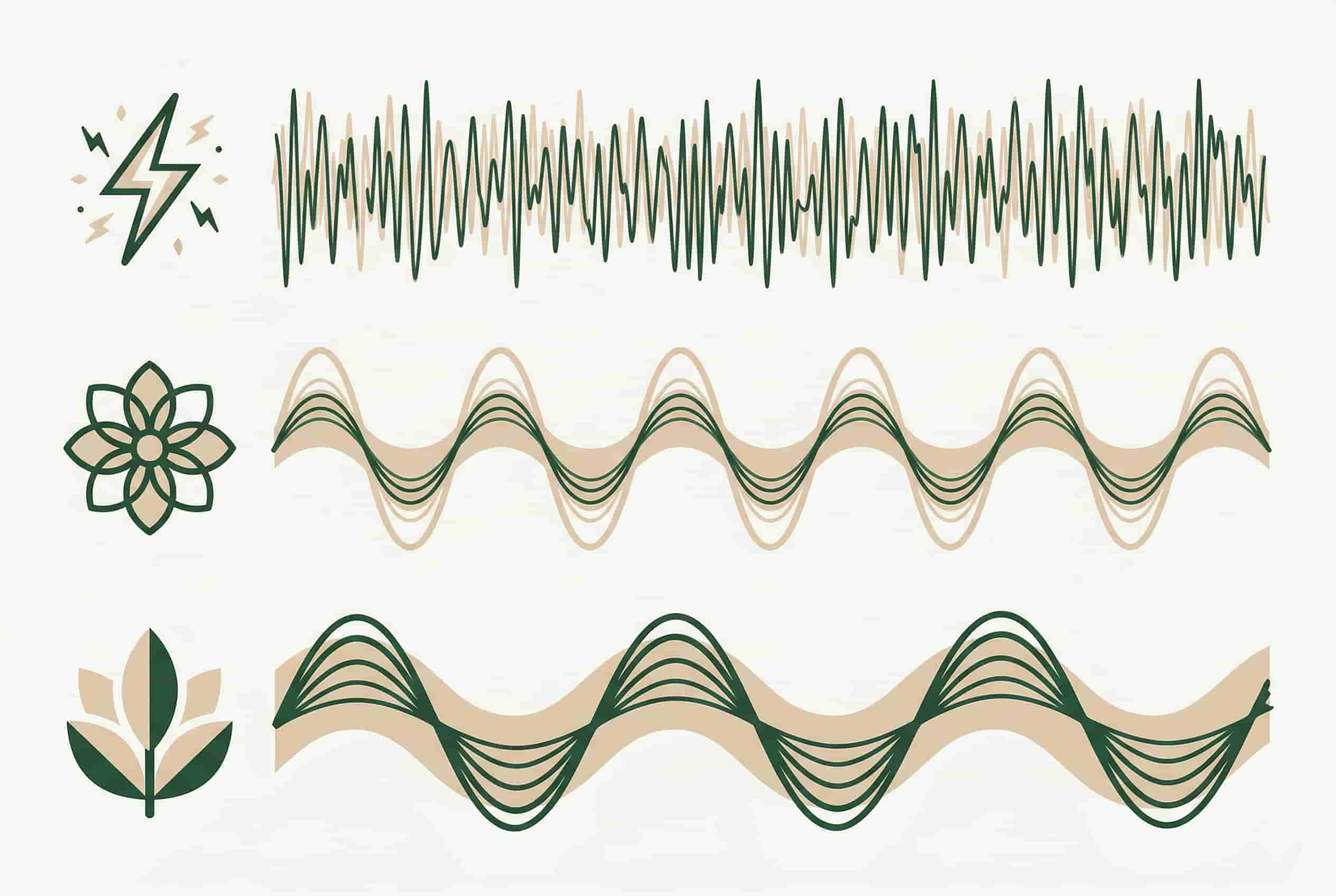
A: It’s often a frequency mismatch. Pure “White” noise has a lot of energy in high-frequency ranges, which can sound like “hissing” and trigger a mild cortisol response. In these cases, we recommend switching to Pink Noise or Brown Noise, which have deeper, more natural low-frequency profiles that soothe the nervous system.
Ready to Stop Guessing?
Sound is only one variable in the sleep equation. Is your environment truly optimized for your biology?