×
Slumbelry
HOME SHOP WELLBEING BLOG LOGIN / REGISTER SEARCH CONTACT

Best White Noise Apps: Your Guide to a Peaceful Night’s Sleep

Best White Noise Apps

In our bustling modern lives, finding a quiet moment, especially for sleep or focus, can be challenging. Unwanted noises from traffic, neighbors, or even within our own homes can disrupt our peace and make it difficult to relax or concentrate. White noise apps offer a simple yet effective solution by generating a consistent sound frequency that masks these distracting noises, creating a more serene auditory environment. Whether you’re looking to improve sleep quality, enhance focus during work or study, or soothe a fussy baby, a good white noise app can be an invaluable tool.

What to Look for in a White Noise App

Key Features to Consider

  • Variety of Sounds: Beyond just classic white noise, many apps offer pink noise, brown noise, nature sounds (rain, waves, wind), fan sounds, and ambient soundscapes.
  • Sound Quality: High-quality, seamlessly looped sounds are crucial to avoid irritation.
  • Customization: Features like sound mixing, timers, fade-out options, and volume control for individual sounds enhance user experience.
  • Ease of Use: An intuitive interface makes it easy to find and play your preferred sounds.
  • Offline Access: The ability to use the app without an internet connection is a plus.
  • Price: Many apps offer free versions with ads or limited features, with premium options for more content and functionality.

Top White Noise Apps for Better Sleep and Focus

White Noise Lite (by TMSOFT)

Platforms: iOS, Android, Web

Features: This is one of the most popular and comprehensive white noise apps. It offers a vast library of sounds, including various colors of noise, mechanical sounds (air conditioner, fan), light to heavy rain, crickets, ocean waves, and much more. You can create custom sound mixes, set timers, and it supports background audio.

Pros: Extensive sound library, good sound quality, sound mixing capabilities, free version is quite robust.

Cons: Full sound catalog and ad-free experience require a Pro version purchase.

Best for: Users who want a wide variety of high-quality sounds and mixing options.

myNoise

Platforms: iOS, Android, Web

Features: myNoise stands out for its highly customizable sound generators. It’s not just a collection of pre-recorded loops; it uses synthesized noises that you can shape using sliders to perfectly match your auditory preferences or block specific frequencies. It offers everything from rain and white noise to more abstract soundscapes like “Tibetan Choir” or “Spaceship Engine.”

Pros: Unparalleled customization, excellent for specific needs (like tinnitus masking), many generators are free.

Cons: The interface can be a bit overwhelming for new users due to the level of control.

Best for: Audiophiles, those with specific sound sensitivities, or anyone who loves to fine-tune their sound environment.

Noisli

Platforms: iOS, Android, Web, Chrome Extension

Features: Noisli is known for its minimalist design and focus on productivity and relaxation. It offers a curated selection of high-quality background sounds (rain, thunderstorm, wind, forest, coffee shop, white/pink/brown noise, etc.) that you can mix and match. It also features a simple text editor for distraction-free writing and a timer for Pomodoro technique users.

Pros: Beautiful and simple interface, high-quality sounds, great for productivity and relaxation, cross-platform availability.

Cons: Fewer sounds compared to some other apps, premium subscription for full features like more sounds and offline access.

Best for: Individuals looking for a simple, elegant app to boost focus or create a calming atmosphere.

Atmosphere: Relaxing Sounds

Platforms: Android, iOS

Features: Atmosphere provides a wide array of ambient sounds divided into categories like beach, forest, city, home, underwater, and more. It allows for mixing multiple sounds, adjusting individual volumes, and setting timers. It also includes binaural beats and isochronic tones for those interested in brainwave entrainment.

Pros: Large selection of diverse sounds, sound mixing, binaural beats included, mostly free with ads (ad-free version available).

Cons: Sound quality can vary slightly between different sounds.

Best for: Users who enjoy creating complex soundscapes and are interested in exploring binaural beats.

White Noise Deep Sleep Sounds

Platforms: Android

Features: This app focuses specifically on sounds for deep sleep. It offers a good selection of white noise, fan sounds, rain sounds, nature sounds, and lullabies. It has a simple interface, sleep timer, and fade-out feature. It also works offline.

Pros: Simple and easy to use, good variety of sleep-focused sounds, works offline, free with ads (option to remove ads).

Cons: Android only, fewer customization options compared to more complex apps.

Best for: Android users looking for a straightforward, free app primarily for sleep.

Tips for Using White Noise Apps Effectively

Best Practices for Optimal Results

  • Experiment with Sounds: Don’t just stick to “white noise.” Try pink noise (lower frequency, often found more soothing) or brown noise (even deeper). Nature sounds can also be very effective.
  • Find the Right Volume: The sound should be loud enough to mask distractions but not so loud that it’s intrusive or damaging to your hearing.
  • Use a Timer: If using for sleep, set a timer so the sound doesn’t play all night, unless you prefer it that way. Many apps have a fade-out feature.
  • Consider Headphones or a Speaker: For the best experience, especially for sleep, good quality headphones or a Bluetooth speaker can improve sound quality and immersion.
  • Combine with Other Sleep Hygiene Practices: White noise is a tool, not a magic bullet. Combine its use with a consistent sleep schedule, a dark and cool room, and limiting screen time before bed.

Key Takeaways

White noise apps offer a convenient and often free way to improve your auditory environment, whether for sleep, focus, or relaxation. With a plethora of options available, you can easily find an app that suits your preferences and needs. By experimenting with different sounds and features, you can harness the power of sound to create your personal oasis of calm.

Remember: Always use white noise apps at a moderate volume, especially when using headphones or for extended periods, to protect your hearing. If you experience any discomfort or ringing in your ears, lower the volume or discontinue use.
Top sleep tech 2024: revolutionary devices and apps transforming sleep quality

Top Sleep Tech 2024

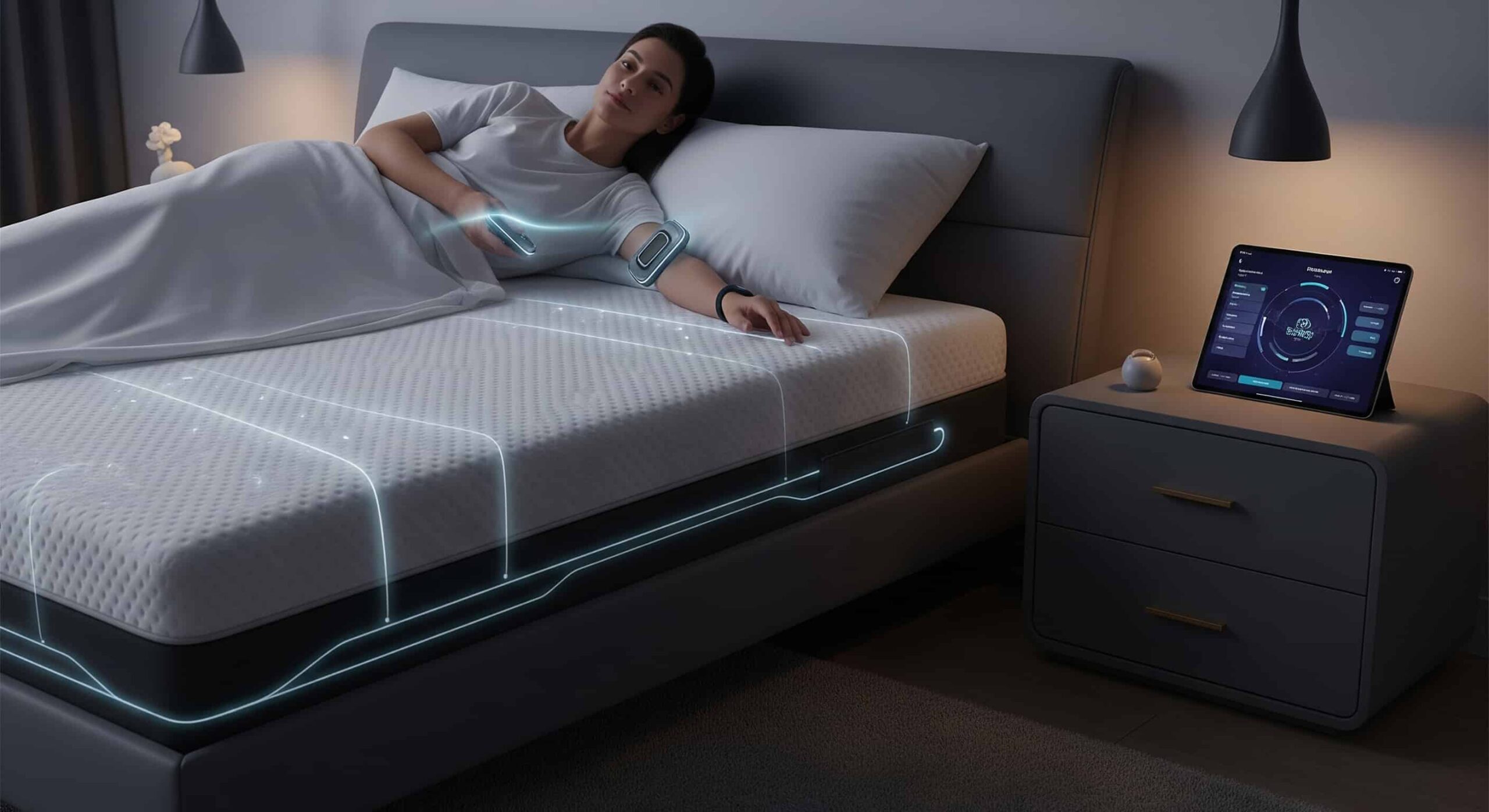
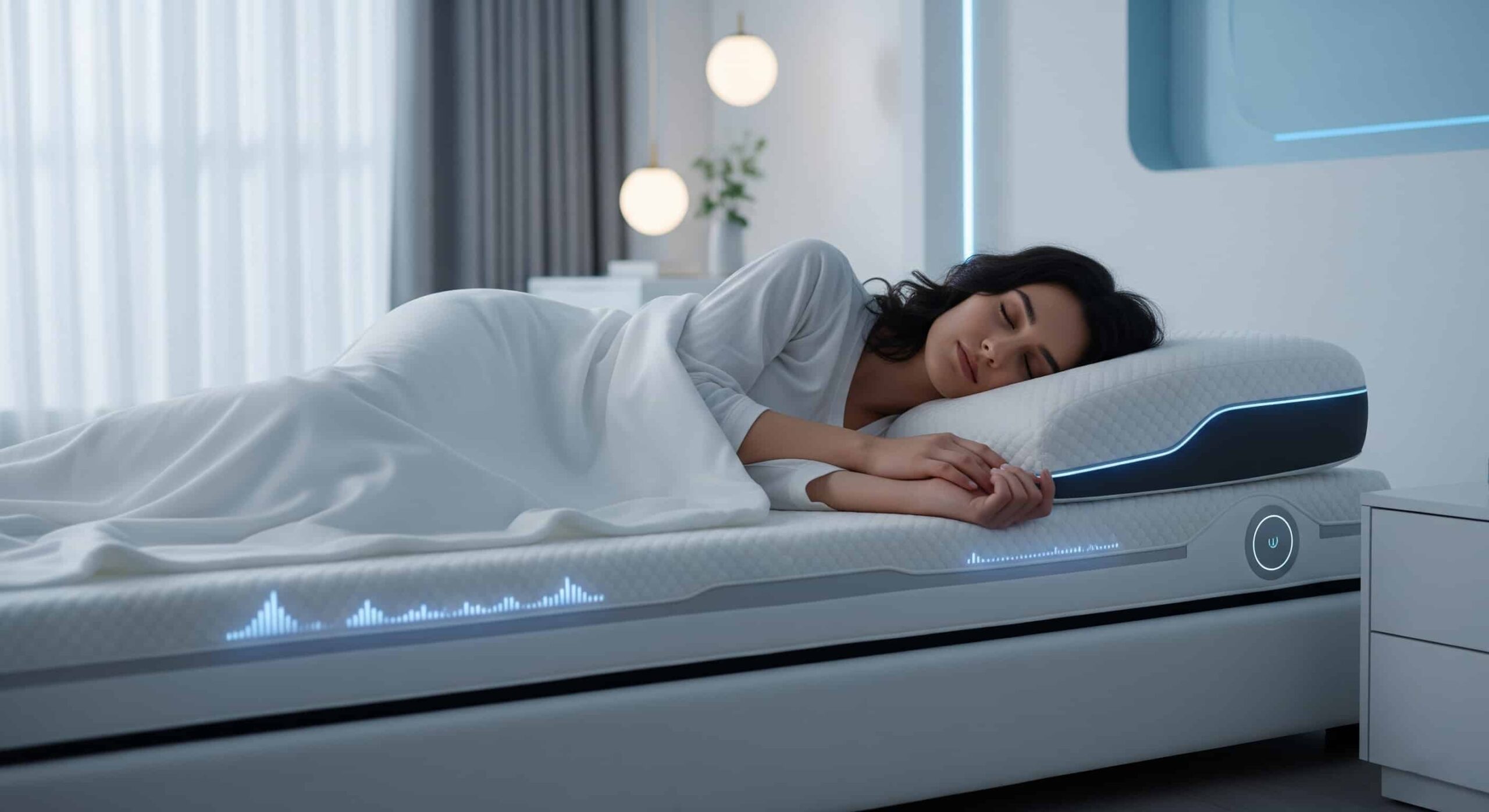
The sleep technology landscape has evolved dramatically in 2024, with groundbreaking innovations that promise to revolutionize how we understand, track, and improve our sleep. From AI-powered sleep coaches to smart mattresses that adapt to your body temperature, this year’s sleep tech offerings combine cutting-edge science with practical solutions for better rest.

Smart Sleep Tracking Devices

Oura Ring Generation 4

Key features:

  • Advanced sleep stage detection with 95% accuracy
  • Body temperature monitoring throughout the night
  • Heart rate variability tracking for recovery insights
  • 7-day battery life with rapid charging
  • Waterproof design for 24/7 wear
  • Integration with major health apps

What’s new in 2024:

  • Enhanced sensors for more accurate data collection
  • AI-powered sleep coaching with personalized recommendations
  • Stress monitoring throughout the day
  • Improved app interface with detailed sleep insights

Price: $399 – $549 depending on finish

Best for: Users who want comprehensive health tracking without wearing a bulky device

Apple Watch Series 10 Sleep Features

Sleep tracking capabilities:

  • Automatic sleep detection and stage analysis
  • Sleep schedule optimization based on usage patterns
  • Wind Down reminders and bedtime routines
  • Sleep goal tracking and achievement badges
  • Integration with iPhone Sleep app

2024 improvements:

  • Extended battery life for overnight tracking
  • More accurate sleep stage detection
  • Enhanced sleep coaching through watchOS 11
  • Better integration with third-party sleep apps

Price: Starting at $399

Best for: iPhone users who want sleep tracking integrated with their existing ecosystem

Fitbit Sense 3

Sleep features:

  • Sleep Score with detailed breakdown
  • Smart Wake feature for optimal wake timing
  • Sleep profile analysis over time
  • Stress management tools affecting sleep
  • 6+ day battery life

New for 2024:

  • Enhanced sleep stage accuracy
  • Personalized sleep insights based on long-term data
  • Integration with Fitbit Premium sleep programs
  • Improved comfort for overnight wear

Price: $329

Best for: Budget-conscious users who want comprehensive sleep and health tracking

Smart Mattresses and Sleep Surfaces

Sleep Number Climate360 Smart Bed

Revolutionary features:

  • Dual-zone temperature control (heating and cooling)
  • Automatic firmness adjustment based on sleep position
  • Biometric monitoring without wearables
  • Smart alarm that wakes you during light sleep
  • Integration with smart home systems

2024 enhancements:

  • AI-powered sleep optimization that learns your preferences
  • Advanced climate control with humidity management
  • Improved partner isolation technology
  • Enhanced mobile app with detailed sleep analytics

Price: $4,999 – $8,999 depending on size and features

Best for: Couples with different sleep preferences and those who want the ultimate smart sleep experience

Eight Sleep Pod 4 Ultra

Core features:

  • Active temperature regulation (-10°F to +110°F)
  • Dual-zone control for couples
  • Biometric tracking including heart rate and breathing
  • Smart alarm with gentle wake-up
  • Sleep coaching through AI analysis

What’s new:

  • Faster temperature adjustment response
  • Enhanced sensor accuracy for better data
  • Improved app interface with actionable insights
  • Integration with fitness trackers and health apps

Price: $3,395 – $4,195 plus monthly subscription

Best for: Hot sleepers and those who want precise temperature control

Purple RestorePlex Mattress

Innovative technology:

  • GelFlex Grid for temperature regulation
  • Responsive support that adapts to body shape
  • Excellent motion isolation
  • Hypoallergenic and antimicrobial properties
  • 10-year warranty

2024 improvements:

  • Enhanced gel technology for better cooling
  • Improved edge support
  • New firmness options
  • Better durability and longevity

Price: $1,299 – $2,999 depending on size

Best for: Hot sleepers who want cooling without active temperature control

Sleep Apps and AI Coaching

Sleep.com AI Coach

AI-powered features:

  • Personalized sleep improvement plans
  • Real-time coaching based on sleep data
  • Integration with multiple wearable devices
  • Behavioral change tracking and motivation
  • Expert-backed sleep science recommendations

2024 updates:

  • Advanced machine learning algorithms
  • Voice-activated sleep coaching
  • Integration with smart home devices
  • Personalized meditation and relaxation content

Price: Free with premium features at $9.99/month

Best for: Users who want comprehensive sleep coaching and behavior change support

Calm Sleep Stories 2.0

Enhanced features:

  • AI-generated personalized sleep stories
  • Adaptive narration based on your preferences
  • Binaural beats integration for deeper relaxation
  • Sleep timer with gradual volume reduction
  • Offline download for travel

New in 2024:

  • Voice cloning technology for familiar voices
  • Interactive sleep stories that respond to movement
  • Integration with smart speakers and displays
  • Personalized soundscapes based on sleep data

Price: $69.99/year

Best for: People who struggle with racing thoughts at bedtime

Noisli Sleep Focus

Sound technology:

  • High-quality nature sounds and white noise
  • Customizable sound mixing
  • Timer and fade-out features
  • Offline playback capability
  • Background app functionality

2024 enhancements:

  • 3D spatial audio for immersive experience
  • AI-powered sound recommendations
  • Integration with sleep tracking devices
  • Adaptive volume based on ambient noise

Price: Free with premium at $2/month

Best for: Light sleepers who need consistent background noise

Smart Lighting and Environment Control

Philips Hue Sync Sleep System

Circadian lighting features:

  • Automatic color temperature adjustment throughout the day
  • Gradual dimming for natural sleep onset
  • Sunrise simulation for gentle wake-up
  • Integration with sleep tracking devices
  • Voice control compatibility

2024 improvements:

  • Enhanced color accuracy for better circadian support
  • Faster response times for real-time adjustments
  • Better integration with health apps
  • Improved energy efficiency

Price: $199 – $399 for starter kits

Best for: Users who want to optimize their light exposure for better sleep

Dyson Pure Cool Cryptomic Air Purifier

Sleep-optimized features:

  • Ultra-quiet night mode operation
  • Real-time air quality monitoring
  • Automatic adjustment based on pollution levels
  • HEPA and activated carbon filtration
  • Smart home integration

2024 updates:

  • Enhanced filtration for better allergen removal
  • Improved noise reduction technology
  • Better app control and scheduling
  • Energy-efficient operation

Price: $549 – $749

Best for: People with allergies or those living in polluted environments

Nest Learning Thermostat Pro

Sleep optimization:

  • Automatic temperature adjustment for sleep phases
  • Learning algorithms that adapt to your preferences
  • Integration with sleep tracking devices
  • Energy-efficient operation
  • Remote control via smartphone

New features for 2024:

  • Enhanced sleep mode with precise temperature control
  • Better integration with health and fitness apps
  • Improved learning algorithms
  • Advanced scheduling options

Price: $279

Best for: Users who want automated temperature control for optimal sleep

Innovative Sleep Accessories

Muse S Headband (Gen 2)

Meditation and sleep features:

  • EEG brain activity monitoring
  • Real-time feedback during meditation
  • Sleep tracking without wearables
  • Guided sleep meditations
  • Progress tracking and insights

2024 enhancements:

  • Improved comfort for overnight wear
  • Enhanced EEG accuracy
  • Better app integration and user experience
  • Longer battery life

Price: $399

Best for: Meditation practitioners who want to improve their practice and sleep quality

Kokoon Sleep Headphones

Audio sleep technology:

  • Ultra-comfortable design for side sleepers
  • Active noise cancellation
  • Sleep tracking through audio analysis
  • Automatic audio fade-out when asleep
  • Long battery life for all-night use

2024 improvements:

  • Enhanced comfort with new materials
  • Better noise cancellation technology
  • Improved sleep detection accuracy
  • Wireless charging capability

Price: $329

Best for: People who need audio content to fall asleep but don’t want to disturb partners

ChiliSleep OOLER Sleep System

Temperature control features:

  • Precise temperature control (55-115°F)
  • Dual-zone capability for couples
  • Smartphone app control
  • Scheduled temperature changes
  • Quiet operation for undisturbed sleep

2024 updates:

  • Improved energy efficiency
  • Enhanced app interface with better scheduling
  • Quieter operation
  • Better integration with sleep tracking devices

Price: $699 – $1,199

Best for: Hot sleepers who want precise temperature control without buying a new mattress

Choosing the Right Sleep Tech for You

Budget Considerations

Under $100:

  • Sleep tracking apps with premium features
  • Basic smart lighting solutions
  • White noise machines and sleep sound apps
  • Sleep hygiene tracking tools

$100 – $500:

  • Fitness trackers with sleep monitoring
  • Smart wake-up lights
  • Sleep headphones and meditation devices
  • Basic smart thermostats

$500 – $2,000:

  • Advanced wearables like Oura Ring
  • Smart air purifiers and environmental controls
  • Temperature regulation systems
  • Professional-grade sleep tracking devices

$2,000+:

  • Smart mattresses with full integration
  • Complete smart bedroom ecosystems
  • Professional sleep lab equipment for home use

Compatibility and Integration

Apple ecosystem users:

  • Apple Watch for comprehensive health tracking
  • HomeKit-compatible devices for seamless integration
  • Health app integration for centralized data
  • Siri voice control for hands-free operation

Android users:

  • Google Fit integration for health data
  • Google Assistant compatibility
  • Wear OS devices for sleep tracking
  • Google Home integration for smart controls

Platform-agnostic options:

  • Oura Ring works with both iOS and Android
  • Fitbit devices have broad compatibility
  • Most smart mattresses have their own apps
  • Third-party sleep apps often support multiple platforms

Privacy and Data Security

Important considerations:

  • Review data collection and sharing policies
  • Understand what data is stored locally vs. in the cloud
  • Check for encryption and security measures
  • Consider devices that offer local data storage options
  • Be aware of third-party data sharing agreements

Best practices:

  • Regularly review and update privacy settings
  • Use strong, unique passwords for sleep tech accounts
  • Enable two-factor authentication when available
  • Regularly update device firmware and apps
  • Consider the long-term implications of health data collection

The Future of Sleep Technology

The sleep technology landscape in 2024 offers unprecedented opportunities to understand and improve our sleep quality. From AI-powered coaching to smart mattresses that adapt to our needs, these innovations represent a significant step forward in sleep science.

Key takeaway: The best sleep technology is the one that fits seamlessly into your lifestyle and addresses your specific sleep challenges. Start with identifying your primary sleep issues, then choose devices that offer targeted solutions within your budget and technical comfort level.

Smart pillows and mattresses: comprehensive review of intelligent sleep technology for enhanced comfort and health monitoring

Smart Pillow Mattress Review

In today’s technology-driven world, even our sleep environment is becoming smarter. Smart pillows and mattresses represent the cutting edge of sleep technology, offering personalized comfort, health monitoring, and adaptive features that respond to your body’s needs throughout the night.

What Are Smart Pillows and Mattresses?

Smart sleep products integrate advanced sensors, memory foam technology, and connectivity features to create an intelligent sleep environment. These products can track sleep patterns, adjust firmness and temperature, and provide valuable insights into your sleep quality.

Key Features of Smart Sleep Technology

  • Sleep tracking and monitoring capabilities
  • Automatic temperature regulation
  • Adjustable firmness and support zones
  • Smart alarm systems that wake you during light sleep phases
  • Integration with health apps and smart home systems
  • Personalized sleep recommendations and insights

Top Smart Pillow Reviews

1. Sleep Number ComfortFit Pillow

Price Range: $199 – $299

Key Features: Adjustable height and firmness, cooling gel layer, machine washable cover

Best For: Side sleepers who need customizable support

Pros: Highly customizable, excellent temperature regulation, durable construction

Cons: Higher price point, may take time to find optimal settings

2. Tempur-Pedic TEMPUR-Cloud Breeze Dual Cooling

Price Range: $149 – $199

Key Features: Dual-sided cooling technology, pressure-relieving TEMPUR material

Best For: Hot sleepers and those with neck pain

Pros: Excellent cooling properties, superior pressure relief, trusted brand

Cons: Heavy weight, slower response time

3. Purple Harmony Pillow

Price Range: $159 – $179

Key Features: Purple Grid technology, Talalay latex core, moisture-wicking cover

Best For: All sleep positions, especially combination sleepers

Pros: Unique gel grid design, excellent airflow, responsive support

Cons: Unique feel may not suit everyone, limited height options

Top Smart Mattress Reviews

1. Sleep Number 360 Smart Bed

Price Range: $999 – $4,999

Key Features: Dual-zone firmness control, sleep tracking, automatic adjustments, temperature balancing

Best For: Couples with different sleep preferences

Pros: Highly customizable, comprehensive sleep tracking, partner isolation

Cons: Expensive, requires power source, complex setup

2. Eight Sleep Pod Pro

Price Range: $2,295 – $3,395

Key Features: Active temperature regulation, biometric tracking, smart alarm

Best For: Tech enthusiasts and health-conscious sleepers

Pros: Advanced health tracking, precise temperature control, detailed sleep insights

Cons: High price, subscription required for full features

3. Purple Hybrid Premier

Price Range: $1,299 – $2,098

Key Features: Purple Grid technology, pocketed coils, cooling properties

Best For: Hot sleepers and those seeking pressure relief

Pros: Excellent cooling, unique pressure relief, durable construction

Cons: Unique feel, heavier than traditional mattresses

Choosing the Right Smart Sleep Product

When selecting smart pillows and mattresses, consider your specific sleep needs, budget, and desired features. While these products represent a significant investment, they can provide valuable insights into your sleep patterns and potentially improve your overall sleep quality.

Remember: The best smart sleep product is one that consistently helps you achieve better, more restful sleep while fitting within your budget and lifestyle preferences.

Best Sleep Apps: Tracking, Meditation & White Noise – Which is for You?

Best Sleep Apps Review

In an age where our smartphones are often blamed for disrupting our sleep, it might seem counterintuitive to turn to an app for help. However, a new generation of sleep-focused applications aims to do just that – leveraging technology to monitor, manage, and improve your sleep quality. From sophisticated sleep trackers to guided meditations and soothing soundscapes, there’s an app for almost every sleep-related need. But with so many options, how do you choose the right one? Let’s explore the different types of sleep apps and highlight some of the best contenders in each category.

Sleep Tracking Apps: Understanding Your Nightly Patterns

Sleep tracking apps typically use your phone’s accelerometer and microphone (or connect to wearable devices) to monitor your movements, sounds, and sleep stages throughout the night. The goal is to provide insights into your sleep duration, quality, and potential disturbances.

Sleep Cycle: Smart Alarm & Sleep Tracker

Features: Sleep Cycle is renowned for its intelligent alarm clock that aims to wake you up during your lightest sleep phase, helping you feel more refreshed. It analyzes your sleep patterns using sound analysis (microphone) or accelerometer. It provides detailed sleep statistics, graphs, and notes on how daily activities affect sleep quality.

Pros: Gentle wake-up, comprehensive sleep analysis, identifies trends.

Cons: Requires phone to be in bed (for accelerometer use) or nearby (for microphone use), some premium features require subscription.

Best for: Individuals looking to understand their sleep patterns and wake up more gently.

Pillow Automatic Sleep Tracker

Features: Pillow offers automatic sleep tracking with Apple Watch integration, providing a rich analysis of your sleep stages (including REM, light, and deep sleep). It also includes features like heart rate analysis during sleep, audio recordings of sleep events (snoring, sleep apnea indications), and a smart alarm clock.

Pros: Excellent Apple Watch integration, detailed sleep stage breakdown, audio recordings.

Cons: Primarily for Apple users, subscription for full features.

Best for: Apple Watch users seeking in-depth sleep analysis and health metric correlation.

Meditation & Mindfulness Apps: Calming the Mind for Sleep

These apps focus on preparing your mind for sleep through guided meditations, mindfulness exercises, calming stories, and breathing techniques. They are designed to reduce stress and anxiety, common culprits of insomnia.

Calm: Meditation and Sleep

Features: Calm is a leading app for meditation, relaxation, and sleep. It offers a vast library of guided meditations, sleep stories narrated by soothing voices (including celebrities), nature sounds, breathing exercises, and music tracks designed to promote relaxation and sleep.

Pros: Extensive content library, high-quality audio, celebrity narrators, suitable for all levels.

Cons: Subscription-based for most content.

Best for: Anyone looking for a wide variety of tools to reduce stress and improve sleep through mindfulness and storytelling.

Headspace: Meditation & Sleep

Features: Headspace provides guided meditations tailored for sleep, including specific courses for falling asleep, managing restlessness, and winding down. It also features “Sleepcasts” (audio experiences to help you drift off), soothing soundscapes, and short exercises for daytime stress relief.

Pros: Structured meditation courses, user-friendly interface, scientifically backed techniques.

Cons: Subscription required for full access.

Best for: Individuals new to meditation or those who prefer a structured approach to mindfulness for sleep.

White Noise & Soundscape Apps: Masking Disturbances

These apps provide a variety of sounds – from white noise and nature sounds to ambient music – to help mask distracting noises, create a calming sleep environment, and promote relaxation.

White Noise Lite

Features: This app offers a wide range of looped sounds, including various colors of noise (white, pink, brown), mechanical sounds (fan, air conditioner), light to heavy rain, and nature sounds. It allows for mixing sounds and setting timers.

Pros: Large sound library, customizable mixes, simple interface, free version available.

Cons: Some advanced features and sounds are in paid versions.

Best for: Users who need to block out disruptive noises or prefer a consistent sound background for sleep.

myNoise

Features: myNoise is highly customizable, offering a unique approach with calibrated noise generators. You can shape the sound to your specific hearing needs and preferences, making it excellent for noise blocking, tinnitus relief, and focus, in addition to sleep.

Pros: Highly customizable soundscapes, effective for specific needs like tinnitus, many free generators.

Cons: Interface can be a bit complex for new users, some generators require purchase.

Best for: Audiophiles or those with specific sound masking needs who appreciate fine-tuning capabilities.

Combination & Specialized Apps

Some apps combine features from all categories or cater to specific sleep issues.

Pzizz – Sleep, Nap, Focus

Features: Pzizz uses psychoacoustic principles to create dreamscapes – a mix of music, voiceovers, and sound effects that change each night, helping you fall asleep fast, stay asleep, and wake up refreshed. It has modules for sleep, naps, and focus.

Pros: Unique, dynamically generated soundscapes, effective for many users, dedicated nap module.

Cons: Subscription model, voiceovers may not be for everyone.

Best for: People who find standard meditations or static white noise unengaging and want a dynamic audio experience.

Key Takeaways

The best sleep app for you depends on your individual needs, preferences, and budget. If you’re curious about your sleep habits, a tracking app might be a good starting point. If stress or an overactive mind keeps you awake, a meditation app could be beneficial. And if noise is your primary sleep disruptor, a white noise app is worth trying.

Remember: Many apps offer free trials, so don’t hesitate to experiment with a few options to find what works best for you. While apps can be valuable tools, they are most effective when combined with good sleep hygiene practices, such as maintaining a consistent sleep schedule and creating a restful bedroom environment.

Complete white noise machine buying guide: how to choose the perfect sound machine for better sleep

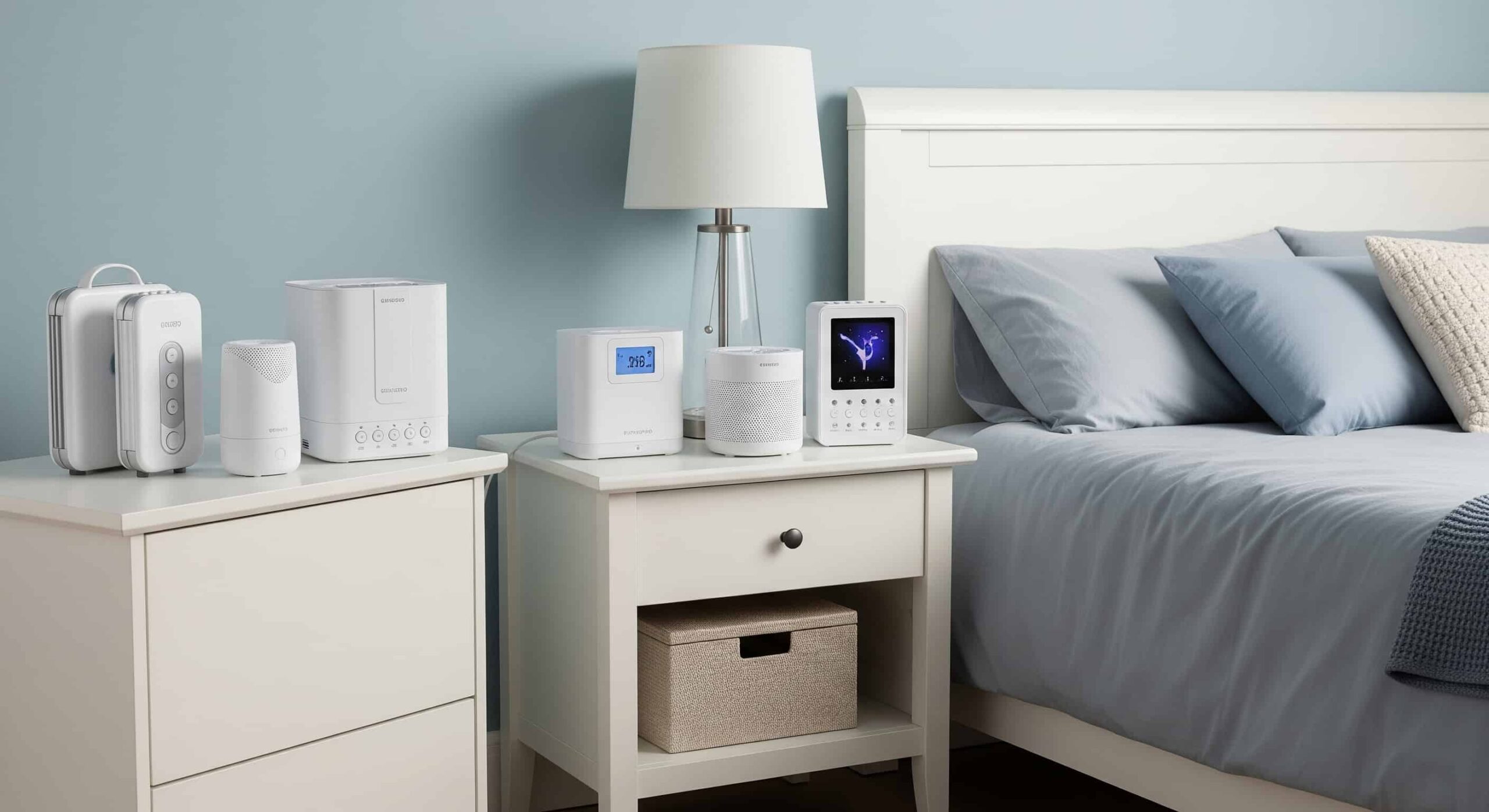
White Noise Machine Buying Guide

White noise machines have become essential tools for creating optimal sleep environments. With countless options available, choosing the right machine can significantly impact your sleep quality, concentration, and overall well-being.

Understanding White Noise Machines

White noise machines generate consistent, soothing sounds that mask disruptive environmental noises. They work by producing a steady acoustic blanket that helps your brain filter out sudden sounds that might otherwise wake you or prevent you from falling asleep.

Benefits of White Noise Machines

  • Improved sleep quality and faster sleep onset
  • Enhanced concentration and focus during work or study
  • Reduced stress and anxiety levels
  • Better sleep for babies and children
  • Privacy enhancement by masking conversations
  • Tinnitus relief for some individuals

Types of White Noise Machines

1. Mechanical White Noise Machines

How They Work: Use a physical fan or motor to generate natural white noise through air movement.

Pros:

  • Produce authentic, non-looping white noise
  • Generally more affordable
  • Simple operation with minimal controls
  • No digital artifacts or sound loops

Cons:

  • Limited sound variety
  • May require more maintenance
  • Can be bulkier than digital alternatives

2. Digital White Noise Machines

How They Work: Use electronic speakers to play pre-recorded or digitally generated sounds.

Pros:

  • Wide variety of sound options (white, pink, brown noise, nature sounds)
  • Precise volume control
  • Timer and scheduling features
  • Compact and portable designs
  • Additional features like Bluetooth connectivity

Cons:

  • May have noticeable sound loops
  • Generally more expensive
  • Requires power source or battery charging

3. Smartphone Apps and Smart Speakers

Convenience Factor: Use existing devices to play white noise through apps or voice commands.

Best For: Travel, temporary use, or testing white noise before investing in a dedicated machine.

Limitations: Battery drain, potential interruptions from notifications, and generally lower sound quality.

Key Features to Consider

Sound Quality and Variety

Sound Types: Look for machines offering multiple sound options:

  • White Noise: Equal intensity across all frequencies
  • Pink Noise: Lower frequencies emphasized, often more soothing
  • Brown Noise: Even deeper frequencies, very calming
  • Nature Sounds: Rain, ocean waves, forest sounds
  • Ambient Sounds: Fan sounds, air conditioner hum

Audio Quality: Ensure clear, distortion-free sound reproduction without obvious loops or digital artifacts.

Volume Control and Range

  • Precise Control: Look for machines with fine volume adjustment
  • Volume Range: Should accommodate both quiet and noisy environments
  • Memory Function: Remembers your preferred volume setting
  • Gradual Volume Changes: Some models offer fade-in/fade-out features

Timer and Scheduling Features

  • Sleep Timer: Automatically turns off after set duration
  • Continuous Play: Runs all night without interruption
  • Scheduled Operation: Advanced models can turn on/off at specific times
  • Gradual Fade: Slowly decreases volume before turning off

Portability and Power Options

  • Size and Weight: Consider if you’ll travel with the device
  • Power Sources: AC adapter, battery, or USB charging
  • Battery Life: For portable models, look for 8+ hours of operation
  • Auto-Off Features: Preserve battery life when not in use

Budget Considerations and Price Ranges

Budget Options ($20-$50)

What to Expect: Basic mechanical fans or simple digital machines with limited sound options.

Best For: First-time users, single-room use, or basic noise masking needs.

Popular Models: Marpac Dohm, HoMedics SoundSpa

Mid-Range Options ($50-$150)

What to Expect: Multiple sound options, better build quality, timer features, and improved audio quality.

Best For: Regular users who want variety and reliability.

Popular Models: LectroFan, Adaptive Sound Technologies machines

Premium Options ($150+)

What to Expect: High-fidelity audio, extensive customization, smart features, and premium materials.

Best For: Audiophiles, tech enthusiasts, or those with specific sound sensitivity needs.

Features: App control, Bluetooth connectivity, advanced scheduling, and superior sound quality.

Special Considerations

For Baby and Child Use

  • Volume Limits: Ensure maximum volume stays below 50 decibels
  • Safety Features: Secure cord management and stable base
  • Portable Options: For travel and room-to-room use
  • Night Light Integration: Some models include gentle lighting

For Travel Use

  • Compact Size: Easy to pack and carry
  • Battery Operation: Independent of power outlets
  • Durable Construction: Withstands travel wear and tear
  • Universal Power: Works with different electrical systems

For Office or Study Use

  • Discreet Design: Professional appearance
  • Focused Sounds: Sounds that enhance concentration
  • USB Power: Can connect to computer or power bank
  • Quiet Operation: Minimal mechanical noise

Top Recommendations by Category

Best Overall: LectroFan EVO

Why We Recommend: Excellent sound quality, 22 unique sounds, precise volume control, and reliable performance.

Price Range: $50-$70

Best For: Most users seeking quality and variety

Best Budget: Marpac Dohm Classic

Why We Recommend: Simple, effective mechanical white noise with proven track record.

Price Range: $40-$50

Best For: Users who prefer authentic fan-generated white noise

Best for Travel: Rohm Portable

Why We Recommend: Ultra-compact, rechargeable, and surprisingly powerful for its size.

Price Range: $30-$40

Best For: Frequent travelers and small spaces

Making Your Final Decision

The best white noise machine is one that meets your specific needs, budget, and preferences. Consider your primary use case, desired features, and sound preferences when making your choice.

Remember: A good white noise machine is an investment in better sleep and improved quality of life. Take time to research and choose wisely—your future well-rested self will thank you.

Beyond white noise: exploring other sleep sounds for better rest

Other Sleep Sounds

While white noise has gained popularity as a sleep aid, it’s just one option in a vast spectrum of sounds that can enhance your sleep quality. From the deeper tones of brown noise to the rhythmic patterns of binaural beats, different sound frequencies can offer unique benefits for various sleep challenges.

Understanding the Color Spectrum of Noise

Pink Noise: The Gentle Alternative

What it is: Pink noise contains equal energy per octave, making it sound more balanced and natural than white noise. It emphasizes lower frequencies while still containing higher ones.

How it sounds: Like steady rainfall, rustling leaves, or a gentle waterfall.

Benefits for sleep:

  • May improve deep sleep quality and duration
  • Can enhance memory consolidation during sleep
  • Less harsh and more soothing than white noise
  • Better for sensitive sleepers who find white noise too sharp
  • May help stabilize brain waves during sleep

Brown Noise: Deep and Grounding

What it is: Brown noise (also called red noise) emphasizes even lower frequencies than pink noise, creating a deeper, more rumbling sound.

How it sounds: Like distant thunder, a strong wind, or the low hum of a large waterfall.

Benefits for sleep:

  • Excellent for anxiety reduction and stress relief
  • Promotes very deep relaxation
  • Ideal for people with ADHD or racing thoughts
  • Can help mask low-frequency disturbances like traffic
  • May improve focus and concentration before sleep

Blue and Violet Noise: The Higher Frequencies

Blue Noise: Emphasizes higher frequencies and sounds like a hissing spray or high-pitched static.

Violet Noise: Contains even more high-frequency content than blue noise.

Sleep applications:

  • Less commonly used for sleep due to their stimulating nature
  • May be helpful for masking high-pitched disturbances
  • Can be useful for brief relaxation or meditation
  • Generally not recommended for extended sleep use

Nature Sounds for Natural Sleep

Rain and Water Sounds

Types:

  • Light rain: Gentle and consistent, ideal for sensitive sleepers
  • Heavy rain: More masking power for noisy environments
  • Rain on different surfaces: Roof, leaves, or pavement create unique textures
  • Thunderstorms: Can be relaxing but may be too stimulating for some
  • Ocean waves: Rhythmic and naturally varying
  • Streams and rivers: Continuous flow with natural variations

Benefits: Natural association with calm environments, varying rhythms prevent monotony, and broad frequency range for effective masking.

Wind and Air Sounds

Variations:

  • Gentle breeze: Soft and subtle for light sleepers
  • Wind through trees: Natural rustling with organic variations
  • Mountain wind: Steady and powerful for masking louder disturbances
  • Fan sounds: Mechanical but familiar and comforting

Advantages: Consistent yet naturally varying, familiar and non-threatening, excellent for temperature regulation associations.

Forest and Wildlife Sounds

Options:

  • Forest ambience: Combination of wind, leaves, and distant wildlife
  • Crickets and insects: Rhythmic and naturally hypnotic
  • Bird songs: Best for dawn/dusk relaxation rather than deep sleep
  • Campfire crackling: Warm and comforting association

Considerations: Some wildlife sounds may be too stimulating or unpredictable for sleep. Choose ambient recordings over active wildlife sounds.

Advanced Sleep Sound Technologies

Binaural Beats for Sleep

How they work: Two slightly different frequencies played in each ear create a perceived “beat” frequency that can influence brainwave patterns.

Sleep-specific frequencies:

  • Delta waves (0.5-4 Hz): Promote deep sleep and healing
  • Theta waves (4-8 Hz): Encourage REM sleep and dreaming
  • Alpha waves (8-13 Hz): Help with relaxation and sleep onset

Usage tips:

  • Require stereo headphones or earbuds for effectiveness
  • Start with 15-30 minute sessions
  • Use during wind-down time rather than all night
  • Combine with other relaxation techniques

Isochronic Tones

What they are: Single tones that pulse on and off at specific intervals to influence brainwave patterns.

Advantages over binaural beats:

  • Don’t require headphones (though they help)
  • May be more effective for some people
  • Can be combined with other sounds
  • Less likely to cause discomfort

Sleep applications: Similar frequency ranges as binaural beats, often embedded in nature sounds or ambient music.

ASMR (Autonomous Sensory Meridian Response)

Common ASMR sleep triggers:

  • Whispering: Soft, gentle voices
  • Tapping: Rhythmic finger tapping on various surfaces
  • Brushing: Soft brush sounds
  • Page turning: Gentle paper sounds
  • Rain on windows: Combined visual and auditory experience

Benefits: Can trigger deep relaxation response, highly personalized effectiveness, often includes visual components for enhanced relaxation.

Ambient and Instrumental Sleep Music

Drone and Ambient Music

Characteristics:

  • Sustained tones with minimal variation
  • No distinct melody or rhythm to distract
  • Often incorporates natural sound elements
  • Creates immersive sound environments

Popular instruments: Singing bowls, synthesizers, string drones, wind instruments.

Classical and Instrumental Sleep Music

Effective genres:

  • Slow classical pieces: Baroque adagios, romantic nocturnes
  • Solo piano: Gentle, repetitive patterns
  • String ensembles: Soft, sustained harmonies
  • Flute and wind instruments: Breathy, natural tones

Selection criteria: Tempo under 60 BPM, minimal dynamic changes, no sudden loud passages, familiar pieces to avoid active listening.

Meditation and Spiritual Sounds

Options:

  • Tibetan singing bowls: Resonant, harmonic tones
  • Chanting: Repetitive, monotone vocalizations
  • Mantras: Repeated sacred sounds or phrases
  • Gongs and bells: Deep, sustained resonance

Benefits: Can reduce stress and anxiety, promote spiritual relaxation, often have cultural associations with peace and tranquility.

Choosing the Right Sound for Your Sleep Needs

For Different Sleep Challenges

Difficulty falling asleep:

  • Pink noise or gentle rain sounds
  • Binaural beats in alpha frequency range
  • Soft instrumental music
  • ASMR triggers that work for you

Frequent night wakings:

  • Consistent brown noise or fan sounds
  • Ocean waves or steady rain
  • Continuous ambient drones

Anxiety or racing thoughts:

  • Brown noise for grounding
  • Guided meditation with background sounds
  • Slow, repetitive instrumental music
  • Deep breathing exercises with ambient sounds

Personal Preference Factors

Consider your:

  • Sensitivity level: Highly sensitive sleepers may prefer softer pink noise or nature sounds
  • Environmental noise: Urban environments may require more masking power
  • Cultural background: Familiar sounds from your environment may be more comforting
  • Sleep position: Side sleepers using headphones need comfortable options
  • Partner preferences: Find sounds that work for both of you

Experimentation Guidelines

Testing approach:

  • Try each sound type for at least 3-5 nights
  • Keep a sleep journal to track effectiveness
  • Start with lower volumes and adjust gradually
  • Consider seasonal changes in preference
  • Mix and match different sounds for variety

Technical Considerations and Best Practices

Audio Quality and Equipment

For optimal experience:

  • Use high-quality audio files (320kbps MP3 or FLAC)
  • Invest in good speakers or comfortable sleep headphones
  • Ensure seamless looping for continuous sounds
  • Consider dedicated sleep sound machines for reliability

Volume and Safety Guidelines

Safe listening practices:

  • Keep volume below 50 decibels for extended use
  • Use timer functions to avoid all-night exposure
  • Take breaks from sound-assisted sleep occasionally
  • Monitor for any hearing discomfort or changes

Creating Custom Sound Mixes

Layering techniques:

  • Combine base noise (pink/brown) with nature sounds
  • Add subtle binaural beats to ambient music
  • Mix different nature sounds for complexity
  • Adjust individual volume levels for perfect balance

Finding Your Perfect Sleep Soundtrack

The world of sleep sounds extends far beyond white noise, offering a rich palette of options to enhance your rest. Whether you prefer the deep grounding of brown noise, the natural rhythms of rain, or the technological precision of binaural beats, the key is finding what resonates with your unique sleep needs.

Remember: The best sleep sound is the one that helps you relax, fall asleep faster, and wake up more refreshed. Don’t be afraid to experiment and combine different sounds to create your perfect sleep environment.

error: Content is protected !!

Better sleep tips & exclusive offers, straight to your inbox.

Curated sleep insights, early access to new products, and members-only deals.
No spam. You can unsubscribe anytime.