
×
Slumbelry
HOME SHOP WELLBEING BLOG LOGIN / REGISTER SEARCH CONTACT

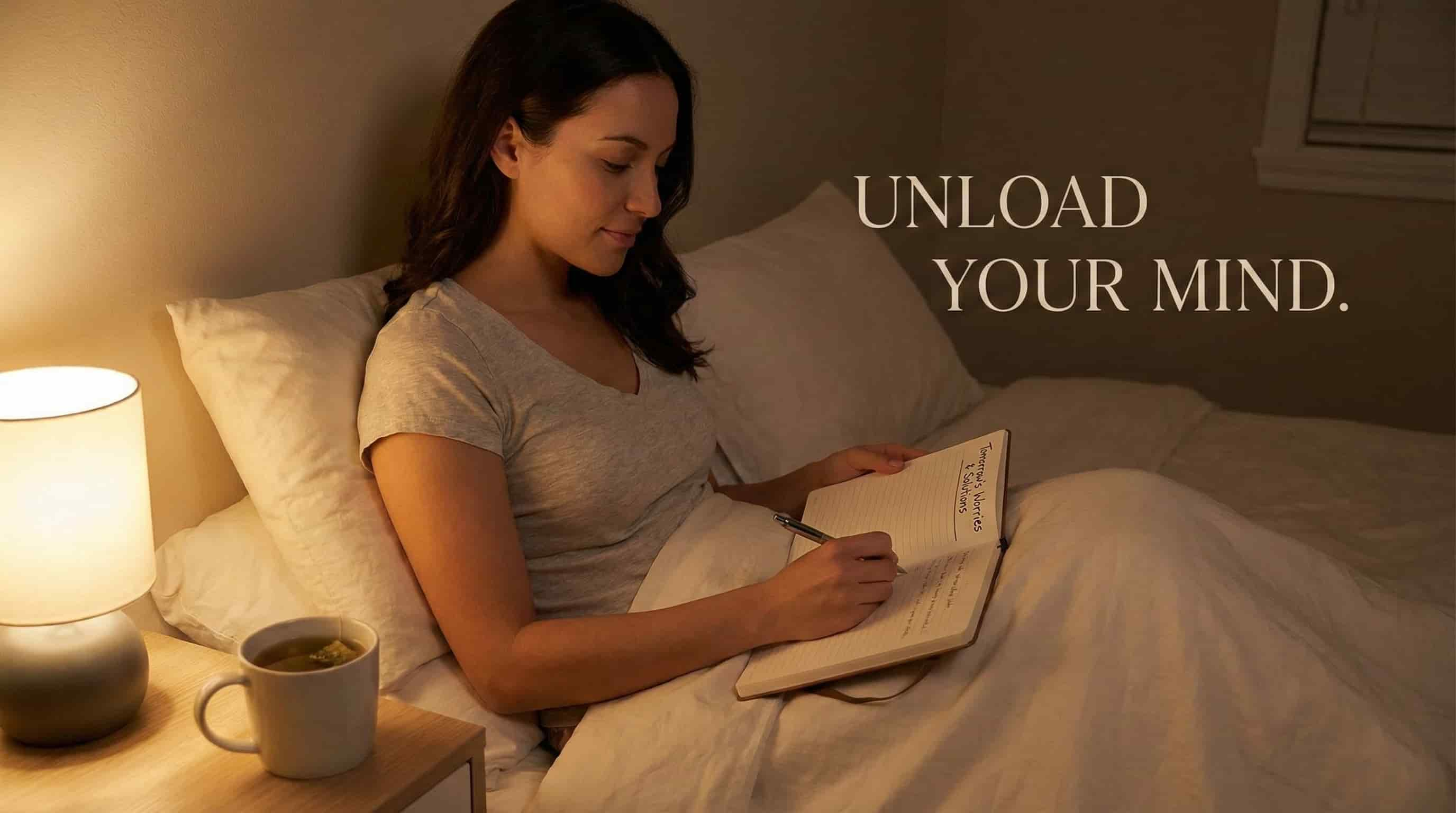
Constructive Worrying: How to Clear Your Mental Inbox Before Bed
Article Image

Written by Dr. Lycan Dizon, Slumbelry Chief Sleep Consultant

title: “Constructive Worrying: How to Clear Your Mental Inbox Before Bed” description: “Don’t take your problems to bed. Learn the ‘Constructive Worrying’ technique to process anxiety early so your night is free for rest.” keywords: “constructive worry technique, journaling for sleep, clearing mind before bed, bedside notebook, anxiety relief” author: “Dr. Lycan Dizon” date: “2026-01-01” —

Your brain is a problem-solving machine. If you don’t give it a time to solve problems, it will choose bedtime.

In our journey through Sound Sleep, Sound Mind, we explore the psychological and physiological roots of sleep disturbances. Constructive Worrying: How to Clear Your Mental Inbox Before Bed isn’t just a catchy headline; it’s a reality for millions.

Dr. Barry Krakow’s work teaches us that sleep problems are often learned behaviors or responses to hidden stressors. The good news? Learned behaviors can be unlearned.

The Concept: Cognitive Offloading

Cognitive Offloading is a cornerstone of understanding modern sleep therapy. It shifts the focus from “trying harder” to “understanding better.”

Many of us approach sleep with a “brute force” mentality. We try to force ourselves to relax, force ourselves to ignore the clock, or force our eyes shut. But the brain doesn’t work that way. This concept invites us to step back and look at the underlying mechanisms that are keeping us awake.

The Science: Why This Happens

Research in sleep medicine has shown that the brain’s arousal system is often the culprit. When we perceive a threat—whether it’s a nightmare, a worry about tomorrow, or simply the fear of not sleeping—the amygdala activates.

This triggers the release of cortisol and adrenaline. Physically, your heart rate might rise slightly. Mentally, you become hyper-alert. This is the “Fight or Flight” response, and it is biologically incompatible with sleep. Understanding this biological switch is the first step to turning it off.

The Technique: The Worry Journal

Here is how to apply the The Worry Journal method tonight:

1. Two Columns: Draw a line down a page. Left: ‘What I’m worried about’. Right: ‘Next step’. 2. Actionable Steps: For every worry, write ONE small step you can take tomorrow. 3. Acceptance: If there is no solution, write ‘Out of my control’ and practice acceptance. 4. Close the Book: Literally close the notebook to signal the end of the ‘worrying session’.

Common Pitfalls

  • Trying too hard: Effort is the enemy of sleep. The more you “try” to do this technique, the less likely it is to work.
  • expecting instant results: Neuroplasticity takes time. Your brain needs repetition to learn this new habit.
  • Inconsistency: Doing this once a week won’t change your neural pathways. Consistency is key.

The Slumbelry Connection: Supporting Your Journey

At Slumbelry, we believe that knowledge is the first sleep aid. But sometimes, you need a little extra help to create that safe, comfortable environment.

  • Comfort: Our [Sleep Masks](https://slumbelry.com/product-category/sleep-masks/) can help create the total darkness required for deep sleep.
  • Environment: A clutter-free, calming bedroom is essential. Consider how our sleep accessories can upgrade your sanctuary.
  • Relaxation: Sometimes, a physical signal of safety is needed. Our weighted blankets or soft bedding can provide that “havening” touch.

Final Thoughts

Sleep is a natural process, but in our modern world, it often requires a little protection. By understanding the psychology behind your sleep—and implementing gentle, evidence-based techniques—you can reclaim the night.

Remember: You are not broken. Your sleep system is just waiting for the right signals to do what it does best. Sweet dreams.

The Slumbelry Commitment

Sleep is the most vulnerable state of human existence. It is where we heal, reset, and grow.

At Slumbelry, we don’t just sell sleep products; we advocate for your physiological right to rest. From ergonomic support to light management, every solution we offer is designed with one obsession: Respecting your Biology.

Science is our language, but your recovery is our purpose. You take care of everything else in your life—let us take care of your nights.

Rest Deeply,
The Slumbelry Team
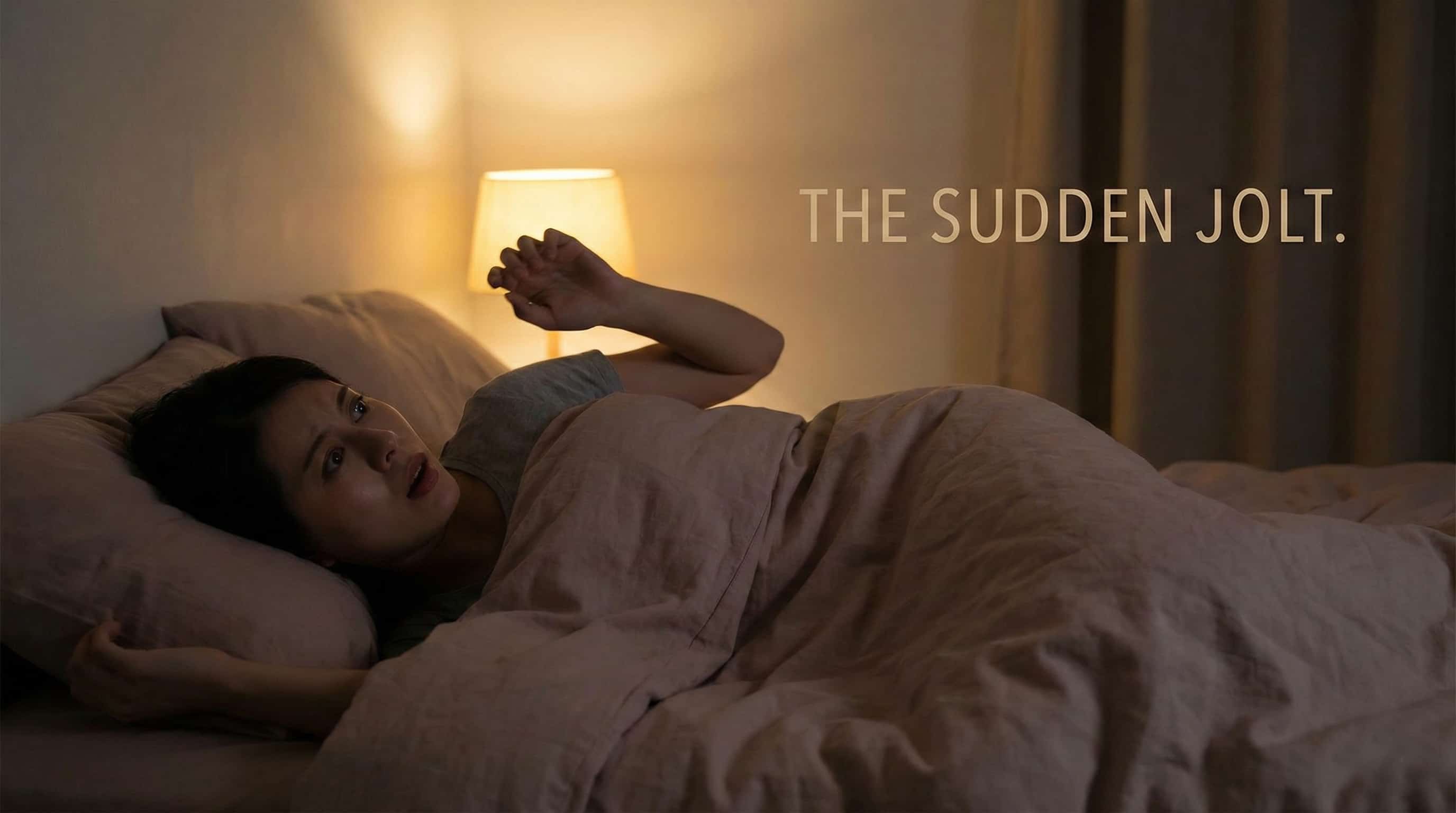
Hypnagogic Jerks: Why You Feel Like You’re Falling Asleep (Literally)

Article Image

Written by Dr. Lycan Dizon, Slumbelry Chief Sleep Consultant

title: “Hypnagogic Jerks: Why You Feel Like You’re Falling Asleep (Literally)” description: “That sudden twitch or falling sensation just as you drift off? It’s called a Hypnic Jerk. Here’s what causes it and when to worry.” keywords: “hypnagogic jerk, hypnic jerk causes, feeling like falling when sleeping, muscle twitch sleep, sleep start” author: “Dr. Lycan Dizon” date: “2026-01-01” —

You’re drifting off… peaceful… suddenly BAM! You kick your leg and wake up. What just happened?

In our journey through Sound Sleep, Sound Mind, we explore the psychological and physiological roots of sleep disturbances. Hypnagogic Jerks: Why You Feel Like You’re Falling Asleep (Literally) isn’t just a catchy headline; it’s a reality for millions.

Dr. Barry Krakow’s work teaches us that sleep problems are often learned behaviors or responses to hidden stressors. The good news? Learned behaviors can be unlearned.

The Concept: Physiological Release

Physiological Release is a cornerstone of understanding modern sleep therapy. It shifts the focus from “trying harder” to “understanding better.”

Many of us approach sleep with a “brute force” mentality. We try to force ourselves to relax, force ourselves to ignore the clock, or force our eyes shut. But the brain doesn’t work that way. This concept invites us to step back and look at the underlying mechanisms that are keeping us awake.

The Science: Why This Happens

Research in sleep medicine has shown that the brain’s arousal system is often the culprit. When we perceive a threat—whether it’s a nightmare, a worry about tomorrow, or simply the fear of not sleeping—the amygdala activates.

This triggers the release of cortisol and adrenaline. Physically, your heart rate might rise slightly. Mentally, you become hyper-alert. This is the “Fight or Flight” response, and it is biologically incompatible with sleep. Understanding this biological switch is the first step to turning it off.

The Technique: Magnesium & Calm

Here is how to apply the Magnesium & Calm method tonight:

1. Magnesium Check: Deficiency in magnesium can increase muscle twitches. 2. Caffeine Cutoff: Stimulants close to bed increase the likelihood of jerks. 3. De-stress: High stress levels keep the nervous system ‘jumpy’. 4. Ignore It: It’s harmless. The best reaction is to simply roll over and go back to sleep.

Common Pitfalls

  • Trying too hard: Effort is the enemy of sleep. The more you “try” to do this technique, the less likely it is to work.
  • expecting instant results: Neuroplasticity takes time. Your brain needs repetition to learn this new habit.
  • Inconsistency: Doing this once a week won’t change your neural pathways. Consistency is key.

The Slumbelry Connection: Supporting Your Journey

At Slumbelry, we believe that knowledge is the first sleep aid. But sometimes, you need a little extra help to create that safe, comfortable environment.

  • Comfort: Our [Sleep Masks](https://slumbelry.com/product-category/sleep-masks/) can help create the total darkness required for deep sleep.
  • Environment: A clutter-free, calming bedroom is essential. Consider how our sleep accessories can upgrade your sanctuary.
  • Relaxation: Sometimes, a physical signal of safety is needed. Our weighted blankets or soft bedding can provide that “havening” touch.

Final Thoughts

Sleep is a natural process, but in our modern world, it often requires a little protection. By understanding the psychology behind your sleep—and implementing gentle, evidence-based techniques—you can reclaim the night.

Remember: You are not broken. Your sleep system is just waiting for the right signals to do what it does best. Sweet dreams.

The Slumbelry Commitment

Sleep is the most vulnerable state of human existence. It is where we heal, reset, and grow.

At Slumbelry, we don’t just sell sleep products; we advocate for your physiological right to rest. From ergonomic support to light management, every solution we offer is designed with one obsession: Respecting your Biology.

Science is our language, but your recovery is our purpose. You take care of everything else in your life—let us take care of your nights.

Rest Deeply,
The Slumbelry Team
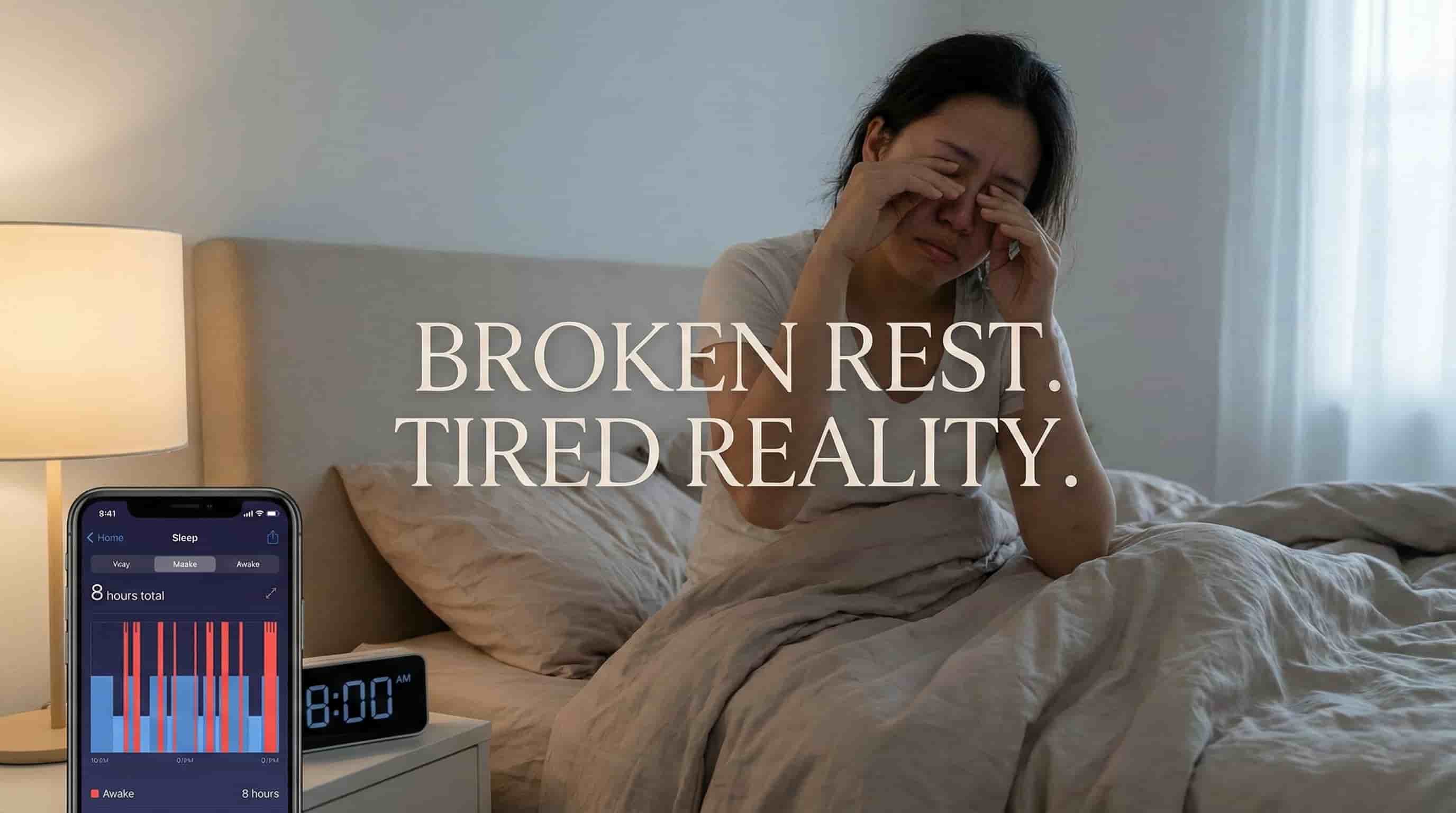
Sleep Fragmentation: Why 8 Hours Can Feel Like 4

Article Image

Written by Dr. Lycan Dizon, Slumbelry Chief Sleep Consultant

title: “Sleep Fragmentation: Why 8 Hours Can Feel Like 4” description: “It’s not just about how long you sleep, but how continuous it is. Micro-awakenings can ruin your rest without you even knowing.” keywords: “sleep fragmentation, micro-awakenings, tired after 8 hours sleep, sleep continuity, restless sleep causes” author: “Dr. Lycan Dizon” date: “2026-01-01” —

You slept from 11 to 7. So why do you feel like you got hit by a truck? The answer lies in the ‘micro-wakeups’.

In our journey through Sound Sleep, Sound Mind, we explore the psychological and physiological roots of sleep disturbances. Sleep Fragmentation: Why 8 Hours Can Feel Like 4 isn’t just a catchy headline; it’s a reality for millions.

Dr. Barry Krakow’s work teaches us that sleep problems are often learned behaviors or responses to hidden stressors. The good news? Learned behaviors can be unlearned.

The Concept: Continuity

Continuity is a cornerstone of understanding modern sleep therapy. It shifts the focus from “trying harder” to “understanding better.”

Many of us approach sleep with a “brute force” mentality. We try to force ourselves to relax, force ourselves to ignore the clock, or force our eyes shut. But the brain doesn’t work that way. This concept invites us to step back and look at the underlying mechanisms that are keeping us awake.

The Science: Why This Happens

Research in sleep medicine has shown that the brain’s arousal system is often the culprit. When we perceive a threat—whether it’s a nightmare, a worry about tomorrow, or simply the fear of not sleeping—the amygdala activates.

This triggers the release of cortisol and adrenaline. Physically, your heart rate might rise slightly. Mentally, you become hyper-alert. This is the “Fight or Flight” response, and it is biologically incompatible with sleep. Understanding this biological switch is the first step to turning it off.

The Technique: Environmental Audit

Here is how to apply the Environmental Audit method tonight:

1. Noise: Even if noise doesn’t wake you, it shifts you from deep to light sleep. Use white noise. 2. Pets: Sleeping with pets is a major cause of fragmentation. 3. Alcohol: The #1 dietary cause of fragmented sleep in the second half of the night. 4. Temperature: A room that is too warm causes frequent micro-arousals.

Common Pitfalls

  • Trying too hard: Effort is the enemy of sleep. The more you “try” to do this technique, the less likely it is to work.
  • expecting instant results: Neuroplasticity takes time. Your brain needs repetition to learn this new habit.
  • Inconsistency: Doing this once a week won’t change your neural pathways. Consistency is key.

The Slumbelry Connection: Supporting Your Journey

At Slumbelry, we believe that knowledge is the first sleep aid. But sometimes, you need a little extra help to create that safe, comfortable environment.

  • Comfort: Our [Sleep Masks](https://slumbelry.com/product-category/sleep-masks/) can help create the total darkness required for deep sleep.
  • Environment: A clutter-free, calming bedroom is essential. Consider how our sleep accessories can upgrade your sanctuary.
  • Relaxation: Sometimes, a physical signal of safety is needed. Our weighted blankets or soft bedding can provide that “havening” touch.

Final Thoughts

Sleep is a natural process, but in our modern world, it often requires a little protection. By understanding the psychology behind your sleep—and implementing gentle, evidence-based techniques—you can reclaim the night.

Remember: You are not broken. Your sleep system is just waiting for the right signals to do what it does best. Sweet dreams.

The Slumbelry Commitment

Sleep is the most vulnerable state of human existence. It is where we heal, reset, and grow.

At Slumbelry, we don’t just sell sleep products; we advocate for your physiological right to rest. From ergonomic support to light management, every solution we offer is designed with one obsession: Respecting your Biology.

Science is our language, but your recovery is our purpose. You take care of everything else in your life—let us take care of your nights.

Rest Deeply,
The Slumbelry Team

The Warm Bath Effect: Hacking Your Body Temperature for Sleep

Article Image

Written by Dr. Lycan Dizon, Slumbelry Chief Sleep Consultant

title: “The Warm Bath Effect: Hacking Your Body Temperature for Sleep” description: “Your body needs to cool down to sleep. Paradoxically, a warm bath helps this happen faster. Learn the science of thermoregulation.” keywords: “warm bath for sleep, body temperature sleep, thermoregulation sleep, cooling down to sleep, shower before bed” author: “Dr. Lycan Dizon” date: “2026-01-01” —

Why does a warm bath make you sleepy? It’s not just relaxation—it’s physics.

In our journey through Sound Sleep, Sound Mind, we explore the psychological and physiological roots of sleep disturbances. The Warm Bath Effect: Hacking Your Body Temperature for Sleep isn’t just a catchy headline; it’s a reality for millions.

Dr. Barry Krakow’s work teaches us that sleep problems are often learned behaviors or responses to hidden stressors. The good news? Learned behaviors can be unlearned.

The Concept: Thermoregulation

Thermoregulation is a cornerstone of understanding modern sleep therapy. It shifts the focus from “trying harder” to “understanding better.”

Many of us approach sleep with a “brute force” mentality. We try to force ourselves to relax, force ourselves to ignore the clock, or force our eyes shut. But the brain doesn’t work that way. This concept invites us to step back and look at the underlying mechanisms that are keeping us awake.

The Science: Why This Happens

Research in sleep medicine has shown that the brain’s arousal system is often the culprit. When we perceive a threat—whether it’s a nightmare, a worry about tomorrow, or simply the fear of not sleeping—the amygdala activates.

This triggers the release of cortisol and adrenaline. Physically, your heart rate might rise slightly. Mentally, you become hyper-alert. This is the “Fight or Flight” response, and it is biologically incompatible with sleep. Understanding this biological switch is the first step to turning it off.

The Technique: The 90-Minute Soak

Here is how to apply the The 90-Minute Soak method tonight:

1. Timing: Take a bath or shower 90 minutes before bed. 2. Vasodilation: The heat brings blood to the surface (hands/feet). 3. The Drop: When you get out, your core body temperature plummets as heat radiates away. 4. The Signal: This temperature drop signals the pineal gland to release melatonin.

Common Pitfalls

  • Trying too hard: Effort is the enemy of sleep. The more you “try” to do this technique, the less likely it is to work.
  • expecting instant results: Neuroplasticity takes time. Your brain needs repetition to learn this new habit.
  • Inconsistency: Doing this once a week won’t change your neural pathways. Consistency is key.

The Slumbelry Connection: Supporting Your Journey

At Slumbelry, we believe that knowledge is the first sleep aid. But sometimes, you need a little extra help to create that safe, comfortable environment.

  • Comfort: Our [Sleep Masks](https://slumbelry.com/product-category/sleep-masks/) can help create the total darkness required for deep sleep.
  • Environment: A clutter-free, calming bedroom is essential. Consider how our sleep accessories can upgrade your sanctuary.
  • Relaxation: Sometimes, a physical signal of safety is needed. Our weighted blankets or soft bedding can provide that “havening” touch.

Final Thoughts

Sleep is a natural process, but in our modern world, it often requires a little protection. By understanding the psychology behind your sleep—and implementing gentle, evidence-based techniques—you can reclaim the night.

Remember: You are not broken. Your sleep system is just waiting for the right signals to do what it does best. Sweet dreams.

The Slumbelry Commitment

Sleep is the most vulnerable state of human existence. It is where we heal, reset, and grow.

At Slumbelry, we don’t just sell sleep products; we advocate for your physiological right to rest. From ergonomic support to light management, every solution we offer is designed with one obsession: Respecting your Biology.

Science is our language, but your recovery is our purpose. You take care of everything else in your life—let us take care of your nights.

Rest Deeply,
The Slumbelry Team

Finding Your Gentle Night: A Compassionate Approach to Sleep

Article Image

Written by Dr. Lycan Dizon, Slumbelry Chief Sleep Consultant

title: “Finding Your Gentle Night: A Compassionate Approach to Sleep” description: “Sleep isn’t a battle to be won. It’s a friend to be welcomed. Summarizing the Sound Sleep, Sound Mind approach to restful nights.” keywords: “compassionate sleep, gentle sleep approach, sleep acceptance, holistic sleep health, making peace with sleep” author: “Dr. Lycan Dizon” date: “2026-01-01” —

We spend so much time fighting insomnia. What if we tried making peace with our bodies instead?

In our journey through Sound Sleep, Sound Mind, we explore the psychological and physiological roots of sleep disturbances. Finding Your Gentle Night: A Compassionate Approach to Sleep isn’t just a catchy headline; it’s a reality for millions.

Dr. Barry Krakow’s work teaches us that sleep problems are often learned behaviors or responses to hidden stressors. The good news? Learned behaviors can be unlearned.

The Concept: Compassion

Compassion is a cornerstone of understanding modern sleep therapy. It shifts the focus from “trying harder” to “understanding better.”

Many of us approach sleep with a “brute force” mentality. We try to force ourselves to relax, force ourselves to ignore the clock, or force our eyes shut. But the brain doesn’t work that way. This concept invites us to step back and look at the underlying mechanisms that are keeping us awake.

The Science: Why This Happens

Research in sleep medicine has shown that the brain’s arousal system is often the culprit. When we perceive a threat—whether it’s a nightmare, a worry about tomorrow, or simply the fear of not sleeping—the amygdala activates.

This triggers the release of cortisol and adrenaline. Physically, your heart rate might rise slightly. Mentally, you become hyper-alert. This is the “Fight or Flight” response, and it is biologically incompatible with sleep. Understanding this biological switch is the first step to turning it off.

The Technique: The Gratitude Scan

Here is how to apply the The Gratitude Scan method tonight:

1. Lie Down: Get comfortable. 2. Thank Your Body: ‘Thank you, legs, for carrying me. Thank you, eyes, for seeing.’ 3. Release Expectations: ‘I accept whatever rest I get tonight.’ 4. Drift: Let sleep come to you, rather than chasing it.

Common Pitfalls

  • Trying too hard: Effort is the enemy of sleep. The more you “try” to do this technique, the less likely it is to work.
  • expecting instant results: Neuroplasticity takes time. Your brain needs repetition to learn this new habit.
  • Inconsistency: Doing this once a week won’t change your neural pathways. Consistency is key.

The Slumbelry Connection: Supporting Your Journey

At Slumbelry, we believe that knowledge is the first sleep aid. But sometimes, you need a little extra help to create that safe, comfortable environment.

  • Comfort: Our [Sleep Masks](https://slumbelry.com/product-category/sleep-masks/) can help create the total darkness required for deep sleep.
  • Environment: A clutter-free, calming bedroom is essential. Consider how our sleep accessories can upgrade your sanctuary.
  • Relaxation: Sometimes, a physical signal of safety is needed. Our weighted blankets or soft bedding can provide that “havening” touch.

Final Thoughts

Sleep is a natural process, but in our modern world, it often requires a little protection. By understanding the psychology behind your sleep—and implementing gentle, evidence-based techniques—you can reclaim the night.

Remember: You are not broken. Your sleep system is just waiting for the right signals to do what it does best. Sweet dreams.

The Slumbelry Commitment

Sleep is the most vulnerable state of human existence. It is where we heal, reset, and grow.

At Slumbelry, we don’t just sell sleep products; we advocate for your physiological right to rest. From ergonomic support to light management, every solution we offer is designed with one obsession: Respecting your Biology.

Science is our language, but your recovery is our purpose. You take care of everything else in your life—let us take care of your nights.

Rest Deeply,
The Slumbelry Team
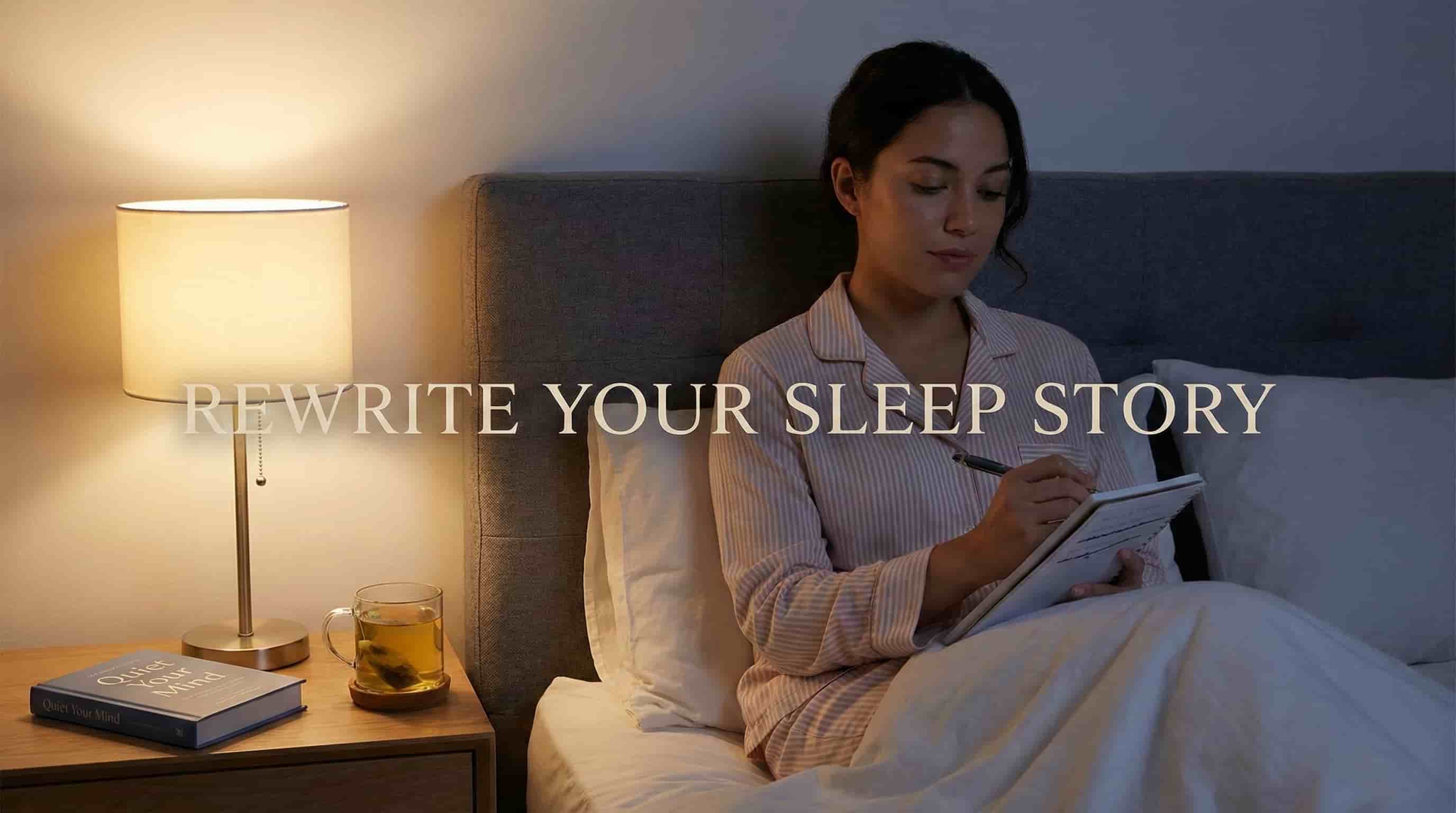
Cognitive Restructuring: Challenging the ‘I’ll Die If I Don’t Sleep’ Myth

Article Image

Written by Dr. Lycan Dizon, Slumbelry Chief Sleep Consultant

title: “Cognitive Restructuring: Challenging the ‘I’ll Die If I Don’t Sleep’ Myth” description: “Catastrophizing about sleep loss only makes it harder to sleep. Learn how to challenge negative thoughts with Cognitive Behavioral Therapy.” keywords: “cognitive restructuring sleep, sleep myths, changing thoughts about sleep, CBT-I cognitive techniques, sleep catastrophizing” author: “Dr. Lycan Dizon” date: “2026-01-01” —

‘If I don’t sleep tonight, I’ll fail my presentation and get fired.’ Whoa there. Let’s look at the evidence.

In our journey through Sound Sleep, Sound Mind, we explore the psychological and physiological roots of sleep disturbances. Cognitive Restructuring: Challenging the ‘I’ll Die If I Don’t Sleep’ Myth isn’t just a catchy headline; it’s a reality for millions.

Dr. Barry Krakow’s work teaches us that sleep problems are often learned behaviors or responses to hidden stressors. The good news? Learned behaviors can be unlearned.

The Concept: Mindset Shift

Mindset Shift is a cornerstone of understanding modern sleep therapy. It shifts the focus from “trying harder” to “understanding better.”

Many of us approach sleep with a “brute force” mentality. We try to force ourselves to relax, force ourselves to ignore the clock, or force our eyes shut. But the brain doesn’t work that way. This concept invites us to step back and look at the underlying mechanisms that are keeping us awake.

The Science: Why This Happens

Research in sleep medicine has shown that the brain’s arousal system is often the culprit. When we perceive a threat—whether it’s a nightmare, a worry about tomorrow, or simply the fear of not sleeping—the amygdala activates.

This triggers the release of cortisol and adrenaline. Physically, your heart rate might rise slightly. Mentally, you become hyper-alert. This is the “Fight or Flight” response, and it is biologically incompatible with sleep. Understanding this biological switch is the first step to turning it off.

The Technique: Thought Challenger

Here is how to apply the Thought Challenger method tonight:

1. Identify the Thought: ‘I will be a wreck tomorrow.’ 2. Challenge It: ‘Have I ever functioned on little sleep before? Yes.’ 3. Replace It: ‘I might be tired, but I can still get through the day.’ 4. Lower the Stakes: Taking the pressure off sleep often makes sleep come faster.

Common Pitfalls

  • Trying too hard: Effort is the enemy of sleep. The more you “try” to do this technique, the less likely it is to work.
  • expecting instant results: Neuroplasticity takes time. Your brain needs repetition to learn this new habit.
  • Inconsistency: Doing this once a week won’t change your neural pathways. Consistency is key.

The Slumbelry Connection: Supporting Your Journey

At Slumbelry, we believe that knowledge is the first sleep aid. But sometimes, you need a little extra help to create that safe, comfortable environment.

  • Comfort: Our [Sleep Masks](https://slumbelry.com/product-category/sleep-masks/) can help create the total darkness required for deep sleep.
  • Environment: A clutter-free, calming bedroom is essential. Consider how our sleep accessories can upgrade your sanctuary.
  • Relaxation: Sometimes, a physical signal of safety is needed. Our weighted blankets or soft bedding can provide that “havening” touch.

Final Thoughts

Sleep is a natural process, but in our modern world, it often requires a little protection. By understanding the psychology behind your sleep—and implementing gentle, evidence-based techniques—you can reclaim the night.

Remember: You are not broken. Your sleep system is just waiting for the right signals to do what it does best. Sweet dreams.

The Slumbelry Commitment

Sleep is the most vulnerable state of human existence. It is where we heal, reset, and grow.

At Slumbelry, we don’t just sell sleep products; we advocate for your physiological right to rest. From ergonomic support to light management, every solution we offer is designed with one obsession: Respecting your Biology.

Science is our language, but your recovery is our purpose. You take care of everything else in your life—let us take care of your nights.

Rest Deeply,
The Slumbelry Team

Better sleep tips & exclusive offers, straight to your inbox.

Curated sleep insights, early access to new products, and members-only deals.
No spam. You can unsubscribe anytime.