
×
Slumbelry
HOME SHOP WELLBEING BLOG LOGIN / REGISTER SEARCH CONTACT

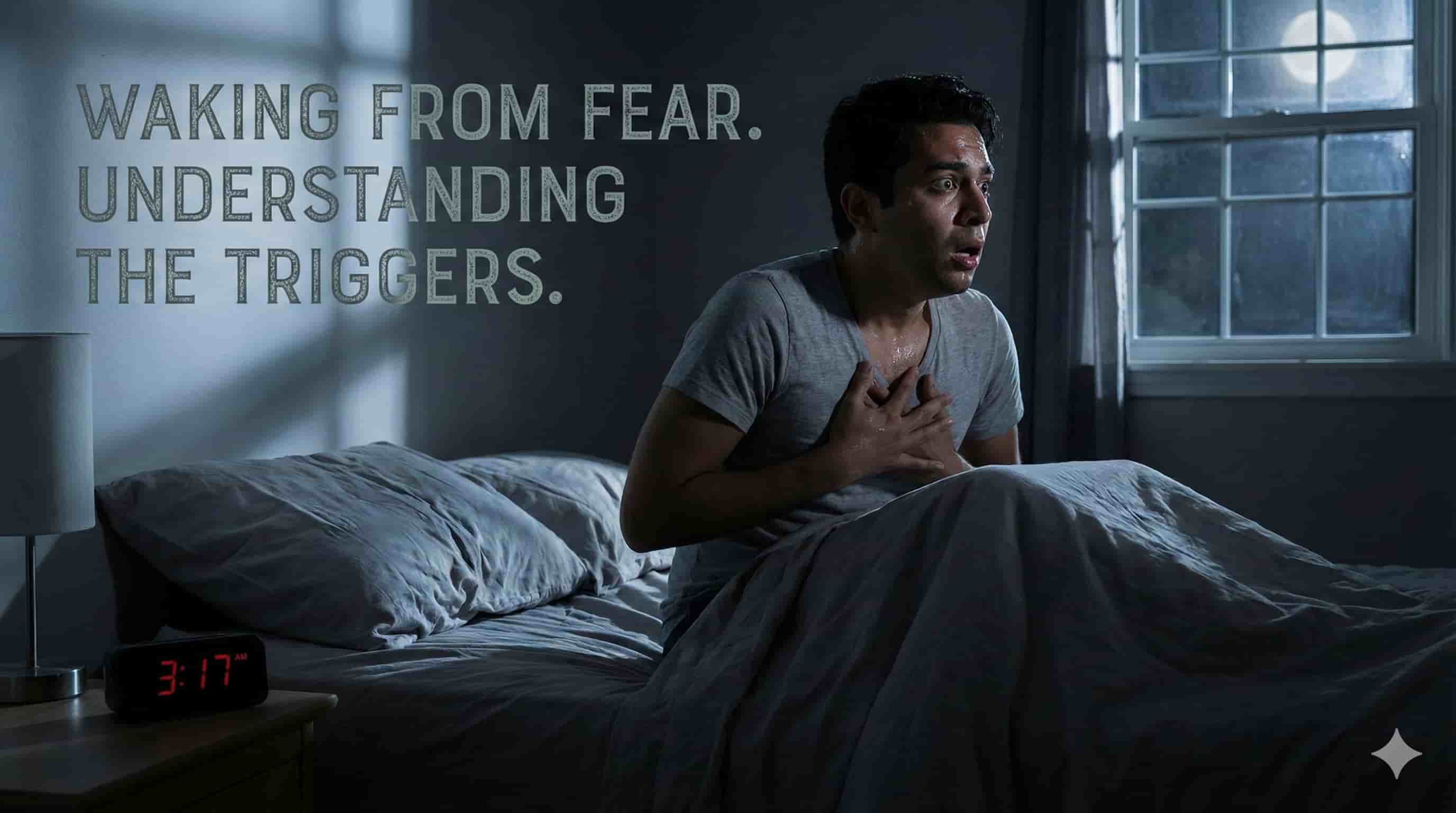
Nightmares vs. Night Terrors: What’s the Difference? (And Why It Matters)
Article Image

Written by Dr. Lycan Dizon, Slumbelry Chief Sleep Consultant

title: “Nightmares vs. Night Terrors: What’s the Difference? (And Why It Matters)” description: “Waking up screaming? Learn the crucial difference between nightmares and night terrors, and why the treatment for each is completely different.” keywords: “nightmares vs night terrors, adult night terrors, sleep anxiety, PTSD sleep, Barry Krakow” author: “Dr. Lycan Dizon” date: “2026-01-01” —

You wake up with your heart pounding. Was it a bad dream, or something else?

In our journey through Sound Sleep, Sound Mind, we explore the psychological and physiological roots of sleep disturbances. Nightmares vs. Night Terrors: What’s the Difference? (And Why It Matters) isn’t just a catchy headline; it’s a reality for millions.

Dr. Barry Krakow’s work teaches us that sleep problems are often learned behaviors or responses to hidden stressors. The good news? Learned behaviors can be unlearned.

The Concept: Differentiation

Differentiation is a cornerstone of understanding modern sleep therapy. It shifts the focus from “trying harder” to “understanding better.”

Many of us approach sleep with a “brute force” mentality. We try to force ourselves to relax, force ourselves to ignore the clock, or force our eyes shut. But the brain doesn’t work that way. This concept invites us to step back and look at the underlying mechanisms that are keeping us awake.

The Science: Why This Happens

Research in sleep medicine has shown that the brain’s arousal system is often the culprit. When we perceive a threat—whether it’s a nightmare, a worry about tomorrow, or simply the fear of not sleeping—the amygdala activates.

This triggers the release of cortisol and adrenaline. Physically, your heart rate might rise slightly. Mentally, you become hyper-alert. This is the “Fight or Flight” response, and it is biologically incompatible with sleep. Understanding this biological switch is the first step to turning it off.

The Technique: Symptom Tracking

Here is how to apply the Symptom Tracking method tonight:

1. Record the Time: Night terrors usually happen in the first 3-4 hours (Deep Sleep). Nightmares happen later (REM Sleep). 2. Recall Check: Can you remember the plot? Yes = Nightmare. No = Night Terror. 3. Physical State: Are you sweating and thrashing? More likely a Night Terror. 4. Mood Upon Waking: Fear/Anxiety = Nightmare. Confusion/Disorientation = Night Terror.

Common Pitfalls

  • Trying too hard: Effort is the enemy of sleep. The more you “try” to do this technique, the less likely it is to work.
  • expecting instant results: Neuroplasticity takes time. Your brain needs repetition to learn this new habit.
  • Inconsistency: Doing this once a week won’t change your neural pathways. Consistency is key.

The Slumbelry Connection: Supporting Your Journey

At Slumbelry, we believe that knowledge is the first sleep aid. But sometimes, you need a little extra help to create that safe, comfortable environment.

  • Comfort: Our [Sleep Masks](https://slumbelry.com/product-category/sleep-masks/) can help create the total darkness required for deep sleep.
  • Environment: A clutter-free, calming bedroom is essential. Consider how our sleep accessories can upgrade your sanctuary.
  • Relaxation: Sometimes, a physical signal of safety is needed. Our weighted blankets or soft bedding can provide that “havening” touch.

Final Thoughts

Sleep is a natural process, but in our modern world, it often requires a little protection. By understanding the psychology behind your sleep—and implementing gentle, evidence-based techniques—you can reclaim the night.

Remember: You are not broken. Your sleep system is just waiting for the right signals to do what it does best. Sweet dreams.

The Slumbelry Commitment

Sleep is the most vulnerable state of human existence. It is where we heal, reset, and grow.

At Slumbelry, we don’t just sell sleep products; we advocate for your physiological right to rest. From ergonomic support to light management, every solution we offer is designed with one obsession: Respecting your Biology.

Science is our language, but your recovery is our purpose. You take care of everything else in your life—let us take care of your nights.

Rest Deeply,
The Slumbelry Team
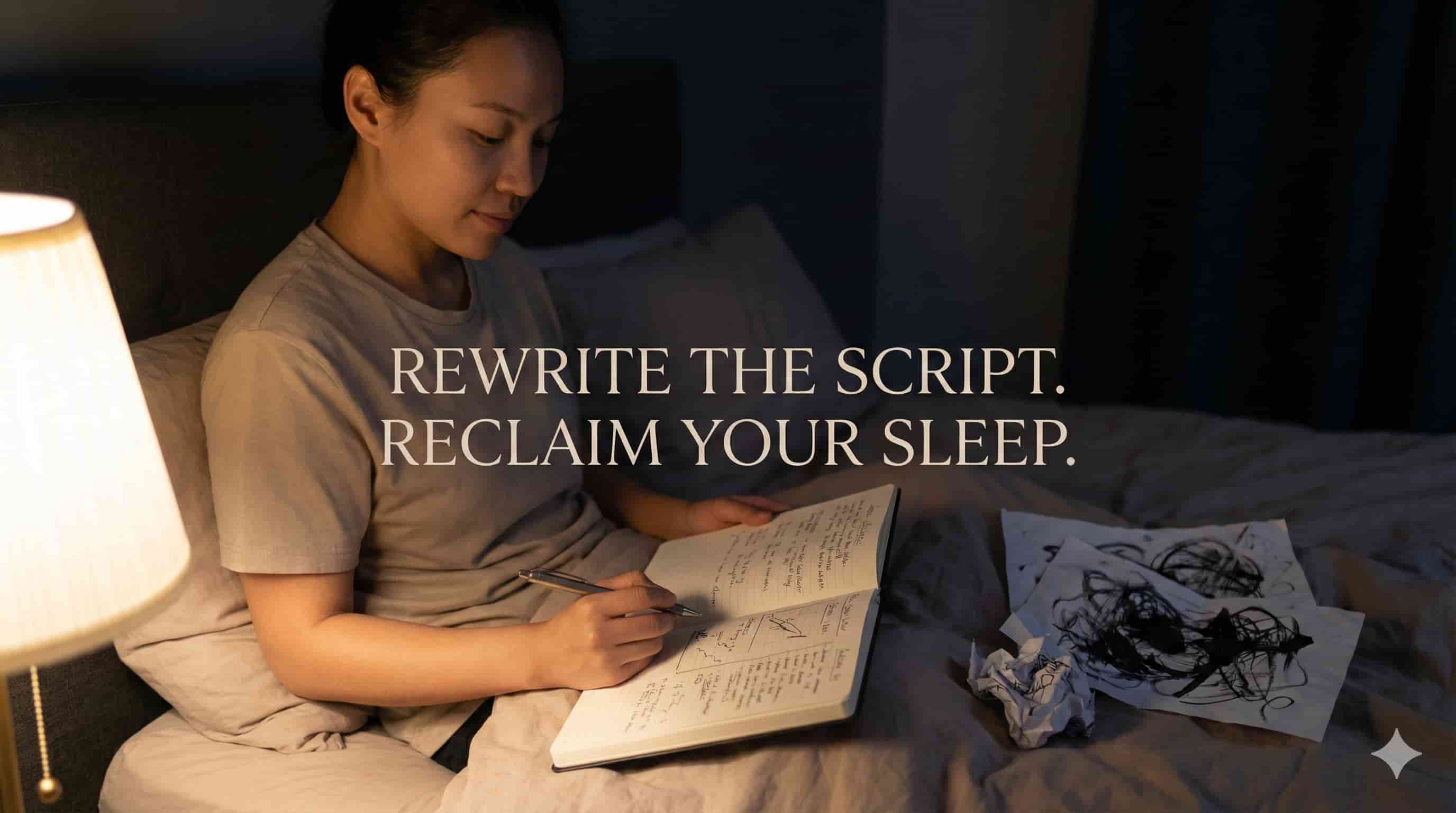
Imagery Rehearsal Therapy (IRT): How to Rewrite Your Nightmares

Article Image

Written by Dr. Lycan Dizon, Slumbelry Chief Sleep Consultant

title: “Imagery Rehearsal Therapy (IRT): How to Rewrite Your Nightmares” description: “You are the director of your dreams. Learn Dr. Barry Krakow’s gold-standard technique for stopping chronic nightmares by changing the ending.” keywords: “Imagery Rehearsal Therapy, IRT script, how to stop nightmares, PTSD nightmare treatment, lucid dreaming therapy” author: “Dr. Lycan Dizon” date: “2026-01-01” —

What if you could change the ending of your worst nightmare, just like rewriting a movie script?

In our journey through Sound Sleep, Sound Mind, we explore the psychological and physiological roots of sleep disturbances. Imagery Rehearsal Therapy (IRT): How to Rewrite Your Nightmares isn’t just a catchy headline; it’s a reality for millions.

Dr. Barry Krakow’s work teaches us that sleep problems are often learned behaviors or responses to hidden stressors. The good news? Learned behaviors can be unlearned.

The Concept: Rescripting

Rescripting is a cornerstone of understanding modern sleep therapy. It shifts the focus from “trying harder” to “understanding better.”

Many of us approach sleep with a “brute force” mentality. We try to force ourselves to relax, force ourselves to ignore the clock, or force our eyes shut. But the brain doesn’t work that way. This concept invites us to step back and look at the underlying mechanisms that are keeping us awake.

The Science: Why This Happens

Research in sleep medicine has shown that the brain’s arousal system is often the culprit. When we perceive a threat—whether it’s a nightmare, a worry about tomorrow, or simply the fear of not sleeping—the amygdala activates.

This triggers the release of cortisol and adrenaline. Physically, your heart rate might rise slightly. Mentally, you become hyper-alert. This is the “Fight or Flight” response, and it is biologically incompatible with sleep. Understanding this biological switch is the first step to turning it off.

The Technique: The IRT Protocol

Here is how to apply the The IRT Protocol method tonight:

1. Select a Nightmare: Choose a recurring bad dream that isn’t too traumatizing to work on first. 2. Write it Down: Describe the dream in detail, but stop BEFORE the scary part. 3. Change the Ending: Write a new, positive, or neutral ending. You are in control. 4. Rehearse: Visualize this new ending for 10-20 minutes a day while awake. 5. Sleep: Your brain will begin to adopt the new script automatically.

Common Pitfalls

  • Trying too hard: Effort is the enemy of sleep. The more you “try” to do this technique, the less likely it is to work.
  • expecting instant results: Neuroplasticity takes time. Your brain needs repetition to learn this new habit.
  • Inconsistency: Doing this once a week won’t change your neural pathways. Consistency is key.

The Slumbelry Connection: Supporting Your Journey

At Slumbelry, we believe that knowledge is the first sleep aid. But sometimes, you need a little extra help to create that safe, comfortable environment.

  • Comfort: Our [Sleep Masks](https://slumbelry.com/product-category/sleep-masks/) can help create the total darkness required for deep sleep.
  • Environment: A clutter-free, calming bedroom is essential. Consider how our sleep accessories can upgrade your sanctuary.
  • Relaxation: Sometimes, a physical signal of safety is needed. Our weighted blankets or soft bedding can provide that “havening” touch.

Final Thoughts

Sleep is a natural process, but in our modern world, it often requires a little protection. By understanding the psychology behind your sleep—and implementing gentle, evidence-based techniques—you can reclaim the night.

Remember: You are not broken. Your sleep system is just waiting for the right signals to do what it does best. Sweet dreams.

The Slumbelry Commitment

Sleep is the most vulnerable state of human existence. It is where we heal, reset, and grow.

At Slumbelry, we don’t just sell sleep products; we advocate for your physiological right to rest. From ergonomic support to light management, every solution we offer is designed with one obsession: Respecting your Biology.

Science is our language, but your recovery is our purpose. You take care of everything else in your life—let us take care of your nights.

Rest Deeply,
The Slumbelry Team

Sleep State Misperception: Why You Sleep More Than You Think

Article Image

Written by Dr. Lycan Dizon, Slumbelry Chief Sleep Consultant

title: “Sleep State Misperception: Why You Sleep More Than You Think” description: “Feel like you didn’t sleep a wink, but your partner says you snored all night? You might have Paradoxical Insomnia. Here’s what it is.” keywords: “sleep state misperception, paradoxical insomnia, I think I haven’t slept, sleep hypochondria, light sleep” author: “Dr. Lycan Dizon” date: “2026-01-01” —

It’s the most frustrating feeling in the world: lying awake all night. But what if your brain is lying to you?

In our journey through Sound Sleep, Sound Mind, we explore the psychological and physiological roots of sleep disturbances. Sleep State Misperception: Why You Sleep More Than You Think isn’t just a catchy headline; it’s a reality for millions.

Dr. Barry Krakow’s work teaches us that sleep problems are often learned behaviors or responses to hidden stressors. The good news? Learned behaviors can be unlearned.

The Concept: Perception vs. Reality

Perception vs. Reality is a cornerstone of understanding modern sleep therapy. It shifts the focus from “trying harder” to “understanding better.”

Many of us approach sleep with a “brute force” mentality. We try to force ourselves to relax, force ourselves to ignore the clock, or force our eyes shut. But the brain doesn’t work that way. This concept invites us to step back and look at the underlying mechanisms that are keeping us awake.

The Science: Why This Happens

Research in sleep medicine has shown that the brain’s arousal system is often the culprit. When we perceive a threat—whether it’s a nightmare, a worry about tomorrow, or simply the fear of not sleeping—the amygdala activates.

This triggers the release of cortisol and adrenaline. Physically, your heart rate might rise slightly. Mentally, you become hyper-alert. This is the “Fight or Flight” response, and it is biologically incompatible with sleep. Understanding this biological switch is the first step to turning it off.

The Technique: Reality Testing

Here is how to apply the Reality Testing method tonight:

1. Accept the Possibility: Acknowledge that light sleep often feels like wakefulness. 2. Stop the Clock: Remove all clocks from view. Checking time reinforces the ‘awake’ belief. 3. Focus on Rest: Tell yourself, ‘Even if I’m not unconscious, I am resting.’ 4. Avoid Catastrophizing: Replace ‘I’m not sleeping’ with ‘I’m in a light stage of sleep.’

Common Pitfalls

  • Trying too hard: Effort is the enemy of sleep. The more you “try” to do this technique, the less likely it is to work.
  • expecting instant results: Neuroplasticity takes time. Your brain needs repetition to learn this new habit.
  • Inconsistency: Doing this once a week won’t change your neural pathways. Consistency is key.

The Slumbelry Connection: Supporting Your Journey

At Slumbelry, we believe that knowledge is the first sleep aid. But sometimes, you need a little extra help to create that safe, comfortable environment.

  • Comfort: Our [Sleep Masks](https://slumbelry.com/product-category/sleep-masks/) can help create the total darkness required for deep sleep.
  • Environment: A clutter-free, calming bedroom is essential. Consider how our sleep accessories can upgrade your sanctuary.
  • Relaxation: Sometimes, a physical signal of safety is needed. Our weighted blankets or soft bedding can provide that “havening” touch.

Final Thoughts

Sleep is a natural process, but in our modern world, it often requires a little protection. By understanding the psychology behind your sleep—and implementing gentle, evidence-based techniques—you can reclaim the night.

Remember: You are not broken. Your sleep system is just waiting for the right signals to do what it does best. Sweet dreams.

The Slumbelry Commitment

Sleep is the most vulnerable state of human existence. It is where we heal, reset, and grow.

At Slumbelry, we don’t just sell sleep products; we advocate for your physiological right to rest. From ergonomic support to light management, every solution we offer is designed with one obsession: Respecting your Biology.

Science is our language, but your recovery is our purpose. You take care of everything else in your life—let us take care of your nights.

Rest Deeply,
The Slumbelry Team
The Anxiety-Insomnia Loop: How to Break the Spiral of Sleeplessness

Article Image

Written by Dr. Lycan Dizon, Slumbelry Chief Sleep Consultant

title: “The Anxiety-Insomnia Loop: How to Break the Spiral of Sleeplessness” description: “Anxiety causes insomnia, and insomnia causes anxiety. It’s a vicious cycle. Learn how to interrupt the loop using cognitive techniques.” keywords: “sleep anxiety loop, breaking insomnia cycle, fear of not sleeping, somniphobia treatment, CBT-I anxiety” author: “Dr. Lycan Dizon” date: “2026-01-01” —

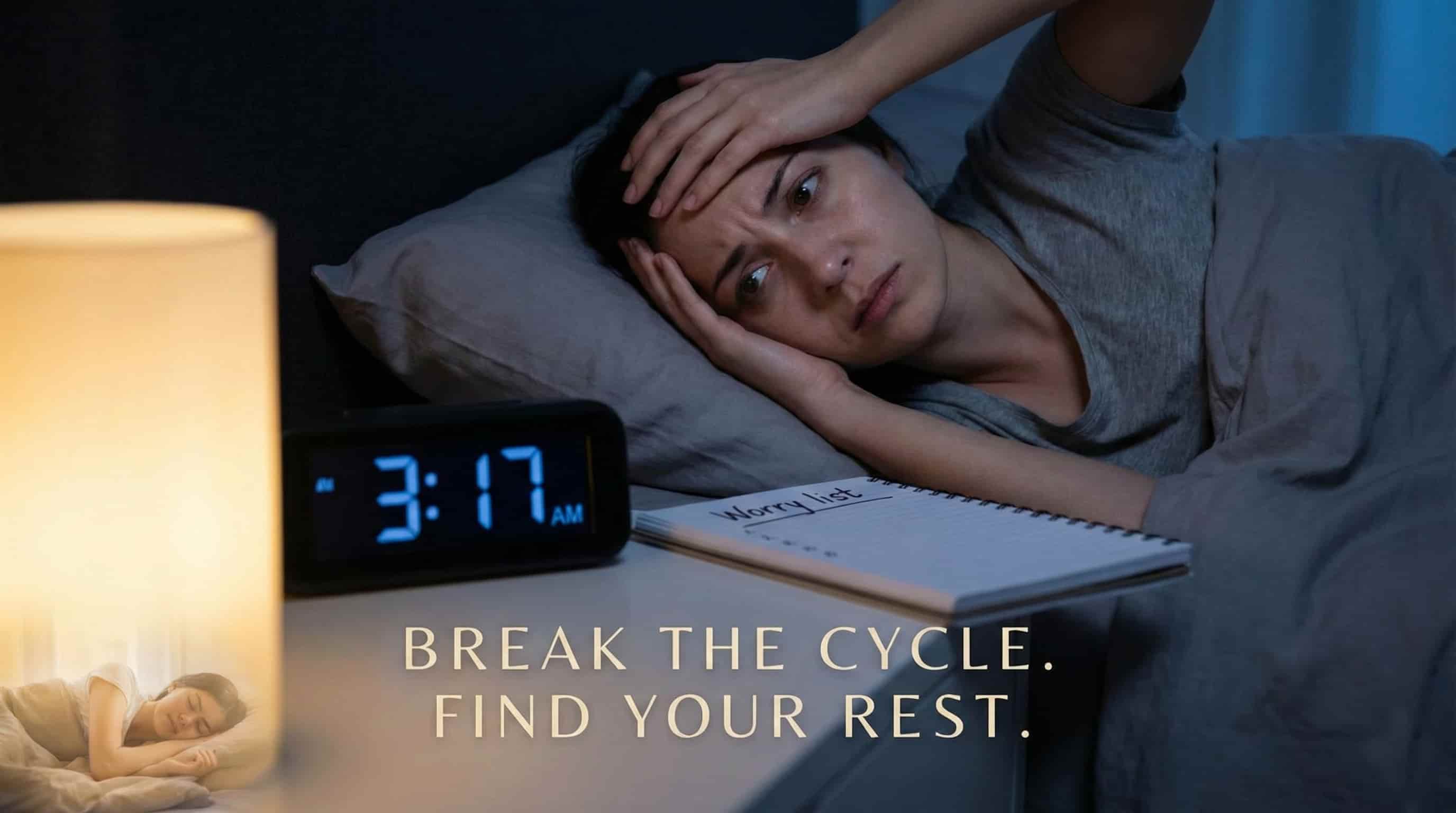
You’re tired. You get into bed. Suddenly, you’re wide awake and worried about being tired tomorrow. Welcome to the Loop.

In our journey through Sound Sleep, Sound Mind, we explore the psychological and physiological roots of sleep disturbances. The Anxiety-Insomnia Loop: How to Break the Spiral of Sleeplessness isn’t just a catchy headline; it’s a reality for millions.

Dr. Barry Krakow’s work teaches us that sleep problems are often learned behaviors or responses to hidden stressors. The good news? Learned behaviors can be unlearned.

The Concept: The Cycle

The Cycle is a cornerstone of understanding modern sleep therapy. It shifts the focus from “trying harder” to “understanding better.”

Many of us approach sleep with a “brute force” mentality. We try to force ourselves to relax, force ourselves to ignore the clock, or force our eyes shut. But the brain doesn’t work that way. This concept invites us to step back and look at the underlying mechanisms that are keeping us awake.

The Science: Why This Happens

Research in sleep medicine has shown that the brain’s arousal system is often the culprit. When we perceive a threat—whether it’s a nightmare, a worry about tomorrow, or simply the fear of not sleeping—the amygdala activates.

This triggers the release of cortisol and adrenaline. Physically, your heart rate might rise slightly. Mentally, you become hyper-alert. This is the “Fight or Flight” response, and it is biologically incompatible with sleep. Understanding this biological switch is the first step to turning it off.

The Technique: Scheduled Worry Time

Here is how to apply the Scheduled Worry Time method tonight:

1. Designate a Time: Set aside 15 minutes earlier in the day (e.g., 6 PM) as ‘Worry Time’. 2. Write it Down: During this time, write down every worry on your mind. 3. Problem Solve: Actively try to solve these issues on paper. 4. Bedtime Ban: If a worry pops up in bed, tell yourself, ‘I have a meeting with this worry tomorrow at 6 PM.’

Common Pitfalls

  • Trying too hard: Effort is the enemy of sleep. The more you “try” to do this technique, the less likely it is to work.
  • expecting instant results: Neuroplasticity takes time. Your brain needs repetition to learn this new habit.
  • Inconsistency: Doing this once a week won’t change your neural pathways. Consistency is key.

The Slumbelry Connection: Supporting Your Journey

At Slumbelry, we believe that knowledge is the first sleep aid. But sometimes, you need a little extra help to create that safe, comfortable environment.

  • Comfort: Our [Sleep Masks](https://slumbelry.com/product-category/sleep-masks/) can help create the total darkness required for deep sleep.
  • Environment: A clutter-free, calming bedroom is essential. Consider how our sleep accessories can upgrade your sanctuary.
  • Relaxation: Sometimes, a physical signal of safety is needed. Our weighted blankets or soft bedding can provide that “havening” touch.

Final Thoughts

Sleep is a natural process, but in our modern world, it often requires a little protection. By understanding the psychology behind your sleep—and implementing gentle, evidence-based techniques—you can reclaim the night.

Remember: You are not broken. Your sleep system is just waiting for the right signals to do what it does best. Sweet dreams.

The Slumbelry Commitment

Sleep is the most vulnerable state of human existence. It is where we heal, reset, and grow.

At Slumbelry, we don’t just sell sleep products; we advocate for your physiological right to rest. From ergonomic support to light management, every solution we offer is designed with one obsession: Respecting your Biology.

Science is our language, but your recovery is our purpose. You take care of everything else in your life—let us take care of your nights.

Rest Deeply,
The Slumbelry Team
Clock Watching: The #1 Habit That Kills Your Sleep Drive

Article Image

Written by Dr. Lycan Dizon, Slumbelry Chief Sleep Consultant

title: “Clock Watching: The #1 Habit That Kills Your Sleep Drive” description: “Checking the time when you wake up at 3 AM is a guaranteed way to stay awake. Here’s why the clock is your enemy and how to banish it.” keywords: “checking time at night, sleep anxiety clock, stop looking at clock, insomnia habits, cortisol spike” author: “Dr. Lycan Dizon” date: “2026-01-01” —

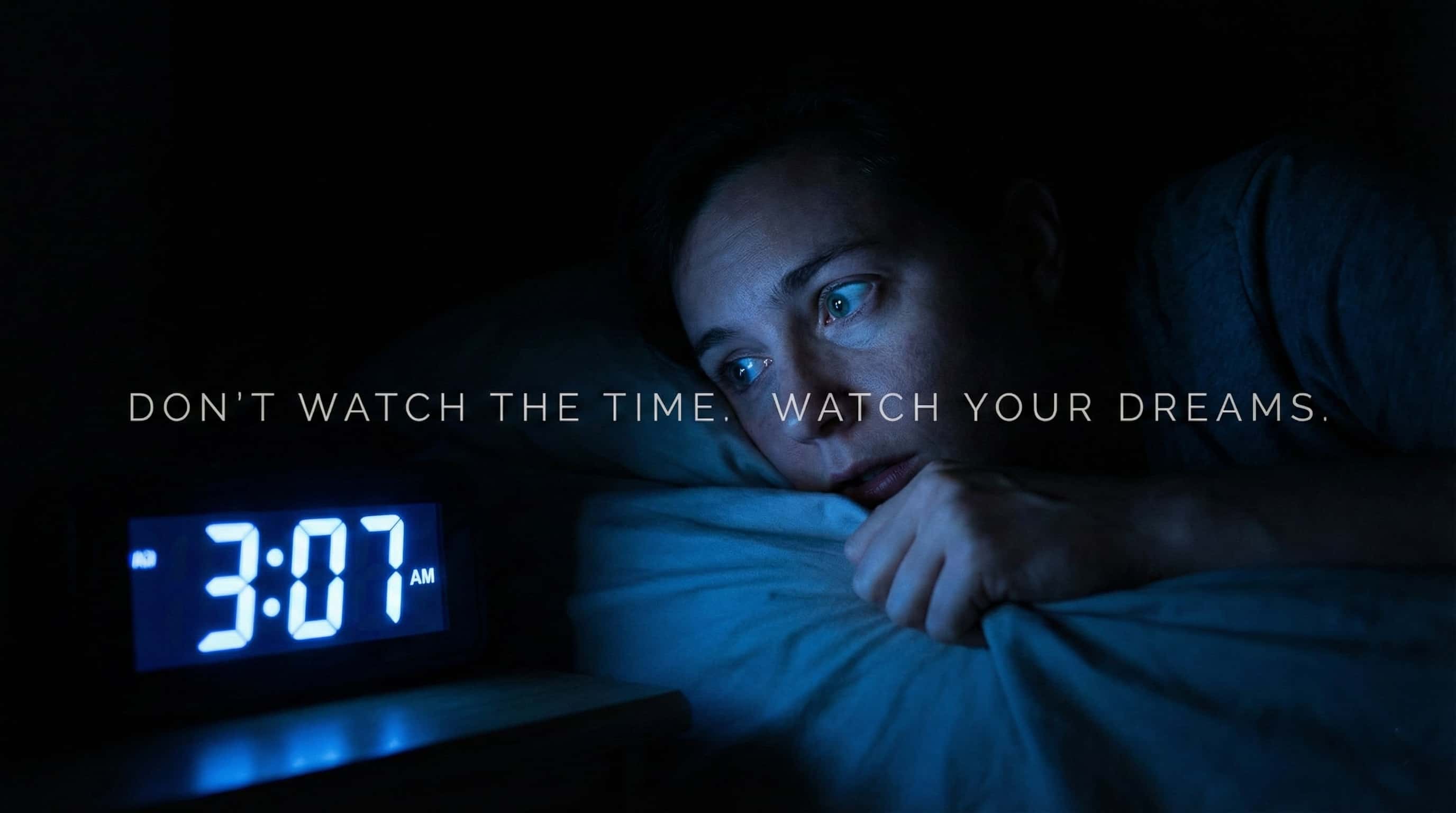
It’s 3:14 AM. You know this because you looked. And now, you’re doing the math: ‘If I fall asleep now, I get 3 hours…’

In our journey through Sound Sleep, Sound Mind, we explore the psychological and physiological roots of sleep disturbances. Clock Watching: The #1 Habit That Kills Your Sleep Drive isn’t just a catchy headline; it’s a reality for millions.

Dr. Barry Krakow’s work teaches us that sleep problems are often learned behaviors or responses to hidden stressors. The good news? Learned behaviors can be unlearned.

The Concept: Hyperarousal

Hyperarousal is a cornerstone of understanding modern sleep therapy. It shifts the focus from “trying harder” to “understanding better.”

Many of us approach sleep with a “brute force” mentality. We try to force ourselves to relax, force ourselves to ignore the clock, or force our eyes shut. But the brain doesn’t work that way. This concept invites us to step back and look at the underlying mechanisms that are keeping us awake.

The Science: Why This Happens

Research in sleep medicine has shown that the brain’s arousal system is often the culprit. When we perceive a threat—whether it’s a nightmare, a worry about tomorrow, or simply the fear of not sleeping—the amygdala activates.

This triggers the release of cortisol and adrenaline. Physically, your heart rate might rise slightly. Mentally, you become hyper-alert. This is the “Fight or Flight” response, and it is biologically incompatible with sleep. Understanding this biological switch is the first step to turning it off.

The Technique: The Clock Ban

Here is how to apply the The Clock Ban method tonight:

1. Turn it Around: Face your alarm clock away from the bed. 2. Phone Down: Charge your phone across the room or cover the screen. 3. Resist the Urge: When you wake up, remind yourself that knowing the time changes nothing. 4. The Tape Method: If you can’t stop looking, put a piece of tape over the time display.

Common Pitfalls

  • Trying too hard: Effort is the enemy of sleep. The more you “try” to do this technique, the less likely it is to work.
  • expecting instant results: Neuroplasticity takes time. Your brain needs repetition to learn this new habit.
  • Inconsistency: Doing this once a week won’t change your neural pathways. Consistency is key.

The Slumbelry Connection: Supporting Your Journey

At Slumbelry, we believe that knowledge is the first sleep aid. But sometimes, you need a little extra help to create that safe, comfortable environment.

  • Comfort: Our [Sleep Masks](https://slumbelry.com/product-category/sleep-masks/) can help create the total darkness required for deep sleep.
  • Environment: A clutter-free, calming bedroom is essential. Consider how our sleep accessories can upgrade your sanctuary.
  • Relaxation: Sometimes, a physical signal of safety is needed. Our weighted blankets or soft bedding can provide that “havening” touch.

Final Thoughts

Sleep is a natural process, but in our modern world, it often requires a little protection. By understanding the psychology behind your sleep—and implementing gentle, evidence-based techniques—you can reclaim the night.

Remember: You are not broken. Your sleep system is just waiting for the right signals to do what it does best. Sweet dreams.

The Slumbelry Commitment

Sleep is the most vulnerable state of human existence. It is where we heal, reset, and grow.

At Slumbelry, we don’t just sell sleep products; we advocate for your physiological right to rest. From ergonomic support to light management, every solution we offer is designed with one obsession: Respecting your Biology.

Science is our language, but your recovery is our purpose. You take care of everything else in your life—let us take care of your nights.

Rest Deeply,
The Slumbelry Team
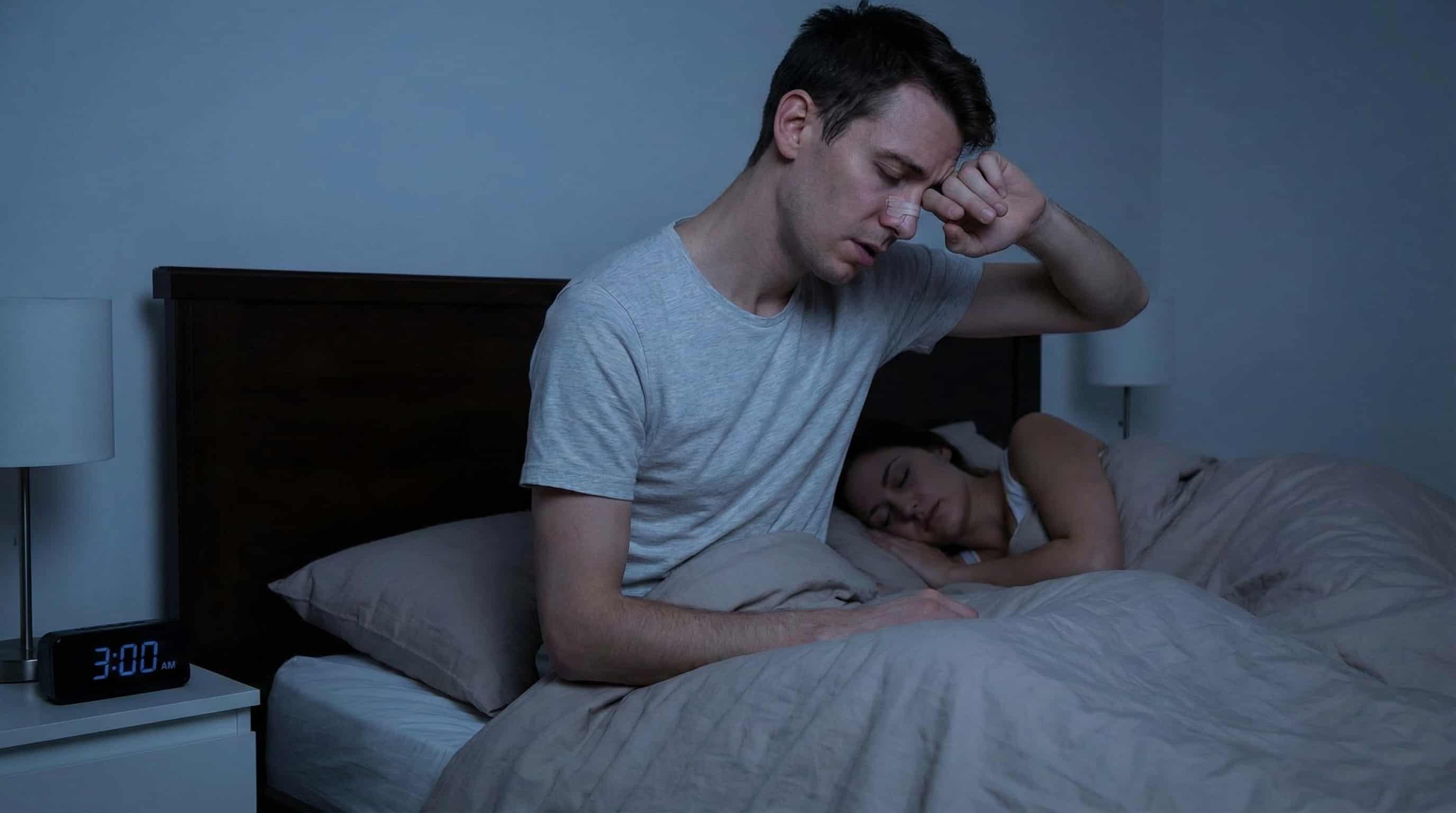
UARS: The ‘Thin Person’s Apnea’ (Why You’re Tired But Don’t Snore)

Article Image

Written by Dr. Lycan Dizon, Slumbelry Chief Sleep Consultant

title: “UARS: The ‘Thin Person’s Apnea’ (Why You’re Tired But Don’t Snore)” description: “Upper Airway Resistance Syndrome (UARS) affects many who don’t fit the typical sleep apnea profile. Learn the signs of this hidden sleep stealer.” keywords: “UARS symptoms, upper airway resistance syndrome, thin person sleep apnea, tired all the time female, low blood pressure sleep” author: “Dr. Lycan Dizon” date: “2026-01-01” —

You’re young, fit, and female. You don’t snore loud enough to wake the neighbors. So why are you exhausted?

In our journey through Sound Sleep, Sound Mind, we explore the psychological and physiological roots of sleep disturbances. UARS: The ‘Thin Person’s Apnea’ (Why You’re Tired But Don’t Snore) isn’t just a catchy headline; it’s a reality for millions.

Dr. Barry Krakow’s work teaches us that sleep problems are often learned behaviors or responses to hidden stressors. The good news? Learned behaviors can be unlearned.

The Concept: Physical Obstruction

Physical Obstruction is a cornerstone of understanding modern sleep therapy. It shifts the focus from “trying harder” to “understanding better.”

Many of us approach sleep with a “brute force” mentality. We try to force ourselves to relax, force ourselves to ignore the clock, or force our eyes shut. But the brain doesn’t work that way. This concept invites us to step back and look at the underlying mechanisms that are keeping us awake.

The Science: Why This Happens

Research in sleep medicine has shown that the brain’s arousal system is often the culprit. When we perceive a threat—whether it’s a nightmare, a worry about tomorrow, or simply the fear of not sleeping—the amygdala activates.

This triggers the release of cortisol and adrenaline. Physically, your heart rate might rise slightly. Mentally, you become hyper-alert. This is the “Fight or Flight” response, and it is biologically incompatible with sleep. Understanding this biological switch is the first step to turning it off.

The Technique: The Nasal Check

Here is how to apply the The Nasal Check method tonight:

1. Monitor Morning Symptoms: Do you wake up with a dry mouth or headache? 2. Cold Hands/Feet: Low blood pressure is a common marker for UARS (unlike high BP for Apnea). 3. Nasal Dilators: Try using nasal strips or a dilator to see if opening the airway helps. 4. Consult a Specialist: UARS often requires a specific type of sleep study (RDI measurement).

Common Pitfalls

  • Trying too hard: Effort is the enemy of sleep. The more you “try” to do this technique, the less likely it is to work.
  • expecting instant results: Neuroplasticity takes time. Your brain needs repetition to learn this new habit.
  • Inconsistency: Doing this once a week won’t change your neural pathways. Consistency is key.

The Slumbelry Connection: Supporting Your Journey

At Slumbelry, we believe that knowledge is the first sleep aid. But sometimes, you need a little extra help to create that safe, comfortable environment.

  • Comfort: Our [Sleep Masks](https://slumbelry.com/product-category/sleep-masks/) can help create the total darkness required for deep sleep.
  • Environment: A clutter-free, calming bedroom is essential. Consider how our sleep accessories can upgrade your sanctuary.
  • Relaxation: Sometimes, a physical signal of safety is needed. Our weighted blankets or soft bedding can provide that “havening” touch.

Final Thoughts

Sleep is a natural process, but in our modern world, it often requires a little protection. By understanding the psychology behind your sleep—and implementing gentle, evidence-based techniques—you can reclaim the night.

Remember: You are not broken. Your sleep system is just waiting for the right signals to do what it does best. Sweet dreams.

The Slumbelry Commitment

Sleep is the most vulnerable state of human existence. It is where we heal, reset, and grow.

At Slumbelry, we don’t just sell sleep products; we advocate for your physiological right to rest. From ergonomic support to light management, every solution we offer is designed with one obsession: Respecting your Biology.

Science is our language, but your recovery is our purpose. You take care of everything else in your life—let us take care of your nights.

Rest Deeply,
The Slumbelry Team
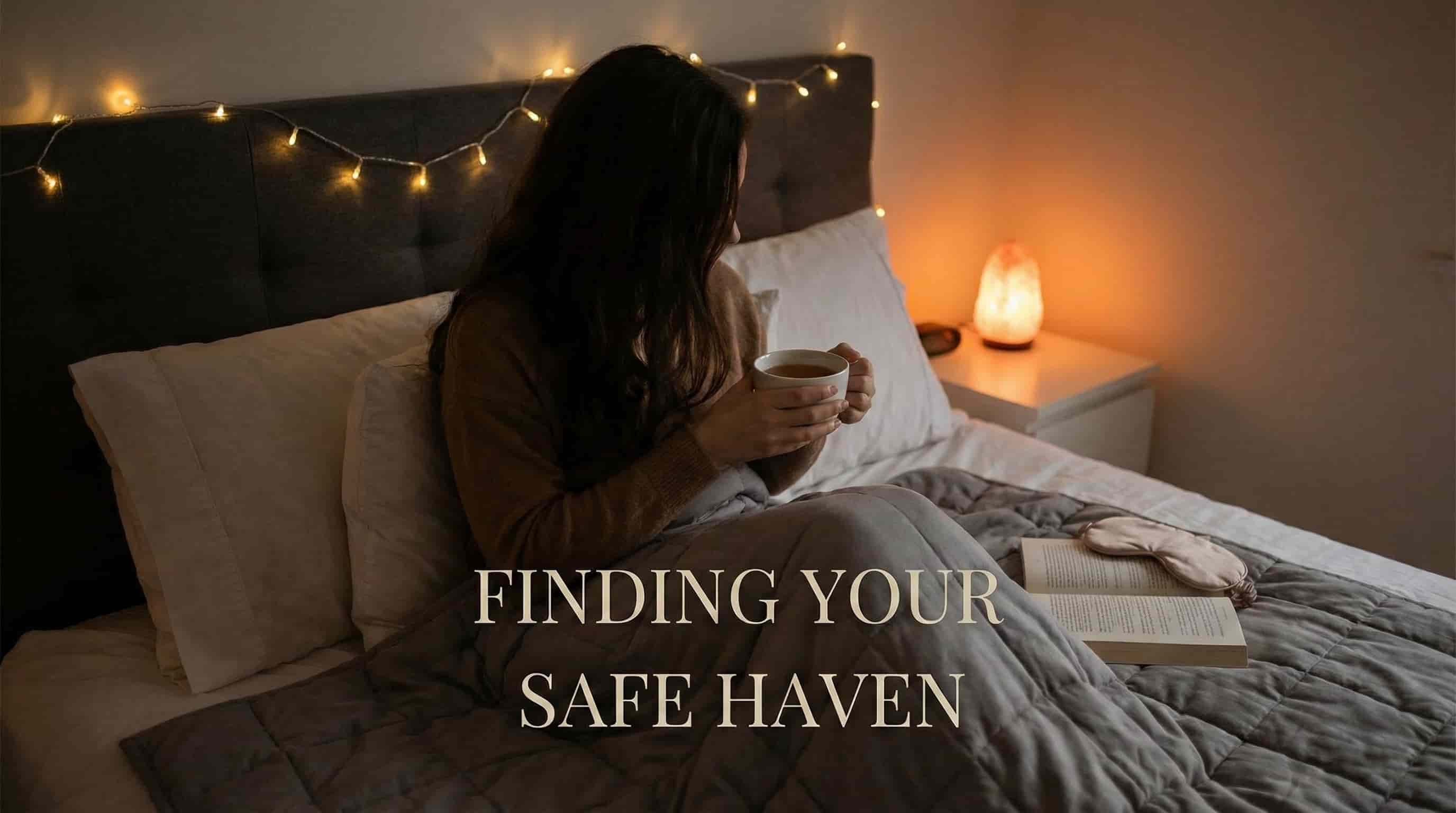
Post-Traumatic Sleep: Creating a Safe Space When Sleep Feels Dangerous

Article Image

Written by Dr. Lycan Dizon, Slumbelry Chief Sleep Consultant

title: “Post-Traumatic Sleep: Creating a Safe Space When Sleep Feels Dangerous” description: “For trauma survivors, letting go of consciousness can feel unsafe. Learn strategies to rebuild a sense of safety in the bedroom.” keywords: “PTSD and sleep, trauma nightmares, feeling safe in bed, sleep sanctuary PTSD, hypervigilance at night” author: “Dr. Lycan Dizon” date: “2026-01-01” —

Sleep requires vulnerability. For those with trauma, vulnerability feels like danger. How do we tell the brain it’s okay to let go?

In our journey through Sound Sleep, Sound Mind, we explore the psychological and physiological roots of sleep disturbances. Post-Traumatic Sleep: Creating a Safe Space When Sleep Feels Dangerous isn’t just a catchy headline; it’s a reality for millions.

Dr. Barry Krakow’s work teaches us that sleep problems are often learned behaviors or responses to hidden stressors. The good news? Learned behaviors can be unlearned.

The Concept: Safety & Security

Safety & Security is a cornerstone of understanding modern sleep therapy. It shifts the focus from “trying harder” to “understanding better.”

Many of us approach sleep with a “brute force” mentality. We try to force ourselves to relax, force ourselves to ignore the clock, or force our eyes shut. But the brain doesn’t work that way. This concept invites us to step back and look at the underlying mechanisms that are keeping us awake.

The Science: Why This Happens

Research in sleep medicine has shown that the brain’s arousal system is often the culprit. When we perceive a threat—whether it’s a nightmare, a worry about tomorrow, or simply the fear of not sleeping—the amygdala activates.

This triggers the release of cortisol and adrenaline. Physically, your heart rate might rise slightly. Mentally, you become hyper-alert. This is the “Fight or Flight” response, and it is biologically incompatible with sleep. Understanding this biological switch is the first step to turning it off.

The Technique: The Sanctuary Protocol

Here is how to apply the The Sanctuary Protocol method tonight:

1. Secure the Perimeter: Lock doors and windows early in the evening to build a sense of security. 2. Safe Object: Keep a comforting object (blanket, stuffed animal, photo) within reach. 3. Orientation Light: Use a very dim amber nightlight so if you wake up, you instantly know where you are. 4. Affirmation: Repeat: ‘I am safe. I am in my room. The danger is in the past.’

Common Pitfalls

  • Trying too hard: Effort is the enemy of sleep. The more you “try” to do this technique, the less likely it is to work.
  • expecting instant results: Neuroplasticity takes time. Your brain needs repetition to learn this new habit.
  • Inconsistency: Doing this once a week won’t change your neural pathways. Consistency is key.

The Slumbelry Connection: Supporting Your Journey

At Slumbelry, we believe that knowledge is the first sleep aid. But sometimes, you need a little extra help to create that safe, comfortable environment.

  • Comfort: Our [Sleep Masks](https://slumbelry.com/product-category/sleep-masks/) can help create the total darkness required for deep sleep.
  • Environment: A clutter-free, calming bedroom is essential. Consider how our sleep accessories can upgrade your sanctuary.
  • Relaxation: Sometimes, a physical signal of safety is needed. Our weighted blankets or soft bedding can provide that “havening” touch.

Final Thoughts

Sleep is a natural process, but in our modern world, it often requires a little protection. By understanding the psychology behind your sleep—and implementing gentle, evidence-based techniques—you can reclaim the night.

Remember: You are not broken. Your sleep system is just waiting for the right signals to do what it does best. Sweet dreams.

The Slumbelry Commitment

Sleep is the most vulnerable state of human existence. It is where we heal, reset, and grow.

At Slumbelry, we don’t just sell sleep products; we advocate for your physiological right to rest. From ergonomic support to light management, every solution we offer is designed with one obsession: Respecting your Biology.

Science is our language, but your recovery is our purpose. You take care of everything else in your life—let us take care of your nights.

Rest Deeply,
The Slumbelry Team
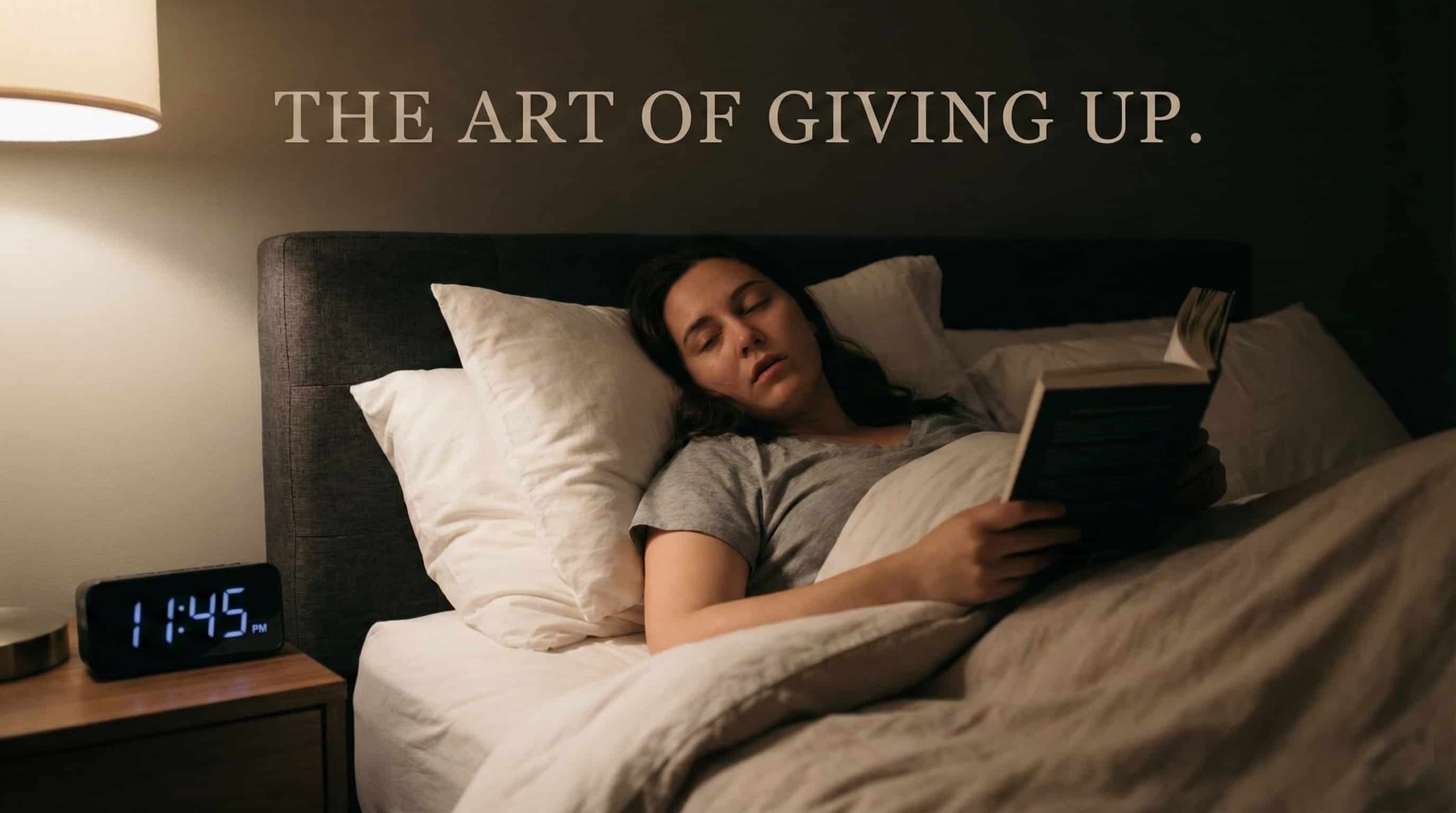
Paradoxical Intention: Want to Sleep? Try to Stay Awake

Article Image

Written by Dr. Lycan Dizon, Slumbelry Chief Sleep Consultant

title: “Paradoxical Intention: Want to Sleep? Try to Stay Awake” description: “Reverse psychology for your brain. Why trying to force sleep pushes it away, and how ‘trying to stay awake’ can actually help you nod off.” keywords: “paradoxical intention insomnia, reverse psychology sleep, sleep performance anxiety, how to fall asleep fast, CBT-I techniques” author: “Dr. Lycan Dizon” date: “2026-01-01” —

The harder you try to catch a butterfly, the faster it flies away. Sleep works the same way.

In our journey through Sound Sleep, Sound Mind, we explore the psychological and physiological roots of sleep disturbances. Paradoxical Intention: Want to Sleep? Try to Stay Awake isn’t just a catchy headline; it’s a reality for millions.

Dr. Barry Krakow’s work teaches us that sleep problems are often learned behaviors or responses to hidden stressors. The good news? Learned behaviors can be unlearned.

The Concept: Surrender

Surrender is a cornerstone of understanding modern sleep therapy. It shifts the focus from “trying harder” to “understanding better.”

Many of us approach sleep with a “brute force” mentality. We try to force ourselves to relax, force ourselves to ignore the clock, or force our eyes shut. But the brain doesn’t work that way. This concept invites us to step back and look at the underlying mechanisms that are keeping us awake.

The Science: Why This Happens

Research in sleep medicine has shown that the brain’s arousal system is often the culprit. When we perceive a threat—whether it’s a nightmare, a worry about tomorrow, or simply the fear of not sleeping—the amygdala activates.

This triggers the release of cortisol and adrenaline. Physically, your heart rate might rise slightly. Mentally, you become hyper-alert. This is the “Fight or Flight” response, and it is biologically incompatible with sleep. Understanding this biological switch is the first step to turning it off.

The Technique: The Stay Awake Game

Here is how to apply the The Stay Awake Game method tonight:

1. Lie in Bed: Get comfortable, lights out. 2. Open Your Eyes: Keep them gently open. 3. The Instruction: Tell yourself, ‘I am going to stay awake for the next few minutes. I will not fall asleep.’ 4. Observe: Notice how heavy your eyelids get when you stop trying to force them closed.

Common Pitfalls

  • Trying too hard: Effort is the enemy of sleep. The more you “try” to do this technique, the less likely it is to work.
  • expecting instant results: Neuroplasticity takes time. Your brain needs repetition to learn this new habit.
  • Inconsistency: Doing this once a week won’t change your neural pathways. Consistency is key.

The Slumbelry Connection: Supporting Your Journey

At Slumbelry, we believe that knowledge is the first sleep aid. But sometimes, you need a little extra help to create that safe, comfortable environment.

  • Comfort: Our [Sleep Masks](https://slumbelry.com/product-category/sleep-masks/) can help create the total darkness required for deep sleep.
  • Environment: A clutter-free, calming bedroom is essential. Consider how our sleep accessories can upgrade your sanctuary.
  • Relaxation: Sometimes, a physical signal of safety is needed. Our weighted blankets or soft bedding can provide that “havening” touch.

Final Thoughts

Sleep is a natural process, but in our modern world, it often requires a little protection. By understanding the psychology behind your sleep—and implementing gentle, evidence-based techniques—you can reclaim the night.

Remember: You are not broken. Your sleep system is just waiting for the right signals to do what it does best. Sweet dreams.

The Slumbelry Commitment

Sleep is the most vulnerable state of human existence. It is where we heal, reset, and grow.

At Slumbelry, we don’t just sell sleep products; we advocate for your physiological right to rest. From ergonomic support to light management, every solution we offer is designed with one obsession: Respecting your Biology.

Science is our language, but your recovery is our purpose. You take care of everything else in your life—let us take care of your nights.

Rest Deeply,
The Slumbelry Team
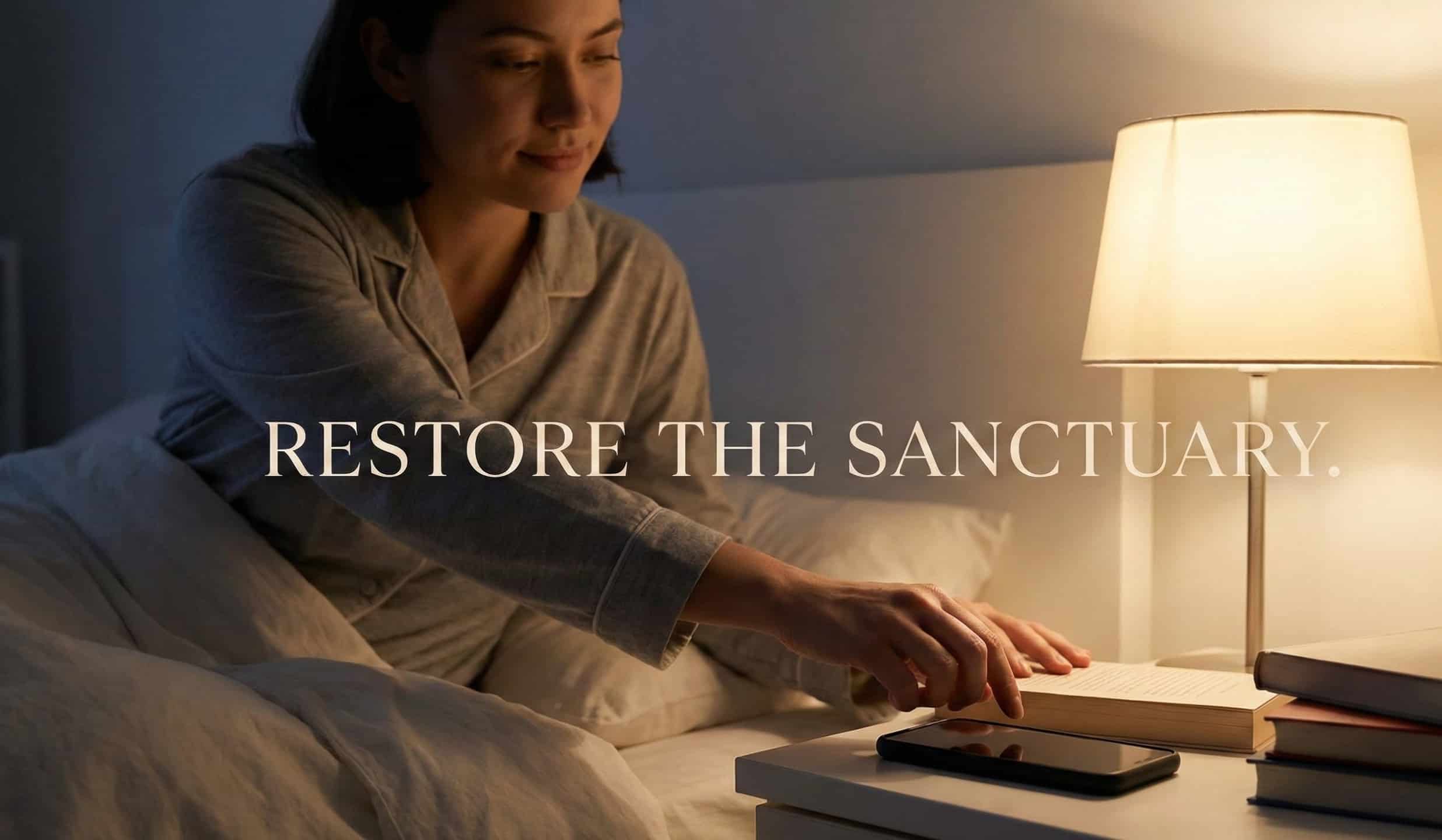
Stimulus Control: Re-associating Your Bed with Sleep (Not Scrolling)

Article Image

Written by Dr. Lycan Dizon, Slumbelry Chief Sleep Consultant

title: “Stimulus Control: Re-associating Your Bed with Sleep (Not Scrolling)” description: “If your brain associates your bed with worry, work, or Instagram, you’ll never sleep well. Learn the golden rule of Stimulus Control.” keywords: “stimulus control therapy, bed is for sleep only, insomnia behavioral therapy, sleep hygiene rules, conditioning for sleep” author: “Dr. Lycan Dizon” date: “2026-01-01” —

Pavlov had his dogs. You have your bed. What is your brain conditioned to do when you hit the pillow?

In our journey through Sound Sleep, Sound Mind, we explore the psychological and physiological roots of sleep disturbances. Stimulus Control: Re-associating Your Bed with Sleep (Not Scrolling) isn’t just a catchy headline; it’s a reality for millions.

Dr. Barry Krakow’s work teaches us that sleep problems are often learned behaviors or responses to hidden stressors. The good news? Learned behaviors can be unlearned.

The Concept: Association

Association is a cornerstone of understanding modern sleep therapy. It shifts the focus from “trying harder” to “understanding better.”

Many of us approach sleep with a “brute force” mentality. We try to force ourselves to relax, force ourselves to ignore the clock, or force our eyes shut. But the brain doesn’t work that way. This concept invites us to step back and look at the underlying mechanisms that are keeping us awake.

The Science: Why This Happens

Research in sleep medicine has shown that the brain’s arousal system is often the culprit. When we perceive a threat—whether it’s a nightmare, a worry about tomorrow, or simply the fear of not sleeping—the amygdala activates.

This triggers the release of cortisol and adrenaline. Physically, your heart rate might rise slightly. Mentally, you become hyper-alert. This is the “Fight or Flight” response, and it is biologically incompatible with sleep. Understanding this biological switch is the first step to turning it off.

The Technique: The 15-Minute Rule

Here is how to apply the The 15-Minute Rule method tonight:

1. Sleep Only: Use the bed only for sleep and intimacy. No TV, no phone, no eating. 2. Get Out: If you aren’t asleep in ~20 minutes, GET OUT of bed. 3. Boring Activity: Go to another room and do something dull (read a manual, knit) until sleepy. 4. Return: Only go back to bed when you are struggling to keep your eyes open.

Common Pitfalls

  • Trying too hard: Effort is the enemy of sleep. The more you “try” to do this technique, the less likely it is to work.
  • expecting instant results: Neuroplasticity takes time. Your brain needs repetition to learn this new habit.
  • Inconsistency: Doing this once a week won’t change your neural pathways. Consistency is key.

The Slumbelry Connection: Supporting Your Journey

At Slumbelry, we believe that knowledge is the first sleep aid. But sometimes, you need a little extra help to create that safe, comfortable environment.

  • Comfort: Our [Sleep Masks](https://slumbelry.com/product-category/sleep-masks/) can help create the total darkness required for deep sleep.
  • Environment: A clutter-free, calming bedroom is essential. Consider how our sleep accessories can upgrade your sanctuary.
  • Relaxation: Sometimes, a physical signal of safety is needed. Our weighted blankets or soft bedding can provide that “havening” touch.

Final Thoughts

Sleep is a natural process, but in our modern world, it often requires a little protection. By understanding the psychology behind your sleep—and implementing gentle, evidence-based techniques—you can reclaim the night.

Remember: You are not broken. Your sleep system is just waiting for the right signals to do what it does best. Sweet dreams.

The Slumbelry Commitment

Sleep is the most vulnerable state of human existence. It is where we heal, reset, and grow.

At Slumbelry, we don’t just sell sleep products; we advocate for your physiological right to rest. From ergonomic support to light management, every solution we offer is designed with one obsession: Respecting your Biology.

Science is our language, but your recovery is our purpose. You take care of everything else in your life—let us take care of your nights.

Rest Deeply,
The Slumbelry Team
Sleep Restriction Therapy: Why Less Time in Bed Means Better Sleep

Article Image

Written by Dr. Lycan Dizon, Slumbelry Chief Sleep Consultant

title: “Sleep Restriction Therapy: Why Less Time in Bed Means Better Sleep” description: “It sounds counterintuitive, but spending LESS time in bed can cure insomnia. Discover the power of Sleep Restriction Therapy (SRT).” keywords: “sleep restriction therapy, SRT for insomnia, sleep efficiency, spending too much time in bed, consolidating sleep” author: “Dr. Lycan Dizon” date: “2026-01-01” —

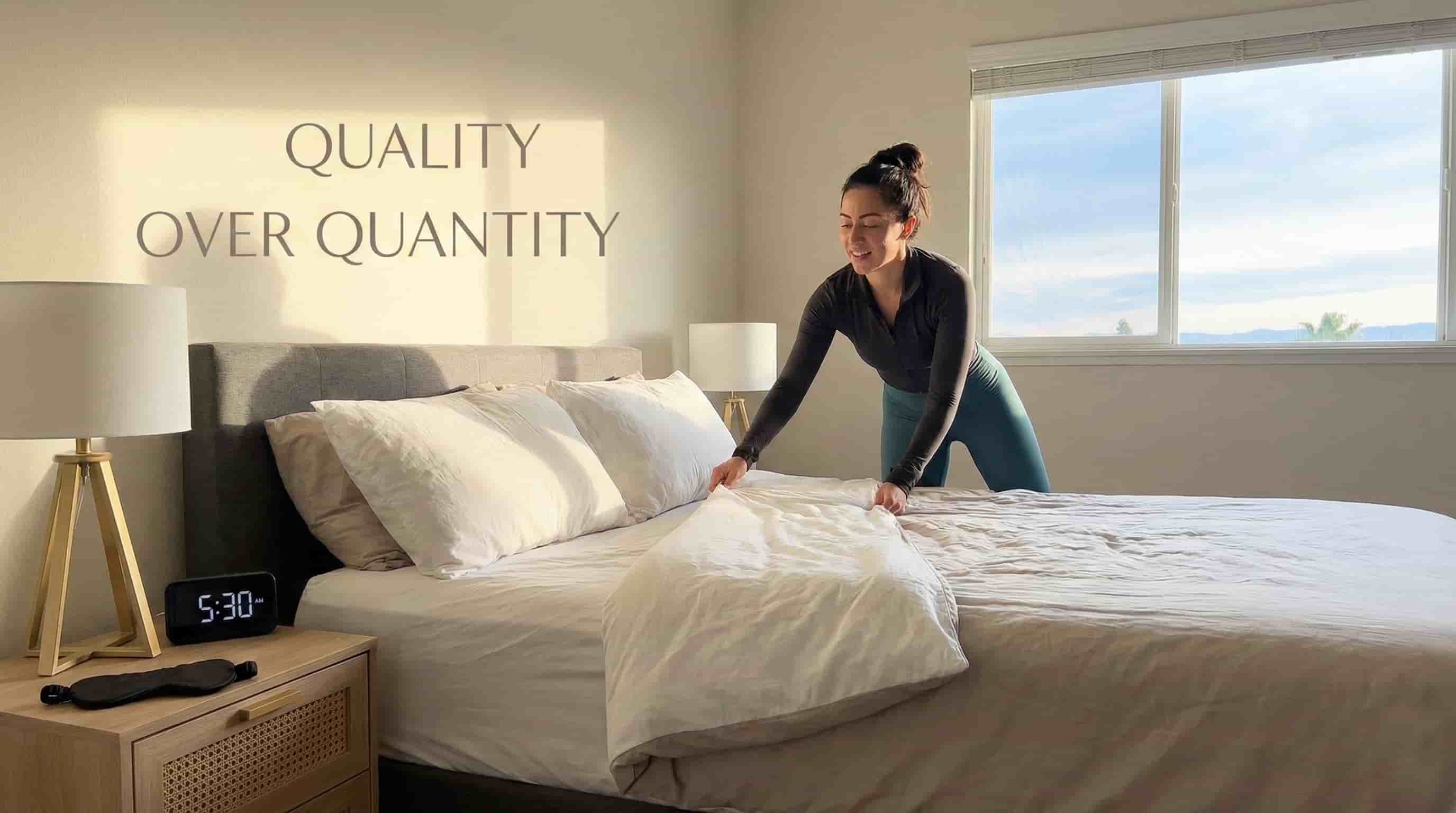
Quality over quantity. If you spend 9 hours in bed but only sleep for 6, you’re training your brain to be awake in bed.

In our journey through Sound Sleep, Sound Mind, we explore the psychological and physiological roots of sleep disturbances. Sleep Restriction Therapy: Why Less Time in Bed Means Better Sleep isn’t just a catchy headline; it’s a reality for millions.

Dr. Barry Krakow’s work teaches us that sleep problems are often learned behaviors or responses to hidden stressors. The good news? Learned behaviors can be unlearned.

The Concept: Sleep Efficiency

Sleep Efficiency is a cornerstone of understanding modern sleep therapy. It shifts the focus from “trying harder” to “understanding better.”

Many of us approach sleep with a “brute force” mentality. We try to force ourselves to relax, force ourselves to ignore the clock, or force our eyes shut. But the brain doesn’t work that way. This concept invites us to step back and look at the underlying mechanisms that are keeping us awake.

The Science: Why This Happens

Research in sleep medicine has shown that the brain’s arousal system is often the culprit. When we perceive a threat—whether it’s a nightmare, a worry about tomorrow, or simply the fear of not sleeping—the amygdala activates.

This triggers the release of cortisol and adrenaline. Physically, your heart rate might rise slightly. Mentally, you become hyper-alert. This is the “Fight or Flight” response, and it is biologically incompatible with sleep. Understanding this biological switch is the first step to turning it off.

The Technique: The Sleep Window

Here is how to apply the The Sleep Window method tonight:

1. Calculate Total Sleep: Estimate your average actual sleep time (e.g., 6 hours). 2. Set Wake Time: Pick a consistent wake-up time (e.g., 7 AM). 3. Set Bedtime: Count back from wake time by your sleep duration (7 AM – 6 hours = 1 AM). 4. Strict Adherence: Do not go to bed before 1 AM. Your sleep drive will build up, leading to deeper sleep.

Common Pitfalls

  • Trying too hard: Effort is the enemy of sleep. The more you “try” to do this technique, the less likely it is to work.
  • expecting instant results: Neuroplasticity takes time. Your brain needs repetition to learn this new habit.
  • Inconsistency: Doing this once a week won’t change your neural pathways. Consistency is key.

The Slumbelry Connection: Supporting Your Journey

At Slumbelry, we believe that knowledge is the first sleep aid. But sometimes, you need a little extra help to create that safe, comfortable environment.

  • Comfort: Our [Sleep Masks](https://slumbelry.com/product-category/sleep-masks/) can help create the total darkness required for deep sleep.
  • Environment: A clutter-free, calming bedroom is essential. Consider how our sleep accessories can upgrade your sanctuary.
  • Relaxation: Sometimes, a physical signal of safety is needed. Our weighted blankets or soft bedding can provide that “havening” touch.

Final Thoughts

Sleep is a natural process, but in our modern world, it often requires a little protection. By understanding the psychology behind your sleep—and implementing gentle, evidence-based techniques—you can reclaim the night.

Remember: You are not broken. Your sleep system is just waiting for the right signals to do what it does best. Sweet dreams.

The Slumbelry Commitment

Sleep is the most vulnerable state of human existence. It is where we heal, reset, and grow.

At Slumbelry, we don’t just sell sleep products; we advocate for your physiological right to rest. From ergonomic support to light management, every solution we offer is designed with one obsession: Respecting your Biology.

Science is our language, but your recovery is our purpose. You take care of everything else in your life—let us take care of your nights.

Rest Deeply,
The Slumbelry Team

Better sleep tips & exclusive offers, straight to your inbox.

Curated sleep insights, early access to new products, and members-only deals.
No spam. You can unsubscribe anytime.