


×
Slumbelry
HOME SHOP WELLBEING BLOG LOGIN / REGISTER SEARCH CONTACT

The Irony of Insomnia: Why Trying to Sleep Keeps You Awake

Sleep Anxiety: How to Stop Fearing Your Bed and Rest

Written by Dr. Lycan Dizon, Slumbelry Chief Sleep Consultant · Updated 2025

The Irony of Insomnia: Why Trying to Sleep Keeps You Awake

Here is the cruelest paradox of insomnia: The harder you try to sleep, the further away it gets. Think about the person who drinks a double espresso at 8 PM and falls asleep the second their head hits the pillow. Why can they do it? Because they don’t care. They don’t track their sleep, they don’t optimize their bedroom, and they don’t feel a knot of dread in their stomach as 10 PM approaches. You, on the other hand, have read the books and bought the gadgets. But the original trigger for your insomnia—the stress, the pain, the newborn baby—is long gone. The only thing keeping you awake now is the sheer terror of not sleeping.

  • The Tiger in the Bedroom: Sleep anxiety triggers your “fight or flight” response. Your brain literally thinks it is unsafe to lose consciousness.
  • Paradoxical Intention: The most effective psychological tool for insomnia is actively trying to stay awake, which instantly removes the performance pressure of sleep.
  • The Catastrophe Myth: You must dismantle the belief that a bad night of sleep will ruin your life. You are far more resilient than your anxiety tells you.
A person lying awake in bed, staring at the ceiling with a look of anxiety and frustration
When your bed becomes a battleground instead of a sanctuary, your nervous system treats sleep as a threat to be fought.

1) The Fight or Flight Response: Why You Cannot Force It

Sleep is a state of profound vulnerability. It requires your nervous system to feel entirely safe. Anxiety, by definition, is a state of hyper-vigilance. It is your brain holding on, scanning the horizon for danger.

When you look at your bed and feel that familiar wave of panic—“What if I don’t sleep tonight? What if tomorrow is ruined?”—your amygdala sounds the alarm. It dumps adrenaline and cortisol into your bloodstream. Your heart rate elevates, and your core temperature rises.

Your biological programming thinks there is a tiger in the bedroom. And from an evolutionary standpoint, you cannot (and should not) fall asleep when you are fighting a tiger. You are asking your body to hit the gas and the brakes at the exact same time.

“Sleep is like a shy animal. If you chase it, it will run away. You have to sit quietly and let it come to you.”

2) Breaking the Cycle: Paradoxical Intention

How do you stop fearing the tiger? You invite it in.

One of the most effective, counter-intuitive tools used in Cognitive Behavioral Therapy for Insomnia (CBT-I) is called Paradoxical Intention. Instead of desperately trying to force sleep, you actively try to stay awake.

The Paradox Protocol:

  1. Get in Bed with Open Eyes: Lie down in your dark room, but keep your eyes gently open.
  2. Set the New Goal: Tell yourself: “My only goal right now is to stay awake as long as I can. I am just going to rest my body, but I will not allow my mind to sleep.”
  3. Embrace the Wakefulness: Do not look at your phone. Just lie there and actively try to remain conscious.

Why does this work? Because it immediately removes the performance anxiety. The moment you stop trying to sleep, the adrenaline drops. The threat is neutralized. And very often, you will fall asleep entirely by accident.

A person lying in bed, looking calm and accepting of their wakefulness
Accepting wakefulness is the first step to neutralizing the adrenaline that keeps you awake.

3) The Power of Acceptance (ACT)

Acceptance and Commitment Therapy (ACT) offers another powerful framework for chronic sleep anxiety: stop fighting the wakefulness.

When you are lying awake at 3 AM, your internal monologue is usually a warzone: “I hate this. This is awful. I need to sleep right now.” This resistance fuels the anxiety.

ACT teaches you to drop the rope in this tug-of-war. Instead of fighting, you practice radical acceptance: “Hello, wakefulness. I see you are here again. That is okay. I am just going to lie here and enjoy the physical warmth of the blanket.” It sounds incredibly passive, but it is deeply powerful. By removing the emotional charge from the situation, you starve the anxiety of its fuel.

4) Dismantling the Catastrophe Myth

The root of sleep anxiety is almost always a catastrophic belief about tomorrow: “If I don’t sleep, I won’t be able to function. I’ll get fired. I’ll get sick. I’ll go crazy.”

It is time to challenge that belief with hard evidence. Look back at your life. You have survived every single sleepless night you have ever had. You went to work. You took care of the kids. You drove the car. It wasn’t fun, you felt miserable, but you did it. You did not die.

You are far more resilient than your anxiety tells you. Once you truly internalize the fact that a bad night of sleep is just a bad night—not a life-ending catastrophe—the fear loses its teeth. And when the fear is gone, the sleep naturally returns.

5) Common Misconceptions (FAQ)

Q1: Shouldn’t I get out of bed if I can’t sleep?

Yes, this is a core rule of CBT-I called Stimulus Control. If you have been awake for what feels like 20 minutes and you are feeling anxious or frustrated, get out of bed. Go to a dim room and do something boring (read a physical book, knit) until you feel genuinely sleepy, then return to bed. Your bed must only be associated with sleep, not with tossing and turning.

Q2: Why do I feel so sleepy on the couch, but wide awake in bed?

This is classic conditioned arousal. Your brain has subconsciously linked your bed with the frustration and anxiety of not sleeping. The couch is safe; there is no pressure to sleep there. When you move to the bed, the “performance” begins, and your brain releases adrenaline. Stimulus Control (mentioned above) helps break this negative association.

Q3: Are sleep trackers making my insomnia worse?

For people with sleep anxiety, absolutely. This is called “Orthosomnia”—the unhealthy obsession with achieving perfect sleep data. Checking your app every morning to see if you “failed” or “succeeded” at sleeping only spikes your cortisol and reinforces the performance pressure. If you have sleep anxiety, take off the watch.

Stop fighting the tiger in your bedroom. Learn to work with your nervous system, not against it.

Take the Free Sleep Assessment Join the Recovery Newsletter

The Slumbelry Commitment

Sleep is the most vulnerable state of human existence. It is where we heal, reset, and grow.

At Slumbelry, we don’t just sell sleep products; we advocate for your physiological right to rest. From ergonomic support to light management, every solution we offer is designed with one obsession: Respecting your Biology.

Science is our language, but your recovery is our purpose. You take care of everything else in your life—let us take care of your nights.

Rest Deeply,
The Slumbelry Team

The “Revenge Bedtime” Cure: How to Softly Reclaim Your Sleep from a Chaotic World

The “Revenge Bedtime” Cure: A Gentle Guide to Deep Sleep – Slumbelry
It’s 11 PM. House quiet. You scroll because it’s your only ‘me time’. This is Revenge Bedtime Procrastination. Discover the gentle, science-backed way to reclaim your sleep without the guilt.

The “Revenge Bedtime” Cure: How to Softly Reclaim Your Sleep from a Chaotic World

Drawing wisdom from Sleep Smarter. Discover the gentle science of cooling down, dimming the lights, and finding peace in a noisy life.

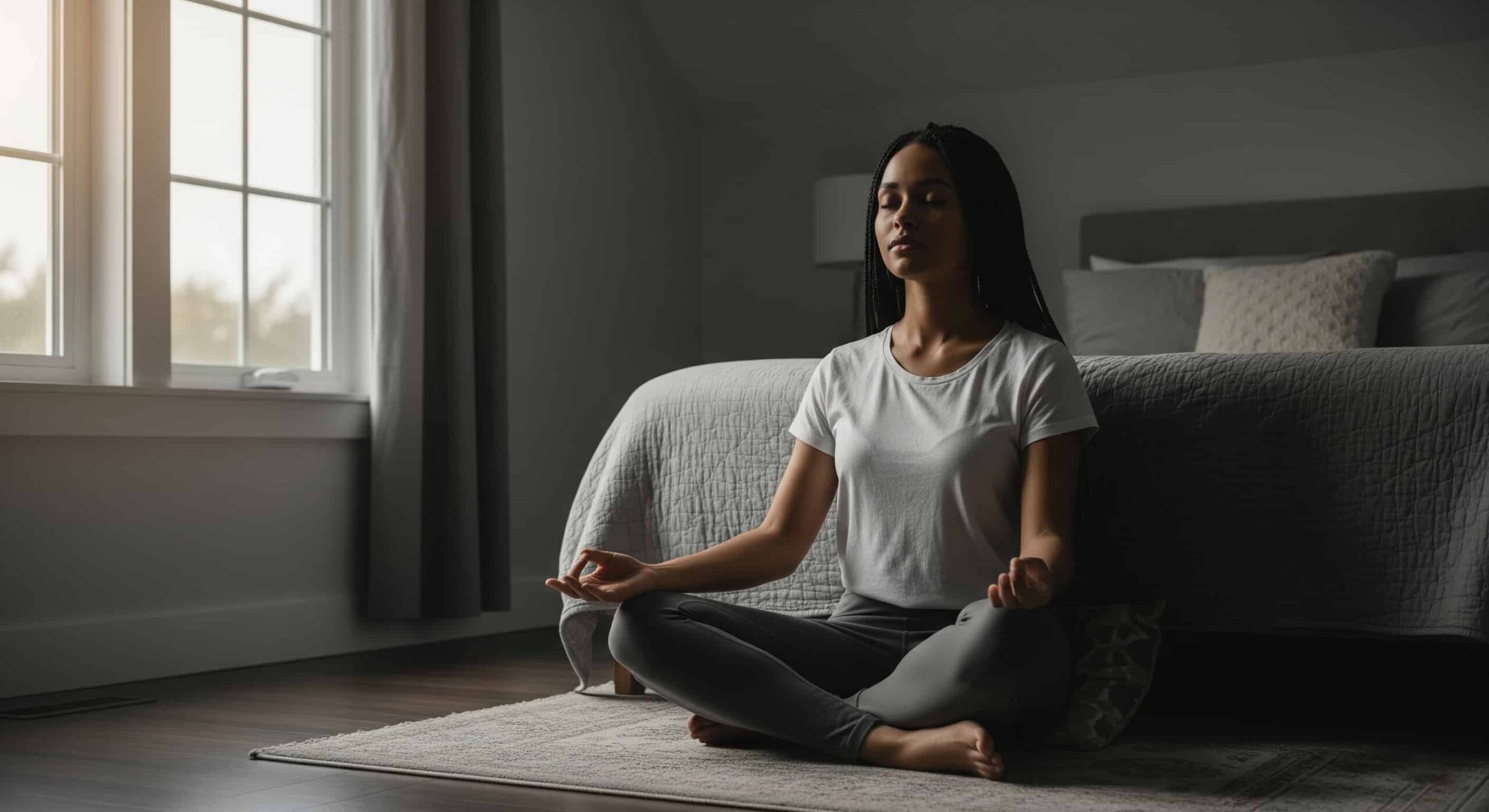
Peaceful Bedroom Sleep Sanctuary

It’s 11 PM. The house is finally quiet. You should sleep. But you don’t. You open TikTok. Why? Because this is the only time that belongs to you.

This is “Revenge Bedtime Procrastination.” And as a working mom who has negotiated with a toddler at 3 AM, I get it. We steal time from our sleep because we feel like we lost control of our day. But Shawn Stevenson, author of Sleep Smarter, offers a different perspective: Sleep isn’t about losing time; it’s about reclaiming your power. Here is a gentle guide to softly taking back your nights.

1. Your Bedroom: The Anti-Chaos Zone

If your day is full of noise and demands, your bedroom must be the opposite. It shouldn’t just be a room; it should be a hug.

Cooling Down the Anxiety

Anxiety runs hot. Sleep runs cool. Dropping your room temperature isn’t just about comfort; it’s a biological signal to your nervous system that it’s safe to rest.

  • The Sweet Spot: Aim for 60°F – 68°F (15°C – 20°C).
  • The Cozy Hack: Keep the air crisp but wear warm, fuzzy socks. Warm feet signal your blood vessels to dilate, which actually cools your core down faster. It’s science, but it feels like self-care.

Breathing Room

Stale air = stale energy. We often sleep in rooms that have been closed up all day.

🌿 Nature’s Quiet Helpers

Invite a Snake Plant or English Ivy into your corner. They silently scrub the air of toxins while you dream. It’s one less thing for your body to fight against.

2. The Scroll Hole: Breaking the Blue Light Trap

We scroll because we’re looking for connection or distraction. But the blue light from our screens is screaming “It’s Noon!” to our exhausted brains, suppressing the very hormone (melatonin) that helps us let go.

The “Digital Sunset” Ritual

Think of this not as a restriction, but as a liberation. 90 minutes before bed, declare a cease-fire with the digital world.

  • The Swap: Replace the scroll with something analog. A real book, a journal, or just staring at the ceiling and letting your thoughts settle.
  • The Morning Anchor: Instead of checking email first thing, step outside. Morning sunlight resets your cortisol clock, making it easier to fall asleep 14 hours later.

3. Fueling the Calm: Eating for Peace

Sometimes, we aren’t just mentally wired; we are chemically wired. What we consume can either feed the anxiety or feed the sleep.

The Caffeine Curfew

That 4 PM latte feels like a hug, but it stays in your system for 8 hours. It’s like inviting a loud band to play in your brain at midnight.

Gentle Boundary: Try to switch to herbal tea after 2:00 PM. Give your body the grace of a chemical-free evening.

Magnesium: The “Exhale” Mineral

If you feel “tired but wired,” you might be low on magnesium. It’s the mineral that tells your muscles to relax. A warm bath with magnesium salts isn’t just a bath; it’s a therapy session for your nervous system.

4. Rituals of Self-Love

Don’t call them “hacks.” Call them rituals. Small acts of kindness you do for your future self.

Tonight’s Menu

  • The “Thermal Dump”: A warm bath 90 minutes before bed. It mimics the temperature drop of natural sleep onset.
  • Earthing: If you can, touch your bare feet to the grass or floor. Ground yourself. Remind your body it’s here, now, and safe.
  • Connection: Intimacy releases oxytocin, a powerful natural sedative. It’s the ultimate way to get out of your head and into your body.

Unlocking Gentle Sleep: Tips, Aids, and Whispers for Restful Nights

In those quiet moments when the day fades and your mind wanders toward rest, remember: you’re not alone in seeking a softer path to sleep.

We’ve all been there—chasing that elusive calm amid the hum of life. Here, we simply hold space for your well-being, offering gentle insights into restorative sleep tips, thoughtful natural sleep aids for better rest, and a free whisper of white noise for sleep to cradle your evenings.

If it calls to you, take a breath… and step closer.

Discover Your Gentle Night


Effective tips for managing pre-sleep anxiety: proven techniques to calm your mind and prepare for restful sleep

Tips for Pre-Sleep Anxiety

Pre-sleep anxiety affects millions of people worldwide, creating a frustrating cycle where worry about sleep prevents actual sleep. Understanding and implementing effective anxiety management techniques can break this cycle and restore peaceful nights.

Understanding Pre-Sleep Anxiety

Pre-sleep anxiety, also known as bedtime anxiety or sleep anxiety, occurs when worries, racing thoughts, or physical tension prevent you from falling asleep. This condition can stem from various sources including daily stress, health concerns, or anticipatory anxiety about not being able to sleep.

Common Symptoms

  • Racing thoughts or mind that won’t “turn off”
  • Physical tension in muscles, especially neck and shoulders
  • Increased heart rate when lying down
  • Worry about the next day’s responsibilities
  • Fear of not getting enough sleep
  • Restlessness and inability to get comfortable

Cognitive Techniques for Calming the Mind

1. The 4-7-8 Breathing Technique

How to Practice:

  • Inhale through your nose for 4 counts
  • Hold your breath for 7 counts
  • Exhale through your mouth for 8 counts
  • Repeat 3-4 cycles

Benefits: Activates the parasympathetic nervous system, naturally reducing anxiety and promoting relaxation.

2. Progressive Muscle Relaxation (PMR)

Technique: Starting from your toes, tense each muscle group for 5 seconds, then release and notice the contrast between tension and relaxation. Work your way up to your head.

Why It Works: Helps identify and release physical tension while redirecting focus away from anxious thoughts.

3. The 5-4-3-2-1 Grounding Technique

Practice: Identify:

  • 5 things you can see
  • 4 things you can touch
  • 3 things you can hear
  • 2 things you can smell
  • 1 thing you can taste

Purpose: Anchors you in the present moment and interrupts anxious thought patterns.

4. Thought Stopping and Reframing

Method: When anxious thoughts arise, mentally say “STOP” and replace the thought with a calming phrase like “I am safe and ready for rest” or “Tomorrow will take care of itself.”

Effectiveness: Interrupts the anxiety cycle and redirects mental energy toward peaceful thoughts.

Environmental and Lifestyle Strategies

Create a Worry Window

Set aside 15-20 minutes earlier in the evening (at least 2 hours before bed) to write down worries and potential solutions. This prevents bedtime from becoming problem-solving time.

Implementation: Keep a notebook by your bed. If worries arise at bedtime, jot them down to address during tomorrow’s worry window.

Optimize Your Sleep Environment

  • Temperature: Keep bedroom between 65-68°F (18-20°C)
  • Lighting: Use blackout curtains and dim lights 1 hour before bed
  • Sound: Consider white noise, earplugs, or calming nature sounds
  • Comfort: Invest in comfortable bedding and pillows
  • Electronics: Remove or silence devices that emit blue light

Establish a Calming Bedtime Routine

Sample 30-Minute Routine:

  • 10 minutes: Gentle stretching or yoga
  • 10 minutes: Reading or listening to calming music
  • 5 minutes: Gratitude journaling
  • 5 minutes: Deep breathing or meditation

Key: Consistency is more important than perfection. Start with 10-15 minutes if 30 feels overwhelming.

Natural Remedies and Supplements

Herbal Teas and Aromatherapy

  • Chamomile Tea: Contains apigenin, which binds to brain receptors to promote sleepiness
  • Lavender: Use essential oil in a diffuser or apply diluted oil to pulse points
  • Passionflower: Traditional remedy for anxiety and insomnia
  • Valerian Root: May help reduce the time it takes to fall asleep

Note: Always consult with a healthcare provider before starting new supplements.

Magnesium and Melatonin

Magnesium: Helps regulate neurotransmitters and may reduce cortisol levels. Consider magnesium glycinate 1-2 hours before bed.

Melatonin: Start with 0.5-1mg taken 30 minutes before desired bedtime. Higher doses aren’t necessarily more effective.

When to Seek Professional Help

Consider Professional Support If:

  • Sleep anxiety persists for more than 2-3 weeks despite trying self-help strategies
  • Anxiety significantly impacts daily functioning
  • You experience panic attacks at bedtime
  • Sleep problems are affecting work, relationships, or health
  • You’re using alcohol or substances to cope with sleep anxiety

Treatment Options: Cognitive Behavioral Therapy for Insomnia (CBT-I), anxiety counseling, or medical evaluation for underlying conditions.

Building Your Personal Anxiety Management Plan

Overcoming pre-sleep anxiety requires patience and consistency. Start by implementing 1-2 techniques that resonate with you, then gradually build your toolkit. Remember that what works for others may not work for you, so be willing to experiment and adapt.

Remember: Quality sleep is not a luxury—it’s essential for mental and physical health. Investing time in managing pre-sleep anxiety will pay dividends in improved sleep quality and overall well-being.

Sleep and Mental Health: How They Affect Each Other & How to Improve Mental Well-being Through Better Sleep

Sleep and Mental Health

Keywords: Sleep and mental health, sleep deprivation emotions, improve sleep psychology, emotional regulation sleep, mental health promotion

“A good night’s sleep makes for a great day” – this common saying highlights the importance of sleep for our physical and mental state. Sleep is not just physical rest; it’s a critical period for the brain to process information, regulate emotions, and consolidate memories. Mental health and sleep quality are closely and bidirectionally linked. Poor sleep can trigger or exacerbate mental health issues, while psychological stress and emotional distress often lead to sleep disorders.

I. How Does Sleep Affect Mental Health?

Sufficient and high-quality sleep is crucial for maintaining good mental well-being.

1. Emotional Regulation

Sleep, especially the Rapid Eye Movement (REM) stage, is vital for processing and integrating emotional information. Sleep deprivation weakens the prefrontal cortex’s control over the amygdala (the emotional center of the brain), leading to more intense and negative emotional reactions. Chronic sleep deprivation can make individuals more prone to anxiety, irritability, and depression, and reduce positive emotions.

2. Cognitive Function

Lack of sleep impairs attention, memory, decision-making, and problem-solving abilities. These cognitive declines can affect daily life and work efficiency, potentially leading to stress and frustration, negatively impacting mental health.

3. Stress Response

Good sleep helps the body cope better with stress. When sleep-deprived, the body’s stress hormone levels (like cortisol) may rise, increasing sensitivity to stress and making it harder to recover from stressful events.

4. Risk of Mental Illness

Sleep disorders are common symptoms and risk factors for various mental illnesses, such as depression, anxiety disorders, bipolar disorder, and schizophrenia. Chronic insomnia may predict the onset or worsening of these conditions. For example, studies have found that insomniacs have a significantly higher risk of developing depression than those with normal sleep.

II. How Do Mental Health Problems Affect Sleep?

Conversely, poor mental health is often a primary cause of sleep problems.

1. Anxiety and Worry

In an anxious state, the brain remains highly alert, with racing thoughts, making it difficult to calm down and fall asleep. Worries about the future or fear of specific events can lead to difficulty falling asleep or frequent nighttime awakenings.

2. Depressive Moods

Patients with depression often experience changes in sleep patterns, which may manifest as insomnia (difficulty falling asleep, early awakenings, light sleep) or hypersomnia (excessive sleep). The lack of energy and diminished interest caused by depression can also disrupt normal sleep rhythms.

3. Stress and Trauma

Significant life stress, work pressure, or experiencing traumatic events (such as Post-Traumatic Stress Disorder, PTSD) can lead to persistent tension and hyperarousal, severely interfering with sleep. Nightmares and nocturnal awakenings are also common sleep problems after trauma.

4. Rumination

Repeatedly thinking about negative events or worrying about certain issues, especially in the quiet of the night, can make it difficult for the brain to relax, hindering sleep onset.

III. Strategies to Promote Mental Health by Improving Sleep

Given the close link between sleep and mental health, improving sleep is an important way to maintain and promote mental well-being.

1. Establish a Regular Sleep Schedule

Go to bed and wake up at the same time every day, trying to maintain consistency even on weekends. This helps stabilize your biological clock and improve sleep efficiency.

2. Optimize Your Sleep Environment

Ensure your bedroom is dark, quiet, cool, and well-ventilated. Use a comfortable mattress and pillows. Avoid working or engaging in entertainment activities in the bedroom to create a strong association between your bed and sleep.

3. Cultivate Healthy Pre-Sleep Habits

  • Relaxation Ritual: Engage in relaxing activities an hour before bed, such as a warm bath, reading a light book (avoid electronic screens), listening to soothing music, meditation, or deep breathing exercises.
  • Avoid Stimulants: Avoid caffeine and alcohol several hours before bed. Avoid smoking.
  • Reduce Blue Light Exposure: Turn off phones, computers, TVs, and other electronic devices at least an hour before bed, or use a blue light filter mode.
  • Avoid Heavy Meals or Going to Bed Hungry: Dinner should not be too late or too heavy, but don’t go to bed hungry either.

4. Maintain Moderate Daytime Activity and Light Exposure

  • Regular Exercise: Moderate physical exercise during the day helps improve nighttime sleep, but avoid strenuous exercise 2-3 hours before bed.
  • Get Natural Light: Get plenty of natural light during the day, especially in the morning, to help regulate melatonin secretion and improve the sleep-wake cycle.

5. Manage Daytime Stress and Emotions

  • Learn Stress Management Techniques: Such as mindfulness practice, yoga, or Tai Chi.
  • Seek Social Support: Communicate with family and friends, share your feelings.
  • Limit Naps: If you need to nap, keep it short (generally no more than 20-30 minutes) and avoid napping late in the afternoon.

6. Respond Correctly to Moments of Insomnia

If you can’t fall asleep after 20-30 minutes in bed, don’t force yourself. Get up and do some quiet, relaxing activities until you feel sleepy, then return to bed.

When to Seek Professional Help

Important: If chronic sleep problems (such as insomnia or excessive sleepiness) severely affect your daily life, work, and emotional state, or if you suspect you have an underlying mental health issue (like depression or anxiety), please seek professional help from a doctor or psychologist promptly.

They can provide an assessment and targeted treatment recommendations, which may include Cognitive Behavioral Therapy for Insomnia (CBT-I), medication, or other psychotherapies.

Conclusion: Sleep and mental health are like two sides of the same coin, interdependent and inseparable. By actively improving sleep habits and creating a good sleep environment, we can not only enhance sleep quality but also effectively promote mental health, strengthen emotional regulation skills, and better cope with life’s challenges. Let’s start by valuing every peaceful night to build a solid foundation for our physical and mental well-being.

Practical Tips for Dealing with Pre-Sleep Anxiety and Racing Thoughts

Practical Tips for Dealing with Pre-Sleep Anxiety and Racing Thoughts

Effective strategies to calm your mind and achieve peaceful sleep

Pre-Sleep Anxiety Tips

Keywords: Pre-sleep anxiety, overcome racing thoughts, relax to sleep, sleep tips, stop thoughts

Introduction

When night falls and silence descends, it should be the perfect time to drift off to sleep. However, many people are plagued by pre-sleep anxiety and racing thoughts. The brain acts like an out-of-control motor, with various thoughts flooding in, making one more awake the more they try to sleep, severely impacting sleep quality. This experience is not only frustrating but can also have negative long-term effects on physical and mental health. This article will provide a series of practical tips to help you effectively deal with pre-sleep anxiety and racing thoughts, and regain peaceful nights.

I. Understanding the Roots of Pre-Sleep Anxiety and Racing Thoughts

Before taking action, understanding the causes of the problem helps us address it more accurately. Pre-sleep anxiety and racing thoughts may stem from:

1. Daily Life Stress

Stress from work, studies, interpersonal relationships, etc., if not effectively relieved during the day, can easily resurface at night, activating the sympathetic nervous system and making it difficult to relax.

2. Worry About Specific Events

Concerns about future uncertainties, upcoming important events (like exams or speeches), or unresolved past issues can all be magnified before sleep.

3. Fear of Insomnia Itself

People who have experienced insomnia often develop anxiety about “not being able to sleep again tonight.” This “sleep anxiety” itself becomes a catalyst for insomnia, forming a vicious cycle.

4. Poor Pre-Sleep Habits

Using electronic devices, consuming stimulating foods or drinks (caffeine, alcohol), or engaging in strenuous exercise before bed can keep the brain in an excited state, which is not conducive to falling asleep peacefully.

II. Practical Tips for Dealing with Pre-Sleep Anxiety and Racing Thoughts

Here are some proven practical methods to help you calm your mind and relax your body before sleep:

1. Establish a Regular Pre-Sleep Relaxation Ritual

Engage in a series of fixed relaxation activities 1-2 hours before bed to signal to your body that it’s time to prepare for sleep. For example:

  • Warm bath or foot soak: Helps relax muscles, lower core body temperature, and promote sleepiness.
  • Read a light book: Choose a physical book to avoid blue light stimulation from electronic screens.
  • Listen to soothing music or white noise: Nature sounds, light music, or white noise can help mask disturbances and create a calm atmosphere.

2. Mindfulness Meditation and Deep Breathing Exercises

Mindfulness meditation can help bring our attention back from racing thoughts to the present moment, focusing on breath or bodily sensations.

  • 4-7-8 Breathing Technique: Inhale through your nose for 4 seconds, hold your breath for 7 seconds, and then exhale slowly through your mouth for 8 seconds. Repeat several times.
  • Body Scan: Pay attention to the sensations in different parts of your body, consciously relaxing tense areas.

3. “Worry Journal” or “Thought Dump”

If your mind is racing before bed, write down your worries, to-do items, or thoughts. This process helps to “clear” them from your brain and reduce mental burden. Tell yourself that these things are recorded and can be dealt with tomorrow.

4. Cognitive Restructuring: Insights from Acceptance and Commitment Therapy (ACT)

ACT encourages us to accept thoughts and emotions we cannot control, rather than fighting them. When anxious thoughts arise, try to observe them, acknowledge their presence, but don’t get carried away by them. Tell yourself: “I know this thought makes me anxious, but I choose not to dwell on it.”

5. Create a Suitable Sleep Environment

Ensure your bedroom is dark, quiet, cool, and well-ventilated. Comfortable bedding is also important. Avoid working or engaging in entertainment in the bedroom to strengthen the association between bed and sleep.

6. Engage in Moderate Exercise During the Day

Regular physical exercise helps relieve anxiety and improve sleep, but avoid strenuous exercise 2-3 hours before bed.

7. Limit Caffeine and Alcohol Intake

Especially in the afternoon and evening, avoid consuming stimulating substances like coffee, strong tea, and alcohol.

8. If You Can’t Sleep, Don’t Force It

If you’re still awake after lying in bed for 20-30 minutes, don’t force yourself to sleep. Get up and do some quiet, relaxing activities (like reading or listening to light music) until you feel drowsy, then return to bed. This helps break the negative association of “bed = insomnia.”

9. Set Clear Goals and Priorities

Setting clear goals for yourself during the day and prioritizing tasks can help reduce nighttime worries about unfinished work.

When to Seek Professional Help?

If pre-sleep anxiety and racing thoughts severely affect your sleep quality and daily life, and self-regulation is difficult to improve, please seek professional help from a psychological counselor or doctor promptly. They can provide more targeted assessments and treatment plans, such as Cognitive Behavioral Therapy for Insomnia (CBT-I).

Conclusion

Dealing with pre-sleep anxiety and racing thoughts is a process that requires patience and practice. By understanding their roots and actively trying the practical tips above, we can gradually learn to manage our thoughts, calm our inner turmoil, and create a peaceful environment for falling asleep. Remember, good sleep is an important cornerstone of physical and mental health, and it’s worth striving for.

Meditation and Mindfulness for Sleep: Your Guide to Peaceful Nights

Meditation and Mindfulness for Sleep

In our fast-paced, always-connected world, achieving peaceful sleep can feel like an impossible dream. Racing thoughts, daily stress, and anxiety often follow us to bed, making it difficult to transition from the busyness of day to the calm of night. Meditation and mindfulness offer powerful, natural solutions to this modern sleep challenge. These ancient practices, backed by contemporary science, can help quiet your mind, relax your body, and create the perfect conditions for deep, restorative sleep.

The Science Behind Meditation and Sleep

Understanding how meditation affects your sleep can help you appreciate its power and motivate consistent practice.

How Meditation Improves Sleep Quality

  • Activates the Relaxation Response: Meditation triggers the parasympathetic nervous system, reducing stress hormones like cortisol and adrenaline
  • Reduces Mental Chatter: Regular practice helps quiet the “monkey mind” that often keeps us awake with worries and to-do lists
  • Lowers Heart Rate and Blood Pressure: Physical relaxation naturally follows mental calm, preparing your body for sleep
  • Increases Melatonin Production: Some studies suggest meditation may boost natural melatonin levels
  • Improves Sleep Architecture: Research shows meditation can increase deep sleep stages and reduce sleep fragmentation

Research-Backed Benefits

  • Faster Sleep Onset: Studies show meditation can reduce the time it takes to fall asleep by 50%
  • Improved Sleep Quality: Practitioners report feeling more rested and refreshed upon waking
  • Reduced Sleep Disturbances: Less frequent nighttime awakenings and easier return to sleep
  • Decreased Insomnia Symptoms: Significant improvements in chronic insomnia after 6-8 weeks of practice
  • Enhanced Daytime Functioning: Better mood, concentration, and energy levels during the day

The Mindfulness-Sleep Connection

Mindfulness teaches us to observe our thoughts and feelings without judgment, creating space between ourselves and our worries. This skill is particularly valuable at bedtime when anxiety about sleep itself can become a barrier to rest. By practicing mindful awareness, we learn to:

  • Accept the present moment without resistance
  • Observe racing thoughts without getting caught up in them
  • Release the need to control or force sleep
  • Cultivate a sense of peace and acceptance

Essential Meditation Techniques for Better Sleep

These proven meditation practices are specifically designed to prepare your mind and body for restful sleep.

Body Scan Meditation

This technique systematically relaxes every part of your body while cultivating mindful awareness.

How to Practice:

  • Lie comfortably in bed with your eyes closed
  • Begin by taking three deep, slow breaths
  • Start at the top of your head and slowly move your attention down through your body
  • Notice each body part without trying to change anything—just observe
  • If you notice tension, breathe into that area and allow it to soften
  • Continue until you’ve scanned your entire body from head to toes
  • End by taking a few moments to feel your whole body at once

Benefits: Releases physical tension, increases body awareness, and naturally leads to relaxation and sleep.

Breathing Meditation

Focused breathing is one of the most accessible and effective meditation techniques for sleep.

4-7-8 Breathing Technique:

  • Exhale completely through your mouth
  • Close your mouth and inhale through your nose for 4 counts
  • Hold your breath for 7 counts
  • Exhale through your mouth for 8 counts
  • Repeat the cycle 3-4 times

Natural Breath Awareness:

  • Simply observe your natural breathing rhythm
  • Notice the sensation of air entering and leaving your nostrils
  • When your mind wanders, gently return attention to your breath
  • Continue until you drift off to sleep

Loving-Kindness Meditation

This practice cultivates feelings of warmth, compassion, and peace—perfect for bedtime.

How to Practice:

  • Begin by sending loving wishes to yourself: “May I be peaceful, may I be happy, may I sleep well”
  • Extend these wishes to loved ones: “May you be peaceful, may you be happy, may you sleep well”
  • Include neutral people in your life
  • If comfortable, extend wishes to difficult people
  • Finally, send loving-kindness to all beings everywhere

Benefits: Reduces anxiety, promotes emotional well-being, and creates a positive mindset for sleep.

Visualization Meditation

Using mental imagery to create peaceful, calming scenes that promote relaxation.

Peaceful Place Visualization:

  • Imagine a place where you feel completely safe and peaceful
  • Engage all your senses—what do you see, hear, smell, and feel?
  • Spend time exploring this peaceful environment in your mind
  • Allow yourself to feel the deep relaxation this place brings

Progressive Relaxation Imagery:

  • Visualize warm, golden light slowly moving through your body
  • Imagine this light melting away tension and stress
  • See yourself becoming heavier and more relaxed with each breath
  • Picture yourself drifting peacefully into sleep

Mantra Meditation

Repeating calming words or phrases to focus the mind and promote relaxation.

Effective Sleep Mantras:

  • “I am peaceful and calm”
  • “With each breath, I release the day”
  • “I trust in my body’s wisdom to sleep”
  • “Peace flows through me”
  • “I am safe and can rest”

How to Practice:

  • Choose a mantra that resonates with you
  • Repeat it silently in rhythm with your breathing
  • When your mind wanders, gently return to your mantra
  • Allow the words to become softer and more distant as you relax

Mindfulness Practices for Sleep

Mindfulness extends beyond formal meditation to include awareness practices that can be integrated throughout your evening routine.

Mindful Evening Routine

Transform your bedtime preparation into a mindfulness practice.

  • Mindful Hygiene: Pay full attention to brushing your teeth, washing your face, and other bedtime rituals
  • Conscious Undressing: Notice the sensation of removing your clothes and putting on sleepwear
  • Mindful Movement: Perform gentle stretches or yoga poses with full awareness
  • Gratitude Practice: Reflect on three things you’re grateful for from the day
  • Intention Setting: Set a peaceful intention for your sleep and tomorrow

Mindful Transition to Sleep

Use mindfulness to ease the transition from wakefulness to sleep.

  • Notice Without Judging: Observe thoughts and feelings that arise without labeling them as good or bad
  • Accept What Is: Rather than fighting restlessness or worry, acknowledge it with kindness
  • Return to the Present: When your mind drifts to tomorrow’s tasks or yesterday’s events, gently bring attention back to the present moment
  • Embrace Uncertainty: Release the need to know exactly when you’ll fall asleep

Dealing with Racing Thoughts

Mindfulness techniques for managing an overactive mind at bedtime.

  • The RAIN Technique:
    • Recognize: Notice that your mind is racing
    • Allow: Let the thoughts be there without resistance
    • Investigate: Observe the thoughts with curiosity, not judgment
    • Non-attachment: Let thoughts come and go like clouds in the sky
  • Mental Noting: Label thoughts as “thinking,” “planning,” or “worrying” and return to your breath
  • The 5-4-3-2-1 Technique: Notice 5 things you can see, 4 you can touch, 3 you can hear, 2 you can smell, 1 you can taste

Building Your Personal Practice

Creating a sustainable meditation and mindfulness practice requires patience, consistency, and self-compassion.

Starting Your Practice

  • Begin Small: Start with just 5-10 minutes of practice
  • Choose One Technique: Master one method before exploring others
  • Set Realistic Expectations: Progress takes time—be patient with yourself
  • Create a Routine: Practice at the same time each night to build a habit
  • Prepare Your Space: Create a calm, comfortable environment for practice

Overcoming Common Challenges

  • “My mind is too busy”: This is normal—the goal isn’t to stop thoughts but to change your relationship with them
  • “I fall asleep during meditation”: This is actually a good sign that you’re relaxing! It’s perfectly fine
  • “I don’t have time”: Even 3-5 minutes can be beneficial—quality matters more than quantity
  • “I’m not doing it right”: There’s no perfect way—any moment of awareness is valuable
  • “It’s not working”: Benefits often accumulate gradually—trust the process

Deepening Your Practice

  • Gradually Increase Duration: Add 2-3 minutes to your practice each week
  • Explore Different Techniques: Try various methods to find what works best for you
  • Practice During the Day: Brief mindfulness moments throughout the day enhance nighttime practice
  • Join a Community: Consider meditation groups or online communities for support
  • Work with a Teacher: Guidance from an experienced instructor can accelerate your progress

Integrating Mindfulness into Daily Life

The benefits of meditation for sleep are enhanced when mindfulness becomes a way of life, not just a bedtime practice.

Daytime Mindfulness for Better Sleep

  • Mindful Breathing Breaks: Take 3-5 conscious breaths several times throughout the day
  • Stress Awareness: Notice stress as it arises and address it before it accumulates
  • Mindful Eating: Pay attention to your meals, especially dinner, to aid digestion
  • Technology Boundaries: Practice mindful consumption of news and social media
  • Walking Meditation: Take mindful walks to clear your head and reduce stress

Creating a Sleep-Supportive Mindset

  • Release the Day: Practice letting go of the day’s events and emotions
  • Cultivate Trust: Develop confidence in your body’s natural ability to sleep
  • Embrace Imperfection: Accept that some nights will be better than others
  • Focus on Rest: Even if you don’t sleep, rest and relaxation are valuable
  • Morning Reflection: Notice how meditation affects your sleep quality over time

Resources and Tools

Enhance your practice with helpful resources and tools designed to support your meditation journey.

Recommended Apps and Audio

  • Guided Meditation Apps: Headspace, Calm, Insight Timer, Ten Percent Happier
  • Sleep-Specific Content: Look for “sleep stories,” “bedtime meditations,” and “body scans”
  • Nature Sounds: Rain, ocean waves, forest sounds can enhance your practice
  • Binaural Beats: Some find these helpful for deepening relaxation
  • Podcasts: Sleep and meditation podcasts for ongoing learning and inspiration

Creating Your Sleep Sanctuary

  • Comfortable Positioning: Use pillows and supports to find your ideal meditation posture
  • Temperature Control: Keep your room cool and comfortable
  • Lighting: Dim or eliminate lights; consider a salt lamp for gentle illumination
  • Aromatherapy: Lavender, chamomile, or sandalwood can enhance relaxation
  • Sound Environment: Use earplugs, white noise, or calming music as needed

Tracking Your Progress

  • Sleep Journal: Note your practice and sleep quality each day
  • Meditation Log: Track which techniques work best for you
  • Mood Monitoring: Notice how your practice affects your overall well-being
  • Weekly Reviews: Reflect on patterns and adjust your approach as needed
  • Celebrate Progress: Acknowledge improvements, no matter how small

Your Journey to Peaceful Sleep

Meditation and mindfulness offer a gentle, natural path to better sleep that becomes more powerful with practice. Unlike quick fixes or sleep aids, these practices address the root causes of sleep difficulties while building skills that serve you for life.

Remember: Every moment of awareness, every conscious breath, and every practice session—no matter how brief—contributes to your overall well-being and sleep quality.

Be patient with yourself: Like learning any new skill, meditation takes time to develop. Some nights will be easier than others, and that’s perfectly normal.

Start tonight: You don’t need special equipment, perfect conditions, or extensive training. You can begin with just a few minutes of mindful breathing as you lie in bed.

Trust the process: Your body knows how to sleep—meditation simply helps remove the obstacles that prevent this natural process from occurring.

Sweet dreams await you on this journey of mindful awareness and peaceful rest.

Better sleep tips & exclusive offers, straight to your inbox.

Curated sleep insights, early access to new products, and members-only deals.
No spam. You can unsubscribe anytime.