Keywords: Sleep lighting, bedroom lighting, smart lights, blue light, circadian rhythm, sleep hygiene, Slumberly lights
The lighting in our environment plays a crucial role in regulating our sleep-wake cycles, also known as circadian rhythms. Exposure to the wrong kind of light at the wrong time can disrupt these rhythms, making it harder to fall asleep and reducing sleep quality. This guide will help you understand how to choose and use lighting to create a sleep-conducive environment.
The Science of Light and Sleep
Our bodies are naturally programmed to respond to light. Bright, blue-spectrum light, like that from the sun, signals our brains to be awake and alert. As evening approaches and natural light fades, our brains begin to produce melatonin, a hormone that promotes sleep. Artificial lighting, especially from screens and energy-efficient bulbs, can mimic daylight and suppress melatonin production, delaying sleep onset.
Key Factors:
- Color Temperature: Measured in Kelvin (K), warmer colors (lower K, like orange and red) are less disruptive to melatonin than cooler colors (higher K, like blue and white).
- Brightness (Intensity): Dimmer light in the evening is preferable. Bright lights, regardless of color, can interfere with sleep preparation.
- Timing of Exposure: Exposure to bright, blue-rich light is beneficial during the day but should be minimized in the hours leading up to bedtime.
Choosing the Best Bedroom Lighting for Sleep
Your bedroom should be a sanctuary for sleep. The lighting choices you make here are critical.
1. Warm-Colored Light Bulbs
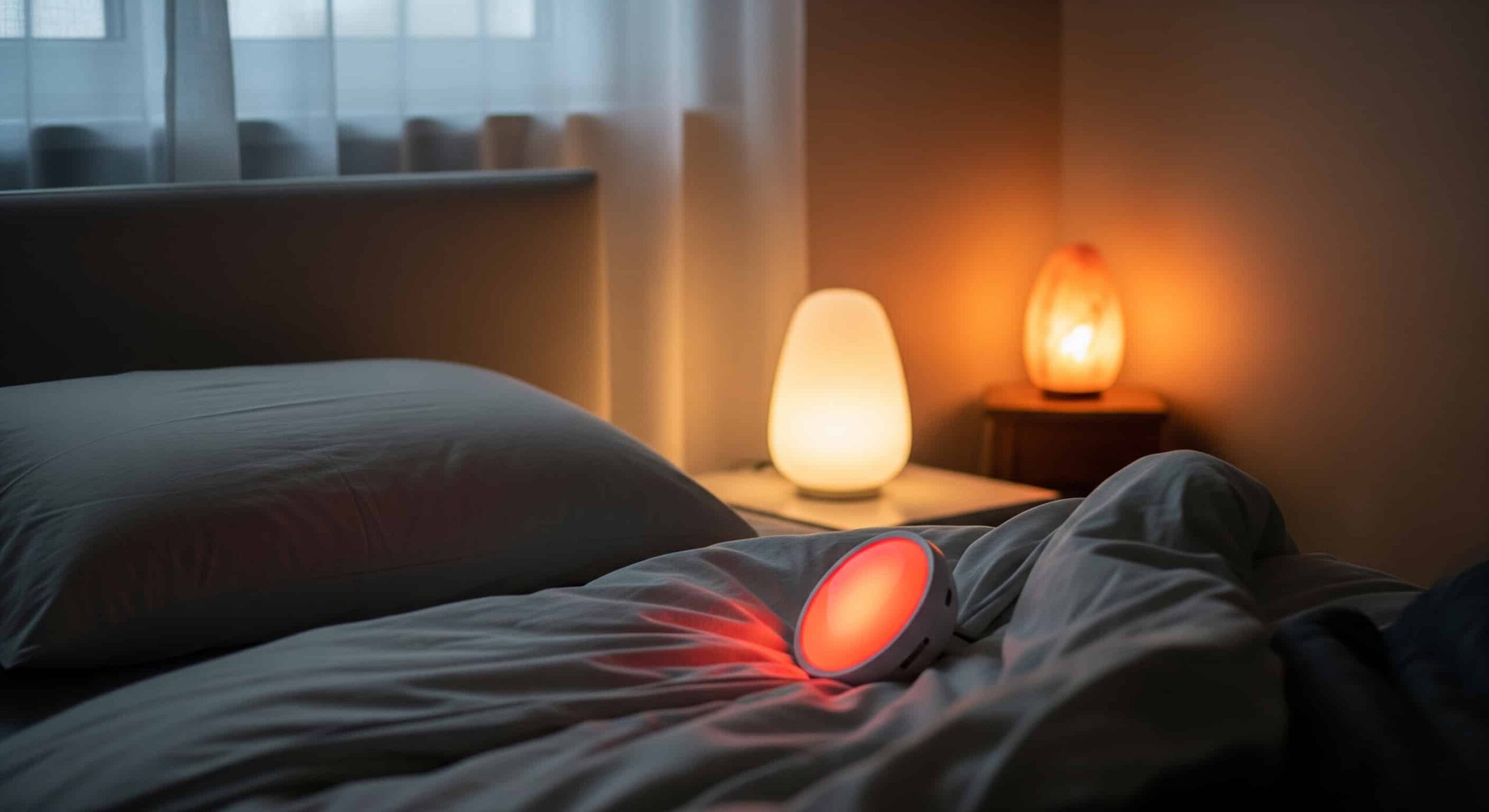
Opt for light bulbs with a warm color temperature (2000K-3000K). Look for terms like “warm white,” “soft white,” or amber/red bulbs specifically designed for evening use. These emit less blue light and are less likely to interfere with melatonin production.
2. Dimmers are Your Friend
Install dimmer switches for overhead lights and lamps. This allows you to gradually reduce the light intensity as bedtime approaches, signaling to your body that it’s time to wind down.
3. Smart Lighting Solutions
Smart bulbs and lighting systems (like Philips Hue, Wyze, etc.) offer unparalleled control. You can schedule them to change color temperature and brightness automatically throughout the day, mimicking natural light patterns. Many have pre-set “wind down” or “sleep” scenes.
Slumberly Recommends: Smart Sleep Bulbs
Consider smart bulbs that can transition from cool white during the day to a warm, dim amber or red in the evening. Some models can even simulate a sunset to help you relax.
4. Night Lights: Use with Caution
If you need a night light, choose one that is very dim and emits red or amber light. Avoid blue or white night lights, especially in the bedroom. Motion-activated night lights can be a good option for hallways or bathrooms to avoid flooding the room with light if you get up at night.
Light Exposure During the Day and Evening Routine
Daytime Light Exposure
Get plenty of bright, natural light during the day, especially in the morning. This helps anchor your circadian rhythm and can improve nighttime sleep. If you work indoors, try to take breaks near a window or go outside.
Evening Wind-Down Routine (Light Management)
- 2-3 Hours Before Bed: Start dimming the lights in your home. Switch to warmer light sources.
- Avoid Blue Light from Screens: Minimize use of smartphones, tablets, computers, and TVs. If you must use them, enable “night mode” or use blue light filtering apps/glasses. The best approach is to avoid screens altogether in the hour before sleep.
- Reading Lights: If you read before bed, use a dim, warm-colored book light or e-reader with an adjustable warm backlight. Avoid reading on a bright tablet or phone.
Special Considerations
Shift Workers
Managing light exposure is particularly challenging for shift workers. Using blackout curtains to create a dark sleep environment during the day and strategically using bright light therapy before a night shift can be helpful. Consult with a sleep specialist for personalized advice.
Children and Light
Children are often more sensitive to the effects of light on sleep. Ensure their bedrooms are dark at night and limit screen time before bed. A dim, red-toned night light is acceptable if needed.
Creating Your Optimal Sleep Lighting Environment
Consistency is Key: Try to maintain a consistent light exposure schedule, even on weekends, to support a healthy circadian rhythm.
Remember: Blue light from the sun during the day is essential for alertness and mood. The issue is with excessive artificial blue light exposure, especially in the evening.
By making thoughtful choices about your lighting environment, you can significantly improve your chances of getting a restful night’s sleep. Experiment with different light settings to find what works best for you and helps you create a calming, sleep-promoting atmosphere in your home.